Have you ever wondered if slugs can live in water? It’s a curious question because slugs are usually seen crawling on land, not swimming or floating.
You might be surprised to learn how these slimy creatures react when they come into contact with water. Understanding whether slugs can survive in water can change the way you see these little garden visitors. Stick with me, and you’ll discover some fascinating facts that could change your view of slugs forever.
Slug Biology Basics
Understanding slug biology is key to figuring out if these slimy creatures can survive in water. Slugs have unique features that shape how they live and breathe. Getting to know their anatomy and respiration helps answer whether water is a friend or foe to them.
Slug Anatomy
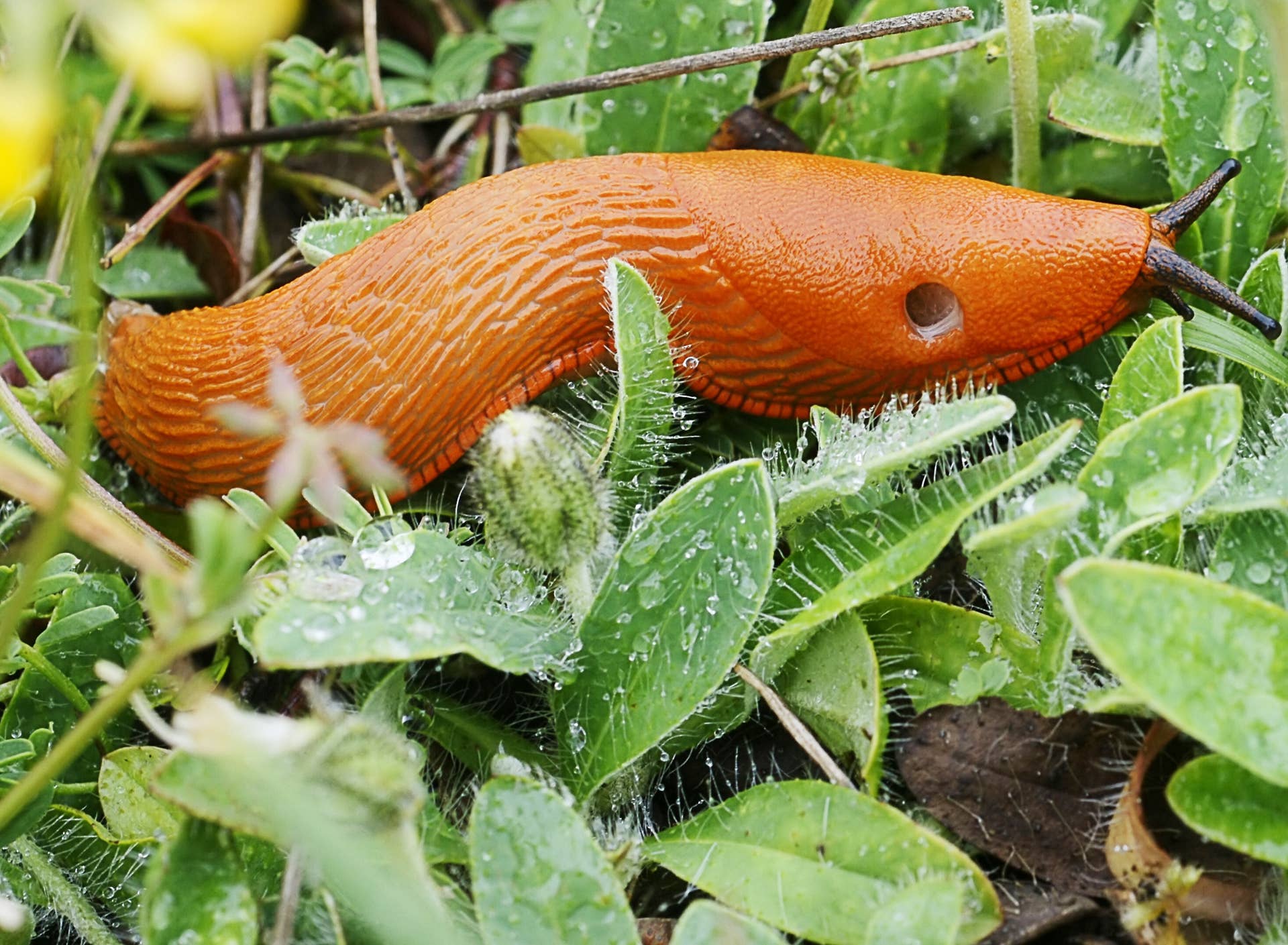
Slugs have soft, elongated bodies without shells, unlike their snail cousins. Their bodies are covered in mucus, which keeps them moist and helps with movement. This mucus also acts as a protective barrier against harsh environments.
Inside, slugs have a muscular foot that lets them glide over surfaces. Their tentacles serve as sensory organs, helping them detect light, food, and danger. Without a hard shell, they rely heavily on their environment to stay safe and hydrated.
Respiration Process
Slugs breathe through a small respiratory opening called a pneumostome, located on the side of their body. This opening connects to a lung-like cavity where oxygen is absorbed. Unlike fish that have gills, slugs need air to survive.
This means slugs can’t breathe underwater like aquatic animals. If submerged too long, they risk drowning because their lungs can’t extract oxygen from water. Knowing this makes you wonder—how do slugs handle rainy days or flooded habitats?
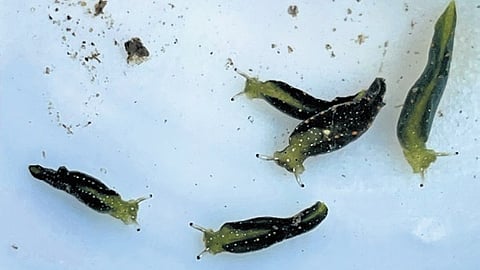
Credit: www.newindianexpress.com
Slug Habitat Preferences
Understanding where slugs choose to live gives you a clear picture of their survival needs. Their habitats reveal much about their moisture preferences and how they manage to thrive without drying out. Let’s look closer at what kind of environments make slugs feel at home.
Preferred Moist Environments
Slugs need damp places to stay active and healthy. They avoid dry areas because their bodies can lose moisture quickly. You might find them under wet leaves, shaded garden beds, or near water sources like ponds and streams.
Have you noticed slugs appearing after a heavy rain? That’s no coincidence. Moisture helps them move easily and find food. If you want to deter slugs, keeping your garden dry can be very effective.
Common Terrestrial Habitats
Most slugs live on land, hiding in cool, dark spots during the day. They often settle in gardens, forests, and even urban areas where plants and moisture are available. Look for them under rocks, logs, and mulch.
Slug activity peaks at night or on cloudy days, so they avoid direct sunlight. If you’re wondering where to spot them, check damp corners of your yard or places where rainwater collects. Their presence can tell you a lot about the local environment’s humidity and shelter options.
Slug Interaction With Water
Understanding how slugs interact with water can change how you view these slimy creatures. Water is a crucial part of their environment, but not all water encounters are the same for them. Let’s look closely at how slugs behave in wet conditions and what happens when they are submerged.
Slug Behavior In Wet Conditions
Slugs actually thrive in moist environments. You might notice they become more active during or after rain. This is because wet surfaces make it easier for them to move and find food.
Have you ever seen slugs come out at night after a light drizzle? They use the moisture to keep their skin from drying out, which is vital for their survival. Dry conditions can be deadly to slugs, so they seek out damp spots.
Interestingly, slugs produce mucus that helps them glide smoothly over wet surfaces. This mucus also protects their skin from too much water absorption. So, water is both a comfort and a controlled challenge for them.
Effects Of Submersion
But what happens if a slug is completely submerged in water? Unlike aquatic animals, slugs are not built to live underwater for long periods. Submersion can cause them to drown because they breathe through their skin and a small lung-like organ.
Yet, some slug species can survive short periods underwater by trapping air in their lung area. This is a neat survival trick, but it only works for a limited time. Prolonged submersion usually leads to oxygen deprivation and death.
Have you ever wondered if slugs can float or swim? While they can move in shallow water, they don’t swim like fish. Instead, they try to find their way back to land quickly to avoid drowning.
Survival Mechanisms Underwater
Slugs are not creatures you’d typically associate with water survival, but their ability to endure wet conditions is quite fascinating. Understanding their survival mechanisms underwater reveals how these soft-bodied animals manage to cope with environments you might think are hostile to them. Let’s dive into how slugs absorb oxygen and handle flooding, which can help you appreciate their resilience and maybe even rethink how you view these garden visitors.
Oxygen Absorption Abilities
Slugs primarily breathe through their skin and a small respiratory opening called the pneumostome. This allows them to absorb oxygen directly from the air. But what happens underwater?
Some slug species can survive short periods submerged by absorbing oxygen dissolved in water through their moist skin. However, this method is far less efficient than breathing air, so they can only hold their breath for limited times. Have you ever noticed a slug shrink away when the ground is soaked? That’s because their oxygen intake is compromised when submerged too long.
This survival trick buys them time during heavy rains or temporary flooding but isn’t a long-term solution. If water covers them for too long, oxygen levels drop, and they risk suffocation. It’s a delicate balance that slugs manage by staying in moist but not fully submerged areas.
Adaptations To Flooding
Flooding poses a real threat to slugs, but many have developed behaviors and physical traits to survive these events. For example, slugs often retreat into higher ground or find shelter under leaves and rocks to avoid deep water.
Some species enter a state of reduced activity known as estivation, slowing their metabolism to conserve energy and oxygen. This pause helps them endure until water levels drop. When I once observed a garden after a heavy storm, I noticed slugs clustered in sheltered spots, motionless yet alive—proof of this survival tactic.
Additionally, their slimy mucus acts as a barrier, helping to prevent water from penetrating their bodies too quickly. This mucus also aids in clinging to surfaces, preventing them from being washed away. Could you imagine how different their survival would be without this slimy shield?
Limits To Slug Survival In Water
Slugs are fascinating creatures, but their ability to survive underwater is limited. Understanding these limits can help you better care for your garden or simply satisfy your curiosity about nature. Let’s look closely at what happens to slugs when they are submerged in water.
Duration Of Submersion
Slugs cannot stay underwater for long. Most species survive only a few hours submerged before they start to drown. Their bodies rely on air for respiration, so oxygen deprivation becomes a serious issue quickly.
In my own garden, I once left a slug trapped in a shallow puddle overnight. By morning, it was lifeless, showing how even short periods underwater can be fatal. This shows you why slugs avoid deep or stagnant water.
Physical And Physiological Stress
Water causes more than just breathing problems for slugs. The pressure and temperature changes put physical stress on their soft bodies. They can become weak and sluggish, reducing their ability to move or protect themselves.
Physiologically, prolonged submersion disrupts their internal balance. Slugs lose moisture differently in water, which confuses their survival mechanisms. Have you noticed how a slug looks after rain? It’s often more sluggish, hinting at these stresses.
- Waterlogged slugs have trouble feeding and escaping predators.
- Extended exposure can cause skin damage, making infection more likely.
- Stress responses drain their energy quickly, cutting down survival chances.
So, if you find slugs in your garden after heavy rain or flooding, remember they are struggling. Their survival depends on quick access to air and safe, dry shelter. What simple steps can you take to protect these creatures or control their impact?
Common Myths About Slugs And Water
Many people hold wrong ideas about slugs and their relationship with water. These myths often confuse how slugs live and survive. Understanding the truth helps us respect these creatures more.
Slugs Drowning Myths
People often think slugs drown easily in water. This idea is partly true but needs more detail. Slugs breathe through their skin and need moisture. They can survive short times underwater by trapping air. Yet, staying underwater too long can harm them.
Slugs avoid deep water naturally. They live in damp places but not in ponds or lakes. Water is crucial for them, but too much water can be dangerous.
Slugs As Aquatic Creatures
Some believe slugs live in water like fish or frogs. This is false. Slugs are land animals and not adapted to swim or live underwater. They do not have gills or fins.
Slugs prefer moist soil, plants, and shaded areas. They use wet environments to stay alive but never live fully in water. Their bodies are made for crawling, not swimming.
Implications For Gardeners And Pet Owners
Understanding whether slugs can survive in water has direct implications for both gardeners and pet owners. These slimy creatures thrive in moist environments, so knowing how water affects them can help you manage your garden better and protect your pets from unwanted encounters. If you’ve noticed persistent slug problems after heavy rains or in wet garden spots, it might be time to rethink your approach.
Slug Control Strategies In Wet Gardens
Wet gardens create the perfect habitat for slugs. They love damp soil and shaded areas, especially after rainfall or irrigation. To reduce slug activity, you can:
- Use barriers like copper tape or crushed eggshells around plants. These irritate slugs and keep them away.
- Water your garden in the morning rather than the evening to let the soil dry out before nightfall when slugs are most active.
- Encourage natural predators such as frogs, toads, and birds by providing shelter and water sources.
- Remove garden debris and dense ground cover where slugs hide during the day.
Have you tried adjusting your watering schedule to see if it reduces slug damage? Sometimes small changes make a big difference.
Handling Slugs Safely
Slugs can carry parasites that might harm pets or humans, so it’s important to handle them carefully. Always wear gloves when removing slugs from your garden to avoid direct contact.
Dispose of slugs by placing them in soapy water—this method is effective and humane. Avoid using chemicals that could harm your plants, pets, or beneficial insects.
Curious about safe pet practices? Keep your dogs and cats away from slug-infested areas, especially if they have a habit of chewing on garden plants or soil. This simple caution can prevent health issues.

Credit: www.reddit.com
Credit: owlcation.com
Frequently Asked Questions
Can Slugs Breathe Underwater?
Slugs cannot breathe underwater as they rely on air to breathe. They possess a pneumostome, a breathing pore, which requires air. When submerged for extended periods, they risk drowning. However, some slugs can survive short durations in water by trapping air beneath their mucus layer.
How Do Slugs Survive In Wet Conditions?
Slugs thrive in wet conditions as they need moisture to maintain their slimy skin. Their bodies are prone to dehydration, so damp environments are ideal. They produce mucus to glide and avoid drying out. Wet conditions also help them move easily and find food like decaying plants.
Can Slugs Swim In Water?
Slugs cannot swim in water like fish or aquatic creatures. They lack specialized body parts for swimming. Instead, they can float temporarily by trapping air under their mucus. However, prolonged exposure to water can be dangerous, potentially leading to drowning if they cannot escape.
Do Slugs Drown In Heavy Rain?
Heavy rain can pose a risk to slugs, potentially leading to drowning. While they thrive in moist environments, excessive water can submerge them. Prolonged submersion affects their ability to breathe through their pneumostome. Slugs often seek shelter during heavy rain to avoid being overwhelmed by water.
Conclusion
Slugs cannot live long underwater. They need air to breathe. Water fills their bodies and causes harm. Some slugs can float or survive briefly. Still, they prefer damp soil or leaves. Staying wet helps them move easily. Avoid flooding their homes to protect them.
Knowing this helps gardeners and nature lovers. Slugs are tough but not made for water. Their survival depends on moist, not wet, places.