Have you ever wondered which animal can survive the longest without water? It’s a fascinating question that makes you think about endurance, survival, and nature’s incredible adaptations.
Imagine going days, even weeks, without a single drop of water—sounds impossible for you, right? Yet, some animals manage to do just that. If you’re curious to discover these amazing survivors and learn the secrets behind their resilience, keep reading.
This knowledge might just change the way you see the natural world around you.
Top Waterless Survivors
Some animals have amazing skills to live without water for a long time. They survive in harsh places where water is rare. These creatures have unique ways to save or get water from their food. Their bodies work smart to avoid losing water fast. Let’s explore some top waterless survivors and their secrets.
Camels’ Water Storage
Camels are famous for living in deserts. They store fat in their humps, not water. This fat can turn into water and energy when needed. Camels can lose up to 25% of their body water without harm. Their thick fur stops heat from reaching their skin. They can drink up to 40 gallons of water in one go.
Kangaroo Rats’ Adaptations
Kangaroo rats live in dry, sandy places. They never need to drink water. Their kidneys are very strong and save almost all water. They get moisture from the seeds they eat. These rats are active at night to avoid heat. Their bodies make water during digestion, helping them stay hydrated.
Desert Tortoises’ Strategies
Desert tortoises live where it hardly rains. They store water in their bladders for long use. These tortoises dig burrows to stay cool and reduce water loss. They eat plants that contain water. Their slow movement helps save energy and water. They can survive months without drinking water.

Credit: www.wildlifenomads.com
Biological Adaptations
Animals that survive long without water have special biological traits. These traits help them keep water inside their bodies. They also lower water use and avoid dehydration. Such adaptations allow survival in dry places.
These biological changes happen at different body levels. From how they handle water to how their organs work. These traits make them experts in saving water. Understanding these helps explain how some animals live without water for so long.
Water Conservation Mechanisms
Some animals have thick skin or scales that stop water loss. Others produce less sweat or urine to keep water. Some hide in cool places during hot hours. They reduce activity to save water inside their bodies. These ways help them keep water for days or weeks.
Metabolic Rate Adjustments
Animals can slow their metabolism to lower water needs. A slow metabolism means less energy and less water used. It helps them survive without drinking for a long time. This change often happens during heat or drought. It helps them stay alive with little water.
Efficient Kidney Functions
Many desert animals have kidneys that save water well. Their kidneys filter waste but keep water inside the body. They produce very concentrated urine to avoid water loss. This ability is key for living in dry areas. It lets them survive with little to no water intake.
Behavioral Survival Techniques
Animals that survive the longest without water rely heavily on specific behaviors to conserve moisture and avoid dehydration. These behavioral survival techniques allow them to adapt to harsh environments where water is scarce. Understanding these strategies can help you appreciate how nature equips creatures to endure extreme conditions.
Nocturnal Activity Patterns
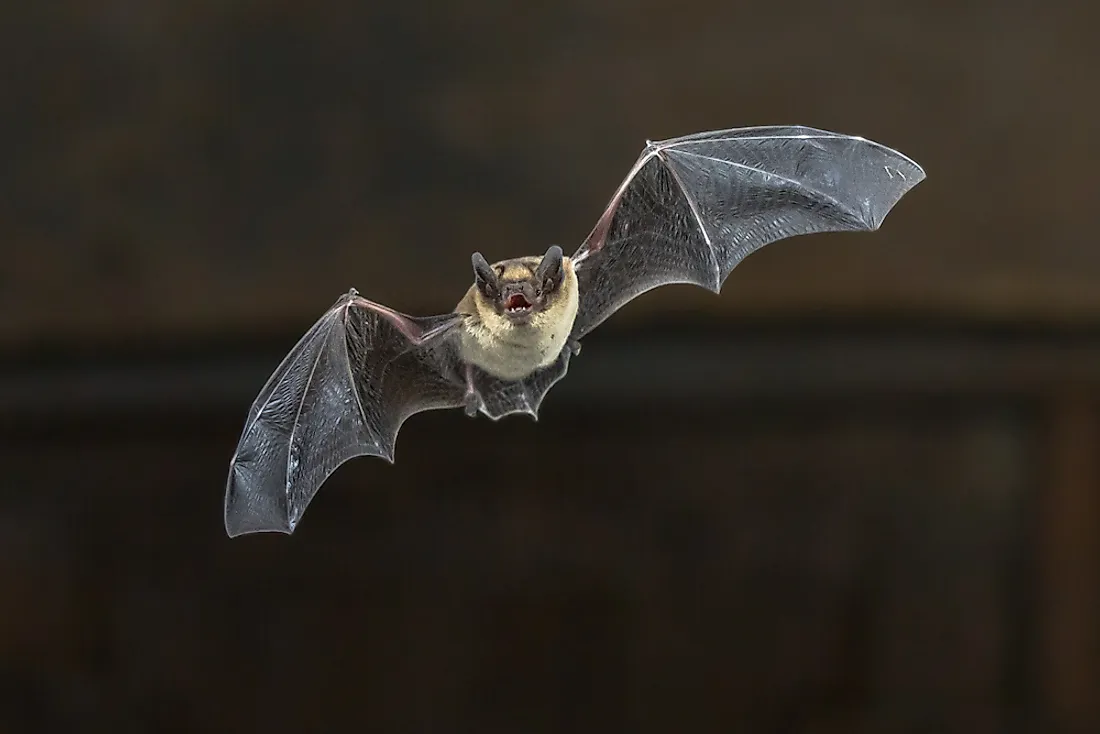
Many animals avoid the harsh heat of the day by becoming active at night. This reduces water loss caused by high temperatures and direct sunlight.
Owls, desert foxes, and kangaroo rats are great examples. They hunt or forage when it’s cooler, which helps them save precious water.
Have you noticed how stepping outside after sunset feels less draining? That’s exactly why these animals choose the night to thrive.
Burrowing And Shelter Use
Digging burrows or finding shelter protects animals from extreme heat and wind. These safe spots maintain cooler, more humid conditions.
Take the camel spider or the desert tortoise; they retreat underground during the hottest hours. This simple act drastically lowers their water loss.
When you seek shade on a hot day, you’re using the same survival instinct. Could you imagine living your whole life depending on such shelters?
Dietary Water Sources
Some animals get most of their water from the food they eat. Succulent plants, insects, and even metabolic water produced inside their bodies keep them hydrated.
The kangaroo rat is famous for never drinking water directly, relying instead on seeds and metabolic water. This clever diet reduces their need to find water sources.
Think about your own meals—how much water do they provide? Understanding this can change how you view hydration in nature.
Environmental Factors
Animals that survive long without water face many challenges. Their environment plays a big role in how they manage water loss and stay alive. Understanding these environmental factors helps explain why some animals live longer without drinking.
Desert Climate Challenges
Deserts have extreme heat during the day and cold at night. Water evaporates quickly under the hot sun. Animals lose water fast through sweating or breathing. Sand and rocky ground hold little moisture. Food and water sources are very scarce. Animals adapt to avoid water loss and survive these harsh conditions.
Seasonal Water Availability
Some regions have wet and dry seasons. Water is plentiful during rainy times but scarce in dry periods. Animals must store water or reduce activity when water is low. Many species drink heavily after rain to prepare for dry months. This cycle shapes how long they can go without water.
Impact Of Habitat On Survival
Habitat affects how animals find and conserve water. Forests and wetlands provide more water sources. Animals there don’t need special adaptations to survive. In dry or rocky habitats, water is limited. Animals develop behaviors like nocturnal activity to save water. Habitat type directly influences survival strategies.
Lessons From Ultimate Survivors
Animals that survive long periods without water teach us important lessons. They show unique ways to conserve moisture and live in harsh conditions. These strategies help them thrive where water is scarce.
Studying these creatures reveals natural designs we can learn from. Their bodies and behaviors offer clues to managing water loss and stress. These lessons inspire ideas for human survival and science.
Applying Nature’s Strategies
Some animals reduce water loss by slowing metabolism. Others store water in special body parts. For example, camels keep water in their humps, while desert frogs burrow underground to stay moist.
These tactics can inspire ways to save water in daily life. Simple actions like using less water or recycling it mimic nature’s efficiency. Innovations in clothing and shelter also draw from animal adaptations.
Implications For Human Survival
Humans face water shortages in many regions. Learning from animals can help manage these challenges. Techniques to reduce sweating or retain fluids may improve health and comfort.
Emergency survival tools might include better water storage and purification systems. Understanding animal survival leads to smarter resource use. It also raises awareness about conserving water globally.
Future Research Directions
Scientists aim to discover more about water-saving mechanisms in animals. Genetic studies may reveal traits that help endure droughts. These findings could influence medicine and technology.
New materials inspired by animal skin or coatings might reduce water loss. Research could also explore how ecosystems adapt to climate change. This knowledge supports both nature and human needs.
Credit: www.worldatlas.com
Credit: danspetcare.com
Frequently Asked Questions
What Animal Can Go The Longest Without Water?
The kangaroo rat is known for surviving the longest without water. Native to arid regions, this rodent can live its entire life without direct water intake. It efficiently metabolizes moisture from the seeds it eats, making it incredibly water-efficient.
How Do Camels Survive Without Water?
Camels store fat in their humps, not water. This fat is metabolized into energy and water when needed. They can also withstand body temperature fluctuations, reducing water loss. Camels can survive up to two weeks without drinking water, making them desert-adapted animals.
Why Can The Thorny Devil Survive Without Water?
The thorny devil, a lizard native to Australia, absorbs water through its skin. Its skin channels water to its mouth through capillary action. This adaptation allows it to drink water from dew or rain, enabling survival in arid environments.
How Does The Desert Tortoise Conserve Water?
The desert tortoise conserves water through its bladder, which stores water and waste. During dry spells, it reabsorbs water from its bladder. By reducing activity during the hottest parts of the day, it minimizes water loss and survives in desert habitats.
Conclusion
Animals show amazing ways to live without water. Some survive weeks or even months with little to no drinking. Their bodies save water in clever ways. Learning about these animals helps us understand nature better. It also shows how life adapts to tough places.
Water is vital, but life finds a way. These animals remind us of nature’s strength and skill. Next time you feel thirsty, think of them. They survive with much less. Nature’s wonders never stop surprising us.