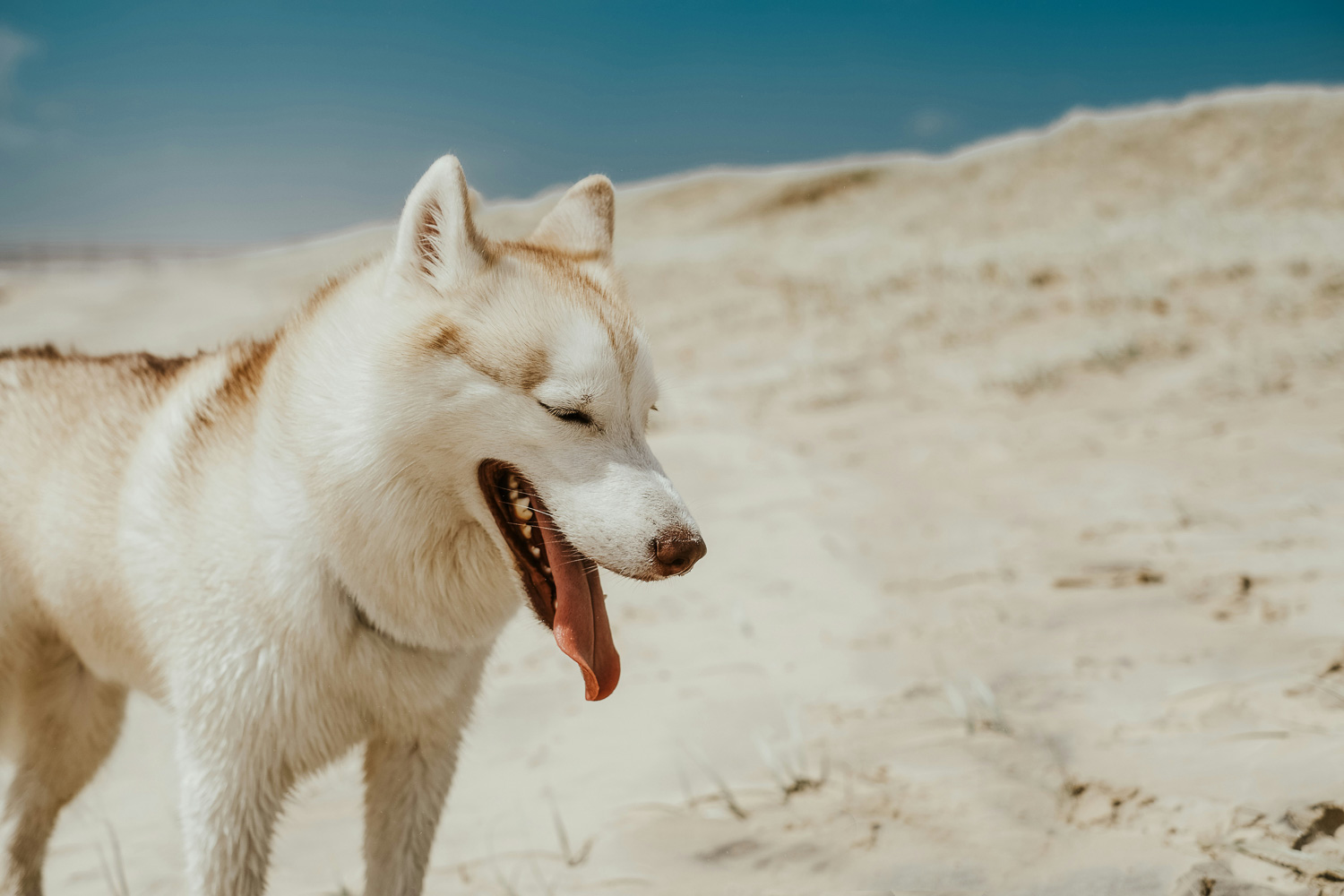
If you have a Siberian Husky or are thinking about getting one, you might wonder: can these beautiful dogs handle hot weather? Huskies are known for their thick fur and love of cold climates, so the idea of them in the heat can be worrying.
You want to keep your furry friend safe and comfortable, especially during warm days. You’ll discover the truth about Huskies in the heat, learn important tips to protect your dog, and find out how to make hot weather easier for your pet.
Keep reading to ensure your Husky stays happy and healthy, no matter the temperature.

Credit: huskygifts.com
Siberian Huskies And Heat
Siberian Huskies are well-known for their thick coats and strong endurance in cold climates. Their ability to handle heat is often misunderstood. Understanding how they react to hot weather helps owners keep them safe and comfortable.
Breed Origins And Climate
Siberian Huskies come from Siberia, a region with very cold winters. Their fur protects them from freezing temperatures. The breed was developed to pull sleds across snowy landscapes. This history means they are built for cold, not heat. Their dense double coat traps cold air close to the skin. It also shields them from wind and snow. In warm weather, this same coat can cause overheating. Huskies do not sweat like humans. They cool off mainly by panting. This method is less effective in hot climates.
Heat Sensitivity Factors
Several factors make Huskies sensitive to heat:
- Thick fur:It holds heat inside the body.
- Limited sweating:Only paw pads sweat, not enough to cool down.
- High activity level:Running or playing raises body temperature quickly.
- Age and health:Puppies, seniors, and sick dogs struggle more in heat.
Hot weather can lead to heat exhaustion or heat stroke in Huskies. Signs include heavy panting, drooling, weakness, and confusion. Owners must provide shade, water, and limit exercise during warm hours. Proper care helps Huskies stay safe in warmer climates.
Signs Of Heat Stress
Recognizing the signs of heat stress in your Siberian Husky is crucial, especially if you live in or visit warmer climates. Huskies have thick fur designed for cold weather, making them prone to overheating. Spotting early signs can help you act quickly and protect your dog from serious health issues.
Behavioral Changes
Watch your Husky closely for unusual behavior. If your dog suddenly becomes restless or unusually quiet, it might be struggling with the heat.
Excessive panting beyond normal excitement or exercise is a red flag. You might notice your dog seeking shade or cool surfaces more often than usual.
Sometimes, your Husky may refuse to eat or drink, signaling discomfort. Have you noticed your dog acting withdrawn during warm afternoons? That’s a sign you need to cool them down.
Physical Symptoms
Physical signs of heat stress are often more obvious. Look for heavy drooling and bright red gums, which show your dog’s body is overheating.
Rapid heartbeat and shallow breathing are also common symptoms. If your Husky’s tongue turns very red or purple, it’s time to take immediate action.
Muscle weakness or staggering can indicate severe heat stress. If you observe any of these symptoms, cool your dog quickly and contact a vet.
Cooling Strategies
Siberian Huskies face challenges in hot weather due to their thick fur. Cooling strategies help keep them safe and comfortable. These methods focus on lowering body heat and preventing overheating.
Hydration Tips
Water is vital for Huskies in the heat. Always provide fresh, clean water. Refill water bowls often during the day. You can add ice cubes to keep water cool longer. Encourage your dog to drink regularly. Avoid sugary or flavored drinks that might harm them.
Shade And Shelter
Shade protects Huskies from direct sunlight. Create shaded areas outdoors using umbrellas or trees. Make sure your dog has access to cool, indoor shelter. Keep their resting place well-ventilated. Avoid asphalt or concrete surfaces that get very hot. Grass or dirt areas are better for resting.
Cooling Accessories
- Cooling mats provide a cold surface for Huskies to lie on.
- Wet bandanas or cooling vests help reduce body temperature.
- Portable fans or misting systems add extra comfort.
- Use these accessories during walks or playtime in warm weather.

Credit: www.youtube.com
Exercise Guidelines
Exercise is essential for Siberian Huskies, even in hot weather. Their thick fur makes heat a serious risk. Following proper exercise guidelines keeps them safe and healthy. Adjusting activity times and intensity helps prevent overheating and exhaustion. Monitor your Husky closely during any physical activity.
Best Times For Activity
Choose cooler parts of the day for exercise. Early mornings and late evenings offer lower temperatures. These times reduce the risk of heat stress. Avoid walking or running during midday heat. Shade and water access are crucial during any outdoor activity.
Avoiding Overexertion
Limit intense exercise in hot weather. Watch for signs of tiredness or heavy panting. Stop activity immediately if your dog seems stressed. Use short play sessions instead of long runs. Provide frequent water breaks to keep your Husky hydrated.
Grooming For Hot Weather
Grooming your Siberian Husky for hot weather is essential to help them stay comfortable and healthy. Their thick double coat is designed for cold climates, but with the right care, you can ease their heat stress. Paying attention to their coat and shedding patterns will make a big difference in how well they handle warmer days.
Coat Maintenance
Regular brushing helps remove loose hair and keeps your Husky’s coat breathable. Use a slicker brush or an undercoat rake to gently detangle and lift dead fur without damaging the healthy coat. Brushing daily during hot months can prevent mats and improve airflow to their skin.
Bathing your dog occasionally with a mild shampoo can also cool them down. However, avoid over-bathing as it strips natural oils, which protect the skin. Would you consider adjusting your Husky’s grooming routine to match seasonal changes?
Shedding Management
Siberian Huskies shed heavily, especially in spring and summer, to get rid of their thick winter undercoat. Managing this shedding is crucial to help your dog stay cooler and reduce the amount of fur around your home. Using a de-shedding tool can effectively reach the undercoat and pull out dead hairs.
Keep an eye on your Husky’s environment during shedding season. Frequent vacuuming and washing of their bedding reduce allergens and keep the area fresh. Have you noticed how a good grooming session can immediately brighten your Husky’s mood and energy?

Credit: bamahuskies.com
Diet And Nutrition
Keeping your Siberian Husky comfortable in hot weather is more than just shade and water. Their diet plays a crucial role in how well they handle the heat. Adjusting what they eat can help regulate their body temperature and keep them energized without overheating.
Hydrating Foods
Adding hydrating foods to your Husky’s diet can make a big difference on hot days. Foods like cucumbers, watermelon, and strawberries have high water content and provide a refreshing boost. These snacks not only help keep your dog hydrated but also offer essential vitamins.
Try freezing small pieces of these fruits for a cool treat. This can be especially helpful during outdoor activities or after a walk. Have you noticed your dog’s energy drop on hot days? These foods might be the simple fix you need.
Supplements For Heat Tolerance
Certain supplements can support your Husky’s ability to cope with heat. Omega-3 fatty acids, for example, help reduce inflammation and support skin health, which can be stressed by heat. Adding fish oil or flaxseed oil to their meals can be beneficial.
Electrolyte supplements designed for dogs can also prevent dehydration and muscle cramps. Make sure to consult your vet before adding supplements to ensure they’re safe and appropriate. What if your Husky could handle summer walks with less fatigue? Supplements might help make that possible.
When To Seek Veterinary Help
Knowing when to seek veterinary help for your Siberian Husky in hot weather can make a crucial difference. These dogs are built for cold climates, so heat stress can escalate quickly. Recognizing the warning signs and keeping up with preventive care helps protect your pet’s health and comfort.
Emergency Signs
Watch closely for signs like excessive panting that doesn’t slow down, drooling, or weakness. If your Husky starts vomiting, collapses, or has a rapid heartbeat, these are urgent red flags.
Heatstroke can cause confusion or seizures—any unusual behavior means you should get immediate veterinary care. Don’t wait to see if symptoms improve; quick action can save your dog’s life.
Preventive Health Checks
Regular vet visits give you a chance to discuss how your Husky handles warm weather. Your vet can check for underlying conditions that increase heat sensitivity, such as heart or respiratory issues.
Ask your vet about hydration strategies and cooling methods specific to your dog. Scheduling routine health checks before summer arrives helps you prepare and prevent emergencies.
Frequently Asked Questions
Can Siberian Huskies Handle Hot Weather Conditions?
Siberian Huskies have thick double coats that protect them from cold. They struggle in hot weather and can overheat easily. Owners must provide shade, water, and avoid midday heat to keep them safe.
How To Keep A Siberian Husky Cool In Summer?
Provide plenty of fresh water and shade for your Husky. Avoid outdoor activities during peak heat hours. Use cooling mats or wet towels to help regulate their temperature safely.
Are Siberian Huskies Prone To Heatstroke?
Yes, Huskies can suffer heatstroke due to their dense fur. Watch for heavy panting, drooling, and lethargy. Immediate cooling and vet care are crucial if heatstroke signs appear.
Can Siberian Huskies Live In Hot Climates Long-term?
Siberian Huskies can live in warm climates but need extra care. Limit exercise during heat, maintain hydration, and provide cool resting areas to ensure their well-being.
Conclusion
Siberian Huskies are built for cold climates, not hot ones. They can struggle in high temperatures and need careful care. Always provide shade, fresh water, and limit exercise on warm days. Watch for signs of heat stress like heavy panting or weakness.
Cooling mats and fans help keep them comfortable. Keep your Husky safe to enjoy a happy, healthy life. Hot weather is tough for this breed, but with effort, they can cope.


