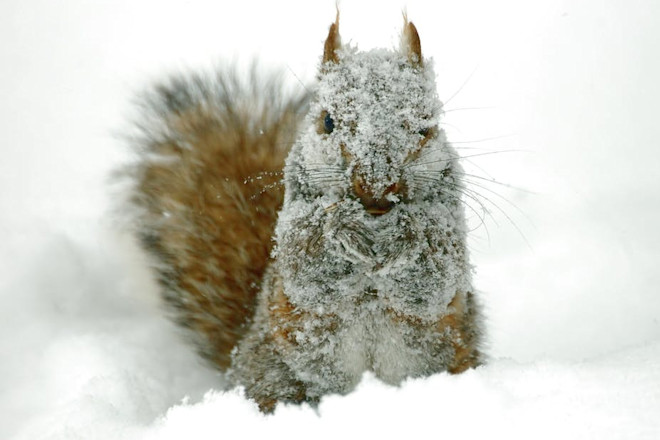
Have you ever wondered how squirrels manage to stay active and survive when winter’s chill sets in? When temperatures drop and snow covers the ground, you might expect these tiny creatures to struggle.
But squirrels have some clever tricks that help them beat the cold and keep going strong. If you want to discover the surprising ways squirrels protect themselves during harsh weather, keep reading. You’ll learn how their behavior and natural instincts work together to help them survive even the coldest days.

Credit: www.cbc.ca
Squirrel Adaptations
Squirrels have unique ways to survive cold weather. Their bodies and behavior change to help them stay warm. These adaptations help squirrels manage winter’s harsh conditions and find enough food.
Fur Changes In Winter
Squirrels grow thicker fur as temperatures drop. This dense coat traps heat close to their bodies. The fur also changes color to blend with the winter environment. It helps squirrels hide from predators during snowy months.
Body Fat And Energy Storage
Before winter, squirrels eat more to build body fat. This fat acts as insulation and energy reserve. It keeps squirrels warm and gives them energy when food is scarce. Stored fat is vital for surviving long cold periods.
Behavioral Adjustments
Squirrels change their habits to save energy and stay safe. They reduce activity during the coldest hours of the day. Squirrels also use nests made of leaves and twigs to keep warm. They may huddle together to share body heat.
Food Strategies
Squirrels rely heavily on smart food strategies to make it through cold weather. The chilly months mean food is scarce, so they have to prepare well in advance. Understanding these strategies can help you appreciate how resourceful these little creatures really are.
Caching And Hoarding
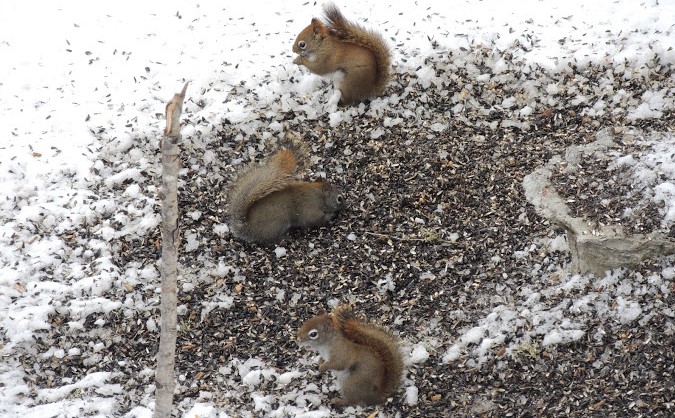
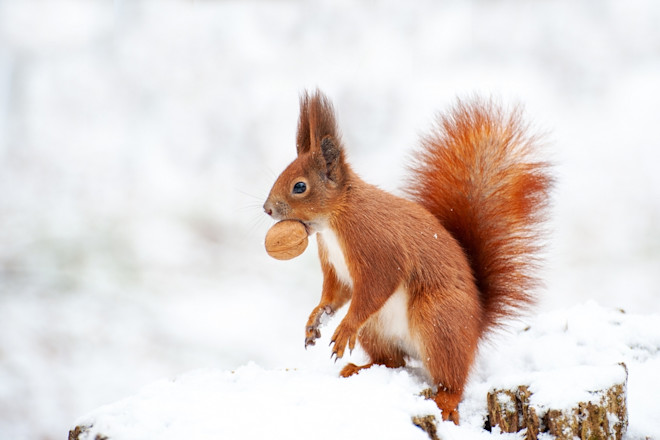
Squirrels gather and store food during warmer months to use later. They hide nuts and seeds in multiple spots, a behavior known as caching. This spreads out their risk—if one stash is lost, others remain.
Ever noticed squirrels digging in your yard? They are likely retrieving these hidden treasures. This habit shows how foresight and planning are crucial for survival.
Diet Shifts In Cold Months
As winter sets in, squirrels change their diet to match what’s available. They eat more bark, twigs, and buds when nuts and fruits are gone. This flexibility helps them keep energy levels up despite limited options.
You might wonder, how do squirrels know what’s safe or nutritious in winter? Their ability to adapt quickly is key to enduring tough conditions.
Foraging Techniques
Even in snow, squirrels actively search for food rather than just relying on caches. They use their keen sense of smell to locate buried nuts beneath the snow. This skill is vital when stored food runs low.
Have you ever seen a squirrel pause and sniff the ground before digging? That’s their way of making sure their effort pays off. This careful foraging saves energy and improves their chances of finding sustenance.
Shelter And Nesting
Squirrels rely heavily on their shelters and nests to survive the harsh cold weather. These cozy hideouts protect them from biting winds and freezing temperatures. Understanding where and how squirrels build these nests can give you a deeper appreciation of their survival skills.
Types Of Winter Nests
Squirrels mainly build two types of nests to get through winter: dreys and tree cavities.
- Dreysare ball-shaped nests made from twigs, leaves, and moss. They look like small, messy bird nests tucked high in the branches.
- Tree cavitiesoffer more protection and warmth. These natural hollows or abandoned woodpecker holes shield squirrels from wind and predators.
Have you ever noticed a squirrel darting into a hole in a tree during winter? That’s their safe haven from the cold.
Insulation Methods
Squirrels are expert insulators. They line their nests with soft materials like shredded bark, dried leaves, and even bits of fur.
This thick bedding traps body heat and keeps chilly air out. Sometimes, squirrels add extra layers after heavy snowfall, adjusting their nests like you would add blankets on a cold night.
Think about your own home’s insulation—how much difference does a cozy blanket make? Squirrels use the same principle in their nests.
Nest Location Choices
Squirrels pick nest sites carefully to maximize warmth and safety.
- They often choose branches sheltered by dense foliage to block wind and rain.
- Proximity to food sources like stored nuts is also crucial. This reduces the need to brave cold weather for food.
- Sometimes, squirrels select south-facing branches where sunlight warms their nests during the day.
Next time you spot a squirrel nest, check its location. Is it hidden well? Is it near food? These choices show how squirrels survive winter’s challenges.
Credit: www.skedaddlewildlife.com
Physiological Mechanisms
Squirrels use special body processes to survive cold weather. Their bodies change how they work to save energy and stay warm. These changes help squirrels live through winter safely and comfortably. Understanding these processes reveals how squirrels adapt to harsh environments.
Metabolic Rate Changes
Squirrels adjust their metabolism to control energy use. In cold weather, they slow down their metabolic rate. This means they burn less energy while resting. Lower energy use helps squirrels keep important functions running longer. It also allows them to survive with less food during scarce winter months.
Temperature Regulation
Squirrels maintain body heat by controlling blood flow. Blood moves closer to their core to keep vital organs warm. Their fur thickens and traps air for insulation. This natural insulation reduces heat loss. They can also fluff their fur to increase warmth. These actions keep squirrels warm despite freezing temperatures.
Hibernation Vs. Torpor
Squirrels do not hibernate like bears. Instead, they enter a state called torpor. Torpor is a short, deep rest that lowers body temperature and heart rate. It helps squirrels save energy during cold nights. Unlike hibernation, torpor lasts for hours, not months. Squirrels wake up easily to find food or escape danger.
Social Behavior In Winter
Social behavior plays a crucial role in how squirrels endure the harsh cold of winter. While many think of squirrels as solitary creatures, some species show surprising levels of cooperation during the cold months. Understanding these social strategies can change how you view these agile animals and their survival tactics.
Group Nesting Benefits
Squirrels often huddle together in nests called dreys to share body warmth. This group nesting reduces the amount of energy each squirrel uses to stay warm. Imagine how much easier your own winter feels when you have someone to share the heat with—squirrels experience the same advantage.
Besides warmth, group nesting offers protection from predators. A cluster of squirrels can alert each other quickly if danger approaches. This teamwork increases their chances of surviving the winter’s challenges.
Communication For Survival
Squirrels use a variety of vocal sounds and tail signals to communicate during winter. These signals warn others about threats or help maintain group cohesion. You might notice their sharp chattering or flicking tails—these are not random but purposeful messages.
Effective communication helps squirrels coordinate their activities, like sharing food caches or deciding when to leave the nest. This social interaction is key to managing limited resources and staying safe. How often do you think about the messages hidden in everyday animal behaviors?
Predator Avoidance
Surviving cold weather isn’t just about staying warm for squirrels; avoiding predators is just as crucial. As the environment changes with winter, so do the dangers. Squirrels must stay alert and use clever strategies to stay safe from hungry animals prowling for an easy meal.
Camouflage Techniques
Squirrels adapt their fur color to blend into their surroundings, making it harder for predators to spot them. During colder months, their coats often become duller or grayer, matching the bare trees and snow-covered ground. This natural disguise helps them stay hidden from hawks, foxes, and other threats.
Have you noticed how some squirrels seem to disappear against the winter backdrop? That’s no accident—it’s nature’s way of giving them a survival edge. You can see this in your backyard if you pay close attention to how their fur matches the season’s colors.
Alertness And Escape Tactics
Squirrels are always on high alert, especially in winter when food is scarce and predators are desperate. They use sharp senses to detect danger early, listening for unusual sounds and watching for sudden movements. This quick awareness helps them react before a predator gets too close.
When threatened, squirrels don’t just run—they use zigzag patterns and sudden leaps to confuse predators. Their agility lets them dart up trees or dive into dense bushes where larger animals can’t follow. You might see squirrels practicing these moves daily; it’s their way of training for survival.
Credit: www.discovermagazine.com
Frequently Asked Questions
How Do Squirrels Keep Warm In Winter?
Squirrels stay warm by fluffing up their fur and building insulated nests. They create nests from leaves and twigs in tree cavities. This provides them with a cozy shelter. Additionally, they rely on body fat stored from eating nuts and seeds to help keep them warm.
Do Squirrels Hibernate During Cold Months?
Squirrels do not hibernate but enter a state of torpor during extreme cold. This state allows them to conserve energy by lowering their metabolic rate. They remain in their nests and emerge when temperatures rise. This adaptation helps them survive harsh winter conditions.
What Do Squirrels Eat In Winter?
In winter, squirrels rely on stored food like nuts, seeds, and acorns. They bury these items in the ground during warmer months. This behavior, known as caching, ensures they have a food supply when resources are scarce. Squirrels have excellent memory to locate these caches.
How Do Squirrels Find Food In Snow?
Squirrels use their keen sense of smell to locate buried food under snow. Even deep snow doesn’t prevent them from finding their caches. They dig through snow to retrieve nuts and seeds. This ability is crucial for their survival during harsh winter months.
Conclusion
Squirrels stay warm through clever habits and natural tools. They build cozy nests filled with leaves and twigs. Eating extra food helps them store energy for cold days. Their thick fur acts like a warm jacket against the chill. Squirrels also slow down their activity to save energy.
These smart ways help squirrels live through harsh winters. Watching them shows nature’s simple, effective survival skills. Understanding this helps us appreciate wildlife more deeply. Nature always finds a way to protect its creatures.


