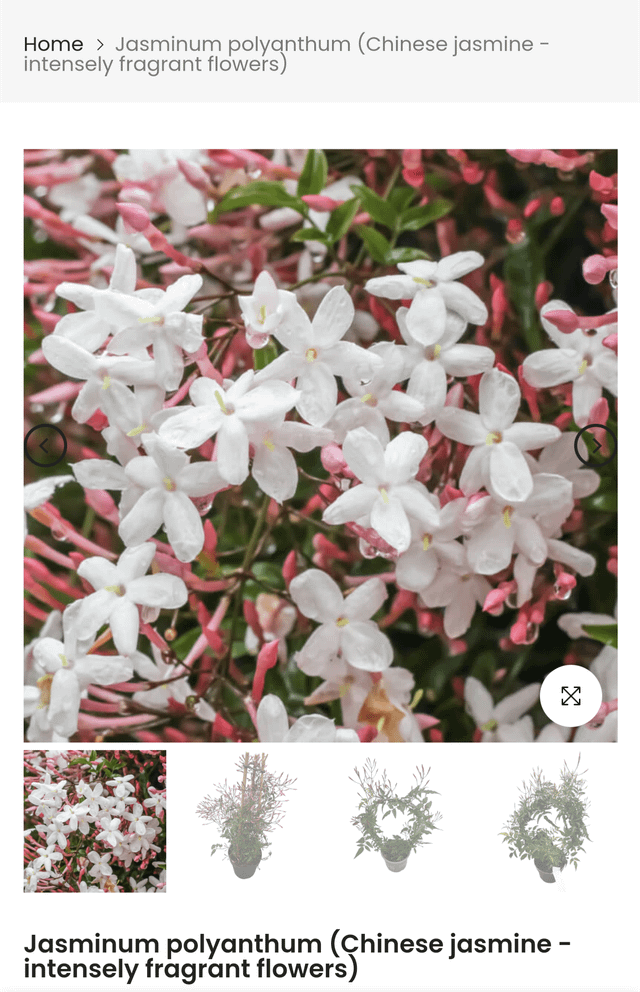
Are you worried that your beautiful jasmine vine might not make it through the cold weather? You’re not alone.
Many gardeners wonder if this delicate plant can survive the chill and keep blooming year after year. Knowing how to protect your jasmine vine can make all the difference between a vibrant garden and a withered one. Keep reading to discover simple, effective tips that will help your jasmine vine thrive—even when temperatures drop.
Your garden deserves it.
Jasmine Vine Basics
Jasmine vines are a favorite among gardeners for their fragrant blossoms and delicate appearance. Understanding the basics of these plants helps you care for them better, especially if you’re curious about their ability to survive colder climates. Let’s look at what makes jasmine vines unique and what they need to thrive.
Types Of Jasmine Vines
There are several types of jasmine vines, each with its own characteristics. Some popular varieties include:
- Common Jasmine (Jasminum officinale):Known for its strong fragrance and white flowers, it can grow quite tall and is often used on trellises.
- Star Jasmine (Trachelospermum jasminoides):Technically not a true jasmine but widely called so, it has smaller, star-shaped flowers and glossy leaves.
- Winter Jasmine (Jasminum nudiflorum):Unique for blooming in winter with yellow flowers, it’s more cold-tolerant than other types.
Choosing the right type depends on your climate and the look you want in your garden. Have you noticed which jasmine grows best around your area?
Preferred Growing Conditions
Jasmine vines need specific conditions to flourish. They prefer well-draining soil and full to partial sunlight, which helps the flowers develop their best scent and color.
Temperature plays a big role too. Most jasmine vines thrive in warm environments but can struggle if temperatures drop below freezing. Providing some shelter or planting near a south-facing wall can help protect them during cold spells.
Watering is also key: jasmine likes regular moisture but hates soggy roots. Overwatering can cause root rot, so make sure your soil has good drainage.
Have you tried adjusting your jasmine’s location or watering schedule to improve its growth? Small changes like these often make a big difference.
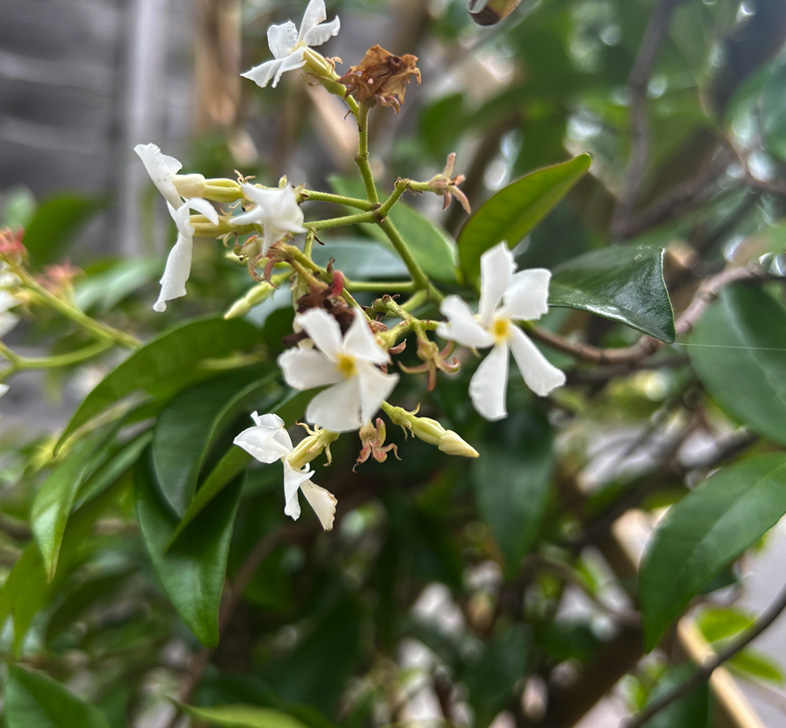
Credit: www.relentlessgardener.co.uk
Cold Weather Effects
Cold weather can be harsh on jasmine vines. These plants thrive in warm climates. Exposure to cold can slow their growth or cause damage. Knowing the effects of cold weather helps in protecting jasmine vines. Understanding frost risks and temperature limits is key to care.
Frost Damage Risks
Frost can harm jasmine vines quickly. Ice crystals form inside plant cells. This causes cells to burst and die. Leaves and stems turn black or brown. Frost damage can stunt growth or kill the vine. Young plants are more vulnerable. Even light frost can cause harm.
Temperature Thresholds
Jasmine vines start to suffer below 32°F (0°C). Prolonged exposure to temperatures under 20°F (-6°C) is deadly. The plant’s roots may survive mild cold but not severe freezes. Temperature drops at night are especially dangerous. Protecting jasmine during cold snaps is important for survival.
Protecting Jasmine Vine
Protecting your jasmine vine during cold weather is essential to keep it healthy and thriving. This delicate plant doesn’t like frost, so you need to take steps to shield it from harsh conditions. Understanding where to place your jasmine and how to use natural protection can make a big difference in its survival.
Indoor Vs Outdoor Placement
Deciding whether to keep your jasmine vine indoors or outdoors during cold months depends on your climate and space. If you live in an area with freezing temperatures, moving your jasmine inside is often the safest choice.
Place it near a bright window where it can get plenty of indirect sunlight. Avoid spots near heaters or drafts, as sudden temperature changes can stress the plant.
If you must leave it outside, choose a sheltered spot, like against a south-facing wall, which absorbs heat during the day. Think about how much winter sunlight your outdoor spot receives—jasmine loves light, but cold wind can be damaging.
Using Mulch And Covers
Mulching is a simple way to protect the roots of your jasmine vine from freezing temperatures. Use organic materials like straw, shredded leaves, or bark to create a thick layer around the base.
This insulation keeps the soil warmer and retains moisture, which jasmine needs even in winter. You can also use frost cloths or garden blankets to cover your plant on the coldest nights.
Remember to remove covers during the day if temperatures rise, so your jasmine can breathe and avoid mold. Have you ever tried layering mulch and covers together? It’s a powerful combo that can really boost your plant’s cold resistance.
Watering And Feeding In Cold
Watering and feeding jasmine vine during cold weather requires special care. The plant’s growth slows down, so its needs change. Overwatering can cause root problems. Feeding too much may harm the plant. Adjusting these practices helps jasmine vine stay healthy through winter.
Adjusting Watering Schedule
Cold weather reduces evaporation and slows plant growth. Jasmine vine needs less water during this time. Let the soil dry out between watering sessions. Water only when the top inch of soil feels dry. Avoid soggy soil to prevent root rot. Use room temperature water to avoid shock.
Fertilizer Tips For Winter
Jasmine vine requires less fertilizer in cold months. Stop feeding or reduce fertilizer to half strength. Use a balanced, slow-release fertilizer for gentle nutrition. Avoid high nitrogen fertilizers that encourage leaf growth. Fertilize only every 6 to 8 weeks to prevent stress. This helps the plant conserve energy and survive cold.
Pruning For Winter Health
Pruning Jasmine vine before winter helps protect the plant from cold stress. It encourages stronger growth and keeps the vine healthy. Proper pruning also shapes the plant and removes weak or dead branches. This care improves air flow and reduces the risk of disease during cold months.
Best Time To Prune
Prune Jasmine vine in late fall, just before winter arrives. This timing allows the plant to rest during the cold season. Avoid pruning in early fall or winter, as this can cause damage to the vine. Pruning too late may reduce flowering in spring.
Pruning Techniques
Use clean, sharp tools to make precise cuts. Remove dead, damaged, or weak stems first. Cut back long vines to about one-third of their length. Thin out crowded areas to improve air circulation.
- Cut just above a leaf node to encourage new growth.
- Avoid cutting into old, woody stems that do not produce leaves.
- Dispose of cuttings to prevent pests and diseases.
Regular pruning keeps Jasmine vine strong and ready for cold weather. It also helps the plant bloom beautifully after winter.
Common Winter Problems
Jasmine vine faces several challenges during winter. Cold weather stresses the plant, making it weaker and less able to fight off problems. Common winter issues include pests, diseases, wilting, and yellowing leaves. Understanding these problems helps keep jasmine healthy through the cold months.
Pest And Disease Management
Cold weather can increase pest activity on jasmine vines. Aphids, spider mites, and whiteflies often attack weakened plants. These pests suck sap and cause damage, leading to leaf drop and poor growth.
Diseases like powdery mildew and root rot also become more common. Poor air circulation and damp soil encourage fungal growth. Watch for white powdery spots or mushy roots as warning signs.
- Check plants regularly for pests and disease symptoms.
- Use insecticidal soap or neem oil for pest control.
- Remove infected leaves and improve air flow around the plant.
- Avoid overwatering to prevent root rot.
Dealing With Wilting And Yellowing
Wilting and yellowing leaves signal stress in jasmine vines during winter. Cold temperatures slow water uptake, causing leaves to droop. Yellow leaves may result from nutrient deficiency or root damage.
Proper watering is crucial. Water only when the top inch of soil feels dry. Avoid waterlogging, which harms roots and leads to yellowing.
Cold drafts and frost can cause leaf drop. Protect plants by moving pots indoors or covering outdoor vines with frost cloth.
Reviving After Cold Spells
Jasmine vine can struggle after cold weather but often recovers with care. Reviving it takes patience and attention. Knowing the signs helps you act at the right time. Supportive steps encourage fresh growth and bring the plant back to life.
Signs Of Recovery
- New green shoots emerging from stems
- Buds swelling and preparing to open
- Leaves regaining color and firmness
- Soft, flexible stems replacing brittle ones
- Reduction in leaf drop and stem dieback
Steps To Encourage New Growth
- Prune dead or damaged branches carefully
- Water the plant moderately, avoiding soggy soil
- Apply a balanced fertilizer to boost nutrients
- Move the plant to a warmer, sheltered spot
- Keep the soil loose and well-drained
- Check regularly for pests or disease signs
Credit: www.gardeningknowhow.com

Credit: medium.com
Frequently Asked Questions
Can Jasmine Vine Tolerate Frost?
Jasmine vine is sensitive to frost and may suffer damage. Protect it by covering with frost cloth. Consider moving potted jasmine indoors during extremely cold weather. Proper insulation and care can help the plant survive mild frost conditions.
How To Protect Jasmine Vine In Winter?
To protect jasmine vine in winter, mulch around the base. Use straw or leaves for insulation. Cover with a frost cloth during freezing temperatures. Water the plant occasionally to keep the roots moist. Avoid pruning in late fall to ensure better cold resistance.
Can Jasmine Vine Survive Snow?
Jasmine vine can struggle in snowy conditions. Heavy snow can damage branches. Brush off snow gently to prevent breakage. Ensure the root zone is insulated with mulch. Consider using windbreaks to protect against harsh winter winds.
Is Jasmine Vine Evergreen In Cold Climates?
In cold climates, jasmine vine may lose some leaves but can remain evergreen. Proper winter care, such as mulching and frost protection, helps maintain foliage. The degree of leaf retention depends on the specific variety and local climate conditions.
Conclusion
Jasmine vine faces challenges in cold weather but can survive with care. Protect it from frost and harsh winds. Mulch the roots to keep them warm. Bring potted jasmine indoors during freezing nights. Choose hardy varieties for better cold resistance.
Regular watering helps but avoid waterlogging. With simple steps, jasmine can bloom again in spring. Patience and attention make all the difference. Cold weather is tough, but not the end for jasmine vine. Keep trying, and enjoy its lovely flowers year after year.


