Have you ever wondered if your koi fish can survive when the water in their pond freezes? It’s a common concern for many koi owners as winter approaches.
You want to keep your colorful friends safe and healthy, but frozen water can seem like a big threat. The good news is, koi fish are tougher than you might think. You’ll discover how koi fish handle freezing temperatures, what really happens under the ice, and simple steps you can take to protect your fish during the cold months.
Keep reading to learn how to ensure your koi thrive, no matter how cold it gets outside.
Koi Fish Habitat Needs
Koi fish need the right environment to live well and grow healthy. Their habitat must meet certain conditions for temperature, oxygen, and water quality. These factors affect their survival and comfort. Understanding these needs helps keep koi fish safe, especially in cold weather.
Temperature Range
Koi fish prefer water temperatures between 59°F and 77°F (15°C to 25°C). They can survive in colder water but become less active. Below 50°F (10°C), koi enter a state similar to hibernation. Water that freezes solid is dangerous and can harm koi fish. Maintaining a stable temperature helps koi stay healthy.
Oxygen Requirements
Koi need plenty of oxygen in the water. Warmer water holds less oxygen, so aeration is vital. In winter, ice can block oxygen exchange, causing low oxygen levels. Pond owners should ensure air reaches the water through heaters or aerators. Without enough oxygen, koi fish can become stressed or die.
Water Quality Factors
Clean water is crucial for koi health. Pollutants and waste increase toxins. Ammonia and nitrite levels must stay near zero. pH should remain between 7.0 and 8.6 for koi comfort. Regular water tests and changes keep conditions safe. Good water quality supports koi immune systems and growth.

Credit: www.poposoapsolar.com
Effects Of Frozen Water On Koi
Frozen water presents serious challenges for koi fish, affecting their survival in multiple ways. Understanding these effects helps you provide better care during winter months. Let’s look closely at how frozen water impacts your koi’s health and safety.
Impact On Mobility
When water freezes, its temperature drops drastically, slowing down koi metabolism. Your fish become less active and their movements are sluggish. This reduced mobility means they cannot swim freely or escape potential threats.
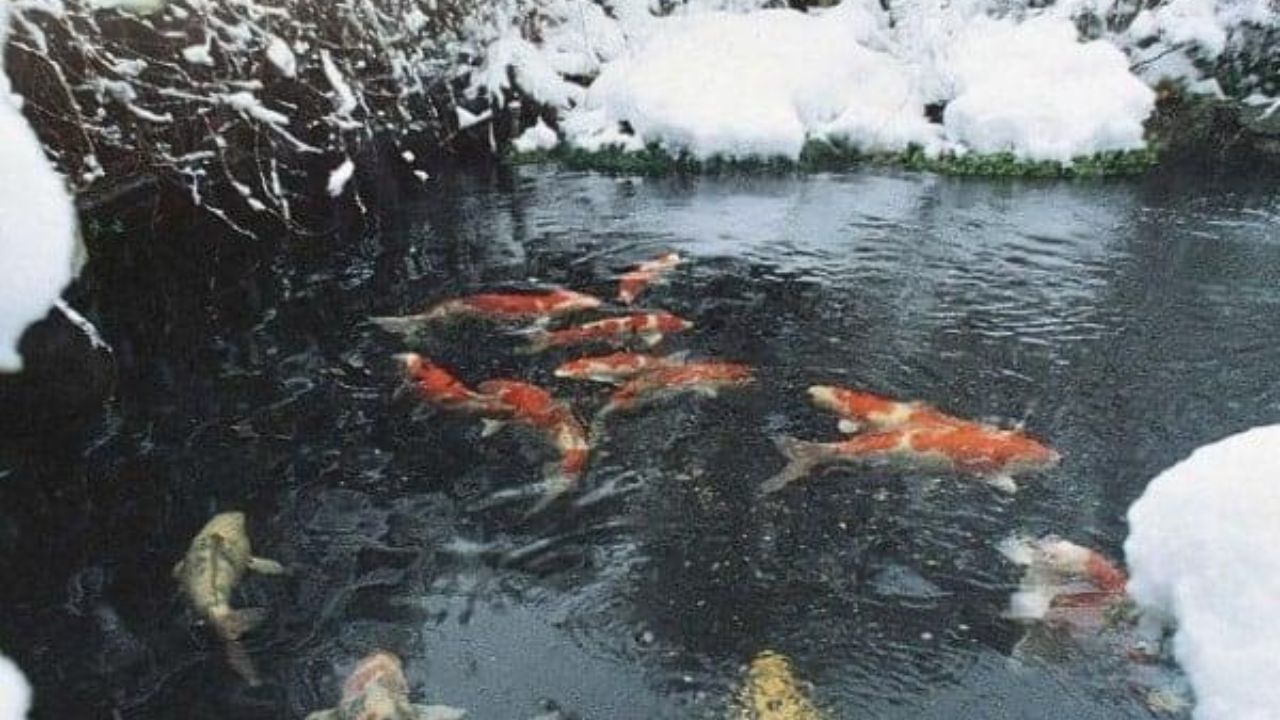
I once observed my koi barely moving beneath a thin ice layer. They looked almost frozen in place, which made me realize how critical it is to maintain some open water during cold spells. Have you noticed your koi slowing down in winter too?
Oxygen Availability Under Ice
Ice on the pond surface blocks oxygen exchange between air and water. This limits the oxygen available to koi, which can be dangerous if the ice cover lasts long. Without enough oxygen, koi can become stressed or even suffocate.
- Snow covering ice further reduces light and oxygen penetration.
- Stagnant water under thick ice lowers oxygen levels faster.
- Regularly breaking or thinning ice can help maintain oxygen flow.
Have you tried using aerators or heaters to keep areas ice-free? These tools can make a big difference in oxygen supply during freezing conditions.
Risks Of Ice Formation
Ice formation itself poses direct risks to koi. Sharp ice edges can injure their delicate fins and scales. Also, sudden freezing can trap fish near the surface, increasing vulnerability.
Ice can also damage pond equipment like filters and pumps, disrupting the water environment your koi depend on. Protecting your pond with floating devices or pond heaters can reduce these risks.
What steps have you taken to protect your koi from ice damage? Sharing your experience might help others facing similar challenges.
Koi Fish Adaptations For Cold
Koi fish have special ways to survive cold winters and frozen water. Their bodies and behaviors change to handle low temperatures. These adaptations keep them alive until spring returns. Understanding these changes helps koi owners protect their fish during cold months.
Metabolic Slowdown
Koi fish lower their metabolism in cold water. This means they use less energy. Their heart rate and breathing slow down. They need less food and move less. This helps them survive with limited oxygen and food supply.
Behavioral Changes In Winter
Koi become less active in winter. They stay near the bottom of the pond. They stop eating or eat very little. They rest more and swim slowly. This reduces energy use and stress from cold water.
Use Of Deep Water Zones
Koi move to deeper parts of the pond. Deep water stays warmer than surface water. It also has more oxygen. This zone protects koi from freezing temperatures and ice. It gives them a safer place to wait out winter.

Credit: www.poposoapsolar.com
Winter Pond Management
Winter pond management is essential to help your koi fish survive through freezing temperatures. Without proper care, frozen water can trap harmful gases and reduce oxygen levels, threatening your fish’s life. Taking active steps to maintain a healthy pond environment can make a big difference during the cold months.
Maintaining Open Water Areas
Keeping a section of your pond free from ice is crucial. Open water allows oxygen to enter and toxic gases to escape. You can use a floating de-icer or a pond heater to prevent the surface from freezing completely.
Have you noticed how koi tend to gather near open water spots in winter? This behavior shows their need for oxygen and breathing room. Ensuring these areas stay clear can reduce stress and improve their chances of survival.
Aeration Techniques
Aeration helps maintain oxygen levels under the ice when temperatures drop. Installing an air pump with a diffuser can keep water moving and oxygenated. Even a small bubbler can make a significant difference in preventing oxygen depletion.
Consider placing aerators near deeper parts of the pond where koi often stay during winter. This setup helps oxygen reach the lower water layers where fish are more vulnerable. Have you tried adjusting aeration based on your pond’s size and depth?
Temperature Control Methods
Controlling pond temperature isn’t about keeping it warm but preventing extreme freezing. Using pond heaters or heat lamps can help maintain a stable environment. Avoid sudden temperature changes, as koi are sensitive to rapid shifts.
Insulating pond edges with straw or foam can also reduce heat loss. This simple step slows the freezing process and protects your fish’s habitat. What temperature range do you monitor to keep your koi comfortable during winter?
Signs Of Koi Stress In Cold Conditions
Koi fish can face serious stress in cold water environments. Recognizing signs of stress is important for their care. Stress can harm their health and make them vulnerable to disease. Watch closely for changes in activity, appearance, and behavior. Early detection helps to protect koi in freezing conditions.
Reduced Activity Levels
Koi often swim less in cold water. They may stay near the bottom of the pond. Movement slows as their metabolism drops. Watch for koi that stay still for long periods. Lack of activity can indicate they are stressed by cold.
Physical Symptoms
Look for changes in koi’s body and skin. Pale or dull colors can show stress. Fins may clamped tightly against the body. Skin might appear slimy or have patches. Swollen or red areas also point to cold stress. These signs show the fish are struggling to cope.
Behavioral Indicators
Stress can change how koi act. They may isolate themselves from other fish. Erratic swimming or gasping at the surface can happen. Some koi refuse to eat in cold conditions. Changes in normal behavior are key signals. These behaviors help identify cold stress early.
Preventing Koi Freezing Risks
Keeping your koi fish safe during freezing conditions requires more than just hope. You must actively prevent the pond from freezing solid to protect your koi’s health. Understanding the right techniques to reduce freezing risks can save your fish from the dangers of icy water.
Proper Pond Design
Design your pond with depth in mind; deeper ponds are less likely to freeze completely. Aim for at least 3 feet of depth so koi can swim below the ice layer where the water stays warmer. Adding natural elements like rocks and aquatic plants can also help insulate the pond.
Consider the pond’s shape and location. A round or oval pond reduces ice buildup compared to square shapes with sharp corners. Position your pond where it gets sunlight during winter, but avoid areas prone to heavy wind that speeds up freezing.
Use Of Heaters And Deicers
Heaters are essential tools to keep the water temperature stable. Submersible pond heaters prevent the water from reaching freezing point, ensuring koi remain comfortable. You don’t need to heat the entire pond; just maintaining an opening in the ice for gas exchange is enough.
Deicers float on the water surface to stop ice from forming. They are energy-efficient and easy to use. However, it’s important to choose the right size for your pond to maintain a safe open area all winter long.
Regular Monitoring Practices
Check your pond daily during freezing weather. Look for ice formation and make sure heaters and deicers are working properly. Even a small crack in the ice can trap harmful gases and endanger your koi.
Use a pond thermometer to track water temperature consistently. Don’t wait until the ice forms to take action—early intervention can prevent serious problems. How often do you inspect your pond during cold snaps?

Credit: www.poposoapsolar.com
Frequently Asked Questions
Can Koi Fish Live In Cold Water?
Yes, koi fish can survive in cold water. They are hardy fish that tolerate temperatures as low as 34°F (1°C). However, they need a deep pond to prevent freezing solid. Proper aeration and regular monitoring ensure their survival during winter months.
How Do Koi Fish Survive Winter?
Koi fish enter a state of dormancy in winter. Their metabolism slows down, allowing them to survive with less food. They require minimal feeding and need oxygenated water. A pond heater or de-icer can help maintain a small area of unfrozen water for oxygen exchange.
Do Koi Fish Need A Heater In Winter?
Koi fish don’t necessarily need a heater but it can be beneficial. A pond heater helps maintain a small ice-free area, ensuring proper oxygen exchange. This is crucial for their survival in extremely cold temperatures. Proper aeration and a deep pond also aid in their winter survival.
What Depth Should A Koi Pond Be For Winter?
A koi pond should be at least 3 feet deep for winter survival. This depth prevents the pond from freezing completely, providing a safe space for koi. Deeper ponds offer more stable temperatures and better protection against harsh winter conditions, ensuring the fish remain healthy.
Conclusion
Koi fish can survive in cold water, but frozen ponds are risky. They need enough oxygen and some open water to breathe. Ice covering the pond can trap harmful gases and reduce oxygen. Owners should take steps to keep water moving or break the ice gently.
Proper care helps koi stay healthy through winter. Cold does not always mean danger, but attention is key. Keep koi safe and enjoy their beauty year-round.