Have you ever wondered how long your dog can survive without food or water? It’s a scary thought, but knowing the answer could save your pet’s life.
Dogs rely on regular meals and water to stay healthy and strong. When those essentials are missing, their bodies start to struggle fast. You’ll discover exactly how long a dog can go without food and water, what signs to watch for, and what you should do if your dog stops eating or drinking.
Keep reading—you might just find the information that could make all the difference for your furry friend.

Credit: www.becopets.com
Survival Without Food
Understanding how long a dog can survive without food is crucial for any pet owner. Food provides the energy and nutrients your dog needs to stay healthy and active. But how long can your furry friend really go without eating before it becomes dangerous?
Average Duration Dogs Can Go Without Food
Generally, healthy dogs can survive without food for about 3 to 5 days. Some dogs may last up to a week, depending on their body fat and overall health. However, this doesn’t mean you should ever let your dog reach this point.
During this time, your dog’s body starts using stored fat and muscle to keep functioning. But the longer the deprivation, the greater the risk of organ damage. Have you noticed how your dog behaves when it skips meals? Pay close attention—it could be a warning sign.
Factors Affecting Food Deprivation
- Age:Puppies and older dogs have less fat reserve and weaker immune systems, making them more vulnerable.
- Health status:Dogs with illnesses or chronic conditions can suffer more quickly.
- Hydration:Access to water can extend survival time even when food is unavailable.
- Breed and size:Larger dogs with more fat stores may last longer than smaller, leaner breeds.
Your dog’s unique situation determines how it copes without food. If your dog refuses to eat, consider these factors before deciding what to do next.
Signs Of Starvation In Dogs
Recognizing starvation early can save your dog’s life. Look for these signs:
- Rapid weight loss and visible ribs
- Weakness and lethargy
- Sunken eyes and dry gums
- Loss of muscle mass and poor coat condition
- Behavioral changes like irritability or depression
Have you ever noticed your dog becoming unusually quiet or refusing to move? These could be subtle hints that hunger is affecting their health deeply. If you see these signs, seek veterinary help immediately.
Survival Without Water
Water is essential for your dog’s survival, even more critical than food. Without water, a dog’s body starts to shut down quickly because water supports every vital function. Understanding how long your dog can survive without water, the effects of dehydration, and the signs to watch for can help you act fast in an emergency.
How Long Dogs Can Last Without Water
Dogs can survive only about 3 to 5 days without water, depending on their size, age, and health. Smaller dogs and puppies are at higher risk because they have less body reserve. Hot weather or physical activity can shorten this time significantly.
Think about a time you forgot to bring water on a long walk with your dog. Even a few hours without hydration made them tired and irritable. This shows just how quickly dehydration can affect them.
Impact Of Dehydration On Dogs
Dehydration disrupts your dog’s blood circulation, kidney function, and temperature regulation. Without enough water, toxins build up in their system, causing serious damage. The heart has to work harder, and organs begin to fail.
Dogs don’t always show early signs, but dehydration can lead to weakness, confusion, and eventually collapse. You might notice your dog panting excessively or refusing to move.
Symptoms Of Severe Dehydration
- Dry, sticky gums and sunken eyes
- Loss of skin elasticity – skin stays tented when pinched
- Rapid heartbeat and breathing
- Lethargy or unresponsiveness
- Dark yellow or strong-smelling urine
If you spot these symptoms, your dog needs water and veterinary care immediately. Waiting too long can be life-threatening.
Are you confident you could recognize dehydration in your dog before it becomes severe? Keeping fresh water available and watching your dog’s behavior can save their life.
Health Risks And Complications
A dog’s body needs food and water to function properly. Lack of these essentials triggers serious health risks. These dangers worsen the longer the dog goes without food or water. Understanding these risks helps in recognizing emergencies quickly.
Effects Of Prolonged Starvation
Starvation causes the body to use stored fat and muscle for energy. This leads to rapid weight loss and muscle weakness. The dog’s immune system weakens, increasing infection risk. Lack of nutrients also affects the skin, coat, and organ function.
Consequences Of Extended Dehydration
Dehydration lowers blood volume and pressure, stressing the heart. The dog may become lethargic and confused. Without water, the body cannot regulate temperature well. Dehydration also causes dry gums and sunken eyes, signs of severe distress.
Long-term Damage To Organs
Organs like the liver, kidneys, and heart suffer serious damage. Starvation and dehydration reduce blood flow to these organs. This damage can become permanent if not treated quickly. Organ failure is often fatal without immediate care.
Emergency Care Tips
Knowing how to act quickly and correctly when your dog is starving or dehydrated can save their life. Emergency care isn’t just about rushing to the vet—it’s about understanding what immediate steps you can take at home to stabilize your furry friend. Here are some crucial tips to help you provide effective emergency care.
Immediate Actions When A Dog Is Starving Or Dehydrated
If you notice your dog showing signs of severe hunger or dehydration, the first thing you should do is assess their condition calmly. Look for symptoms like lethargy, sunken eyes, dry gums, or weakness. These signs indicate your dog needs urgent attention.
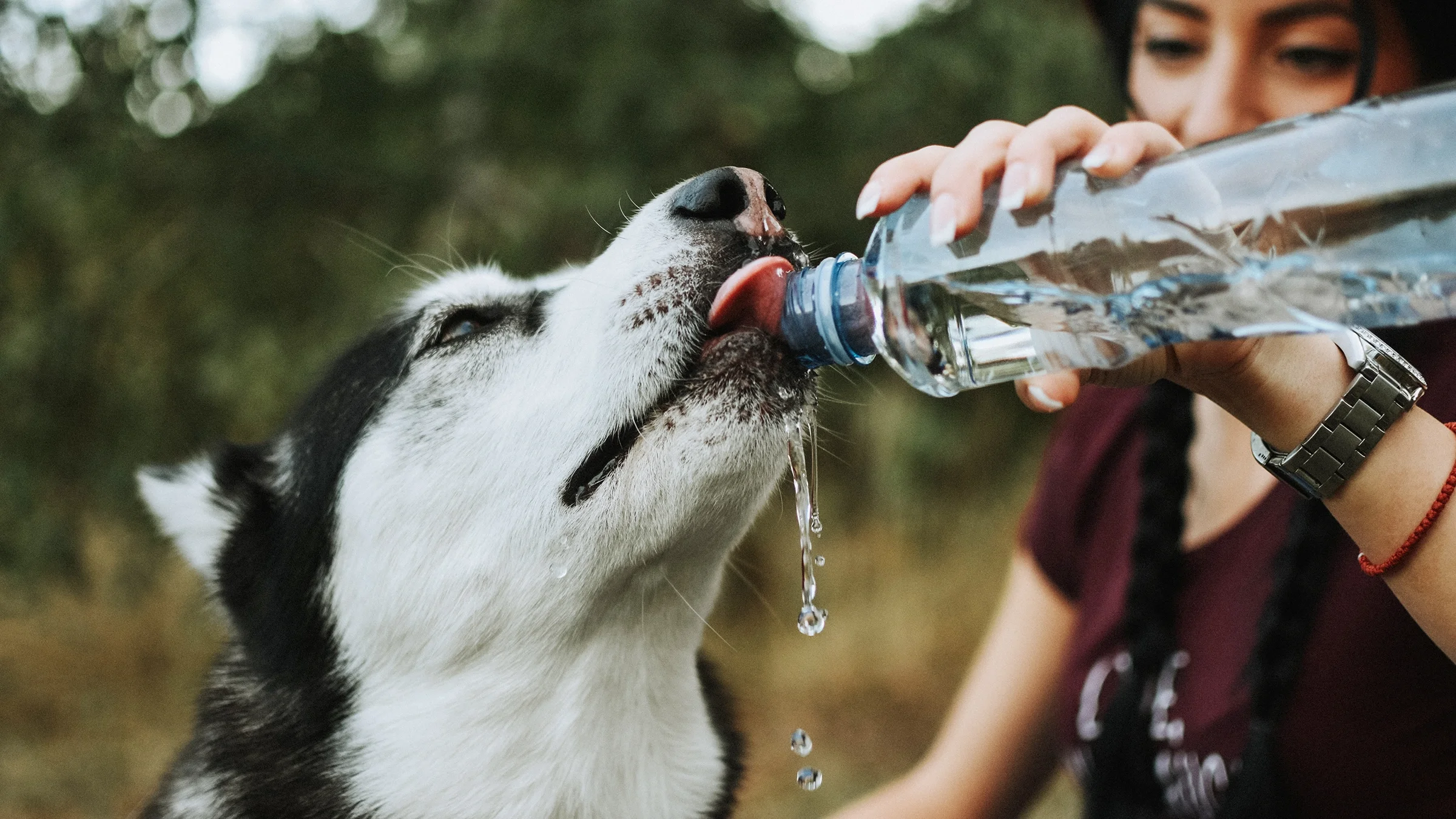
Offer small amounts of water right away, but don’t force it. Drinking too much too quickly can cause vomiting, which worsens dehydration. Keep your dog in a cool, shaded area to prevent heat stress.
Safe Rehydration And Feeding Methods
Rehydration should be gradual. Start by giving your dog small sips of water or an electrolyte solution made for pets. Avoid sugary drinks or human sports drinks as they can upset your dog’s stomach.
When it comes to feeding, start with bland, easy-to-digest foods like boiled chicken and rice in small portions. Overfeeding immediately after starvation can cause serious digestive problems. Watch your dog closely for any signs of discomfort or vomiting.
When To Seek Veterinary Help
Ask yourself: Is my dog responsive and able to drink and eat slowly? If not, or if symptoms worsen, it’s time to get professional help immediately. Prolonged starvation or dehydration can cause organ failure and requires medical treatment.
Never wait too long to call your vet, especially if your dog is vomiting, collapsing, or unresponsive. Emergency vets can provide IV fluids and medications that you simply can’t replicate at home.
Preventing Food And Water Deprivation
Preventing food and water deprivation is essential for your dog’s health and happiness. Dogs rely on you to provide steady access to nourishment and hydration every day. Missing just a meal or water for too long can quickly lead to serious health problems.
Ensuring Consistent Access To Food And Water
Always keep fresh water available in a clean bowl. Check it several times a day, especially in hot weather when your dog needs more hydration.
Feed your dog on a regular schedule. This helps prevent accidental skipped meals and keeps their digestive system steady.
Think about your dog’s daily routine. Does their food and water bowl stay in a safe, reachable spot? Moving these to a quiet corner can reduce stress and make eating easier.
Recognizing Early Warning Signs
Watch for changes like lethargy, dry gums, or unusual panting. These might indicate dehydration or hunger before the situation becomes critical.
If your dog suddenly refuses food or water, don’t wait to see if they’ll eat later. Take action quickly by offering favorite treats or consulting a vet.
Have you noticed your pet drinking less or avoiding their bowl? This could be a subtle sign of illness or discomfort that needs attention.
Creating A Safe Environment For Pets
Make sure your dog’s eating area is free from hazards like toxic plants or sharp objects. Safety encourages calm and stress-free feeding.
Limit distractions during feeding times. Loud noises or other pets can make your dog nervous and skip meals.
Consider placing multiple water stations if you have a large home or multiple pets. This prevents competition and ensures everyone stays hydrated.
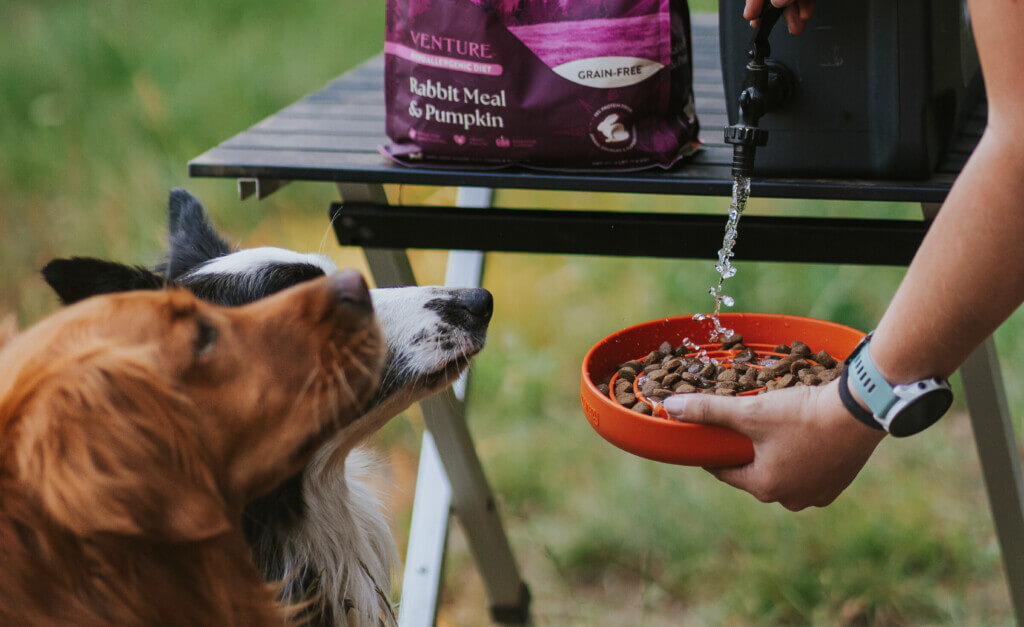
Credit: www.earthbornholisticpetfood.com
Credit: www.goodrx.com
Frequently Asked Questions
How Long Can Dogs Last Without Food?
Dogs can survive without food for about 3 to 5 days. However, this varies based on the dog’s health and age. While some may last longer, it’s crucial to consult a vet if your dog isn’t eating. Prolonged fasting can lead to serious health issues.
Can A Dog Survive Without Water For A Week?
No, dogs cannot survive without water for a week. They can only last about 2 to 3 days without water. Hydration is vital for their health, and lack of water can lead to severe dehydration and organ failure. Always ensure your dog has access to fresh water.
What Factors Affect A Dog’s Survival Without Food?
Several factors affect a dog’s survival without food, including age, health, and size. Younger, healthier dogs might endure longer without food compared to older or sick dogs. Stress and environmental conditions can also influence their ability to survive without eating.
How Can I Tell If My Dog Is Dehydrated?
Signs of dehydration in dogs include dry gums, lethargy, and loss of skin elasticity. Check your dog’s gums for moisture and color. If they appear dry or pale, it may indicate dehydration. Also, gently pinch their skin; if it doesn’t snap back quickly, seek veterinary care.
Conclusion
Dogs need food and water to stay healthy and live long. Without water, they can only survive a few days. Food alone cannot keep them alive for long. Always watch your dog’s eating and drinking habits closely. Act fast if they stop eating or drinking.
Quick help can save your dog’s life. Remember, good care means regular food and fresh water every day. Keep your dog safe and happy with simple daily care. Their health depends on it.