When an emergency strikes, having the right food stored can make all the difference for you and your loved ones. But what types of food should you keep on hand to stay safe, healthy, and comfortable?
Choosing the best emergency food isn’t just about filling your pantry—it’s about preparing smartly for unpredictable situations. You’ll discover exactly which foods you should store, why they matter, and how they can help you stay strong when it counts the most.
Keep reading to make sure your emergency food supply is ready for anything.
Non-perishable Staples
Non-perishable staples form the backbone of any emergency food supply. These foods can last for months or even years without refrigeration, making them reliable when fresh options are unavailable. Choosing the right staples ensures you have the nutrients and energy to stay strong during tough times.
Canned Vegetables And Fruits
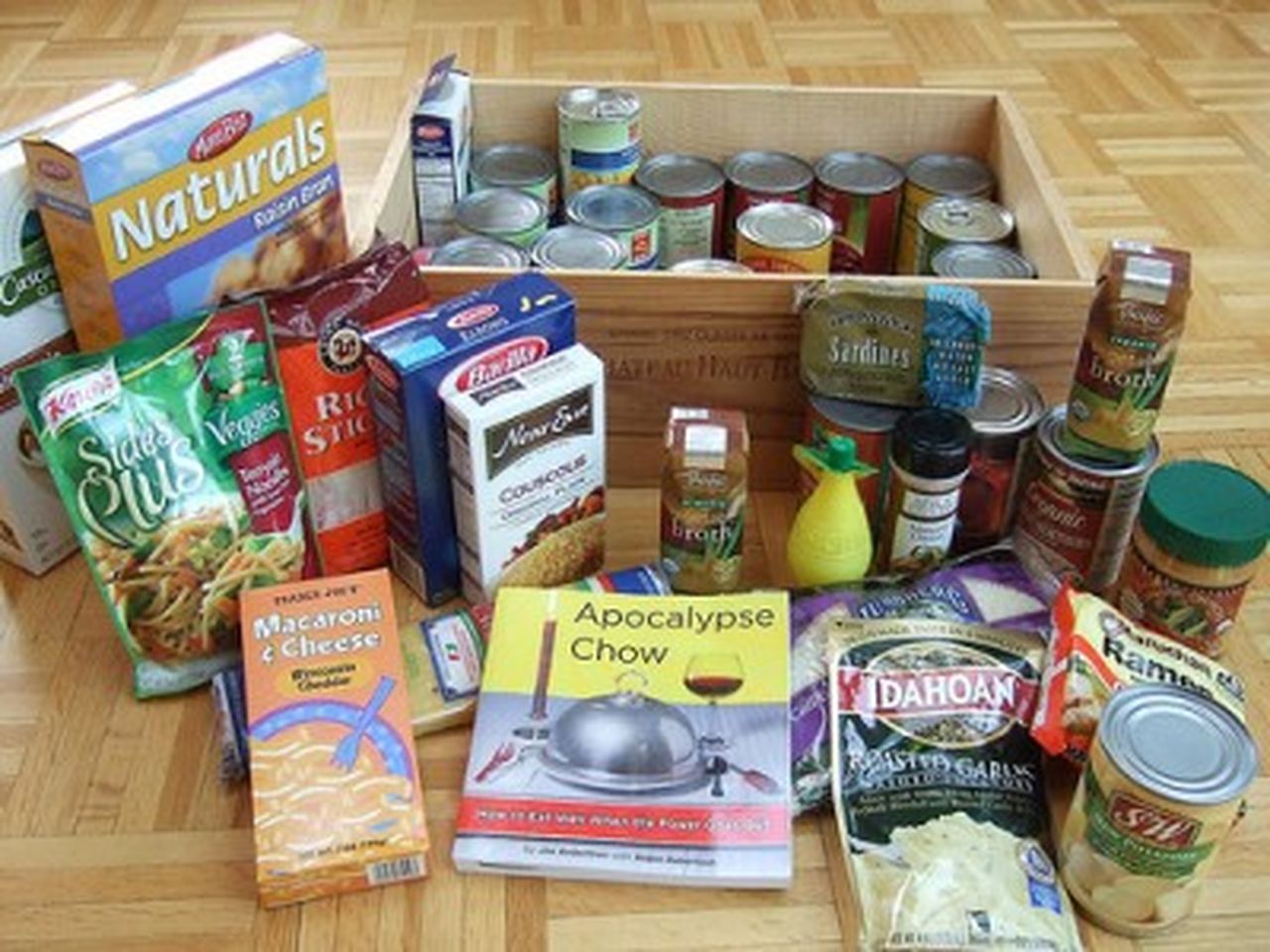
Canned vegetables and fruits are convenient and packed with essential vitamins. You don’t have to worry about them spoiling quickly, so they’re perfect for long-term storage. Keep a variety of options like green beans, corn, peaches, and pineapple to add flavor and nutrients to your meals.
Check the labels for added sugars or salt, especially in fruits. Opt for low-sodium or no-salt-added versions when possible. Have you ever tasted canned peaches straight from the can? Their natural sweetness can be a real comfort during emergencies.
Dry Grains And Legumes
Dry grains such as rice, oats, and quinoa are excellent sources of energy. They store well and can be cooked in many ways. Combine them with legumes like lentils, beans, or chickpeas to create balanced meals rich in protein and fiber.
Buying in bulk can save money and reduce packaging waste. Store grains and legumes in airtight containers to keep pests out. Think about how many meals you can make with just rice and beans—they’re simple, filling, and versatile.
Powdered And Shelf-stable Dairy
Powdered milk, evaporated milk, and shelf-stable cheese offer dairy nutrients without the need for refrigeration. Powdered milk is easy to rehydrate and can be added to recipes or drinks. Shelf-stable cheese comes in sealed packages that can last months unopened.
These options are especially useful if fresh dairy isn’t available. Remember to rotate your stock by using the oldest products first. Do you know how to make a quick cheese sauce with shelf-stable cheese? It can turn basic grains into a comforting meal.
High-energy Foods
High-energy foods are vital for emergency food storage. They provide the body with essential calories to maintain strength and focus. Choosing the right high-energy foods ensures long-lasting energy during tough times. These foods usually have a good balance of fats, proteins, and carbohydrates. They are easy to store and have a long shelf life.
Nuts And Seeds
Nuts and seeds are rich in healthy fats and proteins. They provide quick energy and keep hunger at bay. Examples include almonds, walnuts, sunflower seeds, and pumpkin seeds. These foods also contain vitamins and minerals important for health. Store them in airtight containers to keep them fresh. They are lightweight and perfect for emergency kits.
Energy Bars And Trail Mix
Energy bars offer a compact source of calories and nutrients. They combine carbohydrates, fats, and proteins for balanced energy. Trail mix mixes nuts, seeds, and dried fruits for variety and taste. Both are easy to carry and do not require cooking. Look for bars and mixes with minimal added sugar and preservatives. They help maintain energy levels during physical activity or stress.
Peanut Butter And Nut Butters
Peanut butter and other nut butters are calorie-dense and filling. They contain healthy fats and protein that sustain energy for hours. Nut butters can be eaten alone or spread on crackers and bread. Choose varieties with no added sugar or hydrogenated oils. These foods have a long shelf life when sealed properly. They are versatile and loved by most people.
Protein Sources
Protein is vital for health during emergencies. It helps repair tissues and supports the immune system. Store a variety of protein sources to meet your nutritional needs. Choose options that last long and are easy to prepare.
Canned Meats And Fish
Canned meats and fish are convenient protein sources. They include chicken, beef, tuna, and salmon. These items have a long shelf life and require no refrigeration. Rich in protein and healthy fats, they keep well sealed. Perfect for quick meals without cooking.
Dried And Canned Beans
Beans provide plant-based protein and fiber. Dried beans need soaking and cooking but last for years. Canned beans are ready to eat and save time. Both types offer essential nutrients and energy. Store a mix of kidney, black, and chickpeas for variety.
Protein Powders And Supplements
Protein powders are lightweight and easy to store. They come in whey, soy, and pea protein varieties. Mix with water or milk for a quick protein boost. Supplements can help meet daily protein needs during emergencies. Choose powders with simple ingredients and no added sugar.

Credit: www.nytimes.com
Ready-to-eat Meals
Ready-to-eat meals are essential when preparing for emergencies. They save you time, require minimal or no cooking, and provide necessary nutrition during stressful times. Choosing the right types can make a big difference in your comfort and energy levels when access to fresh food is limited.
Freeze-dried And Dehydrated Foods
Freeze-dried and dehydrated foods keep well for years without refrigeration. They retain most of their nutrients and taste once rehydrated with water. Think dried fruits, vegetables, and even full meals like pasta or stews.
These foods are lightweight and easy to store, making them great for small spaces. Have you checked the rehydration instructions? It’s important to know how much water you’ll need to prepare each meal.
Mres And Military Rations
Meals Ready to Eat (MREs) are designed for soldiers in the field, so they’re highly durable and calorie-dense. They usually come with multiple components, like an entrée, side dish, dessert, and even a flameless heater.
Though not gourmet, MREs are reliable and require no cooking, which is perfect when you have no power. Have you considered how MREs could cover your nutritional needs during an extended outage?
Instant Soups And Noodles
Instant soups and noodles offer quick, comforting options that only need hot water. They come in many flavors and can provide warmth and hydration when you feel low.
While they are convenient, be mindful of their sodium content. Balancing these with other emergency foods will keep your diet healthier during tough times.
Comfort And Specialty Foods
Comfort and specialty foods play a crucial role in emergency food storage. They provide not only nourishment but also a sense of normalcy and emotional relief during stressful times. Including these items in your stockpile can help maintain morale and improve overall well-being when access to fresh foods is limited.
Sweeteners And Spices
Sweeteners like sugar, honey, and maple syrup are essential for adding flavor and energy to your meals. They can also be used to preserve fruits or make simple treats that lift your spirits.
Spices such as salt, pepper, cinnamon, and garlic powder enhance the taste of basic ingredients. They make bland emergency meals more enjoyable and can even have antimicrobial properties. Think about the spices you use daily and try to keep a small variety on hand.
Coffee, Tea, And Beverages
For many, a warm cup of coffee or tea is a comforting ritual. Storing instant coffee, tea bags, or ground coffee ensures you won’t miss this small pleasure. These beverages can also provide caffeine, which helps maintain alertness during tough situations.
Don’t forget powdered drink mixes or electrolyte packets to stay hydrated and balanced. Having a variety of beverages caters to different tastes and helps avoid monotony in your emergency diet.
Special Diet Considerations
If you or your family members follow special diets, storing appropriate comfort foods is key. Gluten-free crackers, lactose-free milk powder, or vegan protein sources can make a big difference in maintaining health and happiness.
Allergies require careful planning—label your stored specialty foods clearly to avoid confusion. What comfort food do you rely on most? Make sure it’s part of your emergency stash to keep your spirits up when you need it most.

Credit: backpackerspantry.com
Water And Hydration
Water is the most critical resource to store for any emergency. Without enough hydration, your body can’t function properly, and even mild dehydration can cause headaches, dizziness, and fatigue. Preparing your water supply thoughtfully ensures you stay healthy and alert when help might be hours or days away.
Bottled Water Storage
Storing bottled water is a straightforward way to ensure you have a clean supply on hand. Choose water bottles made from food-grade plastic or glass, and keep them in a cool, dark place away from chemicals and sunlight.
Pay attention to expiration dates and rotate your stock every six months to keep the water fresh. If space is limited, consider stacking smaller bottles or storing large containers like 5-gallon jugs that can be refilled and purified as needed.
Water Purification Methods
You might not always have access to bottled water, so knowing how to purify water is essential. Boiling water for at least one minute kills most pathogens, making it safe to drink.
Other options include water purification tablets or filters designed to remove bacteria and protozoa. Think about carrying a portable filter or tablets if you plan to evacuate or spend time outdoors during an emergency.
Electrolyte Solutions
Drinking plain water alone might not be enough, especially if you’re sweating or ill. Electrolytes like sodium, potassium, and magnesium help your body retain fluids and maintain muscle function.
Keep electrolyte powder or ready-made solutions in your emergency kit. You can also make a simple homemade solution by mixing water, salt, and sugar to help prevent dehydration and keep your energy up.
Storage Tips And Rotation
Proper storage and rotation of emergency food supplies are essential to ensure your stock remains safe and usable when you need it most. Without the right conditions and a good system, food can spoil or lose nutritional value, wasting your effort and resources. Let’s look at how you can keep your emergency food fresh and ready through smart storage practices.
Optimal Storage Conditions
Keep your food in a cool, dry, and dark place. Temperatures between 50°F and 70°F (10°C to 21°C) are ideal to slow down spoilage. Avoid areas with high humidity, as moisture can cause mold and bacteria growth.
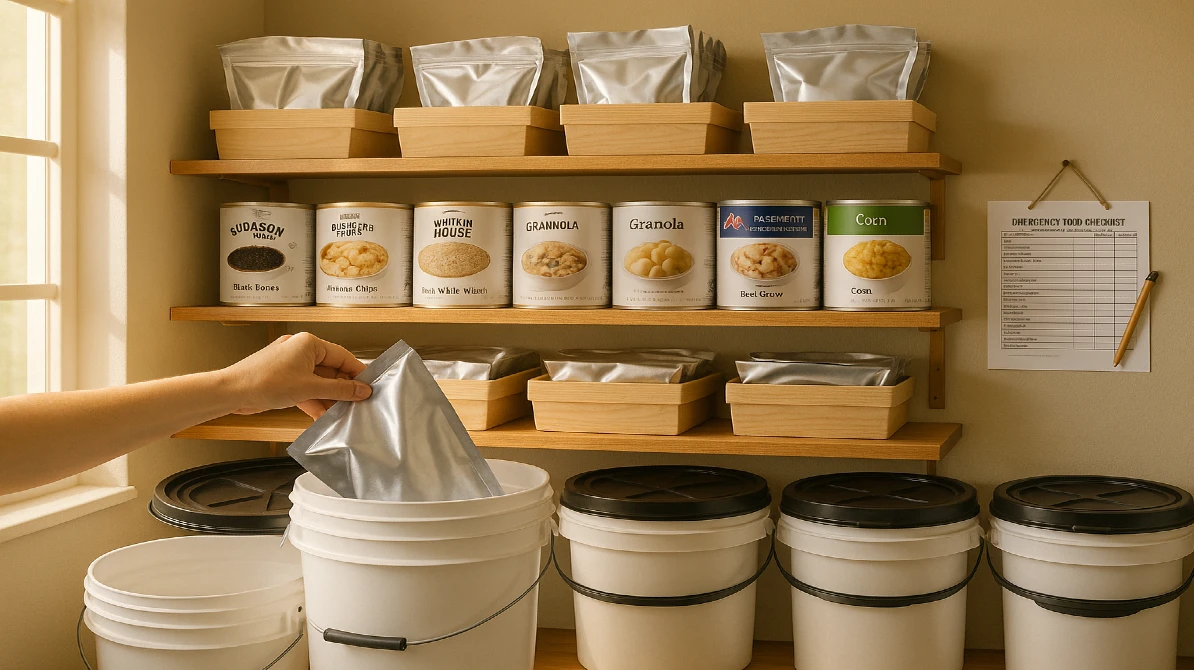
Use airtight containers to protect food from air, pests, and moisture. Glass jars with sealed lids or heavy-duty plastic containers work well. Also, consider vacuum-sealing items like grains and dried fruits to extend their shelf life.
Shelf Life And Expiry Monitoring
Track the shelf life of every item in your emergency food supply. Write the purchase or packing date clearly on each container or package. This simple step helps you spot when food is nearing its expiry.
Don’t rely solely on “best by” dates; assess the food’s appearance, smell, and texture regularly. If something looks off or smells strange, it’s safer to discard it. Have you ever found canned goods that looked fine but tasted odd? That’s a sign the food was past its prime.
First In, First Out System
Use the “First In, First Out” (FIFO) method to rotate your food stock. This means you consume the oldest items first and add new purchases behind them. It prevents food from sitting unused for too long.
Label shelves or storage bins clearly with dates to make rotation easier. Regularly check your inventory, at least every six months, and plan meals around items that need to be used soon. This approach keeps your emergency food fresh and reduces waste.

Credit: www.forbes.com
Frequently Asked Questions
What Food Lasts Longest For Emergencies?
Canned goods, dried beans, and rice are excellent long-lasting options. Canned vegetables, fruits, and meats remain stable for years. Dried pasta and grains have an extended shelf life, making them ideal for emergencies. Always store them in a cool, dry place to maximize their longevity.
How Much Food Should I Store For Emergencies?
Store at least a two-week supply of non-perishable food. This amount ensures you have enough during short-term emergencies. Consider family size and dietary needs when planning. Rotate stored food every six months to maintain freshness and ensure readiness.
Which Foods Are Nutritious For Emergencies?
Canned beans, nuts, and whole grains provide essential nutrients. Dried fruits and canned vegetables offer vitamins and fiber. Protein-rich foods like canned meats and peanut butter are also crucial. Prioritize balanced nutrition to maintain energy and health during emergencies.
Is Water Essential In An Emergency Food Supply?
Yes, water is crucial for survival and food preparation. Store at least one gallon per person daily. Ensure you have a reliable purification method. Water is vital for hydration, cooking, and sanitation. Regularly check and replace stored water to maintain its quality.
Conclusion
Storing the right food keeps you safe during emergencies. Choose items that last long and provide good nutrition. Think about water, canned goods, and dry foods. Don’t forget snacks and comfort items too. Rotate your stock regularly to keep it fresh.
Planning ahead reduces stress when disaster strikes. Stay prepared, stay calm, and protect your family. Simple steps make a big difference in tough times.