Have you ever wondered why you shouldn’t just toss your emergency food into storage and forget about it? It sounds simple—store it, and it will be ready when you need it.
But the truth is, putting emergency food in storage without the right care can turn your lifesaver into a disappointment. If you want to make sure your emergency supplies stay fresh, safe, and truly helpful when disaster strikes, you need to know what can go wrong and how to avoid it.
Keep reading to discover why storing emergency food the wrong way can backfire—and how you can protect your family’s safety with smart storage habits.
Common Myths About Emergency Food Storage
Many people have strong opinions about storing emergency food, but not all of them are based on facts. Misunderstandings about how long food lasts, how it spoils, and the importance of storage conditions can lead to wasted supplies or unsafe eating options. Let’s clear up some common myths that might be holding you back from properly preparing your emergency food storage.
Food Spoils Quickly In Storage
It’s a common fear that food stored for emergencies will go bad fast. Actually, many emergency foods, like freeze-dried meals and canned goods, are designed to last for years if stored correctly. The key is proper packaging and a stable environment, not just tossing items in a closet and forgetting them.
I once saw a friend throw out a whole box of canned beans after only a year because they thought they were expired. But those cans were perfectly safe to eat. Have you checked the expiration dates on your stored food lately?
All Foods Last Indefinitely
On the flip side, some people believe emergency food can last forever. This isn’t true. Even the best-packaged items degrade over time due to factors like oxygen, moisture, and temperature.
Grains and dehydrated foods can lose nutrients and flavor after a few years. Oils can turn rancid, and canned foods might bulge or corrode if left too long. It’s smart to rotate your stock and keep track of expiration dates to avoid nasty surprises.
Storage Conditions Don’t Matter
You might think that if the food is sealed, storage conditions don’t matter much. This is one of the biggest mistakes you can make. Heat, humidity, and light can all accelerate spoilage and degrade your emergency supplies.
For example, storing food in a hot garage or a damp basement can ruin even the longest-lasting items quickly. A cool, dark, and dry place helps extend shelf life significantly. Have you considered how your storage environment might be impacting your emergency food?
Factors Affecting Emergency Food Shelf Life
Emergency food storage isn’t just about choosing the right items. The shelf life of your emergency food depends heavily on several key factors. Understanding these can help you avoid spoilage and ensure your supplies remain safe and nutritious when you need them most.
Temperature And Humidity
Temperature plays a huge role in how long your emergency food lasts. Higher temperatures speed up food degradation and spoilage. Ideally, store your food in a cool, dry place below 75°F (24°C).
Humidity is another critical factor. Excess moisture can cause mold growth and damage packaging. Using a dehumidifier or airtight containers can help maintain the right environment.
Packaging Quality
Packaging acts as the first line of defense against environmental factors. Vacuum-sealed and oxygen-free packaging extends shelf life significantly by preventing air and moisture from entering.
Damaged or poor-quality packaging lets in air and bugs, leading to faster spoilage. Always inspect packaging before storing and consider repackaging if necessary.
Food Type And Preparation
Different foods have different shelf lives. Freeze-dried and dehydrated foods last longer than canned or fresh items. However, even these require proper storage conditions to maximize longevity.
The way food is prepared before packaging also matters. Foods with high oil content, for example, can go rancid quicker. Ask yourself: have you considered how your food’s ingredients affect its shelf life?
Proper Storage Techniques For Emergency Food
Proper storage techniques keep emergency food safe and fresh for long periods. Storing food correctly prevents spoilage and waste. It also ensures the food will be ready to use in an emergency.
Emergency food needs specific conditions to last well. Temperature, moisture, and light all affect food quality. Using the right containers and checking food regularly helps maintain its shelf life.
Optimal Storage Environments
Store emergency food in a cool, dry place. The ideal temperature is between 50°F and 70°F. Avoid areas with high heat, like near ovens or direct sunlight. Moisture can cause mold and spoilage. Keep food away from damp basements or garages. A dark environment helps preserve nutrients and taste.
Sealing And Packaging Tips
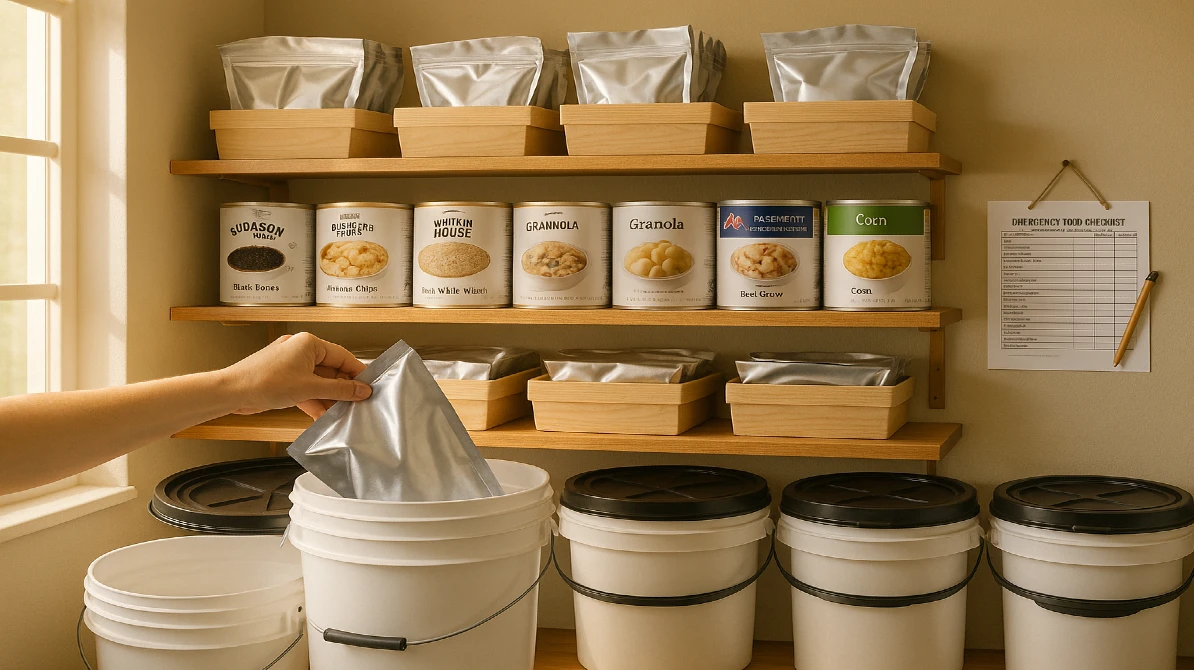
Use airtight containers to protect food from air and pests. Vacuum sealing removes oxygen and extends shelf life. Mylar bags with oxygen absorbers are great for long-term storage. Always label packages with the date and contents. Avoid damaged or torn packaging to prevent contamination.
Rotation And Inspection
Rotate your emergency food stock regularly to use the oldest items first. Check packages for signs of damage or leaks. Inspect food for unusual smells, colors, or textures. Replace expired or compromised items immediately. Keeping a food inventory list helps track expiration dates easily.

Credit: creators.yahoo.com
Common Mistakes In Emergency Food Storage
Storing emergency food correctly is vital for safety and usability. Many people make errors that can spoil their supplies or make them unsafe. These mistakes reduce the food’s shelf life and nutritional value. Avoiding common errors can keep your emergency food fresh and ready.
Ignoring Expiration Dates
Expiration dates show when food may start to lose quality or become unsafe. Ignoring these dates can lead to eating spoiled food. Some emergency foods last long, but they still expire. Always check dates before storing and replace expired items promptly.
Poor Storage Location Choices
Where you store emergency food affects its longevity. Storing food in warm, damp, or bright places speeds up spoilage. Choose cool, dry, and dark areas for storage. Avoid places near heat sources or direct sunlight to keep food safe.
Mixing Old And New Supplies
Adding new supplies without using old ones first causes waste. Mixing old and new food makes it hard to track freshness. Use the “first in, first out” rule. Always consume older items before newer ones to prevent spoilage.
How To Choose Emergency Foods For Storage
Choosing the right emergency foods for storage is crucial to ensure you’re prepared when unexpected situations arise. It’s not just about grabbing whatever looks good on the shelf; you need to consider factors like how long the food will last, its nutritional value, and how easy it is to prepare during a crisis. Making smart choices now can save you from a lot of stress later.
Long Shelf Life Options
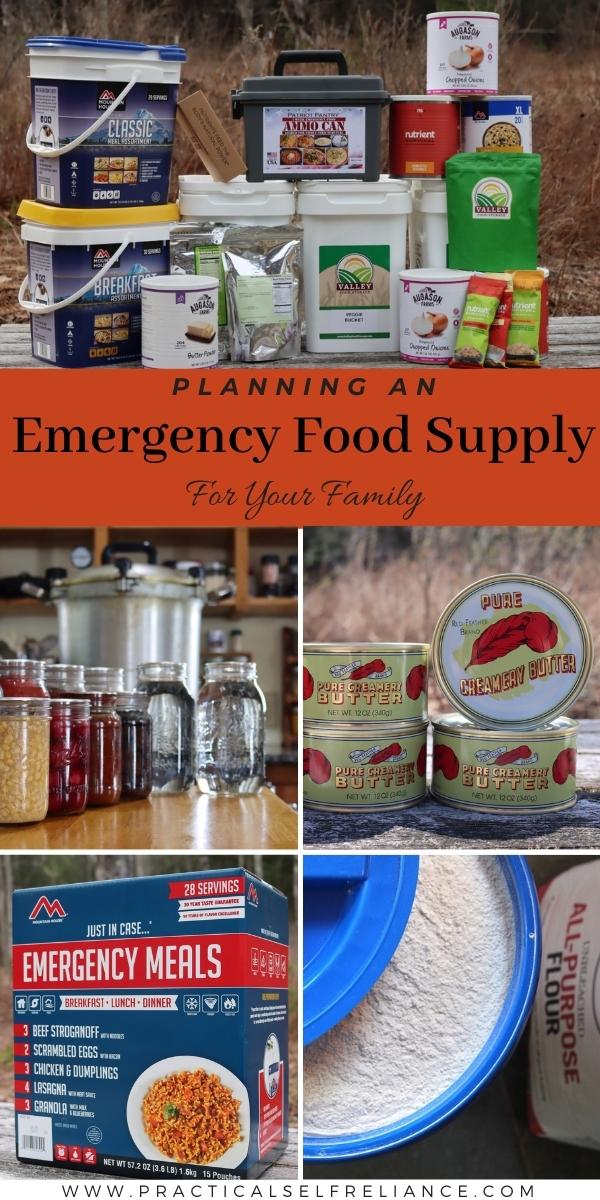
Foods with a long shelf life are your best bet for emergency storage. Look for items like canned beans, dried lentils, rice, and freeze-dried fruits. These can last anywhere from several months to years without losing quality.
Personally, I once stored a mix of freeze-dried meals and canned vegetables, and even after two years, they were still safe and tasty. Avoid fresh or perishable items that spoil quickly. Also, check expiration dates regularly and rotate your stock to keep your emergency food fresh.
Nutritional Considerations
Your body needs balanced nutrition, especially during emergencies. Focus on foods rich in protein, fiber, and essential vitamins. Don’t rely solely on high-calorie snacks or sugary items; these won’t sustain you for long.
Consider adding nuts, powdered milk, and multivitamin supplements to your storage. Ask yourself if the food provides energy and supports your immune system—this can make a huge difference when you’re under stress.
Ease Of Preparation
During an emergency, your cooking resources might be limited. Choose foods that require minimal preparation, like those that can be eaten straight from the package or need just hot water. This saves time and conserves fuel or electricity.
I remember once being stuck without power during a storm; my stored dehydrated meals only needed boiling water, which I heated on a small camp stove. That simple choice made a big difference. Think about how you’ll prepare the food before buying it—will you have the tools and time needed?

Credit: www.forbes.com
Signs Your Emergency Food Is No Longer Safe
Knowing when your emergency food is no longer safe to eat is crucial for your well-being during unexpected situations. You might think that sealed packages guarantee freshness forever, but that’s not always true. Recognizing the signs of spoilage can help you avoid health risks and make smarter storage decisions.
Visual And Smell Indicators
Look closely at your emergency food packages before opening. Swollen or leaking containers often mean bacteria or gases have built up inside, which is a clear warning sign.
Once opened, check for unusual colors, mold spots, or any fuzz. If the food smells off, sour, or just different from when you first stored it, don’t risk tasting it. Your nose is often your first line of defense.
Texture And Taste Changes
Emergency food should maintain a consistent texture. If dry goods like rice or beans feel soft or clumpy, moisture might have crept in, causing potential spoilage.
When you do taste test, even a slight bitterness or odd aftertaste signals that the food has gone bad. Trust your taste buds—they rarely lie when it comes to spoiled food.
When To Dispose
- If you notice any of the visual or smell warning signs, throw the food away immediately.
- Food that has changed texture or taste should not be consumed, no matter how small the difference seems.
- Always err on the side of caution—your health is more valuable than saving a few dollars on questionable supplies.
Have you ever ignored a warning sign with your emergency food? What happened next? Sharing your experience might help others stay safe and prepared.

Credit: www.youtube.com
Frequently Asked Questions
Why Shouldn’t Emergency Food Be Stored Long-term?
Emergency food often has a limited shelf life. Over time, nutrients degrade and taste changes. Improper storage can cause spoilage or contamination. This reduces food quality and safety, making it unsuitable for long-term storage.
Can Emergency Food Lose Nutrition In Storage?
Yes, emergency food can lose nutrients during storage. Exposure to heat, light, and air speeds nutrient breakdown. Vitamins like A, C, and E degrade faster. Proper packaging and cool, dark storage help preserve nutrition longer.
What Risks Come With Storing Emergency Food Improperly?
Improper storage risks include mold, pests, and spoilage. Moisture and temperature fluctuations harm food quality. Contaminated food can cause illness. Always store emergency food in airtight containers and stable conditions to avoid these hazards.
How Long Does Emergency Food Typically Last In Storage?
Most emergency foods last 5 to 25 years unopened. Shelf life depends on food type, packaging, and storage conditions. Check expiration dates and rotate stock regularly to ensure freshness and safety.
Conclusion
Storing emergency food needs careful thought and proper methods. Food can spoil or lose nutrients if stored wrong. Choose airtight containers and keep food in cool, dry places. Check expiration dates often and rotate supplies regularly. Proper storage helps keep your food safe and ready.
Don’t risk your emergency plan with bad storage. Good habits ensure your food lasts when you need it most. Simple steps make a big difference for your safety. Plan well, store smart, and stay prepared.