Have you ever wondered if your plants could survive without water? It sounds impossible, right?
Water is what keeps plants alive, or so you might think. But what if there’s more to the story? Understanding how plants manage—or struggle—without water can change the way you care for them. Keep reading, and you’ll discover surprising facts about plant survival that might just save your next watering routine.

Credit: www.reddit.com
Plants And Water Needs
Water is vital for plant survival. It plays many roles in plant health and growth. Plants need water to stay alive and function well. Different plants have different needs for water. Some need a lot, while others survive with very little. Understanding these needs helps us care for plants better.
How Water Supports Plant Life
Water helps plants in many ways:
- Transports nutrients from soil to plant parts
- Keeps cells firm and supports the plant structure
- Regulates temperature through evaporation
- Enables photosynthesis to produce food
- Helps in seed germination and growth
Without water, plants cannot absorb nutrients or make food. They wilt and may die quickly. Water keeps plants active and healthy.
Different Water Requirements Among Plants
Not all plants need the same amount of water. Some thrive in wet conditions. Others grow well in dry places. Here are examples:
| Plant Type | Water Needs |
|---|---|
| Tropical plants | High water, moist soil |
| Cacti and succulents | Low water, dry soil |
| Grass and lawn plants | Moderate water, regular watering |
Knowing the water needs helps plants grow stronger. Overwatering or underwatering can harm them.
Survival Mechanisms Without Water
Plants face harsh conditions when water is scarce, yet many manage to survive through remarkable adaptations. Understanding these survival mechanisms can help you appreciate how resilient plants really are. These strategies allow plants to endure without water for extended periods, sometimes even thriving.
Drought Resistance Strategies
Some plants develop ways to reduce water loss and protect themselves during droughts. They close their stomata—tiny pores on leaves—to limit evaporation. Others grow smaller or fewer leaves to reduce surface area exposed to the sun.
You might notice how sagebrush or lavender have thick, waxy leaves. This coating helps retain moisture. Certain plants also produce special proteins that protect their cells from damage caused by dehydration.
- Leaf curling to reduce sunlight exposure
- Deep root systems reaching underground water
- Slowing down growth to conserve resources
Have you ever wondered how desert plants survive months without rain? Their strategies show that survival doesn’t always mean constant water intake but smart water management.
Water Storage Adaptations
Many plants store water in specific tissues or organs to use during dry spells. Succulents like cacti store water in their thick, fleshy stems. This stored water sustains them when rainfall is minimal.
Some trees, like baobabs, have massive trunks designed to hold large amounts of water. This allows them to survive long drought periods without immediate access to water.
| Plant Type | Water Storage Location | Adaptation Benefit |
|---|---|---|
| Cacti | Stem | Stores water for months, reduces surface area to limit evaporation |
| Baobab | Trunk | Massive water reservoir supports survival in dry seasons |
| Aloe Vera | Leaves | Stores gel-like water to maintain hydration |
Next time you water your succulent, think about how it balances water intake and storage. Could your other plants benefit from similar adaptations?
Consequences Of Water Deprivation
Water is essential for plants to thrive, and depriving them of it can have serious consequences. Without enough water, plants struggle to perform basic functions, which directly affects their health and survival. Understanding these consequences helps you care for your plants better and avoid irreversible damage.
Impact On Growth And Development
Water deprivation slows down a plant’s growth significantly. Without water, nutrient uptake from the soil is limited, causing stunted growth and weak structures.
Young plants are especially vulnerable; they may fail to develop leaves or roots properly. Have you ever noticed your indoor plants looking smaller and weaker after forgetting to water them for a few days? That’s a clear sign of disrupted growth.
Additionally, water stress can delay flowering and fruit production, reducing a plant’s ability to reproduce. If you want your garden to flourish, keeping plants hydrated is non-negotiable.
Signs Of Water Stress In Plants
Recognizing water stress early helps prevent permanent damage. Common signs include:
- Wilting leaves that droop or curl
- Yellowing or browning leaf edges
- Dry, brittle stems and leaves
- Slow or halted growth
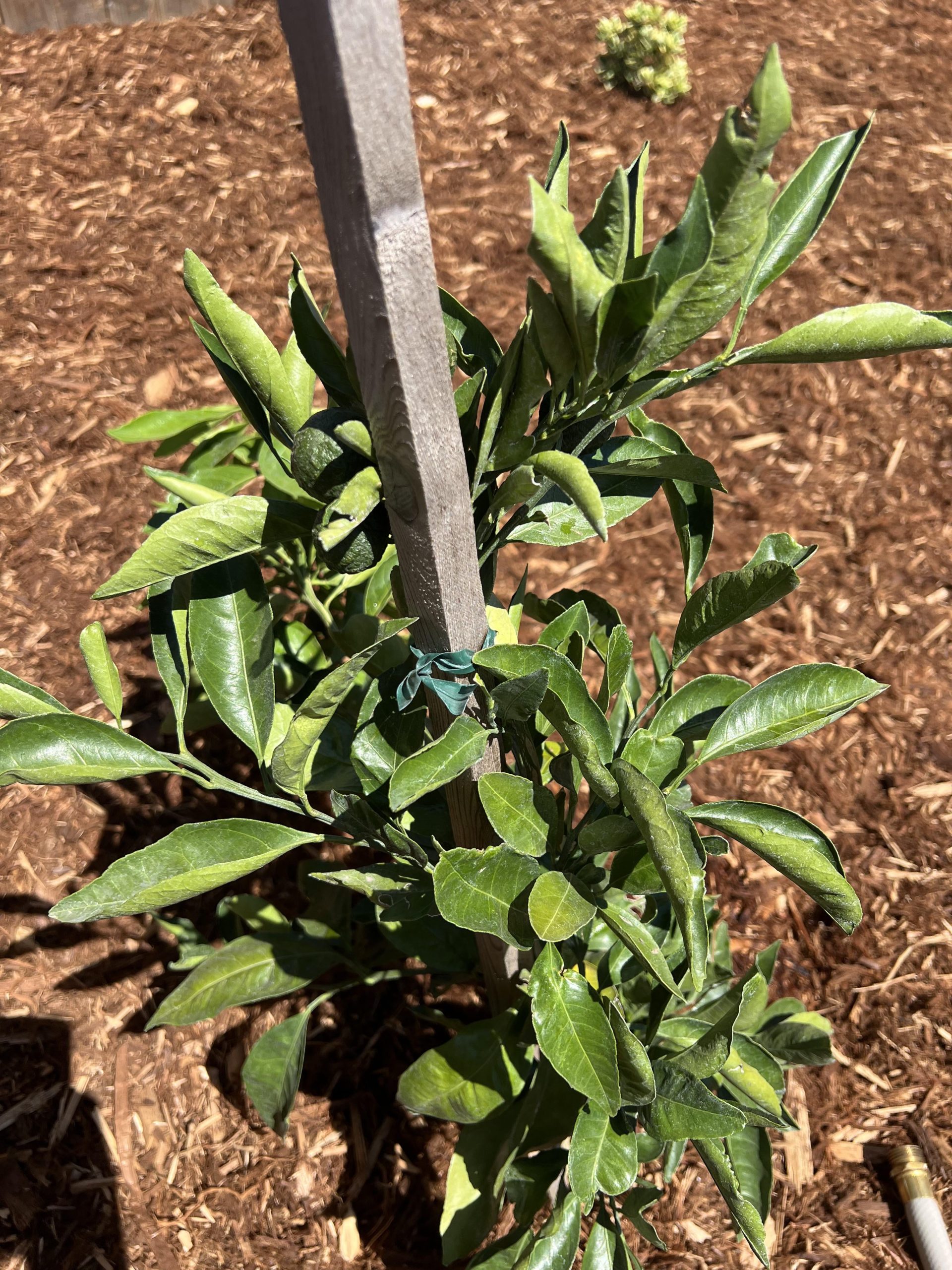
Sometimes, leaves may feel softer or thinner due to lack of water. If you touch your plant and notice these changes, it’s time to water immediately.
Have you ever noticed your plant’s leaves turning crispy or falling off? These are urgent signals that the plant is struggling to survive without enough water.

Credit: www.reddit.com
Plants That Thrive In Dry Conditions
Some plants have an incredible ability to survive and even thrive with very little water. These species have adapted over time to harsh, dry environments where moisture is scarce. Understanding how they manage this can help you care for your own plants better, especially if you tend to forget watering or live in a dry climate.
Succulents And Cacti
Succulents and cacti are famous for their water-saving abilities. They store water in their thick leaves, stems, or roots, allowing them to go weeks or even months without watering. You’ve probably noticed how plump and firm their leaves feel—this is because they act as natural water reservoirs.
Some popular succulents like Aloe Vera, Echeveria, and Jade Plant are perfect for indoor gardening with minimal watering. Cacti, such as the Saguaro and Barrel cactus, can survive intense heat and drought by reducing water loss through a waxy coating on their skin. Have you tried keeping a succulent on your windowsill? You might be surprised how low maintenance they can be.
Desert Flora Examples
Beyond succulents and cacti, many desert plants have unique ways to conserve water. The Creosote bush, for example, has small leaves coated with oils that reduce evaporation. Meanwhile, the Mesquite tree digs deep roots to tap underground water sources unreachable by most plants.
These plants can teach you about resilience in dry conditions. If you want to add a touch of desert beauty to your garden, consider plants like the Joshua Tree or Ocotillo, which thrive with minimal irrigation. What strategies could you apply from these plants to make your garden more drought-resistant?
Experiments On Plant Survival
Experiments on plant survival without water reveal surprising insights about resilience and limits. Scientists and gardeners alike have tested how long various plants can last without any moisture. These studies help you understand which plants might survive dry spells and how to care for them when water is scarce.
Notable Studies And Findings
Research shows some plants can endure weeks, even months, without water by slowing their metabolism. Succulents like cacti store water in thick leaves, allowing them to survive droughts better than typical garden plants.
One famous study observed resurrection plants, which can dry out completely and then revive after rainfall. This ability challenges what we usually expect from plant survival, proving some species adapt in extraordinary ways.
- Desert plants survive by closing stomata to reduce water loss.
- Some seeds remain dormant until water returns, extending survival.
- Root depth plays a key role in accessing underground moisture.
Have you ever noticed how some houseplants seem to bounce back after you forget to water them? These findings reflect that natural resilience, but they also warn about the limits of endurance.
Limits Of Plant Endurance
Even the toughest plants reach a breaking point without water. Most species suffer irreversible damage after a few weeks of complete dehydration.
Leaves wilt, cells dry out, and photosynthesis slows down or stops. Without moisture, plants cannot transport nutrients or maintain structure, leading to death.
Knowing these limits helps you decide when to intervene and water your plants. Are you willing to test your plants’ endurance, or will you keep them comfortably hydrated?

Credit: thebloomerie.ca
Practical Tips For Plant Care
Taking care of plants means understanding their unique needs, especially when it comes to watering. You might wonder how often you should water your plants or whether there are ways to keep them healthy with less frequent watering. Let’s break down practical tips that help you maintain thriving plants without guesswork or wasted water.
Watering Schedules For Different Plants
Different plants need different watering routines. Succulents like aloe or cactus thrive with less water—usually once every two weeks. On the other hand, tropical plants such as ferns or peace lilies prefer moist soil and often need watering twice a week.
Consider the environment too. If your home is dry and warm, plants will need water more often. Cooler or more humid spaces allow you to stretch watering intervals. You can even keep a simple watering calendar or set reminders to avoid overwatering or underwatering.
Alternatives To Frequent Watering
What if you can’t water your plants regularly? There are smart options to keep them hydrated without daily attention. Using self-watering pots or placing a layer of mulch on the soil can retain moisture longer.
- Group plants with similar water needs together to create a mini climate that reduces evaporation.
- Use water-absorbing crystals mixed into the soil; they slowly release moisture as the soil dries.
- Try bottom watering by placing pots in a tray of water, allowing roots to soak up moisture steadily.
Have you tried any of these techniques? You might find that your plants stay healthier and you spend less time stressing over watering. Experiment to see what fits your routine best while keeping your plants happy.
Frequently Asked Questions
Can Plants Survive Without Water?
Plants cannot survive indefinitely without water. Water is essential for photosynthesis and nutrient transport. However, some drought-tolerant plants can endure short periods of dryness.
How Long Can Plants Live Without Water?
The duration varies by plant species. Succulents can survive weeks without water, while most houseplants need watering weekly.
Do All Plants Need Water Daily?
Not all plants require daily watering. Most plants thrive with less frequent watering. Overwatering can harm plant health.
What Happens When Plants Lack Water?
Without water, plants wilt and their growth stunts. Prolonged dehydration leads to plant death.
Conclusion
Plants need water to live and grow strong. Without water, most plants will dry out and die. Some plants can survive longer without water by storing it inside. These plants live in deserts or dry places. Still, even they cannot live forever without water.
Water helps plants make food and stay healthy. So, watering plants regularly is very important. Remember, plants are living things that rely on water just like people. Taking care of plants means giving them the water they need to thrive.
Simple but true.