Imagine facing a sudden emergency and realizing your food supplies are running low. What would you reach for first?
Having a well-stocked emergency food pantry can give you peace of mind when unexpected situations arise. You’ll discover exactly what to keep on hand to stay prepared, save time, and reduce stress. By the end, you’ll know how to build a pantry that supports you and your loved ones through any crisis.
Ready to take control of your emergency food supplies? Let’s dive in.
Non-perishable Staples
Non-perishable staples form the backbone of any emergency food pantry. These items last long without refrigeration. They provide essential nutrients and energy during tough times. Storing a variety of non-perishable foods ensures balanced meals are possible. Focus on items that are easy to prepare and store. Quality and shelf life are key factors for emergency supplies.
Canned Vegetables And Fruits
Canned vegetables and fruits offer important vitamins and minerals. They are ready to eat or cook quickly. Choose low-sodium vegetables to keep meals healthy. Pick fruits canned in water or natural juice, not syrup. Variety helps prevent meal fatigue and keeps nutrition balanced. Store different types like green beans, corn, peaches, and pineapple.
Dry Grains And Legumes
Dry grains and legumes provide energy and protein. Rice, pasta, and oats are versatile and easy to cook. Beans, lentils, and chickpeas add fiber and nutrients. These foods have a long shelf life if kept dry. Store them in airtight containers to avoid pests. Mixing grains and legumes creates filling, nutritious meals.
Shelf-stable Dairy Alternatives
Shelf-stable dairy alternatives supply calcium and protein without refrigeration. Powdered milk, soy milk, and almond milk are good choices. These products last months unopened and are easy to store. They work well in cooking or as drinks. Choose unsweetened versions to reduce sugar intake. Keep a variety on hand for different dietary needs.

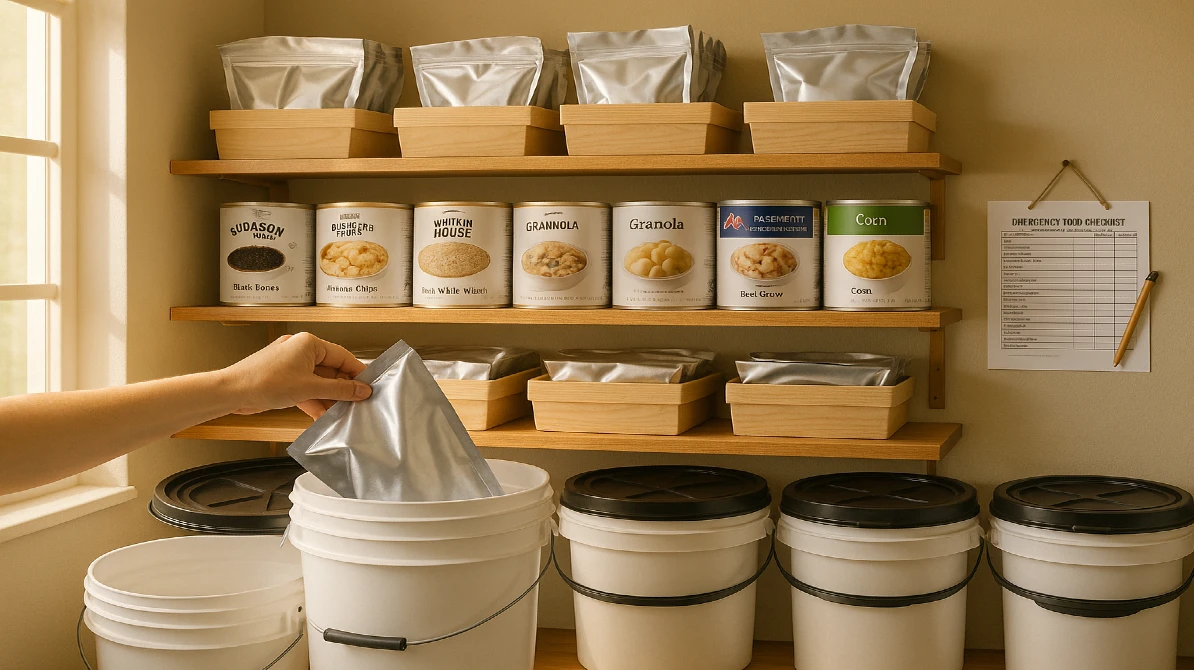
Credit: backpackerspantry.com
Protein Sources
Protein is vital for energy and body repair during emergencies. It helps keep you full and supports muscle health. Stocking diverse protein sources ensures nutrition variety and longer shelf life. Choose options that store well and need little preparation.
Canned Meats And Fish
Canned meats and fish provide ready-to-eat protein. Options include:
- Chicken
- Tuna
- Salmon
- Sardines
- Beef
These items last long and require no cooking. They offer essential nutrients like omega-3 fats and iron. Easy to add to meals or eat alone.
Nut Butters And Nuts
Nut butters and nuts are rich in protein and healthy fats. Common choices:
- Peanut butter
- Almond butter
- Cashews
- Walnuts
- Mixed nuts
These foods store well and provide quick energy. Nut butters spread on crackers or bread. Nuts make a great snack anytime.
Plant-based Protein Options
Plant-based proteins offer variety and are often shelf-stable. Include:
- Dried beans and lentils
- Chickpeas
- Quinoa
- Textured vegetable protein (TVP)
- Pea protein powder
These ingredients need cooking but store for months. They add fiber and essential nutrients to your diet.
Cooking Essentials
Having the right cooking essentials in your emergency food pantry can make a big difference in meal preparation. These basics help you turn simple ingredients into satisfying dishes. Without them, even the best food supplies might feel bland or incomplete.
Oils And Fats
Oils and fats are crucial for cooking and flavor. Keep a bottle of olive oil or vegetable oil on hand for sautéing and roasting. Coconut oil is great too, as it stores well and adds a unique taste.
Butter or ghee can add richness if you have refrigeration or a way to keep them cool. Think about how many meals you’ll cook and choose oils that suit your recipes and storage conditions.
Salt, Spices, And Seasonings
Salt is more than just a flavor enhancer—it’s essential for preserving and balancing tastes. Alongside salt, stock up on versatile spices like black pepper, garlic powder, and paprika. These can transform basic ingredients into something memorable.
Don’t forget dried herbs like oregano or thyme. They last long and brighten up soups, stews, and even rice dishes. Have you ever noticed how a pinch of spice can change your mood while eating? That’s the power of seasoning.
Shelf-stable Broths And Sauces
Broths and sauces bring depth to your meals and make cooking easier. Keep canned or boxed chicken, beef, or vegetable broth ready—they’re perfect for soups and rice.
Shelf-stable tomato sauce or soy sauce can add flavor quickly. Having these on hand means you’re prepared to whip up a tasty meal even when fresh ingredients are limited. What’s your go-to sauce that instantly improves a dish?
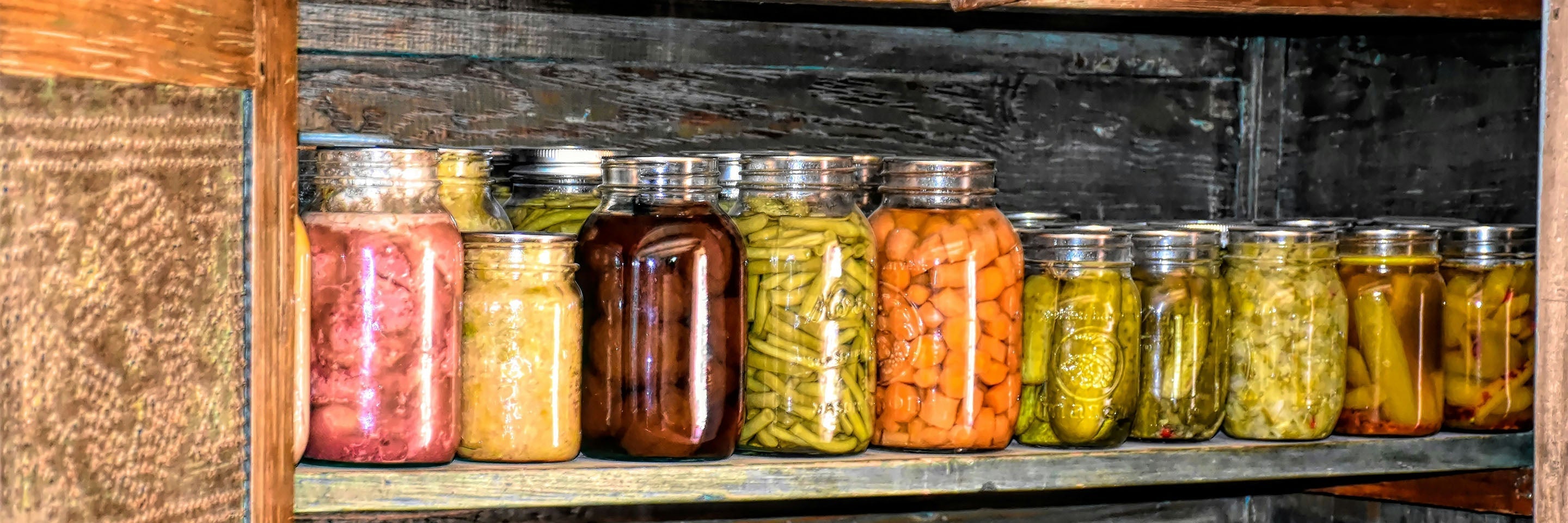
Credit: mountainhouse.com
Hydration Supplies
Staying hydrated is one of the most critical aspects of emergency preparedness. Water is not just a drink; it’s a lifeline. Without access to clean water, your health can deteriorate quickly, and many other emergency supplies become less effective.
Think about how long you can go without water compared to food. Probably not more than a few days. That’s why your emergency food pantry needs a strong focus on hydration supplies.
Bottled And Purified Water
Start with a solid stock of bottled water. Aim for at least one gallon per person per day. This amount covers drinking, cooking, and basic hygiene needs.
Choose water with a long shelf life and keep it stored in a cool, dark place. Rotate your stock every six months to ensure freshness. If you run out of bottled water, having purification tablets or a reliable filter can save you.
Have you considered how you’ll manage water if the supply runs low? A compact water filter or purification drops can turn questionable water into safe drinking water. These tools are small but powerful additions to your pantry.
Electrolyte Powders And Drinks
Water alone isn’t enough during extreme conditions. When you sweat or face heat stress, your body loses electrolytes like sodium and potassium. These minerals are essential for muscle function and overall energy.
Keep electrolyte powders or ready-made drinks in your pantry. They come in handy if you’re sick, dehydrated, or physically active during an emergency. Electrolyte mixes often take up little space but provide a big health boost.
Look for options with low sugar and natural ingredients. Some brands offer powder packets that dissolve quickly in water—easy to carry and store. Have you ever felt drained and sluggish during a stressful day? Electrolyte drinks can help you stay sharp and energized when it matters most.
Quick And Easy Meals
Quick and easy meals are essential for any emergency food pantry. They save time and effort during stressful situations. These meals require little to no preparation. They help maintain energy and keep hunger at bay. Stocking the right items ensures you stay nourished without hassle.
Instant Noodles And Soups
Instant noodles and soups are convenient and lightweight. They cook in minutes with just hot water. Choose varieties with added vegetables and protein for balanced nutrition. These options come in many flavors to avoid boredom. Store them in airtight containers to keep freshness.
Ready-to-eat Meals
Ready-to-eat meals require no cooking or heating. They come in cans, pouches, or vacuum-sealed packs. Look for meals with rice, beans, or pasta for filling options. These meals have long shelf lives and are easy to carry. Perfect for quick meals during power outages or travel.
Energy Bars And Snacks
Energy bars and snacks offer quick bursts of fuel. They are compact and easy to store. Choose bars with nuts, seeds, and whole grains for lasting energy. Include dried fruits, trail mix, and crackers for variety. These snacks help keep hunger away between meals.

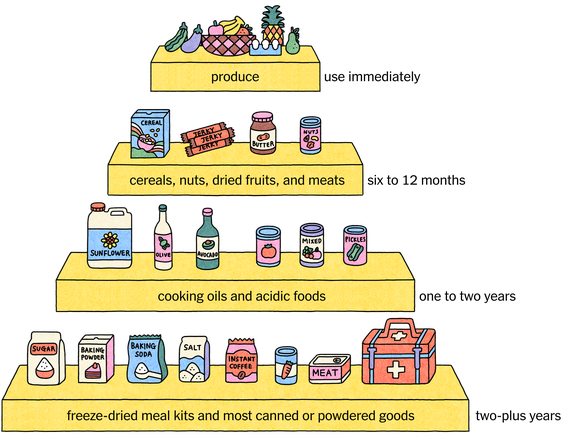
Credit: www.nytimes.com
Special Dietary Needs
Special dietary needs require extra attention when stocking your emergency food pantry. Your pantry should support everyone in your household, including those with specific health requirements or food sensitivities. Ignoring these needs could make an already stressful situation even harder.
Gluten-free Options
Gluten intolerance and celiac disease affect many people, so having gluten-free foods on hand is essential. Look for canned beans, rice, quinoa, and gluten-free pasta. Gluten-free oats and snack bars also store well and provide quick energy.
Keep an eye on labels to avoid hidden gluten in soups or sauces. Have you checked if your family members need gluten-free meals? Planning ahead means no one is left without safe options during an emergency.
Allergen-free Foods
Food allergies can be life-threatening, so stocking allergen-free alternatives is crucial. Common allergens include nuts, dairy, eggs, and soy. Choose products free from these allergens, such as seed butters instead of peanut butter or coconut milk as a dairy substitute.
Consider allergy-friendly canned vegetables, fruits, and protein sources. How would you handle an allergic reaction if your pantry lacks safe foods? Preparing allergen-free staples can prevent that risk.
Infant And Elderly Nutrition
Infants and elderly family members need specialized nutrition during emergencies. Stock formula, baby food jars, and cereals for infants. For older adults, include easy-to-digest foods like soups, pureed vegetables, and fortified drinks.
Don’t forget essential vitamins or supplements they might require. Have you gathered enough food that meets their dietary restrictions and texture needs? This preparation ensures comfort and health for your loved ones in tough times.
Storage And Rotation Tips
Keeping an emergency food pantry well-stocked requires smart storage and regular rotation. These habits help maintain food quality and safety. Proper organization extends the shelf life of your supplies and prevents waste. Follow these simple tips to keep your pantry ready for any situation.
Proper Food Storage Methods
Store food in a cool, dry place away from sunlight. Use airtight containers to keep moisture and pests out. Avoid storing food near chemicals or strong odors. Keep canned goods on sturdy shelves to prevent damage. Label containers with contents and dates for easy identification.
Monitoring Expiration Dates
Check expiration dates regularly to avoid spoiled food. Make a habit of inspecting your pantry at least once every few months. Remove expired items immediately to keep the pantry safe. Use a calendar or app to track when foods expire. This helps plan meals around soon-to-expire items.
First In, First Out System
Place new food behind older items on the shelves. This ensures older food gets used first. Rotate stock after each grocery trip by moving older items forward. Teach family members this system for consistency. A clear system reduces waste and keeps your pantry fresh.
Additional Survival Items
Besides stocking up on food, there are crucial survival items you need to keep in your emergency food pantry. These items ensure you can safely prepare and consume your food when power and water might be unavailable. Think about how you’ll open cans, cook meals, and purify water—these tools make a huge difference in a crisis.
Manual Can Openers
Having a manual can opener is non-negotiable. Electric openers won’t work if the power is out, and trying to open cans without one can be dangerous and frustrating.
Choose a sturdy, easy-to-use model with a comfortable grip. I once faced a situation where all my canned food was inaccessible because my manual can opener broke—don’t let that happen to you.
Portable Cooking Gear
Imagine having plenty of food but no way to heat it. Portable stoves or camping cookers can solve this problem.
Look for lightweight, fuel-efficient options that are easy to operate and clean. Small propane stoves or solid fuel burners are great choices. Remember to store enough fuel safely alongside your cooking gear.
Water Purification Tools
Safe drinking water is just as vital as food. Water purification tools can protect you from harmful bacteria and viruses.
Stock up on water filters, purification tablets, or even UV purifiers. These tools are compact and easy to use—perfect for emergencies where bottled water runs out or becomes contaminated.
Frequently Asked Questions
What Foods Are Best For An Emergency Pantry?
Stock non-perishable, nutrient-rich foods like canned beans, rice, pasta, and canned vegetables. Include protein sources such as canned tuna and nuts. Don’t forget essentials like cooking oil, salt, and sugar. These items offer balanced nutrition and have long shelf lives, ensuring sustenance during emergencies.
How Much Food Should I Store?
Aim for a minimum of a three-day food supply for each person in your household. Consider dietary needs and caloric intake. Assess family size and potential guests. This ensures everyone has enough sustenance during a short-term emergency situation without running out of essential supplies.
What Are Some Non-food Essentials To Include?
Include water, a manual can opener, and basic cooking utensils. First aid supplies, flashlights, and batteries are crucial. Personal hygiene products like soap and toilet paper are important. These items ensure you can prepare food and maintain cleanliness during emergencies.
How Should I Store Emergency Food?
Store food in a cool, dry place, away from sunlight. Use airtight containers to protect against pests and moisture. Rotate stock regularly by using older items first. Proper storage extends shelf life and ensures food remains safe and edible during emergencies.
Conclusion
Stocking your emergency food pantry helps you stay ready for surprises. Choose foods that last long and offer good nutrition. Include canned goods, dry grains, and easy snacks. Don’t forget water and basic cooking items. Rotate your stock to keep it fresh and safe.
Planning ahead brings peace of mind during tough times. Small steps now can make a big difference later. Stay prepared, stay safe, and take care of your family.