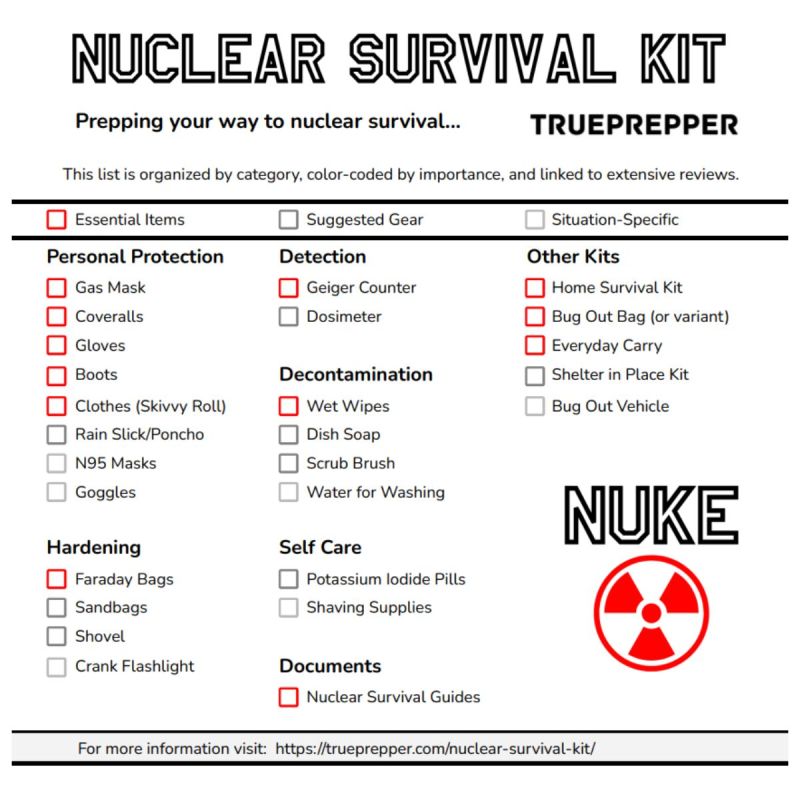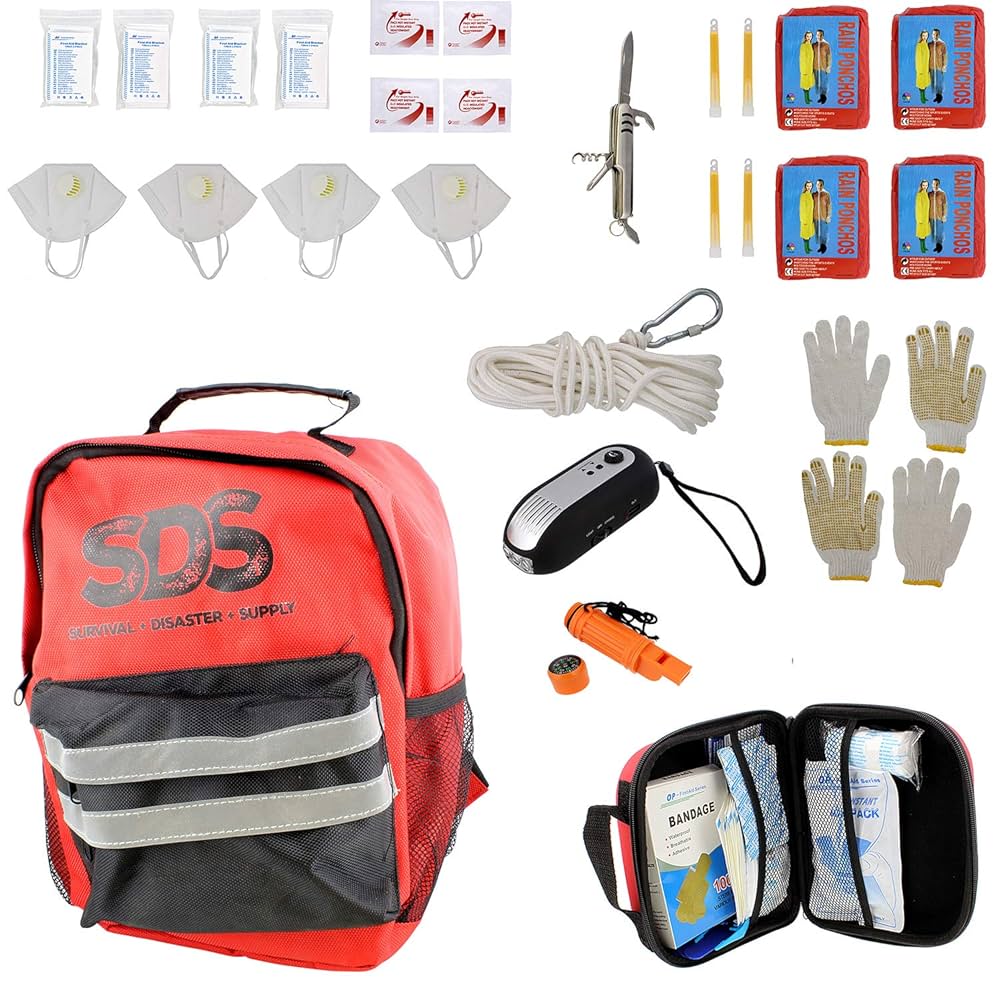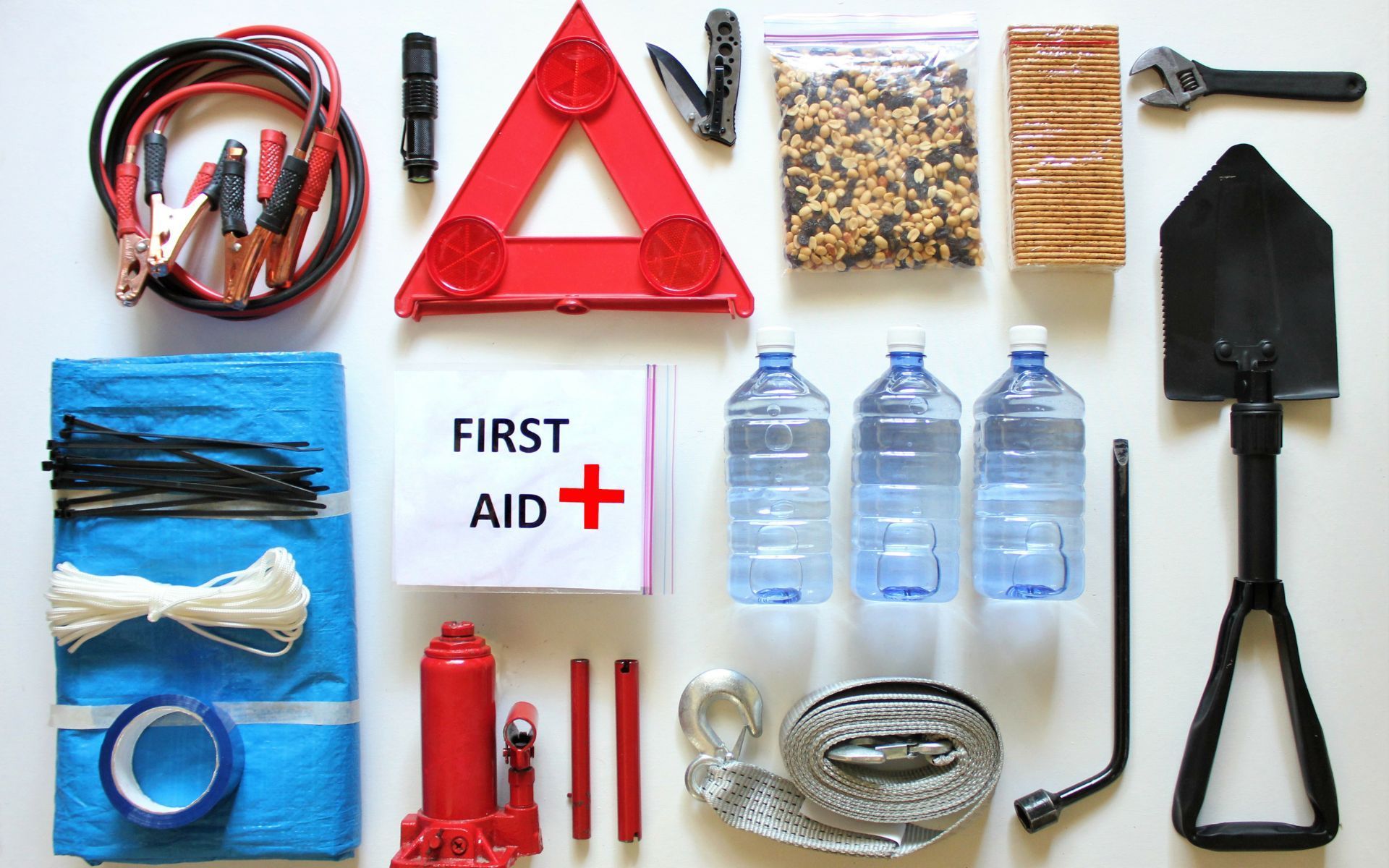
When winter hits hard, being unprepared can turn a simple outing into a dangerous situation. You never know when you might get stuck in freezing weather or face an unexpected emergency.
That’s why having a well-packed winter survival kit isn’t just smart—it could save your life. In this guide, you’ll discover exactly what to include in your kit to stay safe, warm, and ready for anything the cold throws your way.
Keep reading, because being prepared is the best way to protect yourself and your loved ones when winter strikes.
Basic Survival Gear
Basic survival gear forms the core of any winter survival kit. It helps you stay safe, warm, and hydrated in harsh conditions. These items are essential to protect against cold, maintain body heat, and ensure access to clean water. Preparing this gear carefully increases your chances of surviving winter emergencies.
Shelter And Warmth
A reliable shelter blocks wind, snow, and rain. It keeps body heat inside and cold air out. Include a compact tent or a bivy sack in your kit. Add an insulated sleeping bag rated for low temperatures. Thermal blankets or emergency space blankets are lightweight and effective for warmth. Wear layers of moisture-wicking clothes to stay dry.
Fire Starting Tools
Fire provides warmth and a way to cook food. Carry waterproof matches, a lighter, and fire starters. Tinder like cotton balls soaked in petroleum jelly works well. A magnesium fire starter is durable and reliable in wet conditions. Practice safe fire building to avoid accidents and conserve fuel.
Water And Hydration
Water is vital in winter survival. Carry a durable water bottle or hydration bladder. Use water purification tablets or a portable filter to ensure safe drinking water. Melting snow for water is possible but requires boiling or treating to avoid illness. Drink regularly to prevent dehydration, even in cold weather.
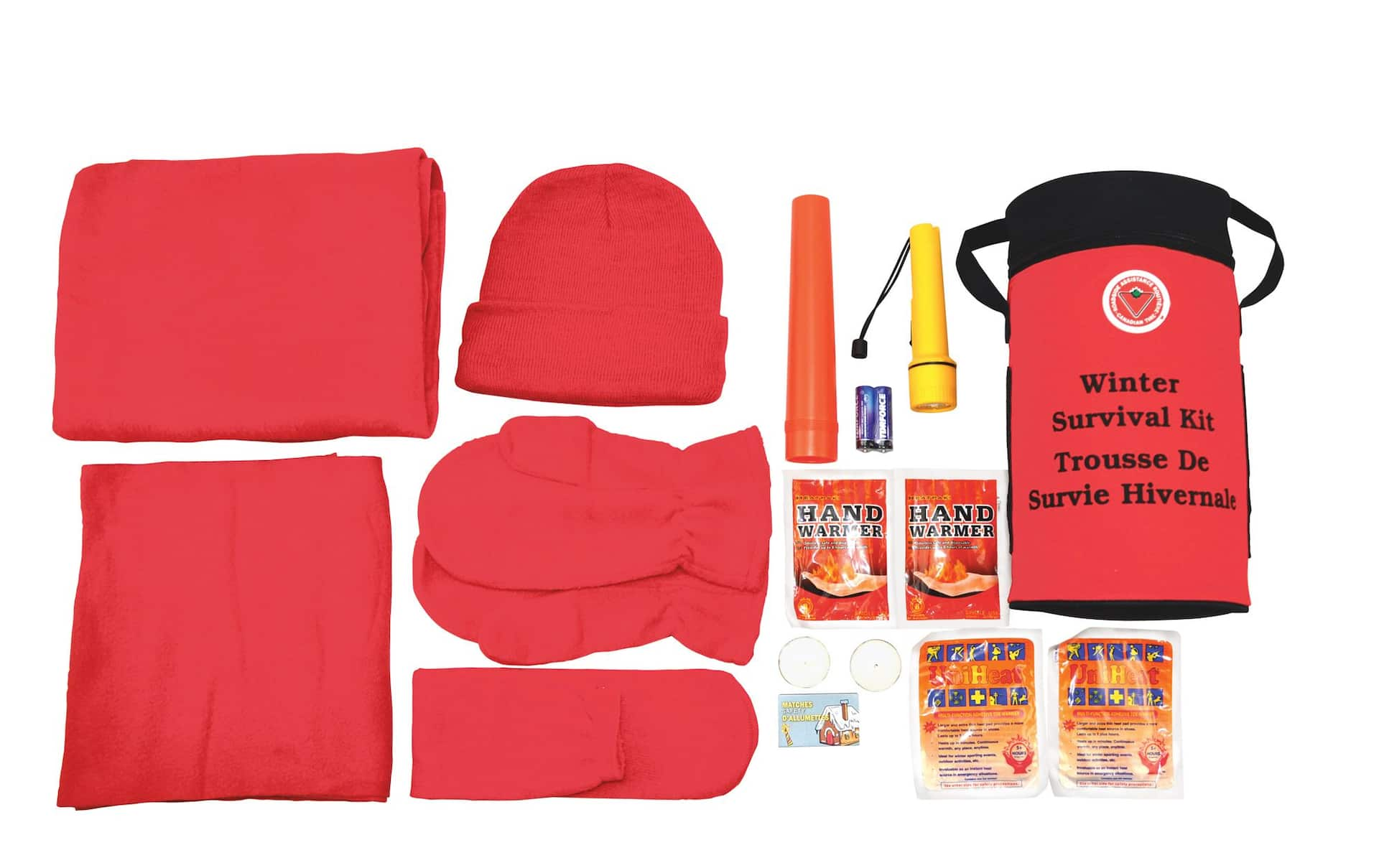
Credit: www.canadiantire.ca
Clothing And Protection
Proper clothing and protection are crucial for surviving cold winter conditions. They keep body heat trapped and block out harsh wind and moisture. Layering clothes helps adjust warmth quickly. Waterproof gear prevents wetness that can cause hypothermia. Covering extremities like the head and hands stops heat loss.
Insulated Layers
Start with a base layer that wicks moisture away from skin. Add an insulated mid-layer for warmth. Choose materials like fleece or down for insulation. Avoid cotton because it holds moisture and chills the body. Layering traps air, creating a warm barrier around you.
Waterproof Outerwear
Wear a waterproof jacket and pants to block rain and snow. Look for breathable fabrics that let sweat escape. Sealed seams prevent water from seeping inside. A hood adds extra protection for your head and neck. Waterproof gear keeps you dry, which is vital for warmth.
Head And Hand Protection
Heat escapes quickly from the head and hands. Wear a warm hat that covers your ears. Use insulated gloves or mittens to keep fingers warm. Layer thin liners under gloves for extra protection. Protecting these areas helps maintain overall body heat and prevents frostbite.
Food And Nutrition
Food and nutrition play a vital role in any winter survival kit. Proper nourishment keeps energy levels high and helps the body stay warm. Choosing the right foods ensures you stay strong and alert during cold weather emergencies. Focus on items that provide calories, vitamins, and minerals without needing refrigeration.
High-energy Snacks
High-energy snacks deliver quick fuel during cold conditions. These snacks are easy to carry and consume on the go.
- Nuts and seeds for healthy fats and protein
- Energy bars with a mix of carbs and protein
- Dried fruits for natural sugars and fiber
- Chocolate or candy for a fast energy boost
Non-perishable Meals
Non-perishable meals provide longer-lasting nutrition without spoilage. They are perfect for extended stays in cold environments.
- Canned soups and stews rich in protein and vegetables
- Instant oatmeal packets for a warm, filling breakfast
- Freeze-dried meals that only need hot water
- Rice and pasta mixes with seasoning packets
Portable Cooking Equipment
Portable cooking gear allows meal preparation anywhere. It adds comfort and variety to survival situations.
- Compact camping stove with fuel canisters
- Lightweight pots and pans for boiling and cooking
- Utensils and portable cutlery sets
- Water purification tablets or filters for safe drinking water
Navigation And Communication
Navigation and communication tools are essential in any winter survival kit. They help you find your way and reach out for help in emergencies. Cold weather and snowy conditions can make it hard to see landmarks or use electronic devices. Reliable tools ensure you stay on track and connected.
Maps And Compass
Paper maps and a compass are vital backup tools. Batteries can die, but a compass works without power. Learn to read topographic maps to understand the terrain. Mark your starting point and planned route before you go. Keep maps in a waterproof case to protect from moisture and snow.
Emergency Signaling Devices
Signaling devices can alert rescuers to your location quickly. A whistle is lightweight and can be heard from far away. Signal mirrors reflect sunlight to catch attention over distances. Bright-colored flags or cloths can be placed in open areas. Choose devices that are easy to use with gloves on.
Portable Chargers And Batteries
Keep portable chargers and extra batteries in your kit. Cold weather drains batteries faster than usual. Use power banks designed for low temperatures. Store spare batteries in an insulated pouch to keep them warm. Charge all devices fully before heading out into the cold.
First Aid And Health
Keeping your health in check during winter survival situations is crucial. First aid and health supplies can make the difference between a manageable issue and a dangerous emergency. Preparing for common winter injuries and illnesses ensures you stay safe and comfortable when conditions turn harsh.
Basic Medical Supplies
Your kit should include essentials like adhesive bandages, sterile gauze pads, and antiseptic wipes to handle cuts and scrapes. Don’t forget tweezers for splinters and scissors for cutting tape or clothing. A digital thermometer helps you monitor your body temperature, a simple tool that can alert you to serious illness early.
Adding a CPR mask and disposable gloves protects both you and others during emergencies. These supplies are light but powerful tools in preventing infections and managing wounds. Have you checked your first aid kit lately to replace expired items?
Frostbite And Hypothermia Care
Knowing how to treat frostbite and hypothermia is vital. Include instant heat packs to warm fingers and toes quickly, but avoid rubbing frostbitten skin—it can cause more damage. A thermal blanket helps retain body heat and can be a lifesaver in freezing conditions.
Keep aloe vera gel or a similar soothing ointment for frostbite aftercare. Recognizing symptoms early and acting fast can prevent permanent damage. What signs would you notice first if you or someone near you started showing cold-related injuries?
Medications And Supplements
Stock pain relievers like ibuprofen or acetaminophen to reduce fever and ease aches. Antihistamines can help if allergies flare up unexpectedly outdoors. Don’t forget any personal prescription medications—running out could be dangerous in an emergency.
Vitamin D supplements can support your immune system during months of limited sunlight. Probiotics may also aid digestion if your diet changes or water quality is uncertain. Are you prepared to manage your health with just what’s in your kit?

Credit: www.amazon.ca
Tools And Accessories
Tools and accessories are essential for any winter survival kit. They help you manage tasks, build shelter, and handle emergencies. The right tools make survival easier and safer in cold conditions. Select items that are durable, compact, and multipurpose.
Multi-tools And Knives
Multi-tools combine several functions in one compact device. They often include pliers, screwdrivers, scissors, and knives. A sharp knife is crucial for cutting rope, preparing food, or making fire kindling. Choose tools made of stainless steel for rust resistance. Keep them accessible for quick use in emergencies.
Rope And Cordage
Strong rope or cordage helps with shelter building and securing gear. Paracord is a popular choice due to its strength and versatility. Use it to tie tarps, hang food away from animals, or make splints. Carry at least 15 to 30 feet of rope in your kit. Ensure it is lightweight but durable.
Emergency Blankets And Tarps
Emergency blankets reflect body heat and protect against wind chill. They are lightweight and take up little space. Tarps provide shelter from snow, rain, and wind. Use tarps to create a simple tent or ground cover. Both items are vital for staying dry and warm in winter.
Personal Items
Personal items are essential components of your winter survival kit. They ensure you stay connected, safe, and somewhat comfortable during an emergency. Think about the small things that can make a big difference when you face harsh winter conditions.
Identification And Important Documents
Always pack your ID, driver’s license, and any critical medical information. These documents prove who you are and can be vital if you need help or medical attention. Keep them in a waterproof bag to protect against snow and moisture.
Consider copies of insurance papers, prescriptions, and emergency medical contacts. Having these on hand can save time and reduce stress during an emergency. You might not think of these as urgent, but they become crucial when you’re stuck in a tough situation.
Cash And Emergency Contacts
Cash is often overlooked but can be a lifesaver if electronic payments aren’t working. Carry small bills and coins in a secure wallet or pouch. It’s better to have some money on you than none at all.
Write down emergency contact numbers on a card. Your phone might die or get lost, so having a physical list ensures you can reach out for help. Include contacts for family, friends, and local emergency services.
Comfort And Morale Boosters
Winter emergencies are stressful. Including small comfort items like a favorite snack, a warm pair of socks, or a compact book can lift your spirits. These little things help you stay calm and focused.
Think about what personally comforts you in tough times. Maybe it’s a photo of loved ones or a small game to pass the time. These morale boosters aren’t just luxuries; they can improve your mental resilience when conditions are harsh.

Credit: www.amazon.ca
Frequently Asked Questions
What Essential Items Should A Winter Survival Kit Include?
A winter survival kit must include warm clothing, waterproof gear, food, water, a flashlight, and first aid supplies. These items ensure safety and comfort during cold weather emergencies or outdoor adventures.
How Do I Prepare A Winter Survival Kit For My Car?
Include blankets, non-perishable snacks, a shovel, ice scraper, jumper cables, and a flashlight. These tools help you stay safe and manage unexpected winter car troubles.
Why Is Insulation Important In A Winter Survival Kit?
Insulation retains body heat and protects against hypothermia. Items like thermal blankets and hand warmers keep you warm in freezing conditions.
Can A Winter Survival Kit Help During Power Outages?
Yes, it provides necessary supplies like batteries, flashlights, food, and water. This kit helps you stay safe and comfortable during winter power failures.
Conclusion
A winter survival kit can save lives in emergencies. Pack essentials like food and water. Include warm clothing and blankets. Don’t forget a first-aid kit. Add a flashlight with extra batteries. Keep a multi-tool handy for various tasks. Emergency contact information is crucial.
A whistle can signal for help. Keep these items ready before winter hits. Prepare wisely and stay safe.