Have you ever wondered if the rabies virus can survive in water? Whether you enjoy swimming, fishing, or just spending time near lakes and rivers, this question might be more important than you think.
Knowing how long the rabies virus can live in water could protect you and your loved ones from unexpected dangers. You’ll discover the truth about rabies and water, helping you stay safe and informed wherever you go. Keep reading to learn what you really need to know.

Credit: www.youtube.com
Rabies Virus Basics
The rabies virus is a deadly pathogen affecting the nervous system of mammals. Understanding its basics helps in grasping how it spreads and survives in environments like water. The virus has a unique structure and specific ways it transmits from animals to humans. This knowledge is key to preventing infection and reducing risks.
Virus Structure
The rabies virus has a bullet-shaped form. It belongs to the Lyssavirus genus. Its core holds RNA, the genetic material. Surrounding the core is a protein coat called the nucleoprotein. This coat protects the RNA from damage. Outside, a lipid envelope covers the virus. It has glycoprotein spikes that attach to host cells. These spikes help the virus enter nerve cells. The structure is simple but effective for infection.
Transmission Methods
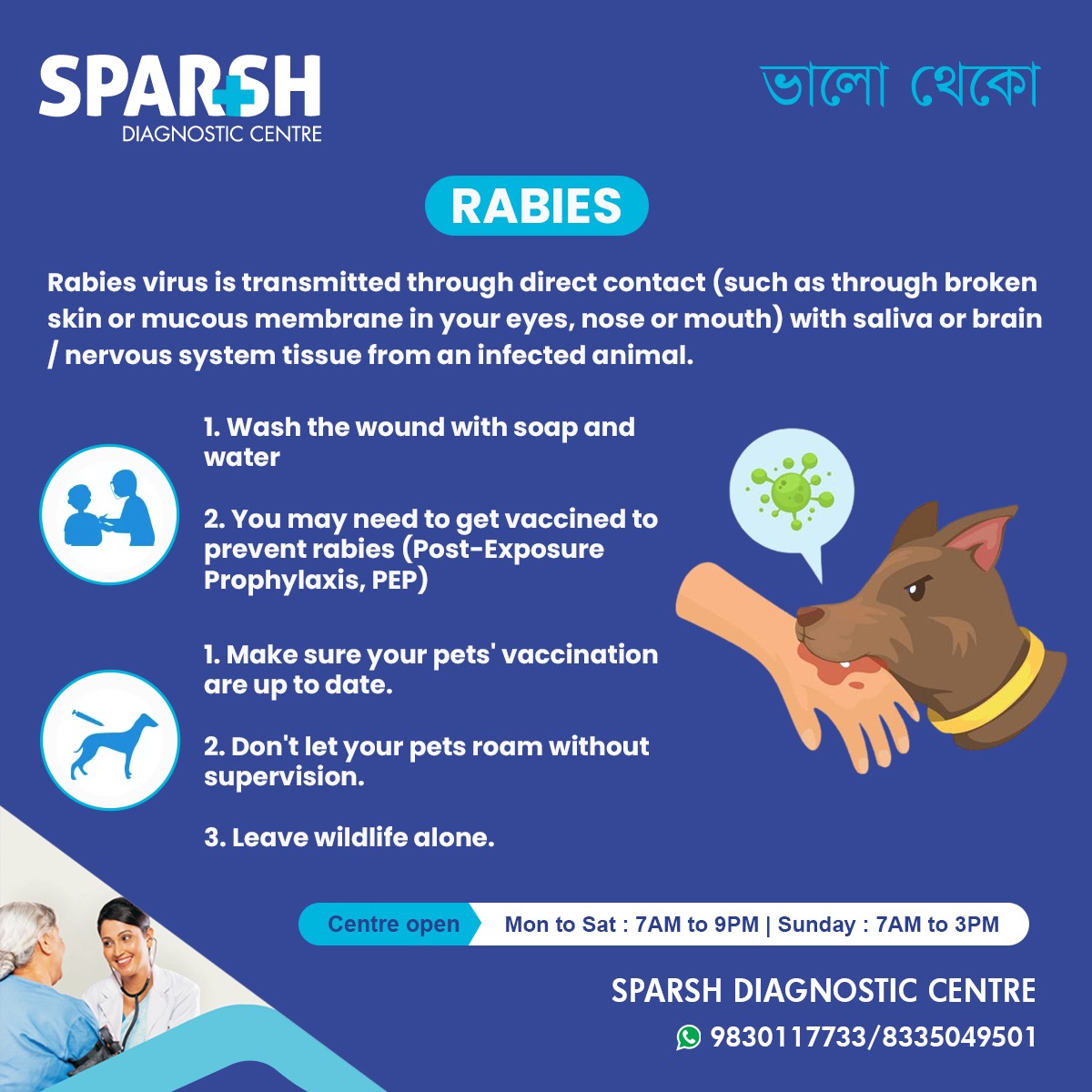
Rabies mainly spreads through saliva. Animal bites are the most common way. The virus enters the body through broken skin or wounds. Rarely, scratches or open wounds exposed to saliva can cause infection. It moves quickly to the nervous system. Once symptoms appear, rabies is almost always fatal. Transmission through water is unlikely. The virus does not survive well outside the host.
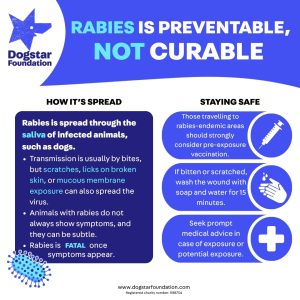
Credit: dogstarfoundation.com
Survival Factors In Water
Understanding how the rabies virus survives in water depends heavily on several key factors. These influence whether the virus remains active or quickly loses its ability to infect. Knowing these can help you assess risks more accurately and take better precautions.
Temperature Effects
Temperature plays a crucial role in the rabies virus’s survival in water. Higher temperatures tend to deactivate the virus faster, while cooler conditions allow it to last longer. For example, in cold water, the virus may survive for days, but in warm water, its lifespan shrinks to just hours.
Have you ever noticed how viruses behave differently in winter compared to summer? This difference is largely due to temperature variations affecting their survival rates.
Water Type Influence
The type of water—whether freshwater, saltwater, or stagnant—also affects the rabies virus’s longevity. Saltwater can be harsher on the virus, reducing its survival time compared to freshwater. Still, stagnant water, which lacks movement, can provide a more stable environment for the virus than flowing water.
Think about a pond versus a river: the flowing river dilutes and washes away contaminants quicker than a still pond, which might harbor viruses longer.
Presence Of Organic Matter
Organic matter in water, such as leaves, soil, or animal waste, impacts the virus’s survival too. This material can protect the virus by providing a shield or nutrients, extending its active period. However, some organic substances may also contain microbes that attack or break down the virus.
If you’ve ever seen murky water full of debris, consider how that environment might help or hinder viruses. It’s a delicate balance that influences how long the rabies virus sticks around in water.
Scientific Studies On Rabies In Water
Scientific studies on the survival of the rabies virus in water have given us important insights into how long the virus can remain infectious outside a host. Understanding this helps you assess the real risk of transmission through contaminated water sources. Research combines controlled lab tests and observations in natural settings to paint a clearer picture.
Laboratory Experiments
In laboratory settings, scientists expose the rabies virus to different water conditions to see how long it stays active. These experiments often involve varying temperatures, pH levels, and water types like fresh, salt, or stagnant water.
Results show that rabies virus generally does not survive long in water. For example, one study found the virus loses its ability to infect within hours to a few days, especially in warmer or moving water. This means that if you suspect contamination, the virus won’t linger indefinitely.
Have you ever wondered how temperature affects viruses you can’t see? These experiments highlight that even small changes in environment can dramatically cut survival time. This insight is crucial if you’re managing water safety in rabies-prone areas.
Field Observations
Outside the lab, researchers observe natural water bodies near wildlife habitats to understand real-world rabies virus survival. These studies track the presence of the virus in ponds, rivers, or drinking spots used by animals known to carry rabies.
Field data confirms lab results — the rabies virus rarely persists long in natural water. Factors like sunlight, microbial activity, and water movement accelerate its breakdown. This reduces the likelihood of waterborne rabies transmission.
However, occasional cases where animals contract rabies near water sources raise questions. Could other transmission routes be at play? This encourages you to think about comprehensive safety measures beyond just water quality.
Risks Of Waterborne Rabies Transmission
Rabies is a deadly virus most often linked to animal bites, but could water be a hidden risk? Understanding the risks of waterborne rabies transmission is crucial, especially for those who spend time near natural water sources. While rabies virus does not thrive well in water, certain scenarios could still pose a threat.
Human Exposure Scenarios
You might wonder if swimming in a lake or drinking untreated water could expose you to rabies. The truth is, the rabies virus is fragile outside a host and typically dies quickly in water. However, if contaminated saliva from a rabid animal enters an open wound or mucous membranes while you’re in the water, the risk becomes real.
Imagine you have a small cut on your leg and decide to wade through a pond where a rabid animal recently drank or died. Could that be enough for the virus to enter your body? The chances are low but not impossible, especially in areas where rabies is common.
Always cover wounds and avoid swallowing untreated water from natural sources. If you suspect any exposure, seek medical advice immediately—your health depends on quick action.
Animal Exposure Scenarios
Animals often share water sources, increasing the chance of indirect virus transmission. Rabid animals may contaminate water with saliva, potentially infecting other animals drinking from the same spot. This is especially true for species that frequently interact with water, like raccoons, bats, or foxes.
Farm animals drinking from communal ponds might be at risk if a rabid wild animal recently visited. This can create a cycle where the virus spreads within wildlife populations before jumping to domestic animals.
Have you noticed unusual animal behavior near your water source? Strange aggression or paralysis in wildlife could signal rabies presence. Monitoring animal health and limiting access to shared water can reduce risks significantly.
Prevention And Safety Measures
Preventing the spread of rabies through water requires careful attention to how you treat and consume water. While the rabies virus does not typically survive long in water, safety measures are still crucial, especially if you suspect contamination from wild animals or unknown sources. Protecting yourself means understanding the best ways to handle water and avoid risky exposures.
Water Treatment Options
Using proper water treatment can eliminate many potential viruses, including rabies. Boiling water for at least one minute is one of the simplest and most effective methods to kill viruses and bacteria.
Chlorination is another practical option if you have access to chlorine tablets or liquid bleach. Adding the right amount and waiting for at least 30 minutes before drinking can disinfect your water.
Consider portable water filters designed to remove viruses and bacteria if you’re outdoors or traveling. These tools provide peace of mind when you don’t have access to treated water.
Avoiding Contaminated Water
You should avoid drinking from water sources where wild animals are known to frequent. Stagnant water or areas near animal dens are more likely to carry contaminants.
Always check for signs of animal activity around water sources. Are there tracks, droppings, or disturbed soil? If yes, look for a safer option.
Ask yourself: Is the water clear and flowing? Clear, running water is generally safer than still water, but it’s not a guarantee. Taking extra precautions with treatment still makes sense.
Remember, if you suspect water contamination, don’t take chances. Treat it or find an alternative source to protect your health effectively.
Misconceptions About Rabies And Water
Many people believe rabies can spread through water. This idea causes fear and confusion. Knowing the facts helps prevent unnecessary worry. Rabies is mainly spread through bites, not water. Let’s clear up some common misunderstandings about rabies and water.
How Rabies Virus Reacts In Water
Rabies virus does not survive well in water. It loses strength quickly outside a host. Water dilutes the virus, making it inactive fast. The virus cannot infect a person through water alone. It needs direct contact with infected saliva or nervous tissue.
Common Myths About Rabies Transmission Via Water
- Rabies can spread through drinking water – false.
- Swimming in lakes or rivers causes rabies – false.
- Rabies virus stays active in water for days – false.
- Water can carry rabies virus to humans – false.
These myths cause unnecessary fear. Understanding true rabies transmission stops panic.
Why Rabies Is Rarely Linked To Water Exposure
Rabies needs direct contact with infected animals. Bites or scratches are the main cause. Rabies virus does not survive well outside the body. Water environments are not suitable for the virus. This limits chances of catching rabies from water.

Credit: medium.com
Frequently Asked Questions
Can Rabies Virus Survive In Water?
The rabies virus does not survive well in water. It quickly becomes inactive when exposed to environmental factors. Temperature and sunlight also affect its survival rate. Rabies is primarily transmitted through direct contact with infected animals, not through water. Therefore, water is not a significant medium for rabies transmission.
How Long Does Rabies Virus Last In Water?
Rabies virus does not last long in water. Environmental factors like temperature and sunlight quickly deactivate it. Studies suggest it can only survive a few hours at most. Direct contact with an infected animal is the primary way rabies spreads, not through water exposure.
Is Rabies Transmission Possible Through Water?
Rabies transmission through water is extremely unlikely. The virus requires direct contact with infected animals to spread. Water does not provide a suitable environment for its survival. Therefore, the risk of contracting rabies from water is negligible, making direct contact the primary concern for transmission.
What Kills Rabies Virus In Water?
Rabies virus is killed by environmental factors like temperature and sunlight. These factors quickly deactivate the virus, making it unable to survive in water. Additionally, disinfectants and proper sanitation further ensure that the virus cannot persist in aquatic environments.
Conclusion
Rabies virus does not survive long in water. It loses strength quickly outside the body. This means water is not a common way to catch rabies. Still, avoid contact with wild animals or their saliva. Stay safe by keeping pets vaccinated and away from unknown animals.
Understanding how rabies spreads helps protect you and your family. Stay cautious, but don’t fear water sources. Simple safety steps go a long way in preventing rabies infections.