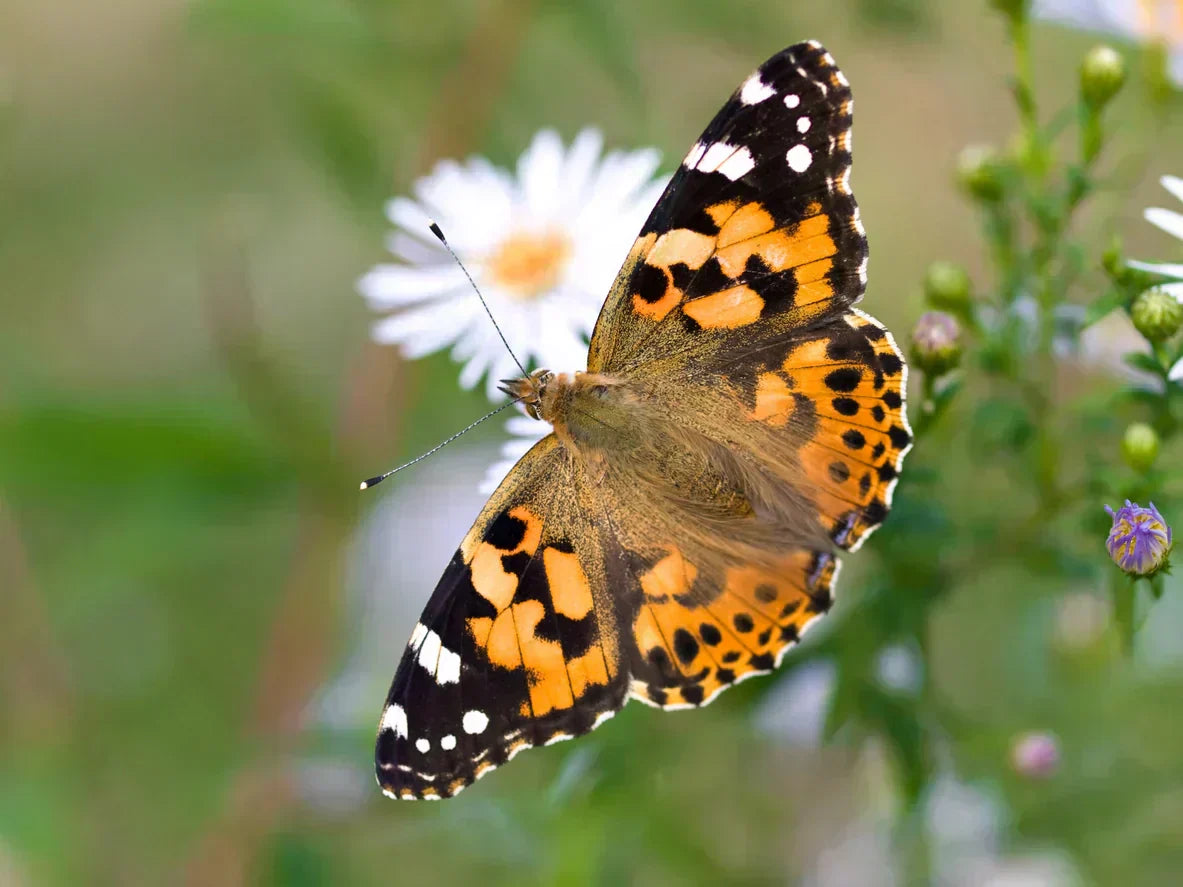
Have you ever wondered what the Painted Lady butterfly eats right after it emerges? Understanding its food source can give you a closer look at this beautiful insect’s early life and help you spot them in your garden.
Knowing what fuels these butterflies after they spread their wings is not just interesting—it can also guide you in creating a butterfly-friendly environment. Keep reading to discover exactly what the Painted Lady butterfly’s first meals are and why they matter to its survival and growth.

Credit: www.insectlore.com
Painted Lady Butterfly Basics
The Painted Lady butterfly is a fascinating insect that captures the attention of many butterfly enthusiasts. Understanding its basics helps you appreciate its journey and survival. From its vibrant wings to its feeding habits, every detail tells a story of adaptation and resilience.
Life Cycle Stages
The Painted Lady undergoes four distinct life stages: egg, larva (caterpillar), pupa (chrysalis), and adult butterfly. After emerging from the chrysalis, the adult butterfly immediately seeks nourishment to fuel its activities. Nectar from flowers is their primary food source at this stage, providing essential energy for flight and reproduction.
During the larval stage, the caterpillar feeds on thistle, hollyhock, and other host plants, which are crucial for its growth. This diet changes dramatically once it becomes an adult, showing the importance of different food sources at each phase.
Habitat And Distribution
Painted Lady butterflies thrive in a variety of environments, including meadows, gardens, and open fields. They are found almost worldwide, from North America to Europe and Asia. Their ability to adapt to different habitats is partly why they are one of the most widespread butterfly species.
Have you noticed Painted Ladies visiting your garden flowers? Planting nectar-rich flowers like asters, cosmos, and thistles can attract them, supporting their feeding after emergence. This simple action can make a big difference in helping these butterflies thrive in your area.
Diet Right After Emerging
Right after a Painted Lady butterfly emerges from its chrysalis, its diet becomes crucial for survival and energy replenishment. This delicate phase determines how well it can fly, find mates, and continue its life cycle. Understanding what fuels the butterfly immediately after emergence helps you appreciate the delicate balance of nature.
First Feeding Needs
Newly emerged Painted Lady butterflies need quick energy to strengthen their wings and gain mobility. Their first meals are rich in sugars that provide instant fuel. This quick energy burst is essential because they cannot afford to linger while vulnerable to predators.
Water is also important at this stage. Butterflies often seek out damp surfaces or morning dew to hydrate. Without proper hydration, their metabolic functions and flight muscles may not perform optimally.
Types Of Nectar Sources
Painted Lady butterflies favor nectar from a variety of flowers, especially those rich in sugar and easy to access. Some common favorites include:
- Thistles
- Milkweed
- Asters
- Sunflowers
- Cosmos
These flowers offer both abundant nectar and landing space, making them ideal feeding spots. Have you noticed which flowers attract the most butterflies in your garden? Watching their preferences can guide you to create a butterfly-friendly environment.
Next time you see a Painted Lady fluttering nearby, think about the vital first meals that keep it alive and vibrant. Offering the right nectar sources can help support these beautiful creatures right from the start of their adult life.
Preferred Flowers And Plants
The painted lady butterfly relies heavily on specific flowers and plants for nourishment after it emerges. Knowing which plants attract these butterflies can help you create a garden that supports their survival. Your choice of flowers can directly impact how often you see these beautiful insects fluttering around.
Common Nectar Plants
Painted ladies favor a variety of nectar-rich flowers. Some of the most popular choices include:
- Thistles:Their purple blooms are a top pick for painted ladies, offering rich nectar.
- Milkweed:Known for attracting many butterflies, milkweed provides both nectar and shelter.
- Cosmos:These bright, daisy-like flowers are easy to grow and loved by painted ladies.
- Sunflowers:Their large, open faces make nectar easily accessible.
- Asters:Blooming late in the season, asters provide a critical food source as other flowers fade.
Planting a mix of these will keep your garden buzzing with activity. Have you noticed which flowers your local butterflies prefer?
Seasonal Food Availability
Food availability changes with the seasons, and painted ladies adapt accordingly. Early spring offers fresh blooms like dandelions and pussy willows. These provide the first nectar sources after the butterflies emerge.
Summer brings a wider variety, including zinnias, marigolds, and lavender. These plants support the butterflies through their most active months.
As fall approaches, asters and goldenrods become vital. They sustain painted ladies during migration and before they enter dormancy. Planning your garden with these seasonal changes in mind ensures you support painted ladies year-round.

Credit: www.insectlore.com
Nutritional Importance Of Food
The food a Painted Lady butterfly chooses after emerging is crucial for its survival and success. This food provides essential nutrients that fuel its activities and support vital functions. Understanding this nutritional importance helps you appreciate how these butterflies thrive in the wild.
Energy Requirements
After emerging, the Painted Lady butterfly needs a quick energy boost to start flying and exploring. Nectar from flowers is its main energy source, rich in sugars like glucose and fructose. These sugars give the immediate power needed for flight and other activities.
Think about your own energy needs—would you skip breakfast and expect to run a marathon? The butterfly can’t either. Without this energy, it can’t escape predators or find suitable places to rest.
Role In Reproduction
Nutrition directly affects the butterfly’s ability to reproduce. A well-fed Painted Lady has more energy to find mates and lay eggs. Nectar provides the carbohydrates needed, but butterflies also seek plants with minerals and amino acids to boost egg production.
Have you noticed how some butterflies visit specific flowers repeatedly? They are selecting food that supports their reproductive health. If you want to support Painted Ladies in your garden, planting nectar-rich flowers can help them thrive and multiply.
Feeding Behavior And Patterns
The Painted Lady butterfly shows unique feeding behavior after emerging from its chrysalis. These butterflies rely on nectar from various flowers for energy. Their feeding patterns help them find food efficiently and survive in different environments. Observing their behavior gives insight into their role in nature and how they adapt to changes.
Feeding Times
Painted Lady butterflies mostly feed during the warm parts of the day. They prefer sunny hours when flowers are open and nectar is abundant. Early morning and late afternoon sees less feeding activity. These butterflies rest during cooler times and conserve energy. This pattern helps them avoid predators and harsh weather.
Interaction With Environment
Painted Ladies interact closely with their surroundings while feeding. They visit a wide variety of flowers, including thistles, asters, and milkweed. Their long proboscis allows them to reach deep nectar inside blooms. They also help pollinate plants as they move from flower to flower. This interaction supports local ecosystems and plant reproduction.

Credit: www.insectlore.com
Supporting Painted Lady Butterflies
Supporting Painted Lady Butterflies goes beyond just admiring their vibrant wings. It means creating an environment where they can thrive, feed, and complete their life cycle. By understanding their needs after emerging, you can make a real difference in their survival and help maintain the delicate balance of your local ecosystem.
Creating Butterfly-friendly Gardens
Plant a variety of nectar-rich flowers that bloom at different times to provide a steady food source for Painted Lady Butterflies. They particularly enjoy thistles, asters, and cosmos, which supply the energy they need after emerging.
Include host plants like thistles and mallows where the butterflies can lay eggs and caterpillars can feed. This creates a full life cycle habitat right in your garden.
Think about the layout—plant flowers in sunny spots with some shelter from strong winds. Butterflies are cold-blooded and need warmth to fly and feed effectively.
Avoiding Harmful Practices
Stay away from using pesticides and herbicides, which can be deadly to Painted Lady Butterflies at all stages of life. Even natural or organic options might harm them, so choose carefully.
Limit garden tidying during the butterfly season. Leaving some leaf litter and plant debris provides shelter and breeding grounds for these insects.
Have you ever noticed how a single spray can wipe out an entire patch of butterflies? Protecting their habitat means protecting your garden’s natural beauty and biodiversity.
Frequently Asked Questions
What Do Painted Lady Butterflies Eat After Emerging?
After emerging, Painted Lady butterflies primarily feed on nectar. They are attracted to flowers like thistles, asters, and sunflowers. These flowers provide essential nutrients and energy. Ensuring a variety of nectar sources supports their survival and aids in their migration journey.
How Do Painted Lady Butterflies Find Food?
Painted Lady butterflies use their keen sense of smell to locate food sources. They are attracted to bright, colorful flowers. Their long proboscis allows them to extract nectar from deep within the flowers, ensuring they get the necessary nutrients.
Are There Specific Plants Painted Lady Butterflies Prefer?
Yes, Painted Lady butterflies favor certain nectar-rich flowers. Thistles, asters, and sunflowers are among their top choices. These plants provide essential nutrients and are commonly found in their habitats. Planting these can attract and support these butterflies in your garden.
How Important Is Nectar For Painted Lady Butterflies?
Nectar is crucial for Painted Lady butterflies’ survival. It provides the energy needed for flight and reproduction. Without sufficient nectar, their migration and lifecycle processes could be hindered. A diverse range of flowering plants ensures they have consistent access to this vital resource.
Conclusion
The Painted Lady butterfly feeds on nectar from many flowers. It likes thistle, asters, and sunflowers best. These flowers give the energy it needs to fly and grow. Young butterflies must find these plants quickly after emerging. This food helps them survive and start their long journey.
Watching these butterflies can teach us about nature’s balance. Their food choices show how plants and insects depend on each other. Caring for flower-rich places helps Painted Ladies thrive everywhere. Small actions can protect these beautiful, delicate creatures.