Have you ever wondered where the best place in your home is to store emergency food supplies? When a crisis hits, having quick access to your food stash can make all the difference.
But it’s not just about having food—it’s about storing it right so it stays fresh, safe, and ready when you need it most. You’ll discover smart, practical spots in your home to keep your emergency food supplies organized and protected.
Keep reading, because knowing where to store your food could be the key to staying calm and prepared when the unexpected happens.
Choosing The Right Location
Choosing the right location for your emergency food supplies is crucial to keep your stock safe, fresh, and ready when you need it most. You want a spot that protects your food from damage and makes it easy for you to grab essentials quickly. Let’s look at the key factors to consider to find the perfect storage place at home.
Assessing Space Availability
Look around your home for spaces that are underutilized but dry and clean. Basements, pantries, closets, or even a sturdy cabinet can work well. Think about how much food you plan to store and whether the space can hold it without crowding or risking damage.
Do you have extra room in your kitchen? Shelves above the refrigerator or under the sink could be good spots for smaller supplies. If space is tight, consider stackable containers or vacuum-sealed bags to maximize what you can keep.
Considering Temperature And Humidity
Food lasts longer when kept in cool, dry conditions. Avoid places near heat sources like ovens or water heaters, which can cause food to spoil faster. High humidity can lead to mold or spoilage, so steer clear of damp areas like some basements or garages without climate control.
If your home tends to be warm or humid, think about using airtight containers with desiccant packs to protect your food. Have you checked the temperature fluctuations in your chosen spot at different times of the day? This can help ensure your supplies stay fresh.
Ensuring Easy Accessibility
Your emergency food should be easy to reach, especially in stressful situations. Avoid storing supplies in hard-to-access places like high shelves or deep storage boxes that require moving other items first. Keep frequently used items at eye level or in clearly labeled bins.
Imagine needing food quickly during a power outage or natural disaster. Would you be able to find and carry what you need without hassle? Organizing your supplies with clear labels and a simple system can save valuable time and reduce stress.
Kitchen Storage Options
Kitchen storage offers many smart ways to keep emergency food supplies safe and accessible. Using available space wisely helps avoid clutter and keeps food fresh longer. Organizing supplies in the kitchen means quick access during urgent times. Focus on areas that stay dry and cool to preserve food quality.
Pantry Organization Tips
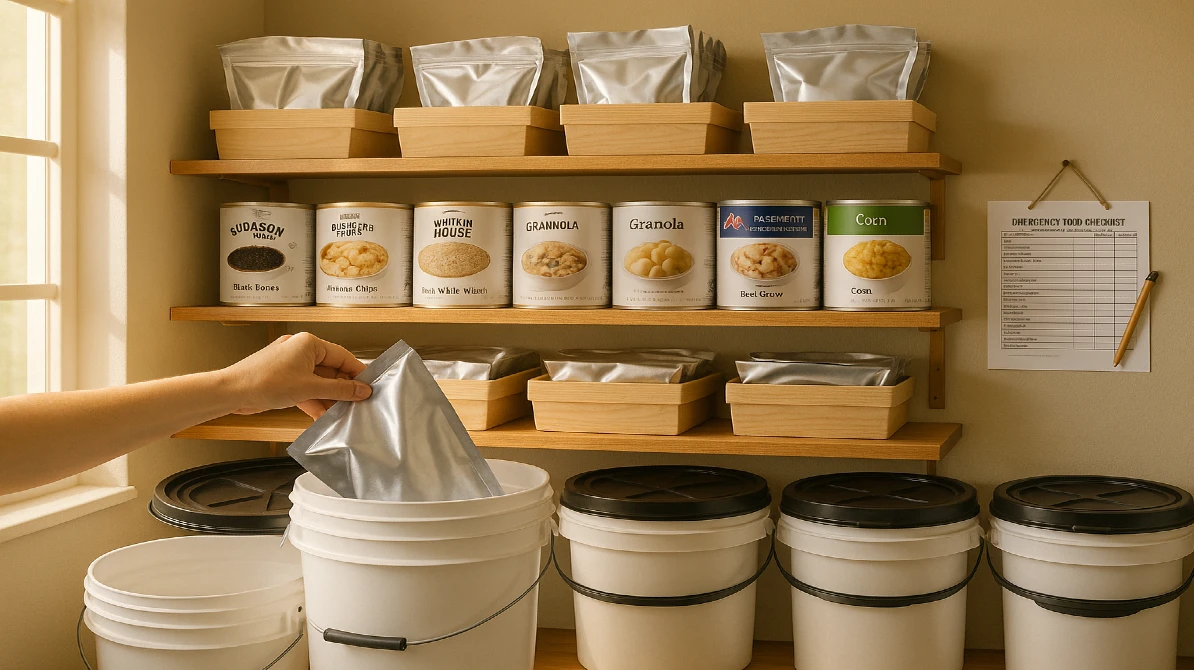
Keep emergency food in clear, airtight containers. Label each container with contents and expiration dates. Arrange items by type and use frequency for easy retrieval. Store heavier items on lower shelves to prevent accidents. Use stackable bins to save space and maintain order.
Utilizing Cabinets And Drawers
Cabinets offer secure places for canned goods and dry foods. Use drawer dividers to separate smaller packages and snacks. Rotate stock so older items are at the front. Avoid storing food near cleaning products to prevent contamination. Choose cabinets that remain cool and dry for better preservation.
Using Under-sink Areas
The under-sink space can store non-perishable emergency items. Protect food from moisture by using waterproof containers. Keep cleaning supplies separate and sealed tightly. Use this area for bulk items like bottled water or canned vegetables. Regularly check for leaks to ensure food safety.
Living Room And Common Areas
The living room and common areas are often overlooked spots for storing emergency food supplies. These spaces offer a balance of accessibility and discretion, making them ideal for quick grabs during unexpected situations. You can cleverly integrate storage without disrupting the room’s appearance or comfort.
Hidden Storage Furniture
Furniture with hidden compartments makes storing emergency food both practical and invisible. Think about ottomans or coffee tables with lift-up tops or side panels. These pieces provide secret spots to stash canned goods, dried fruits, or even water pouches without cluttering your space.
I once used a storage bench in my living room to hide extra rice bags and energy bars. It was easy to access and no one would guess it held emergency supplies. Could your current furniture double as a storage solution with a little creativity?
Using Decorative Bins And Boxes
Decorative bins and boxes blend seamlessly into your living room décor while keeping your emergency food organized. Choose containers that match your style—wooden crates, woven baskets, or colorful storage boxes work well. Label them clearly but discreetly to avoid confusion during an emergency.
Stacking these bins in corners or under side tables maximizes space without making your living area feel crowded. You might be surprised how much you can store if you use vertical space efficiently. What stylish containers do you have that could serve a double purpose?

Credit: trueprepper.com
Basement And Garage Solutions
Storing emergency food supplies in your basement or garage can be a smart choice, but it requires careful planning. These spaces often provide ample room and easy access, but they come with unique challenges. Managing temperature, safety, and pests are key to keeping your food fresh and secure over time.
Climate Control Considerations
Basements and garages tend to have fluctuating temperatures and humidity levels. These changes can spoil food faster or cause packaging to degrade. You might want to use a dehumidifier or install insulation to maintain a stable environment.
Think about using airtight containers that help protect food from moisture. Also, avoid storing food near water heaters or windows where temperature swings are frequent. Have you checked the temperature range in these areas during different seasons?
Safe Storage Practices
Keep your emergency food off the floor to prevent damage from possible water leaks. Use sturdy shelving units that can hold heavy cans and bulk items. Label everything clearly with purchase and expiration dates for quick rotation.
Stack heavier items on lower shelves to avoid accidents. Regularly inspect your stock to replace anything showing signs of spoilage. Would you consider adding a lock to your storage area for extra security?
Avoiding Pest Infestations
Pests can quickly ruin your emergency supplies if you’re not careful. Seal all food in thick plastic or metal containers to keep rodents and insects out. Check your basement and garage for any cracks or holes and seal them promptly.
Maintain cleanliness by sweeping and removing crumbs or spills immediately. Placing natural deterrents like bay leaves or cedar blocks can also help keep pests at bay. How often do you inspect your storage space for signs of pests?
Bedroom And Closet Spaces
Bedrooms and closet spaces offer excellent spots for storing emergency food supplies. These areas are often underused, making them perfect for keeping your essentials close and organized. You can keep emergency food safe and easy to reach without cluttering your kitchen or pantry.
Smart storage in bedrooms helps maintain a tidy home while preparing for unexpected situations. Use available space wisely to maximize storage capacity and protect your food from damage.
Maximizing Closet Shelves
Closet shelves provide sturdy, accessible storage for food supplies. Use clear containers or bins to group similar items together. This keeps food organized and easy to find during emergencies.
- Stack cans and jars neatly to save space.
- Label containers with expiration dates for quick checks.
- Place heavier items on lower shelves for safety.
Adjust shelf heights if possible to fit larger containers. Use vertical space efficiently by adding small racks or shelf dividers. This prevents items from toppling and keeps everything visible.
Under-bed Storage Ideas
The space under the bed is perfect for storing emergency food in flat containers or boxes. Choose airtight bins to protect food from dust and pests.
- Use rolling containers for easy access.
- Store lightweight, non-perishable foods here.
- Keep a small inventory list taped on the container.
This storage method keeps supplies out of sight but within reach. It also frees up closet or shelf space for other essentials. Under-bed storage works well for bulk items like rice, pasta, or dried beans.

Credit: trueprepper.com
Creative And Unconventional Spots
Finding space for emergency food supplies can be tough in small homes. Creative and unconventional spots help keep your food safe and accessible. These hidden places also protect food from pests and moisture.
Think beyond the pantry or basement. Use spaces that don’t usually store food. These ideas keep your supplies out of sight and organized.
Inside Furniture Compartments
Many furniture pieces have secret compartments perfect for food storage. Look for sofas with storage under the seats or beds with built-in drawers. These spots keep food dry and away from sunlight.
- Use ottomans with hollow interiors to store canned goods.
- Store sealed food containers inside drawer dividers.
- Hide food in bookcases with hidden shelves or false bottoms.
This method keeps emergency food close but discreet. It also adds extra storage without cluttering your home.
Using Attic Or Crawl Spaces
Attics and crawl spaces offer large, unused areas for food storage. These spots stay out of the way and can hold bulk supplies. Proper ventilation is key to prevent moisture buildup.
- Seal containers tightly to protect against pests and dust.
- Use plastic bins with lids for easy stacking and organization.
- Label containers clearly for quick access during emergencies.
Check temperature and humidity regularly. Use moisture absorbers to keep food fresh longer.
Maintaining Your Food Supplies
Maintaining your emergency food supplies is just as important as storing them properly. Without regular attention, your stockpile can become outdated or unusable when you need it most. Staying organized and proactive ensures your supplies stay fresh and ready.
Rotating Stock Regularly
Rotating your food stock means using older items first and replacing them with new ones. This practice helps prevent waste and keeps your supplies fresh. Have you ever opened a can only to find it expired? Avoid that disappointment by always placing new purchases behind older items on your shelves.
Make it a habit to check your storage every few months. Move older items to the front and newer items to the back. This simple rotation can save you money and hassle in emergencies.
Checking Expiry Dates
Expiry dates are more than just numbers; they tell you when food might lose its nutritional value or safety. Check dates carefully when you buy and regularly while storing. Have you found expired food in your emergency stash before?
If you spot anything past its prime, remove it immediately. Keeping expired items only clutters your storage and reduces your emergency readiness. Consider marking expiry dates on a calendar or reminder app to stay on top of checks.
Keeping An Inventory List
Keeping a detailed inventory list of your emergency food supplies can save you time and stress. Write down what you have, the quantity, and expiry dates. This way, you avoid buying duplicates or missing out on replacing important items.
Use a notebook, spreadsheet, or a simple app to track your stock. Update it each time you add or use supplies. Have you noticed how much easier shopping becomes when you know exactly what you already have?

Credit: nypost.com
Frequently Asked Questions
Where Is The Best Place To Store Emergency Food?
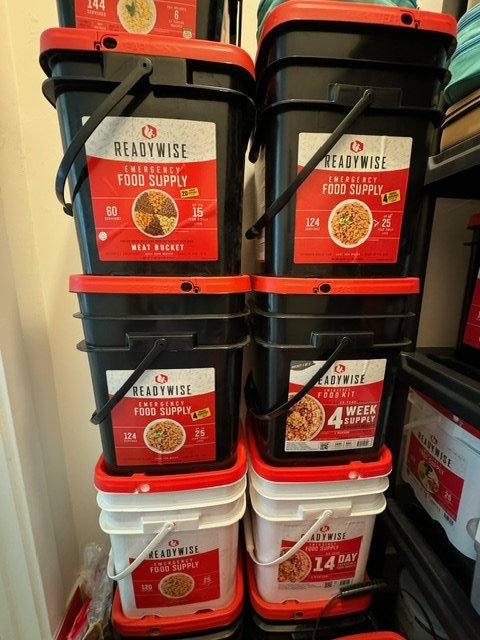
The best place is a cool, dry, and dark area. Basements, pantries, or dedicated storage closets work well. Ensure the space is free from pests and moisture. Keep food items off the floor and away from sunlight. Regularly check and rotate your supplies to maintain freshness.
How Can I Organize Emergency Food Supplies?
Organize by categorizing food items and labeling them clearly. Use shelves or storage bins to maximize space. Place older items in front to use them first. Keep a list of your inventory and expiration dates. This helps in maintaining a well-stocked and organized supply.
Should Emergency Food Be Stored In Original Packaging?
It’s best to transfer to airtight containers for longer shelf life. Original packaging may not be moisture or pest resistant. Airtight containers protect food from spoilage and contamination. Label containers with expiration dates. This ensures you consume foods while they are still safe and fresh.
What Temperature Is Ideal For Storing Emergency Food?
The ideal temperature is between 50°F and 70°F. Extreme temperatures can degrade food quality. Avoid storing food near heat sources like ovens or heaters. Consistent, cool temperatures help maintain nutritional value and taste. Regularly monitor storage area temperature for optimal food preservation.
Conclusion
Storing emergency food at home takes smart planning. Choose cool, dry places that stay dark. Keep food in easy-to-reach spots for quick access. Rotate supplies regularly to avoid spoilage. Label containers with dates to track freshness. Think about space in closets, cabinets, or under beds.
A good storage plan helps you stay ready and calm. Simple steps make a big difference during emergencies. Start organizing your emergency food supplies today for peace of mind.