Have you ever wondered if deadly bacteria like anthrax can live in water? Understanding this is crucial for your safety and the health of your community.
You might think water naturally cleanses harmful germs, but the truth about anthrax is surprising. If you want to know how long anthrax can survive in water and what risks it might pose to you and your loved ones, keep reading.
This article will give you clear answers and important tips to stay protected.
Credit: www.discovermagazine.com
Anthrax Basics
Understanding anthrax is essential before exploring its survival in water. Anthrax is a serious infection caused by a bacterium. It can affect both humans and animals. Knowing its nature helps to grasp how it behaves in different environments.
What Is Anthrax?
Anthrax is caused by the bacterium Bacillus anthracis. This bacterium forms tough spores that survive harsh conditions. These spores can live in soil for many years. They remain inactive until they find a host. Anthrax can infect animals like cattle, sheep, and goats. Humans usually get infected through contact with these animals or their products.
How Anthrax Infects
Anthrax infects through spores entering the body. Spores can enter through:
- Cuts or wounds on the skin
- Inhalation of spores
- Eating contaminated meat
Once inside, spores become active bacteria. They multiply quickly and release toxins. These toxins cause severe illness. The infection type depends on how spores enter the body. Skin infection is most common and less deadly. Inhalation anthrax is rare but very dangerous.
Credit: www.nature.com
Anthrax In Water
Anthrax in water is a topic that raises important questions about safety and environmental health. You might wonder if the bacteria causing anthrax can survive in bodies of water like lakes, rivers, or even drinking sources. Understanding how anthrax behaves in aquatic environments helps you make informed decisions about water use and contamination risks.
Survival Mechanisms In Water
Anthrax bacteria form hardy spores that can survive harsh conditions, including those found in water. These spores are resistant to heat, chemicals, and drying, which allows them to persist for long periods. Once in water, the spores can remain dormant but viable, waiting for favorable conditions to reactivate.
Interestingly, these spores can attach to sediment and organic material, which may protect them from natural degradation. This attachment can make spores harder to remove from water through simple filtration. Have you ever considered how water treatment processes handle such tough spores?
Factors Affecting Longevity
The survival of anthrax spores in water depends on several factors that influence their longevity. Temperature plays a big role—colder water temperatures tend to preserve spores longer, while warmer temperatures may reduce their viability more quickly. The presence of sunlight, especially UV radiation, can also damage spores over time.
Other elements like pH levels and water movement matter as well. Spores survive longer in neutral to slightly alkaline water and may be washed away or diluted in fast-moving streams. Stagnant waters, like ponds or reservoirs, can harbor spores for extended periods.
- Low temperatures slow down spore degradation
- UV light exposure reduces spore viability
- Neutral to alkaline pH favors spore survival
- Water flow affects spore distribution and concentration
Understanding these factors helps you assess the potential risk of anthrax contamination in your local water sources. How would you approach testing or treating water if you suspected contamination with these resilient spores?
Environmental Impact
The environmental impact of anthrax surviving in water is a critical concern for public health and ecosystems. Understanding how this bacterium behaves in aquatic environments helps you assess risks to wildlife, livestock, and communities. It also guides you in managing water safety and preventing outbreaks.
Water Sources At Risk
Surface waters like lakes, ponds, and rivers can become reservoirs for anthrax spores. These spores are tough and can survive long periods, especially in cool, moist conditions. Groundwater near contaminated sites is also vulnerable, especially if soil disturbance releases spores into the water table.
You might not realize that even small water bodies on farms can pose a threat. Animals drinking from these sources can ingest spores and become infected. This creates a cycle where spores re-enter the environment, making control difficult.
Transmission Through Water
Anthrax spores in water can infect animals and humans primarily through ingestion. Drinking contaminated water or using it to wash wounds opens the door for infection. Spores can also enter through cuts or abrasions exposed to dirty water.
Think about how communities relying on untreated water face hidden dangers. This raises the question: How often do you consider water quality in your daily activities? Protecting water sources and ensuring proper treatment can break the chain of transmission.
Health Risks From Contaminated Water
Contaminated water poses serious health risks, especially if it harbors dangerous bacteria like anthrax spores. These spores can survive in water under certain conditions, turning a simple drink or swim into a potential infection hazard. Understanding these risks helps you protect yourself and your community from hidden dangers in everyday water sources.
Infection Symptoms
When anthrax spores enter your body through contaminated water, symptoms can appear quickly or take a few days. Early signs often include fever, chills, and fatigue, which might feel like the flu.
Digestive anthrax, caused by swallowing spores, can lead to severe stomach pain, vomiting, and diarrhea. Inhalation from water droplets is rare but can cause breathing difficulties and chest pain.
Recognizing these symptoms early is crucial. Have you ever wondered why some illnesses feel worse after drinking water from certain places? It could be linked to unseen spores or bacteria.
Exposure Scenarios
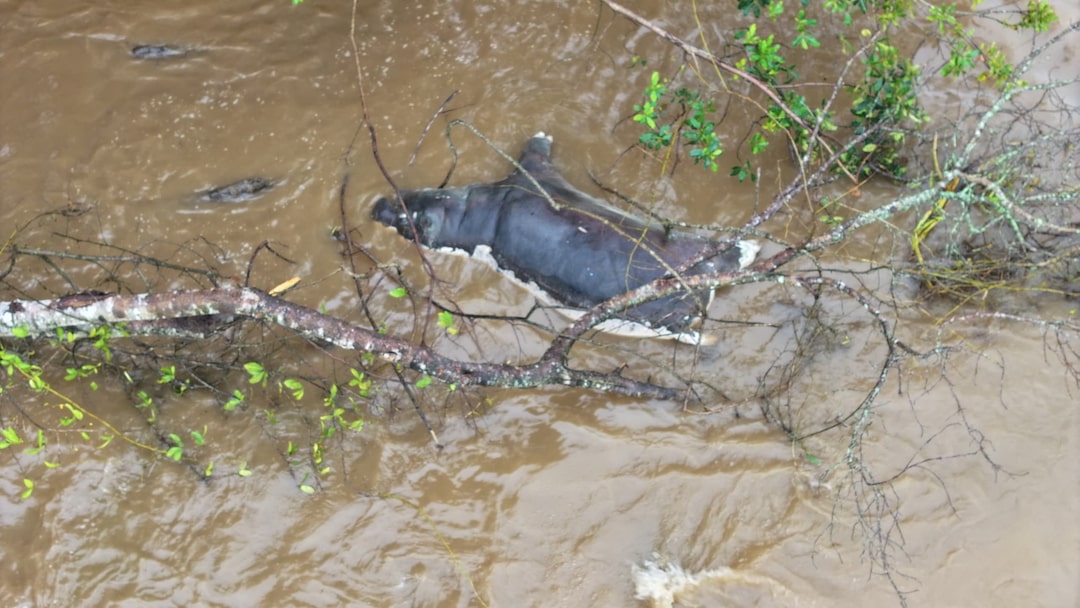
You might come into contact with anthrax spores in water during outdoor activities like swimming or fishing in untreated lakes and rivers. Flooding can also spread spores from soil into water supplies, increasing exposure risks.
Households using untreated well water in rural areas are particularly vulnerable. People working in livestock farming or handling animal products may accidentally introduce spores into nearby water sources.
- Drinking untreated or poorly treated water
- Bathing or swimming in contaminated water bodies
- Using contaminated water for irrigation of food crops
- Floodwaters mixing with soil containing spores
Have you checked how safe your water source is lately? Small steps like boiling water or using filtration can reduce your risk significantly.
Detection And Prevention
Detecting and preventing anthrax in water is crucial to protect public health. Anthrax spores can survive in harsh environments, including water sources. Identifying contamination early stops the spread of this dangerous bacterium. Prevention reduces risks and ensures safe water for communities.
Testing Water For Anthrax
Testing water for anthrax involves collecting samples from various sources. Laboratories use special techniques to identify Bacillus anthracis spores. Common methods include:
- Culture tests to grow bacteria from water samples
- Polymerase chain reaction (PCR) to detect anthrax DNA
- Immunoassays to find specific anthrax proteins
Regular testing helps catch contamination early. It ensures water safety before use.
Water Treatment Methods
Several treatment methods can remove or kill anthrax spores in water. These include:
- Boiling water for at least one minute
- Chlorination using proper chemical doses
- Ultraviolet (UV) light treatment to destroy spores
- Filtration through specialized filters
Combining methods increases effectiveness. Safe water prevents disease and protects health.

Credit: www.nature.com
Case Studies
Understanding how anthrax behaves in water is more than a scientific question; it has real-world implications for public health and safety. Case studies provide valuable insights into the risks and responses linked to anthrax contamination in water sources. These examples highlight what has been encountered and what can be done to better protect communities.
Historical Outbreaks Involving Water
Several outbreaks in history have shown that water can act as a medium for anthrax spores to spread. In 1979, an industrial accident in Sverdlovsk, Russia, released anthrax spores, contaminating local water sources and causing numerous infections. This incident revealed how vulnerable water supplies can be to contamination and the importance of monitoring.
Another case occurred in livestock watering holes, where contaminated water led to repeated anthrax infections among animals. These outbreaks often affected rural communities relying on untreated water, emphasizing the need for careful water management in farming areas.
Lessons Learned
- Early Detection Matters:Rapid identification of contaminated water sources can prevent the spread of anthrax infections.
- Water Treatment is Crucial:Simple filtration and disinfection methods can reduce the risk of exposure.
- Community Awareness Helps:Educating people about the dangers of using untreated water in at-risk areas can save lives.
Think about your local water supply. Are there measures in place to detect or prevent contamination? These case studies remind us that vigilance and preparedness can make a critical difference. What steps will you take to ensure your water is safe?
Frequently Asked Questions
Can Anthrax Bacteria Live In Water?
Yes, anthrax bacteria can survive in water for a limited time. They form spores, which are highly resistant. These spores can persist in aquatic environments, posing potential risks. However, they are more stable in soil than water. Proper treatment and disinfection can help eliminate anthrax from water sources.
How Long Can Anthrax Survive In Water?
Anthrax spores can survive in water for weeks to months. Their longevity depends on environmental conditions. Factors like temperature and water quality influence their survival. While they are resilient, regular water treatment reduces their presence. Monitoring and maintaining water quality is crucial to minimize risks.
Is Drinking Water Safe From Anthrax?
Drinking water is generally safe from anthrax with proper treatment. Municipal water systems use disinfection processes to eliminate pathogens. Chlorination and filtration help remove contaminants, including anthrax spores. It’s essential to follow local health guidelines. Bottled water from reputable sources is also a safe option.
Can Anthrax Spread Through Water?
Anthrax is unlikely to spread through water transmission. It’s primarily contracted through direct contact with infected animals or contaminated products. Waterborne transmission requires high concentrations of spores, which are uncommon. However, contaminated water can pose risks in specific situations. Ensuring water safety through treatment is vital.
Conclusion
Anthrax spores can survive in water for long periods. This makes water a possible source of infection. Knowing this helps protect animals and people. Always treat water carefully in areas at risk. Clean water and good hygiene reduce chances of spreading anthrax.
Stay informed and cautious to stay safe. Understanding anthrax in water helps prevent illness. Simple actions can make a big difference.