Have you ever wondered if fleas can survive in water? If you’re dealing with these tiny, pesky insects, this question might have crossed your mind.
Understanding whether water can stop fleas is key to controlling them effectively. You’ll discover surprising facts about fleas and water that could change the way you handle your flea problem. Keep reading to learn how to protect your home and pets from these stubborn pests once and for all.
Flea Biology Basics
Understanding flea biology is key to knowing if fleas can survive in water. Fleas are tiny, tough insects that live by feeding on blood. Their body and life cycle help them survive in many conditions.
Life Cycle Of Fleas
The flea life cycle has four stages:
- Egg:Tiny and white, laid on animals or nearby areas.
- Larva:Small, worm-like, avoid light, feed on organic debris.
- Pupa:Cocoon stage, can stay inactive for months.
- Adult:Blood-feeding stage, jumps to find hosts.
This cycle can last from two weeks to several months, based on conditions.
Physical Adaptations
Fleas have special features for survival:
- Strong legs:Built for jumping great distances.
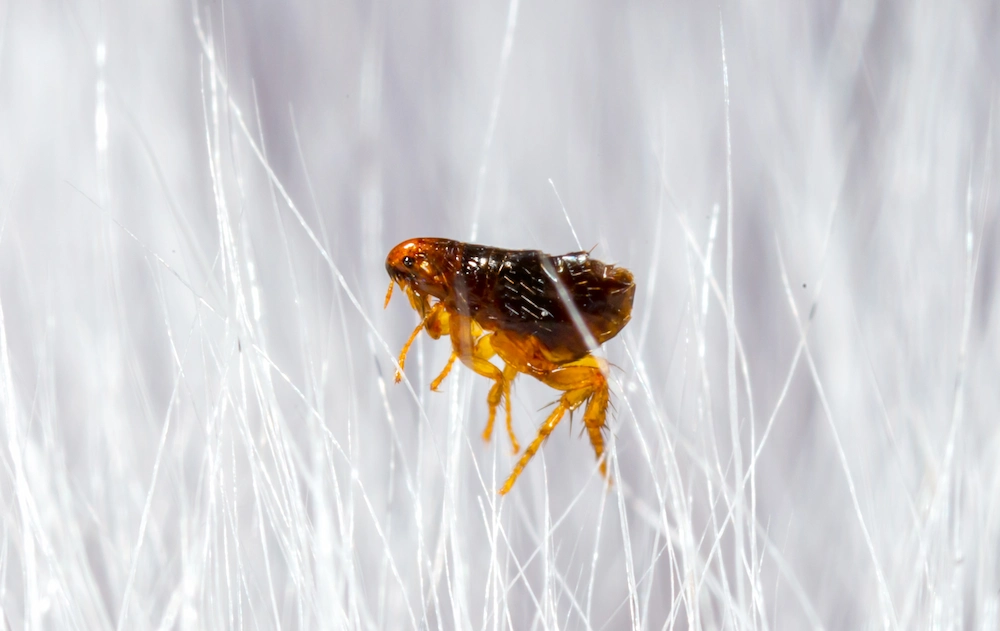
- Flat body:Helps move easily through fur or feathers.
- Hard exoskeleton:Protects from crushing and water.
- Water resistance:Flea bodies have a waxy coating that repels water.
These traits make fleas hard to drown or wash away with water.

Credit: godoggiestyle.com
Fleas And Water Interaction
Understanding how fleas interact with water can help you tackle infestations more effectively. Many people assume that fleas drown easily, but the reality is more complex. Knowing whether fleas can survive or swim in water can influence your approach to pest control.
Can Fleas Swim?
Fleas do not have the ability to swim. Their bodies are adapted for jumping and crawling, not for moving through water. If you drop a flea into water, it will struggle to stay afloat and cannot propel itself like aquatic insects.
However, fleas can survive brief exposure to water. They might cling to surfaces or debris, avoiding complete submersion. This means simply dunking pets or areas in water may not be enough to eliminate fleas entirely.
Effect Of Water On Flea Survival
Water can impact fleas differently depending on the duration and conditions of exposure. A flea trapped underwater for several minutes will eventually drown. But if water is shallow or the flea can escape quickly, it may live to jump again.
Here are some practical points to consider:
- Fleas can survive washing in a pet bath if the water is not soapy or treated with insecticides.
- Soapy water breaks the flea’s outer layer, making it more likely to drown.
- Flea larvae are more vulnerable to water than adult fleas, so cleaning pet bedding can help reduce numbers.
Have you noticed that fleas often appear shortly after rain? This is because moisture alone does not kill fleas, but it can affect their environment and behavior. Understanding how water interacts with fleas helps you decide when and how to treat your home and pets effectively.
Scientific Studies On Fleas And Water
Scientific studies on fleas and water explore whether fleas can survive in wet environments. Researchers test flea survival under various conditions. These studies help understand flea behavior and control methods.
Lab Experiments
Lab tests place fleas in water to check survival time. Most adult fleas drown quickly within minutes. Some flea larvae can survive longer by floating or clinging to surfaces. Scientists measure how long fleas stay alive in water at different temperatures.
Experiments also test flea eggs in water. Eggs usually do not survive prolonged immersion. Lab work shows that water alone is not a safe place for fleas to live or breed.
Field Observations
Field studies observe flea activity in natural wet areas. Fleas rarely thrive in flooded or very wet habitats. They prefer dry, warm places on hosts or in soil. After rain, flea numbers tend to drop temporarily.
Researchers note that fleas avoid water pools and damp soil. Flea infestations often decline in rainy seasons. Field data supports lab results that water limits flea survival outside hosts.

Credit: www.terminix.com
Common Myths About Fleas And Water
Many people have wrong ideas about fleas and water. Some believe fleas cannot survive in water. Others think water alone can get rid of fleas on pets. These myths cause confusion about the best ways to control fleas.
Understanding the truth helps pet owners keep their animals safe and flea-free. It also stops wasting time on ineffective treatments. Let’s clear up common myths about fleas and water.
Does Bathing Pets Eliminate Fleas?
Bathing pets helps remove some fleas but does not kill them all. Fleas hold tightly to fur and skin. Water alone cannot drown fleas quickly. Some fleas can survive under water for hours.
Special flea shampoos contain ingredients to kill fleas. Regular soap or water does not work as well. Bathing pets often helps reduce flea numbers but does not fully solve the problem.
Using Water As A Flea Control Method
Using water alone to control fleas is not effective. Fleas can survive in water for some time and escape. Water does not reach flea eggs or larvae hidden in carpets or bedding.
Proper flea control needs multiple steps:
- Use flea treatments recommended by a vet
- Clean pet bedding and living areas regularly
- Vacuum carpets and furniture often
- Wash pet bedding in hot water
Water helps clean but does not kill fleas by itself. Combining cleaning with safe flea treatments works best.
Effective Flea Control Strategies
Fleas can be stubborn pests, and controlling them requires a clear plan that targets their lifecycle and environment. Effective flea control strategies combine treatments that work quickly with ongoing efforts to prevent re-infestation. Understanding the options available will help you regain control of your home and protect your pets.
Chemical Treatments
Chemical treatments remain one of the fastest ways to reduce flea populations. Products like spot-on treatments, flea collars, and oral medications can kill fleas on your pets before they lay eggs. Remember, these treatments often need to be repeated according to the product instructions to break the flea lifecycle completely.
Using a household flea spray or fogger can treat your living space, but always follow safety guidelines. Avoid overusing chemicals; ask yourself if you’re targeting all flea stages or just adults. Spot treatments are powerful, but they work best combined with other strategies.
Natural Remedies
If you prefer avoiding chemicals, natural remedies can also help manage fleas. Diatomaceous earth, a fine powder made from fossilized algae, can be sprinkled on carpets and pet bedding to dry out fleas and their eggs. Regular vacuuming enhances its effectiveness by removing debris and fleas.
Essential oils like lavender or cedarwood may repel fleas, but be cautious—they can irritate pets or humans if used improperly. Have you tried simple remedies like apple cider vinegar sprays? They might not kill fleas instantly but can discourage them from settling on your pets.
Environmental Management
Controlling fleas isn’t just about treating your pets—it’s about managing your environment. Wash pet bedding, blankets, and cushions in hot water weekly to kill flea eggs and larvae. Keep your lawn trimmed and remove debris where fleas can hide outdoors.
Vacuum floors and furniture regularly to remove fleas and eggs, and dispose of vacuum bags immediately. Consider sealing cracks in floors or walls where fleas can breed unnoticed. Think about your home as a flea habitat and ask: what areas am I missing in my cleaning routine?
Credit: romneypestcontrol.com
Frequently Asked Questions
Can Fleas Drown In Water?
Fleas can drown in water, but it’s not immediate. They can survive for a short period due to their ability to float and resist water. However, prolonged exposure to water will eventually drown them.
How Long Can Fleas Stay In Water?
Fleas can survive in water for up to 24 hours. Their ability to float helps them resist drowning for a while. However, eventually, they will succumb to the water if submerged long enough.
Do Fleas Die In Soapy Water?
Yes, fleas die in soapy water because soap breaks their water-resistant coating. This causes them to sink and drown more quickly. Soapy water is an effective method for killing fleas during a bath.
Can Fleas Swim In Water?
Fleas cannot swim but can float on water. They rely on their lightweight bodies and water-resistant coating to remain on the surface. However, they will eventually drown if submerged.
Conclusion
Fleas cannot live long underwater. They struggle to breathe and survive in water. Drowning kills most fleas quickly. Water alone does not stop flea eggs or larvae. Cleaning pets and homes is important to control fleas. Using treatments helps keep fleas away.
Understanding flea survival helps protect your pets. Stay careful and act fast to fight fleas. Simple steps can make a big difference.