Have you ever wondered if a tortoise can survive in water? It’s a question that might surprise you, especially if you’re curious about these slow-moving creatures.
You might think tortoises, with their hard shells and land-loving habits, would struggle in water. But what really happens if a tortoise ends up in a pond or a pool? Understanding this can help you take better care of your pet or satisfy your natural curiosity.
Keep reading to uncover the truth about tortoises and water—what’s safe for them, what’s dangerous, and why it matters to you.

Credit: microbiozindia.com
Tortoise Habitat Basics
Understanding the basics of a tortoise’s habitat is key to knowing if it can survive in water. Tortoises are land dwellers with specific needs that differ greatly from aquatic animals. Let’s look closer at where they live and how that shapes their survival instincts.
Natural Living Conditions
Tortoises thrive in dry, warm environments such as deserts, grasslands, and scrub forests. Their bodies are built to handle hot temperatures and limited water sources. They dig burrows or find shaded spots to avoid extreme heat during the day.
Unlike animals that live in water, tortoises get most of their hydration from the food they eat, like plants and fruits. They are not swimmers and do not have adaptations for swimming or breathing underwater. Have you ever seen a tortoise willingly enter deep water? It’s rare because their natural habitat doesn’t include large bodies of water.
Differences Between Tortoises And Turtles
People often confuse tortoises with turtles, but their habitats set them apart clearly. Turtles are mostly aquatic or semi-aquatic and have webbed feet or flippers designed for swimming. Tortoises, on the other hand, have sturdy, elephant-like legs meant for walking on land.
This difference in habitat means their survival skills vary. Turtles can hold their breath underwater and swim efficiently, while tortoises risk drowning if submerged for too long. Knowing these differences helps you understand why a tortoise’s survival in water is limited and why their habitat must be respected.
Water And Tortoise Physiology
Tortoises are land animals, but water affects their bodies in unique ways. Understanding their physiology helps explain how they interact with water. Their bodies are built mainly for walking on land, not swimming. Water can be a challenge for tortoises because of their breathing and body structure.
Breathing And Swimming Abilities
Tortoises breathe air through lungs. They cannot breathe underwater. They hold their breath for a short time while submerged. This limits how long they can stay in water safely.
Swimming is not a natural skill for most tortoises. They may paddle slowly with their legs. Unlike turtles, tortoises lack webbed feet. Their legs are thick and strong for walking, not swimming.
Body Structure Adaptations
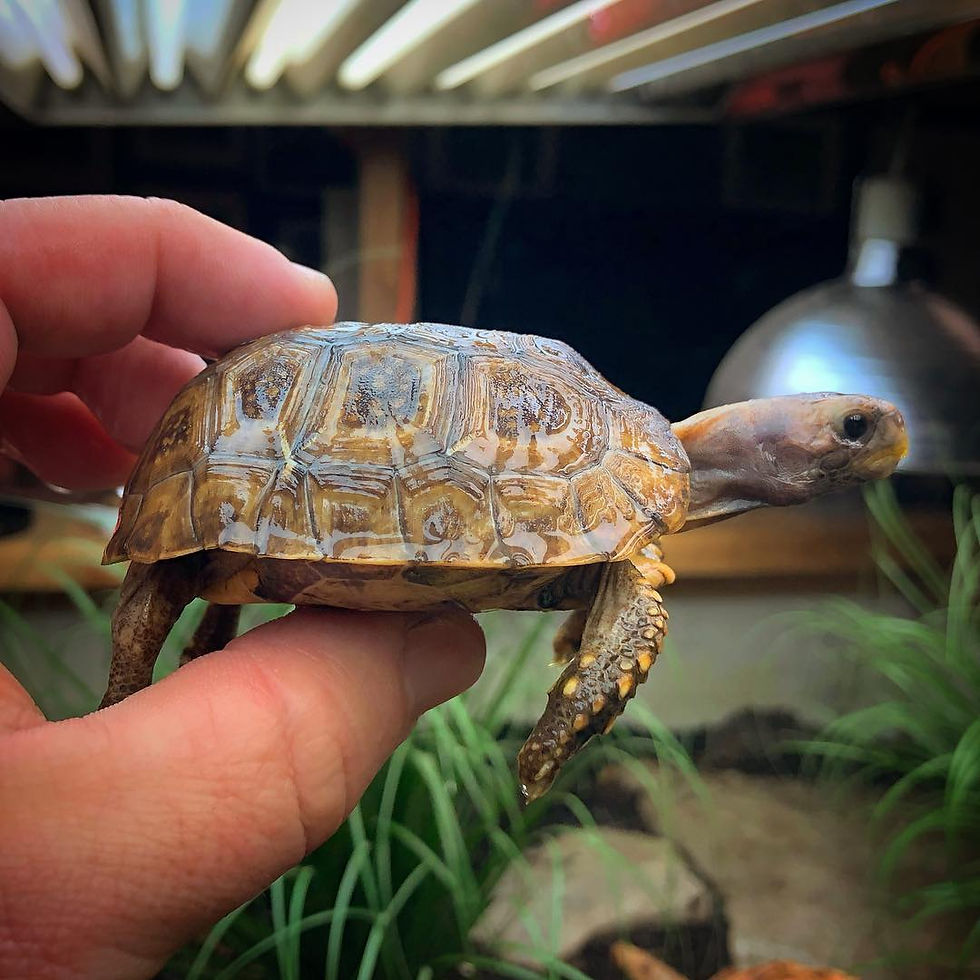
Tortoises have heavy, dome-shaped shells. These shells protect them on land but make swimming hard. The weight pulls them down in water. Their legs are thick with claws for digging and walking.
Unlike aquatic turtles, tortoises do not have flat, streamlined shells. Their body shape is not built for floating or moving fast in water. Their muscles are adapted for strong steps, not swimming strokes.
Common Myths About Tortoises In Water
Tortoises and water have long been surrounded by myths that confuse many pet owners and nature enthusiasts. Understanding what tortoises really need helps you care for them properly and avoid harmful mistakes. Let’s clear up some common myths about tortoises in water.
Tortoises As Aquatic Animals
Many people think tortoises are like turtles and can live in water. This is not true. Tortoises are land animals; they have heavy, dome-shaped shells and thick legs made for walking on solid ground, not swimming.
Unlike aquatic turtles, tortoises lack webbed feet, which makes swimming difficult and dangerous for them. If you have a tortoise, providing a watery environment could stress them or even cause drowning.
Survival Myths And Misconceptions
There’s a popular belief that tortoises can hold their breath underwater for a long time or survive by soaking in water. Actually, tortoises can drown if submerged for too long.
Some owners think occasional soaking is good for hydration. While brief soaking can help with hydration and shedding, prolonged exposure to water can cause respiratory infections.
Have you ever wondered why tortoises avoid deep water in the wild? It’s because their bodies aren’t designed to float or swim efficiently. Respecting their natural limits keeps your tortoise safe and healthy.

Credit: www.hygger-online.com
Risks Of Water Exposure
Water might seem like a natural environment for many reptiles, but tortoises are a different story. Their bodies and behaviors are not designed for prolonged water exposure. Understanding the risks involved can help you keep your tortoise safe and healthy.
Drowning Hazards
Tortoises are not strong swimmers. Their heavy shells and short legs make it difficult for them to stay afloat. Even shallow water can pose a serious risk of drowning if they cannot climb out easily.
Have you ever seen a tortoise struggle in water? It’s alarming how quickly they can tire. If you provide a water source, ensure it has gentle slopes or ramps so your tortoise can exit without help.
Health Issues From Water Contact
Extended contact with water can cause skin problems in tortoises. Their shells and skin may become soft or develop fungal infections if kept too wet. This is especially true in stagnant or dirty water.
Keep an eye on your tortoise’s shell condition. If you notice any discoloration, softness, or odor, it might be a sign of infection. Proper habitat humidity and dry resting areas are essential to prevent these issues.
Safe Interaction With Water
Safe interaction with water is essential for your tortoise’s health and happiness. While tortoises aren’t aquatic animals, they do need water for specific purposes like hydration and occasional bathing. Understanding how to provide water safely can prevent stress and health issues.
Bathing Practices
Giving your tortoise a bath can help with shedding and cleanliness. Use lukewarm water, about the same temperature you would use for a baby, to avoid chilling your pet. The water should be shallow—just enough to cover their legs but not their shell.
Bath time should last no longer than 15 minutes to prevent your tortoise from getting too cold or stressed. Always supervise your tortoise during baths. Never force them into the water; if they resist, try again later.
Hydration Needs
Tortoises get most of their hydration from the food they eat, but fresh water should always be available. Use a shallow dish that’s easy for your tortoise to access without risk of drowning. Change the water daily to keep it fresh and clean.
Watch for signs of dehydration like sunken eyes or lethargy. If you notice these, soaking your tortoise in shallow water can help rehydrate them quickly. How often do you check your tortoise’s water dish to ensure it’s clean and full?
Real-life Cases And Studies
Understanding whether a tortoise can survive in water requires looking at real-life cases and scientific studies. These observations shed light on their behavior and survival capabilities beyond common assumptions. Let’s dive into what captivity and the wild reveal about tortoises and water.
Observations In Captivity
Many tortoise owners have noticed their pets’ reactions to water. Some tortoises tolerate brief soaking sessions, often used to help with hydration or shedding.
However, prolonged exposure to water is usually harmful. For example, a captive Russian tortoise kept in a water-filled enclosure for hours developed respiratory issues. This shows that while short soaks can be beneficial, waterlogged environments pose serious risks.
Careful observation indicates tortoises instinctively avoid deep water. If you ever see your pet struggling in water, it’s a clear sign to intervene. This teaches you that monitoring your tortoise’s behavior in wet conditions is crucial for its health.
Wildlife Behavior Insights
In the wild, tortoises rarely enter water bodies. Their heavy shells and terrestrial adaptations limit swimming ability. However, some species have been seen crossing shallow streams or puddles after rain.
Research on wild tortoises shows they use water sources mainly for drinking and brief cooling. They tend to stay near safe, dry areas rather than swim or stay submerged.
One study observed desert tortoises carefully entering shallow water to hydrate but quickly returning to land. This behavior highlights their natural caution and survival instinct.
Have you ever wondered how your tortoise would react if it accidentally fell into water? These real-life examples suggest it’s not just about survival but about avoiding water altogether. You can use this knowledge to create a safer environment, keeping water hazards away from your tortoise’s habitat.
Tips For Tortoise Owners
Caring for a tortoise requires understanding its needs clearly. Water plays a complex role in a tortoise’s life. Knowing how to manage water exposure ensures their safety and health. Below are practical tips to help tortoise owners create a safe environment.
Creating A Suitable Habitat
Design the habitat with dry and shallow water areas. Tortoises need a place to drink and soak briefly. Avoid deep water spots that might cause drowning. Use a shallow water dish that is easy for the tortoise to climb out of.
Keep the habitat clean and well-drained. Moisture should not build up excessively. Provide warm, dry shelter where the tortoise can rest comfortably. Add natural elements like rocks and soil to mimic their natural environment.
Preventing Water-related Accidents
Always supervise your tortoise during water exposure. Do not leave them unattended near ponds or pools. Check water depth regularly to prevent accidental falls.
Use barriers or covers around water sources. This helps keep tortoises away from dangerous areas. Teach family members and visitors about water safety for tortoises. Small steps reduce risks and keep your pet safe.

Credit: sccf.org
Frequently Asked Questions
Can Tortoises Swim And Survive In Water?
Tortoises can swim but are not adapted for long water exposure. They risk drowning without air access and usually avoid deep water.
How Long Can A Tortoise Stay Underwater?
Tortoises can hold their breath for a few minutes. Prolonged underwater stays are dangerous and can cause stress or drowning.
Do Tortoises Need Water To Survive?
Yes, tortoises need water for drinking and hydration. However, they require dry land to rest and regulate body temperature.
What Happens If A Tortoise Is Submerged Too Long?
Submersion too long can lead to drowning or respiratory issues. Tortoises are land animals and cannot breathe underwater.
Conclusion
Tortoises are not built to live in water for long. They can swim a little but need land to rest and breathe. Staying too long in water can harm their health. Safe care means providing dry land and fresh water nearby.
Knowing their needs helps tortoises stay happy and healthy. Always watch them closely near water. This keeps them safe and strong. Caring well makes a big difference for tortoise survival. Simple steps protect these slow creatures every day.