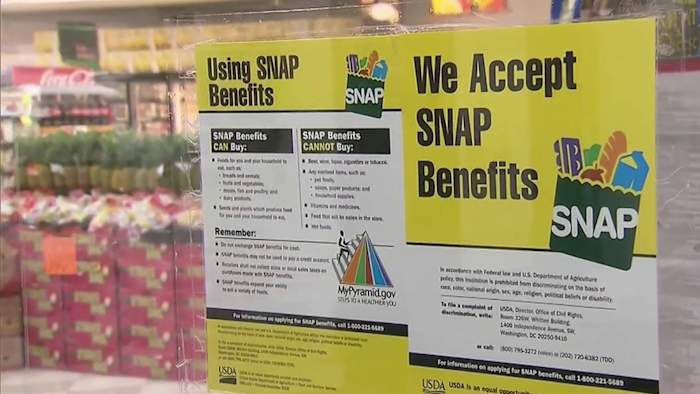
Have you ever faced a sudden moment when your kitchen shelves were empty, and you didn’t know where your next meal would come from? That’s where an emergency food pantry steps in to help you.
But what exactly is an emergency food pantry, and how can it make a difference in your life or the life of someone you care about? Keep reading to discover how this vital resource works and why it might be important for you to know about it—because being prepared can change everything.
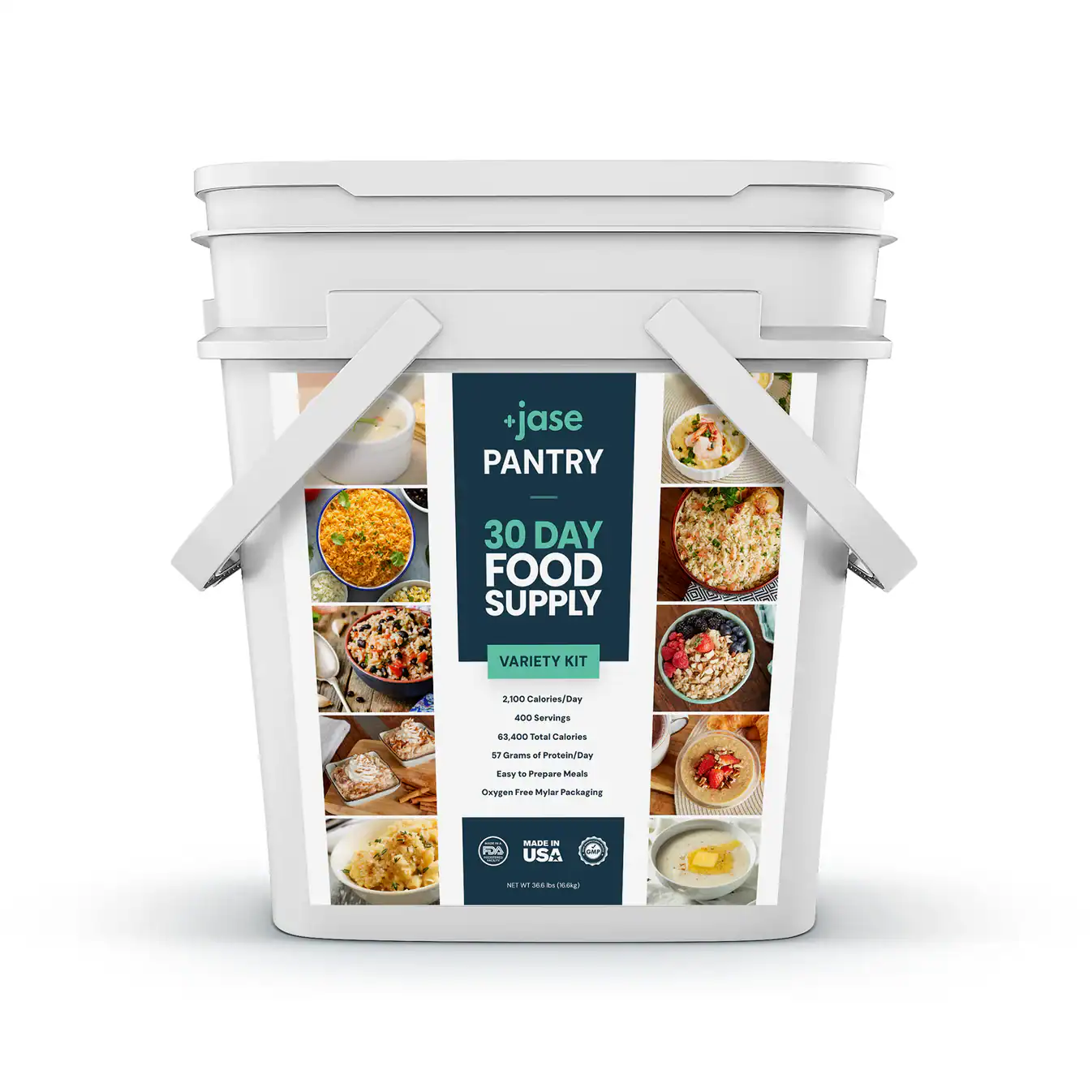
Credit: bushlife.ca
Emergency Food Pantry Basics
An emergency food pantry is a vital resource for many families. It provides free food to people facing tough times. These pantries help reduce hunger and support community health. Understanding the basics of an emergency food pantry can help you know how it works and who benefits.
Purpose And Importance
Emergency food pantries give food to people in urgent need. They fight hunger and help families stay nourished. These pantries ease the burden during job loss or financial trouble. They also support health by providing nutritious meals. Communities rely on them to reduce food insecurity.
Who Can Access
Anyone facing food shortages can use an emergency food pantry. Many pantries serve low-income families, seniors, and homeless individuals. Some require proof of need, while others are open to all. Pantries aim to help people quickly and respectfully. No one should go hungry in their community.
Common Food Items Provided
Food pantries offer a range of items to meet basic needs. Common items include:
- Canned vegetables and fruits
- Rice, pasta, and grains
- Canned meats and beans
- Peanut butter and jelly
- Milk and cereal
- Fresh produce when available
These items help families prepare simple, healthy meals at home.

Credit: www.hpfb.org
How Emergency Food Pantries Operate
Emergency food pantries help people facing food shortages. They work by collecting, storing, and giving food to those in need. Their operation relies on smooth processes, dedicated volunteers, and strong community support. Understanding how these pantries operate sheds light on their vital role in fighting hunger.
Distribution Process
Food pantries receive donations and store them carefully. They organize food into packages or bags. People in need visit or are referred to the pantry. Staff or volunteers give out food based on family size or needs. Some pantries allow clients to choose their items. This process helps reduce waste and respects client preferences.
Volunteer Roles
Volunteers are the backbone of food pantries. They sort and pack food items. They greet and assist visitors during distribution. Volunteers also help with cleaning and organizing the pantry. Some manage inventory and track supplies. Their work ensures the pantry runs smoothly every day.
Partnerships And Donations
Food pantries rely on partnerships with local farms, stores, and organizations. These partners donate food or funds regularly. Pantries also accept food drives from schools and communities. These donations keep shelves stocked and help serve more people. Good relationships with donors build trust and long-term support.
Situations That Require Emergency Food Aid
Emergency food pantries play a crucial role in supporting individuals and families facing sudden food shortages. Various unexpected situations can disrupt your access to regular meals, making emergency food aid a vital resource. Recognizing these situations helps you prepare or seek help when needed.
Natural Disasters
Natural disasters like hurricanes, floods, or wildfires can wipe out food supplies in your home and local stores. Power outages may spoil perishable food, leaving you with limited options. In these moments, emergency food pantries provide essential relief, offering non-perishable items that keep you and your family nourished.
Have you ever experienced a storm that left you without access to a grocery store? How did you manage your food needs during that time?
Job Loss And Financial Hardship
Losing a job or facing sudden financial difficulties can make it hard to afford groceries. Even a short gap without income can force you to choose between paying bills and buying food. Emergency food pantries step in to fill this gap, ensuring you don’t have to go hungry while you get back on your feet.
Think about your own financial ups and downs—would having a local food pantry nearby have eased your stress? What small steps can you take now to prepare for unexpected money challenges?
Health Emergencies
A health crisis, whether it’s a sudden illness or injury, can disrupt your ability to shop and cook. Hospital stays and medical bills often drain resources quickly, leaving little left for food. Emergency food aid can provide the nutrition you need without adding to your burden.
If you or someone you know has faced a health emergency, did food access become a challenge? How did you or they find support during that difficult period?
Finding And Using A Food Pantry
Finding and using a food pantry can provide vital support during tough times. Many communities offer emergency food pantries to help people with limited access to groceries. Knowing how to find these resources and what to expect makes the process easier and less stressful.
Food pantries serve anyone facing food insecurity. They offer free groceries to help families and individuals meet their basic needs. Visiting a pantry is simple, but understanding the steps can help you feel more comfortable and prepared.
Locating Pantries Near You
Start by searching online for food pantries in your area. Use terms like “food pantry” plus your city or neighborhood. Local community centers, churches, and social service offices often have lists of pantries.
Many websites and apps provide maps and contact details. Calling ahead can confirm hours and availability. Some pantries require appointments, while others accept walk-ins.
What To Expect During A Visit
When you arrive, staff or volunteers will greet you. They may ask for basic information to understand your needs. Some pantries offer pre-packed bags, others let you choose items yourself.
The items usually include canned goods, fresh produce, bread, and sometimes dairy or meat. Most pantries aim to provide enough food for several days. Respect the rules and be polite to staff and other visitors.
Eligibility Requirements
Many food pantries serve everyone without strict rules. Some ask for proof of residency or income to prioritize help. Requirements differ by location and pantry.
Common documents include ID, proof of address, or a benefits card. If you have questions about eligibility, ask the pantry staff. They can guide you through the process with kindness and respect.
Supporting Emergency Food Pantries
Supporting emergency food pantries is a meaningful way to help your community and make a real difference in the lives of people facing food insecurity. Your involvement can take many forms, from donating essential items to lending your time and voice. Each effort, big or small, strengthens the safety net for those in urgent need.
Donating Food And Supplies
Your donations provide the lifeline that keeps emergency food pantries stocked and ready to serve. Non-perishable foods like canned vegetables, pasta, rice, and peanut butter are always in demand. Personal care items such as soap, toothpaste, and diapers are often overlooked but equally important.
Think about the last time you cleaned out your pantry—did you consider setting aside extra items for donation? Even a few cans or boxes can add up when combined with others’ contributions. Local pantries sometimes have wish lists online; checking these can help you donate exactly what’s needed.
Volunteering Opportunities
Volunteering your time can be just as valuable as donating goods. Tasks often include sorting food, packing boxes, or distributing supplies directly to families. These roles give you a firsthand look at the impact your efforts have on individuals’ lives.
Have you ever spent a few hours helping at a food pantry? Many volunteers find the experience eye-opening and rewarding. It’s a chance to meet people in your community and hear their stories, which can deepen your commitment to the cause.
Fundraising And Advocacy
Raising funds helps pantries cover costs that donations alone can’t meet, like refrigeration, transportation, and rent. Organizing events or online campaigns encourages others to contribute and spreads awareness about hunger issues. Your voice can also influence local policies that support food security programs.
Consider how sharing stories on social media or speaking at community meetings could motivate action. What if your small fundraising event sparked a larger movement in your neighborhood? Every conversation and dollar raised brings more stability to those in need.

Credit: ca.news.yahoo.com
Impact On Communities
Emergency food pantries play a vital role in supporting communities. They provide immediate help to people facing food shortages. Their presence changes lives and improves community wellbeing. The impact goes beyond just feeding individuals. It touches many aspects of community life.
Reducing Hunger And Food Insecurity
Emergency food pantries offer quick access to meals. They help families avoid going hungry. Many people depend on them during tough times. This support lowers food insecurity rates in the area. It ensures no one must face empty plates. Reliable food sources bring peace of mind.
Strengthening Community Bonds
Food pantries bring people together. Volunteers and recipients connect through shared experiences. This builds trust and care among neighbors. Local groups often partner to support these efforts. The result is a stronger, more united community. Helping each other creates lasting friendships.
Long-term Benefits
Food pantries contribute to community stability. They reduce stress caused by hunger and poverty. Healthy meals improve people’s ability to work and learn. Over time, this leads to better health and growth. Communities with strong food support networks thrive more easily.
Frequently Asked Questions
What Is An Emergency Food Pantry?
An emergency food pantry is a community service providing free, temporary food assistance. It helps individuals and families in crisis situations. These pantries offer essential food items to those facing financial hardship or unexpected emergencies. They are often supported by donations and volunteers.
How Do Food Pantries Work?
Food pantries collect and distribute donated food to those in need. They partner with local organizations, businesses, and individuals to gather food. Eligible individuals can visit the pantry to receive groceries. Many operate on a walk-in basis, while others require appointments.
Who Can Use An Emergency Food Pantry?
Emergency food pantries are available to anyone in need of temporary food assistance. Eligibility varies by location, but generally, individuals facing financial hardship or unexpected emergencies can access support. Some pantries may require proof of residence or income level.
What Items Are Typically Available?
Emergency food pantries offer a variety of non-perishable food items. Common items include canned goods, pasta, rice, and cereal. Some pantries also provide fresh produce, dairy products, and frozen meats, depending on availability. Personal care items and household supplies may also be offered.
Conclusion
Emergency food pantries help people facing hunger quickly. They provide essential food items at no cost. Many families rely on these pantries during tough times. Volunteers often run the pantries with care and kindness. Knowing about these resources can make a big difference.
Everyone deserves access to safe, nutritious food. Communities grow stronger when people support each other. Visit your local pantry to see how it works. Small actions can help many in need. Food pantries play a vital role in fighting hunger every day.