Imagine finding yourself in a tough situation where help is far away. What would you need to stay safe and calm?
Your survival kit could be the difference between stress and security. But what exactly should you include to be truly prepared? You’ll discover the essential items that make a basic survival kit reliable and effective. By the end, you’ll know how to build your own kit, giving you peace of mind no matter where you are.
Keep reading—your safety depends on it.

Credit: www.mymedequip.com.au
Essential Tools
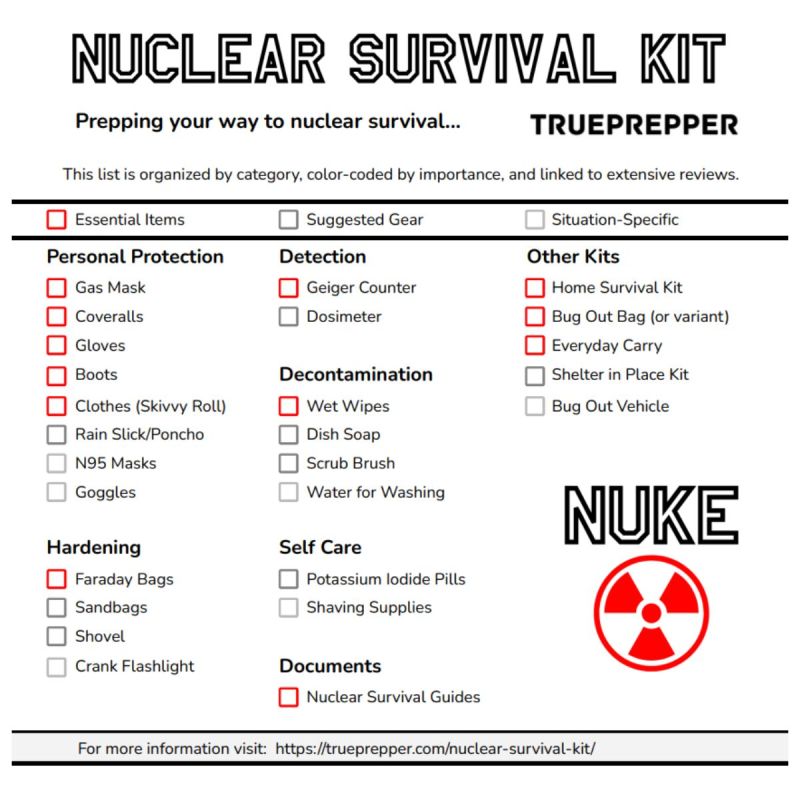
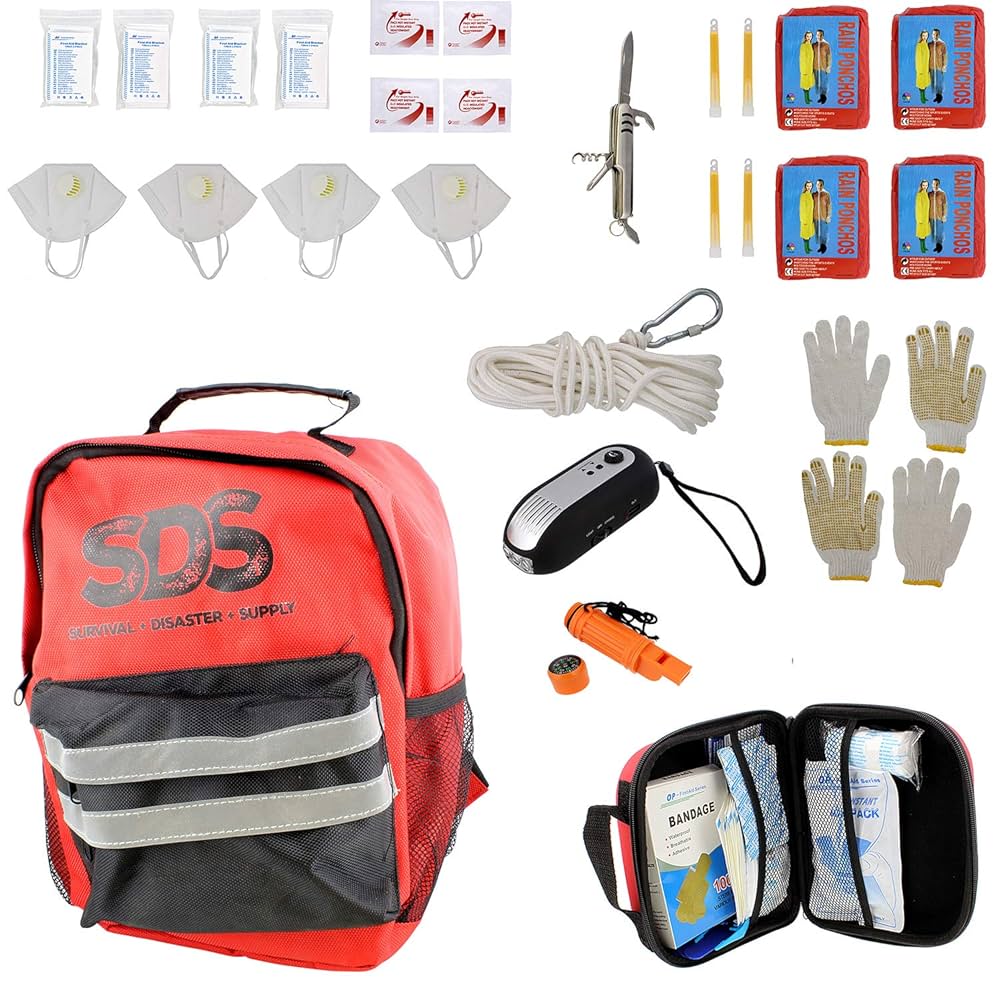
Essential tools form the heart of any basic survival kit. These tools help with daily tasks and urgent needs. They increase chances of staying safe and comfortable. Every item should be reliable and easy to use. Compact and lightweight tools are best for easy carrying. Focus on items that serve many purposes and require little maintenance.
Multi-tool And Knife
A good multi-tool combines many functions in one device. It often includes pliers, screwdrivers, scissors, and a knife blade. The knife is vital for cutting ropes, preparing food, and building shelters. Choose a knife with a strong, sharp blade and a comfortable handle. Both tools should be durable and rust-resistant. Carry them in a sheath or case for safety.
Fire Starters
Fire starters are essential for warmth, cooking, and signaling. Include waterproof matches, a lighter, and a fire steel rod. Fire steel rods work well even when wet or windy. Keep fire starters in a sealed, dry container. Practice starting a fire with each tool to build confidence. Fire is a key survival element, so reliable starters matter.
Flashlight And Batteries
A flashlight helps you see in the dark and signals for help. Choose a compact, bright, and energy-efficient model. LED flashlights last longer and use less power. Pack extra batteries in a waterproof bag. Test batteries regularly to avoid failures. A small headlamp can free your hands for other tasks.
Credit: www.nbcnews.com
Water And Hydration
Water is the most vital item in any survival kit. Staying hydrated keeps your body working well. Lack of water causes quick fatigue and poor decision-making. Always prepare to carry and clean water for emergencies.
Water Bottles
Choose strong, reusable water bottles. Look for bottles made of BPA-free plastic or stainless steel. Lightweight bottles save space and weight. Bottles with wide mouths make cleaning easier. Consider collapsible bottles for compact storage. Carry enough bottles to hold at least one liter of water per person.
Water Purification Methods
Water found in nature may contain harmful germs. Purifying water prevents sickness and dehydration. Pack small, easy-to-use tools to clean water.
- Water purification tablets kill bacteria and viruses quickly.
- Portable water filters remove dirt and pathogens.
- Boiling water for at least one minute makes it safe to drink.
- UV light purifiers destroy germs using ultraviolet rays.
Using multiple purification methods adds extra safety. Always carry at least one reliable way to treat water. Clean water keeps energy up and protects health.
Food Supplies
Food supplies are essential in any basic survival kit. They provide energy and keep you strong during emergencies. Choose foods that last long without refrigeration. Focus on items that are easy to carry and eat. Also, think about nutrition and calories to maintain your strength.
Non-perishable Snacks
Non-perishable snacks are perfect for survival kits. They do not spoil quickly and stay safe to eat. Examples include nuts, dried fruits, and trail mix. These snacks offer good nutrients and keep hunger away. Keep them in sealed bags to protect from moisture and pests.
Energy Bars And Supplements
Energy bars are compact and full of calories. They give quick energy and are easy to carry. Choose bars with balanced nutrients like protein, carbs, and fats. Supplements such as electrolyte tablets help replace lost minerals. These keep your body functioning well in tough conditions.
Shelter And Warmth
When you’re building a basic survival kit, ensuring you have reliable shelter and warmth options is crucial. These elements protect you from the elements and can mean the difference between discomfort and danger. Let’s look at some practical items that can keep you safe and warm in unexpected situations.
Emergency Blankets
Emergency blankets are compact and lightweight, making them a must-have in any survival kit. They reflect body heat back to you, helping to prevent hypothermia in cold conditions.
These blankets take up very little space but offer significant warmth. Keep one folded in your kit—you never know when you’ll need a quick way to retain heat.
Tents And Tarps
A sturdy tent provides a reliable shelter from rain, wind, and insects, giving you a safe place to rest. However, tents can be bulky, so consider a lightweight model designed for backpacking.
Tarps are versatile alternatives. You can use them to create quick shelters, cover your gear, or even ground insulation. Packing a tarp lets you adapt your shelter depending on the environment.
Warm Clothing
Layering warm clothing is one of the most effective ways to maintain body heat. Include moisture-wicking base layers, insulating mid-layers like fleece, and waterproof outer layers to protect against wind and rain.
Think about the climate you’ll be in and pack accordingly. Even a simple wool hat or gloves can dramatically improve your comfort and safety in cold weather.
First Aid Essentials
A well-prepared survival kit must include first aid essentials to handle unexpected injuries and health issues. Having the right supplies can make a big difference in managing wounds, reducing pain, and preventing infections. Think about the last time you had a minor cut—would you have been ready to treat it effectively if you were outdoors or away from medical help?
Basic Medical Supplies
- Adhesive bandages:Various sizes for small cuts and blisters.
- Sterile gauze pads:To cover larger wounds and control bleeding.
- Adhesive tape:To secure gauze and bandages firmly.
- Antiseptic wipes or solution:To clean wounds and prevent infection.
- Scissors and tweezers:For cutting tape and removing splinters or debris.
- Elastic bandage:Useful for sprains or to hold dressings in place.
- Disposable gloves:To protect yourself and others from germs.
Keeping these items organized and easily accessible can save precious time in an emergency.
Medications
- Pain relievers:Such as ibuprofen or acetaminophen to reduce pain and inflammation.
- Antihistamines:For allergic reactions or insect bites.
- Antacid tablets:To soothe stomach issues that may arise during stressful situations.
- Anti-diarrheal medication:Important when clean water or food is compromised.
- Any personal prescriptions:Ensure you include enough for your trip or emergency period.
Ask yourself: Do you know how to use each medication properly? Reading labels before an emergency helps avoid mistakes.
Personal Hygiene Items
- Antibacterial hand gel:To clean hands when water isn’t available.
- Moist towelettes or baby wipes:Useful for quick cleaning of skin and surfaces.
- Face masks:For protection against dust, smoke, or germs.
- Sanitary supplies:If applicable, include feminine hygiene products to maintain comfort and health.
Maintaining hygiene during survival situations reduces the risk of infections. Have you considered how you will keep clean if water is scarce?

Credit: www.rvem.org
Navigation Aids
Navigation aids are essential in any survival kit because they help you find your way when you’re lost or disoriented. Having reliable tools to guide you can make the difference between a quick rescue and a prolonged, dangerous situation. You want to prepare for times when landmarks aren’t visible, or your usual sense of direction fails.
Maps And Compass
A detailed map of the area you’re in is a must-have. Paper maps don’t rely on batteries or signals, so they work even if your electronic devices fail. Look for topographic maps that show terrain features like rivers, hills, and trails.
A compass complements the map perfectly. It helps you determine your direction relative to north, which is crucial if you need to navigate through unfamiliar territory. Make sure you know how to use a compass before you head out—practice reading it alongside your map to build confidence.
- Choose a compass with a clear baseplate for easy map reading.
- Check that the compass needle moves freely and points north accurately.
- Keep the compass in a waterproof case to protect it from the elements.
Gps Devices
GPS devices are powerful navigation tools that provide your exact location and can track your route. Many handheld GPS units come with preloaded maps and can mark waypoints, helping you return to a starting point or locate important spots.
However, GPS devices rely on batteries and satellite signals. You should always carry extra batteries or a portable charger. Consider downloading offline maps on your smartphone as a backup, but don’t depend on it entirely.
- Pick GPS models designed for outdoor use—they are usually rugged and waterproof.
- Learn how to use the waypoint and track features for better navigation.
- Test your GPS device before your trip to ensure it’s working properly.
Have you ever found yourself unsure of which direction to take during a hike? Investing time in understanding these navigation aids could save you from that uncertainty and keep you safe in the wild.
Communication Gear
Communication gear plays a crucial role in any basic survival kit. It helps you stay connected, call for help, and coordinate with others during emergencies. Without reliable communication tools, even the best survival skills might not be enough to get you out of tough situations.
Whistles
A whistle is a simple yet powerful communication tool you should never overlook. It’s lightweight, doesn’t rely on batteries, and can produce loud sounds that carry over long distances. In an emergency, a whistle can alert rescuers to your location or signal others in your group.
Choose a whistle that produces a clear, piercing sound. Some survival experts recommend a pea-less whistle because it works well in wet conditions and won’t jam. Have you ever tried shouting for help only to lose your voice? A whistle solves that problem instantly.
Two-way Radios
Two-way radios offer more advanced communication compared to whistles. They allow you to talk directly with others over a distance, which can be vital when you’re in a group or need to communicate with rescue teams. Look for radios with good battery life and a range suitable for your environment.
Consider radios that operate on multiple channels to avoid interference. Some models even come with weather alerts, giving you updates during storms or other hazardous conditions. Remember, a two-way radio can be your lifeline—are you prepared to keep your connection open when it matters most?
Additional Safety Items
Adding extra safety items to your basic survival kit can make a huge difference in an emergency. These items help you stay connected and secure, even when things get tough. Think about how you would reach out for help or prove your identity if you were stranded or lost.
Emergency Contact Info
Keep a written list of important phone numbers and addresses in your kit. Include family members, close friends, your doctor, and local emergency services. Make sure the information is easy to read and updated regularly.
Have you ever tried to remember a phone number in a stressful situation? It’s nearly impossible. Having this info handy can save you precious time and reduce panic.
Cash And Identification
Always carry some small bills and coins in your survival kit. Electronic payments might not work during power outages or network failures. Cash ensures you can buy essentials or pay for transportation.
Include a copy of your ID, such as your driver’s license or passport. This helps with identification if you need medical care or assistance from authorities. It’s wise to keep photocopies in a waterproof bag to protect them.
Frequently Asked Questions
What Are The Essentials In A Survival Kit?
A basic survival kit should include food, water, a first-aid kit, and a flashlight. Don’t forget a multi-tool, matches, and a whistle. These items ensure you have the basics covered in an emergency situation.
How Much Water Should A Survival Kit Have?
Your survival kit should contain at least one gallon of water per person per day. Plan for a minimum of three days. This amount is crucial for drinking and sanitation needs during emergencies.
Why Is A First-aid Kit Important In Survival?
A first-aid kit is essential for treating minor injuries and preventing infections. It contains bandages, antiseptic wipes, and pain relief medications. Having it can be lifesaving in emergency situations where medical help isn’t immediately available.
Should I Include A Flashlight In My Kit?
Yes, a flashlight is crucial in a survival kit. It provides light during power outages and helps signal for help. Always include extra batteries to ensure it works when needed.
Conclusion
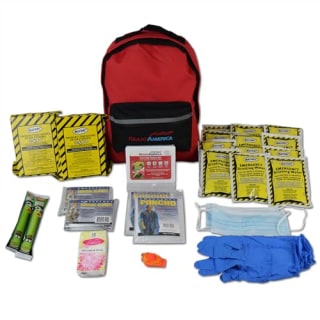
A basic survival kit keeps you ready for many situations. Include water, food, first aid, and tools. Choose items that fit your needs and space. Check your kit often and replace what’s used. Being prepared brings peace of mind and safety.
Simple steps can make a big difference. Stay safe, stay ready.