Imagine facing an unexpected emergency where every second counts. You have your survival kit ready—food, water, first aid—but what if you need something extra, something not in the kit?
That’s where extra cash becomes a game-changer. You might wonder, why carry cash when cards and phones seem enough? The truth is, having extra cash in your survival kit can open doors when technology fails or resources run low. Keep reading to discover why this simple addition could make all the difference in a critical moment.
Role Of Cash In Emergencies
In an emergency, having extra cash on hand can make a significant difference. Digital payments might seem convenient, but they often fail when you need them most. Cash remains a reliable, immediate resource that helps you access essentials quickly and without hassle.
Limitations Of Digital Payments
During power outages or network failures, digital payment systems often go offline. You might find yourself unable to use cards or mobile apps just when you need to buy supplies. Many emergency situations disrupt internet access, making electronic transactions impossible.
Even if systems work, some vendors may not accept digital payments in a crisis. Local markets and small stores usually rely on cash, especially when demand spikes. Would you want to be stuck waiting for a network to recover while you need food or medicine?
Cash As Immediate Resource
Cash doesn’t depend on technology or connectivity. It’s instantly available for any purchase, no matter the situation. Having extra bills tucked in your survival kit means you can act fast without delays.
I once faced a situation where the ATM was down, and stores only accepted cash. Those few extra dollars in my pocket saved me from long lines and uncertainty. Could your survival plan work without immediate access to money?
Accessing Essentials Quickly
Emergencies demand quick decisions and swift action. Cash lets you buy water, food, batteries, or fuel immediately, without worrying about card readers or app malfunctions. This speed can be crucial when time is limited.
Keep in mind that some essential services and vendors may not offer credit or debit options during crises. Cash guarantees you can pay on the spot, avoiding unnecessary stress. How prepared are you to get what you need right away?
Types Of Cash To Carry
Carrying the right types of cash in your survival kit can make a huge difference during emergencies. Cash is often overlooked, yet it remains a reliable form of payment when electronic systems fail. Knowing which kinds of cash to carry ensures you can handle various situations smoothly.
Small Bills For Everyday Needs
Small bills are essential for daily transactions like buying food, water, or basic supplies. They’re easier to use in small stores or with vendors who may not have change for large notes. Carrying a mix of $1, $5, and $10 bills gives you flexibility for quick, small purchases without drawing attention.
Think about your last trip where you needed to buy something small. Did you have exact change? If not, you know how frustrating it can be. Small bills avoid that hassle and keep your transactions quick and discreet.
Coins For Vending And Parking
Coins often come in handy for vending machines, parking meters, or public transportation. These machines rarely accept bills or cards, so having a supply of quarters, dimes, and nickels can save you from unexpected inconvenience.
Even if you don’t use coins regularly, consider their value in an emergency. A handful of coins can cover multiple small expenses without requiring you to break larger bills.
Secure Storage Options
Where you keep your cash matters as much as what you carry. Using a money belt, hidden pockets, or waterproof pouches protects your cash from theft, loss, or damage.
You might want to spread your cash in different places within your survival kit. This way, if one stash is lost or stolen, you still have backup funds. How often do you check your emergency supplies? Keeping your cash secure and accessible means you’re always ready.
Cash And Bartering
Cash holds a unique role in survival situations. It offers immediate value and flexibility. Bartering is another vital skill when money loses its worth. Combining cash and bartering ensures readiness for various scenarios. Both methods help obtain essential goods and services during emergencies.
Using Cash For Trade
Cash remains a universal medium for trade. It works well for quick, direct purchases. Small bills and coins are practical in survival kits. They are easy to carry and spend. Cash can buy food, water, medicine, or fuel. It allows discreet transactions without drawing attention. Keep cash in waterproof and secure containers. This protects it from damage and loss.
Alternative Bartering Strategies
Bartering uses goods or services instead of money. It becomes crucial when currency loses value. Items like canned food, batteries, and tools have trade value. Skills like first aid, repair work, and gardening are also useful. Build trust and fair exchange in bartering deals. Trade fairly to keep relationships strong. Be ready to negotiate and adapt offers. Bartering creates community support in tough times.
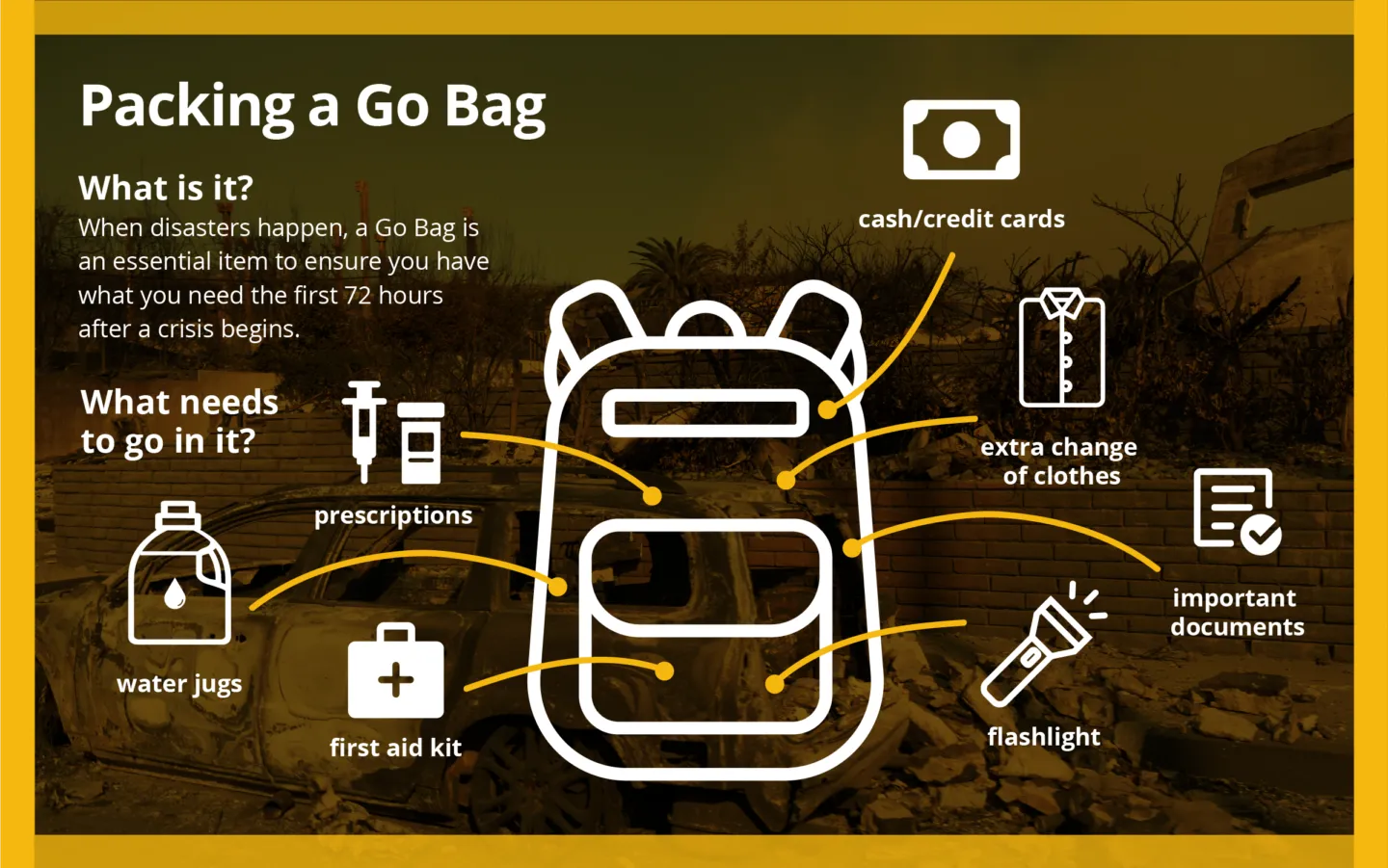
Credit: www.projecthope.org
Maintaining Cash In Your Kit
Having extra cash in your survival kit is smart, but keeping it in good condition is just as important. Cash can lose its value if it gets damaged or stolen. You want to make sure the money you save is ready to use when you really need it.
Protecting Cash From Damage
Cash is surprisingly fragile. Moisture, heat, and dirt can ruin bills quickly. Keep your money in a waterproof, airtight container to prevent damage.
Plastic sleeves or resealable bags work well. I once stored cash in a simple envelope during a camping trip and found it soggy the next day after a rainstorm. That taught me to always choose better protection.
Regular Cash Rotation
Old bills can tear or fade, making them hard to use. Rotate your cash every few months to keep it fresh. Use the older bills for everyday spending and replace them with new ones in your kit.
This practice ensures your money stays in good shape and is always accepted. Have you checked the condition of your emergency cash lately?
Avoiding Theft Risks
Storing all your cash in one place makes it an easy target. Spread your money across different secure spots within your kit or home. Consider using a hidden pouch or a small safe.
Think about how you carry your cash daily. Is it easy for someone to grab? Taking simple steps to hide or divide your money can save you from losing it all at once.
Cash And Psychological Benefits
Having extra cash in your survival kit does more than just cover unexpected expenses. It plays a crucial role in calming your mind and giving you a sense of security. When you face emergencies, knowing you have accessible money can significantly impact your mental state and decision-making.
Reducing Stress In Crisis
Imagine being in a situation where digital payments fail, and you need to buy essential supplies. Having cash on hand removes that immediate worry about how you’ll make a purchase. This simple readiness helps lower anxiety levels because you’re prepared for situations where cards or phones won’t work.
Stress often clouds judgment during emergencies. When you have cash, you can focus on what really matters—your safety and your family’s well-being. It’s not just about the money itself but the peace of mind it provides.
Boosting Confidence And Control
Carrying extra cash gives you a feeling of control over your circumstances. You’re not at the mercy of technology or others’ systems. This independence can boost your confidence, helping you tackle challenges with a clearer head.
Think about how stressful it would be to rely solely on electronic payments during a power outage or network failure. Having cash means you can act quickly and decisively, which is empowering. How often do you consider how much control you have in an emergency?
Credit: www.nbcnews.com

Credit: premierbodyarmor.com
Frequently Asked Questions
Why Is Extra Cash Vital In A Survival Kit?
Extra cash provides flexibility during emergencies. It allows you to buy essential supplies when cards or ATMs fail. Cash is widely accepted and can be crucial for quick purchases or bartering in survival situations.
How Much Extra Cash Should I Keep In My Survival Kit?
It’s recommended to keep small denominations totaling $100 to $200. This amount offers enough purchasing power for essentials without risking too much loss. Smaller bills are preferred for easier transactions and bartering.
Can Extra Cash Replace Other Survival Items?
No, extra cash complements but does not replace essential items. It acts as a backup resource for buying supplies or services. Always prioritize water, food, and first aid, then add cash for added security.
What Denominations Of Cash Are Best For Survival Kits?
Small bills like $1, $5, and $10 are best for survival kits. They are easier to use for small transactions and bartering. Larger bills may be harder to break or less accepted in emergencies.
Conclusion
Extra cash in a survival kit can be a lifesaver. It offers flexibility when unexpected situations arise. You can quickly buy food, water, or medicine. It’s especially helpful if electronic payments fail. Cash provides peace of mind. You know you’re prepared for emergencies.
Always include a mix of small and large bills. This ensures you can make exact payments if needed. Having extra cash gives you a safety net. A small investment today can make a big difference tomorrow. So, don’t overlook this crucial element in your kit.
Stay prepared, stay safe.