An earthquake can strike without warning, leaving you with little time to react. Are you prepared to face the chaos and keep yourself safe?
Knowing exactly what to pack in a survival kit could make all the difference between panic and control. This guide will help you gather the essential items that protect you and your loved ones when every second counts. Keep reading to discover how to build a kit that’s ready for the unexpected—and give yourself the confidence to stay calm when it matters most.
Basic Survival Essentials
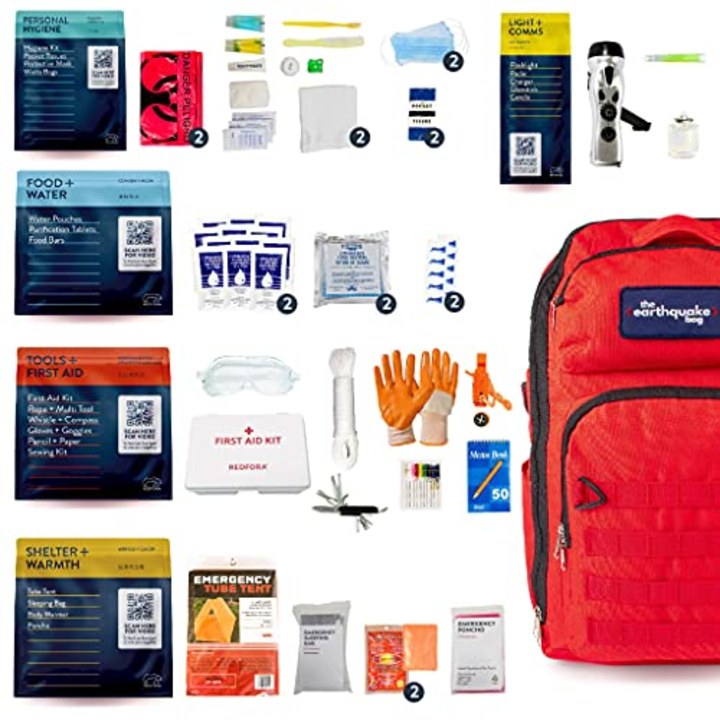
Basic survival essentials form the core of any earthquake survival kit. These items help you stay alive and comfortable until help arrives. Focus on things that meet your basic needs: water, food, and first aid. Quality and practicality matter most. Pack enough supplies to last at least 72 hours.
Water And Hydration Supplies
Water is the most important item in your survival kit. The body needs water to stay alive and function properly. Store at least one gallon of water per person per day. Use sturdy, sealed containers to keep water clean.
- Bottled water or water pouches
- Water purification tablets or drops
- Portable water filter
- Collapsible water container for extra storage
Non-perishable Food Items
Food must not spoil easily. Choose items that require no cooking or refrigeration. Pack enough calories and nutrients to maintain energy levels.
- Energy bars and granola bars
- Dried fruits and nuts
- Canned foods with pull-tab lids
- Instant oatmeal or ready-to-eat meals
First Aid Kit Components
Injuries can happen during an earthquake. A first aid kit helps treat wounds and prevent infections. Include supplies to handle common injuries.
- Bandages in various sizes
- Antiseptic wipes and ointments
- Medical tape and gauze pads
- Pain relievers and allergy medicine
- Scissors, tweezers, and disposable gloves
Tools And Equipment
Having the right tools and equipment in your earthquake survival kit can make a huge difference when every second counts. These items help you navigate through unexpected challenges, assist in rescue efforts, and keep you connected to essential information. Think about what you might really need if your home is suddenly unsafe or if you’re cut off from help.
Multi-tool And Pocket Knife
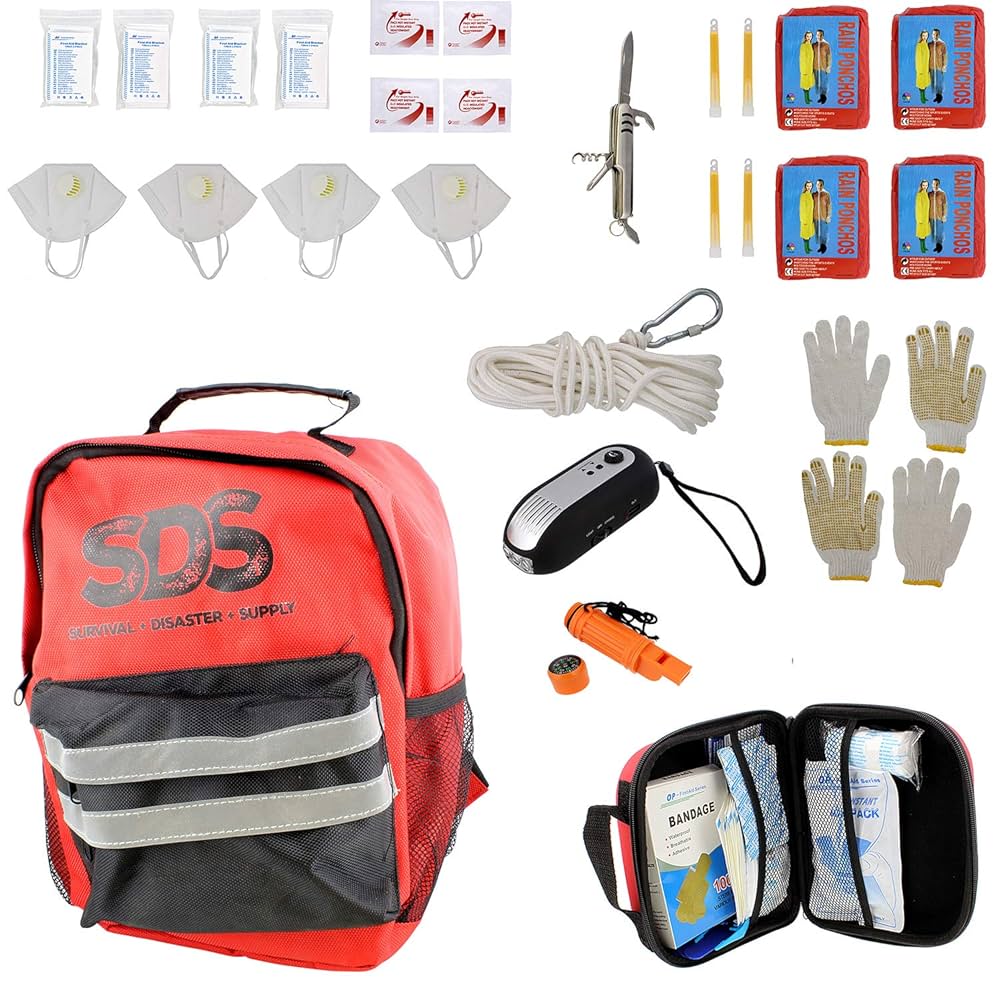
A multi-tool or a sturdy pocket knife is indispensable in an emergency. It can help you cut through debris, open cans, or perform quick repairs. I once saw a neighbor use a multi-tool to fix a broken zipper on a backpack, making it easier to carry supplies during an earthquake aftershock.
Choose tools that are compact but packed with functions like screwdrivers, scissors, and pliers. These can be your go-to gear for small tasks that suddenly become urgent.
Flashlights And Batteries
Power outages are common after earthquakes, so reliable light sources are crucial. A durable flashlight with extra batteries ensures you won’t be left in the dark when it matters most.
Consider LED flashlights—they last longer and use less power. Have more than one light source and store batteries separately to keep them fresh.
Emergency Radio And Communication
Staying informed during an earthquake can be a lifesaver. An emergency radio lets you receive updates even if your phone or internet is down.
Look for radios with hand-crank or solar power options to avoid relying solely on batteries. Also, include a whistle or other signaling devices to attract attention if you need rescue.
Shelter And Warmth
After an earthquake, finding shelter and staying warm can be a matter of survival. Your body loses heat quickly, especially if you’re injured or trapped outdoors. Packing the right items for shelter and warmth ensures you can protect yourself from cold, rain, and wind while waiting for help or planning your next move.
Emergency Blankets And Sleeping Bags
Emergency blankets are lightweight and take up very little space, but they reflect your body heat back to you. You can carry several in your kit without adding bulk. A compact sleeping bag designed for cold weather can be a lifesaver, especially if you have to spend the night outside.
Think about how quickly temperature drops after sunset—would you want just a thin blanket or something that traps heat well? Choose sleeping bags rated for temperatures lower than what you expect to face.
Tents And Tarps
Carrying a small tent or a durable tarp gives you a quick way to create shelter from rain or debris. Tarps are versatile—you can hang them between trees or over a frame to make a makeshift shelter. Tents offer more protection but weigh more and require setup time.
Ask yourself: where will you set up shelter if buildings are unsafe? Having a tarp or tent in your kit means you’re ready to protect yourself no matter the conditions.
Clothing And Protective Gear
Bringing extra layers of clothing is crucial. Think thermal underwear, waterproof jackets, and sturdy boots. Gloves and hats help prevent heat loss and protect your hands and head from injury.
Consider the environment you might be in—would your clothes keep you dry and warm? Wearing protective gear like helmets or goggles can shield you from falling debris if you need to move through unstable areas.
Credit: www.nbcnews.com
Personal Hygiene And Health
Maintaining personal hygiene and health during an earthquake is crucial. Cleanliness helps prevent infections and illnesses. Earthquake aftermath often means limited water and sanitation facilities. A well-prepared survival kit should include essential items to keep you healthy and safe.
Sanitation Supplies
Sanitation supplies are vital to stay clean in emergencies. Include items like:
- Wet wipes or baby wipes for quick cleaning
- Hand sanitizer with at least 60% alcohol
- Toothbrush and toothpaste
- Small towel or washcloth
- Travel-sized soap bars or liquid soap
- Sanitary pads or tampons
- Plastic bags for waste disposal
These supplies help reduce germs and keep you feeling fresh.
Medication And Prescriptions
Always pack necessary medications in your kit. Include:
- Daily prescription medicines
- Pain relievers like ibuprofen or acetaminophen
- Antihistamines for allergies
- Antiseptic ointments for cuts and scrapes
- Any special medical supplies you need
Keep medications in original containers with labels. Check expiration dates regularly.
Face Masks And Gloves
Face masks and gloves protect against dust, debris, and germs. Pack:
- Disposable face masks or N95 masks
- Latex or nitrile gloves
- Extra pairs for changing frequently
These items reduce the risk of respiratory problems and infection.
Important Documents And Money
Important documents and money are vital in an earthquake survival kit. These items help prove your identity and provide access to funds. Keeping them safe and accessible can ease stress after the disaster.
Copies Of Identification
Store photocopies of ID cards like passports, driver’s licenses, and birth certificates. Place them in a waterproof and fireproof bag. These copies help with identification and accessing emergency services.
Cash And Credit Cards
Keep some cash in small bills since ATMs might not work. Include credit cards for emergency purchases. Store these securely but within easy reach in your survival kit.
Emergency Contact Information
Write down phone numbers of family, friends, and emergency services. Use both printed lists and digital copies on a USB drive. This information helps you stay connected during chaos.

Credit: www.amazon.ca
Additional Survival Items
Additional survival items can make a big difference in an earthquake emergency. These tools help you start fires, signal for help, and maintain your spirits. Packing smartly with these extras increases your chances of staying safe and calm.
Fire Starting Tools
Fire provides warmth, cooks food, and offers light. Pack reliable fire starters like:
- Waterproof matches
- Ferrocerium rods
- Windproof lighters
- Small fire starter cubes or tinder
Keep these items dry and easy to access. Fire helps in many survival situations.
Signal Devices
Signaling for help is crucial if trapped or lost. Include items such as:
- Whistle for loud, clear sounds
- Bright signal mirror
- LED flashlight with extra batteries
- Flare or glow sticks
These tools attract attention and can lead rescuers to your location fast.
Comfort And Morale Boosters
Staying calm is vital during an earthquake. Pack small items that boost morale like:
- Photos of loved ones
- Small games or puzzles
- Comfort snacks like chocolate or nuts
- Notebook and pen for journaling
These items help reduce stress and keep your mind focused on survival.

Credit: www.amazon.com
Frequently Asked Questions
What Should Be In An Earthquake Survival Kit?
An earthquake survival kit should include water, non-perishable food, a flashlight, and a first aid kit. Include a whistle, batteries, and a multi-tool. Don’t forget personal hygiene items and important documents. Tailor your kit to your family’s needs.
How Much Water Is Needed For An Earthquake Kit?
Store at least one gallon of water per person per day. Plan for at least three days. This ensures enough for drinking and sanitation. Regularly check and replace water to keep it fresh. Consider additional water for pets.
What Food Is Best For An Earthquake Kit?
Choose non-perishable, easy-to-prepare foods. Examples include canned goods, energy bars, and dried fruits. Avoid foods requiring cooking. Ensure a three-day supply per person. Rotate food supplies regularly to maintain freshness.
How Do I Maintain My Earthquake Kit?
Check your kit every six months. Replace expired items and update personal documents. Adjust items according to seasonal needs. Keep it accessible and inform family members of its location. Regular maintenance ensures readiness during emergencies.
Conclusion
Packing a survival kit for an earthquake saves lives. Include water, food, and first aid supplies. Don’t forget a flashlight and important documents. Keep your kit easy to carry and check it often. Being ready helps you stay calm and safe.
Small steps now can make a big difference later. Prepare today to protect your family tomorrow. Safety starts with good planning and smart choices.