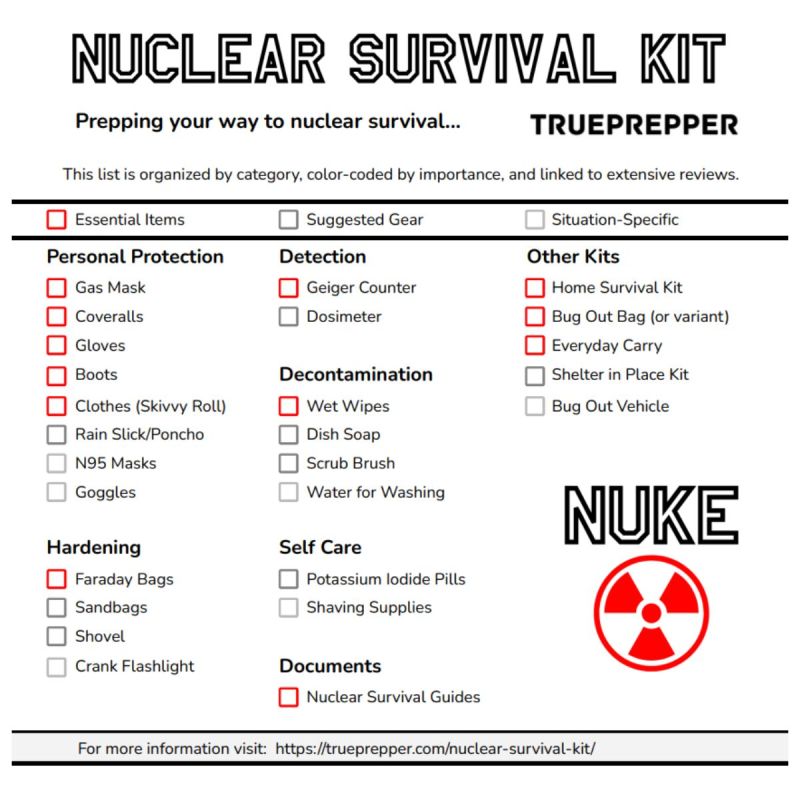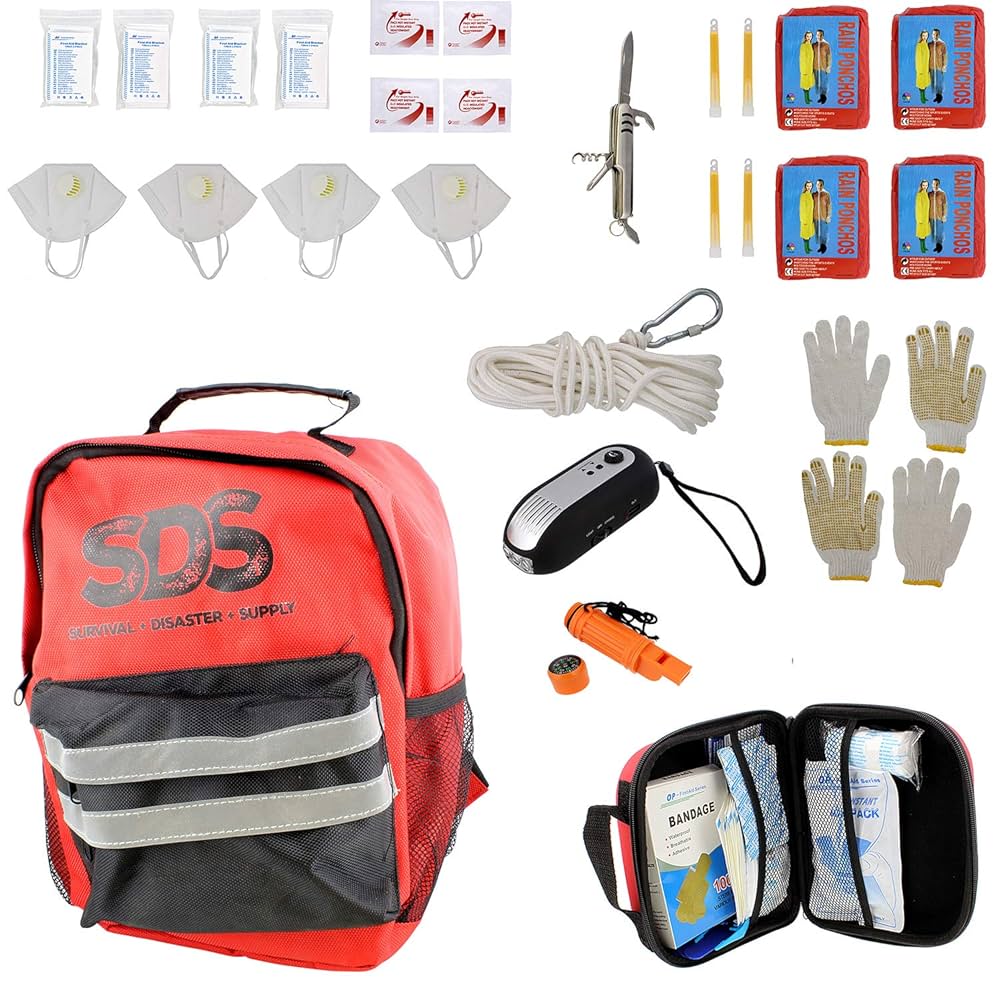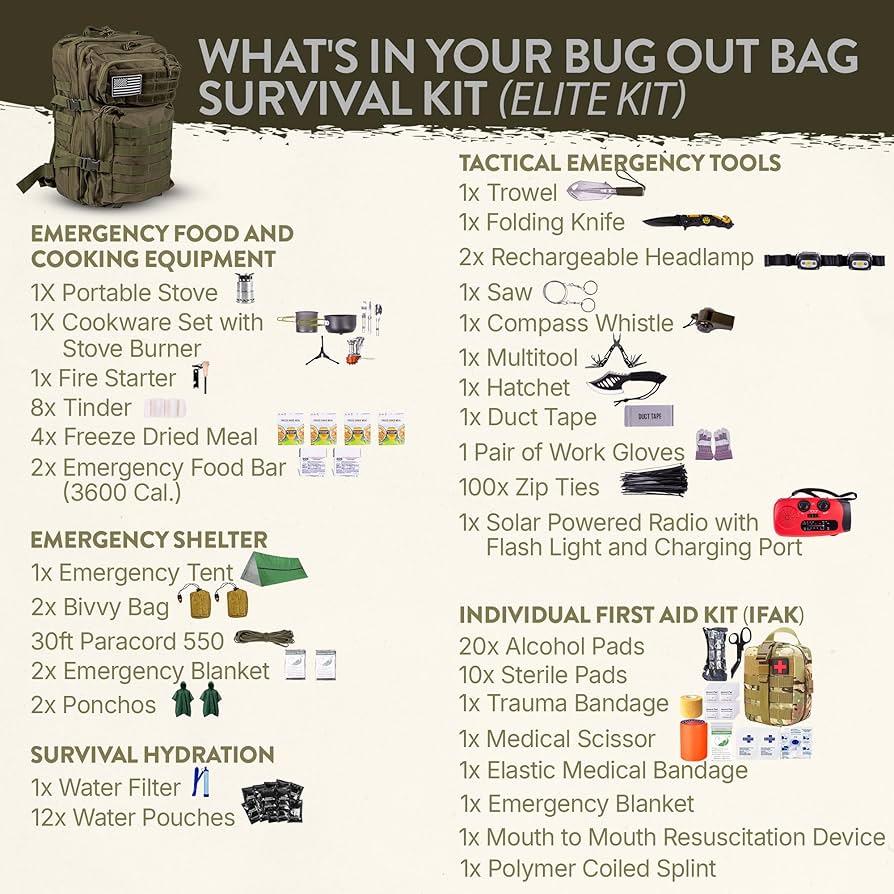
Imagine finding yourself in an emergency with no help in sight. What would you do?
Having a survival kit ready could make all the difference between staying safe and feeling helpless. But what exactly should you put in your survival kit to be prepared for any situation? You might think it’s just about packing a few essentials, but the right items can keep you alive, comfortable, and calm.
Keep reading, because what you choose to include could change everything when it matters most.

Credit: survivalschool.enduresurvivalkits.com
Basic Survival Essentials
Basic survival essentials form the foundation of any good survival kit. These items ensure you can stay alive and safe in tough situations. Focus on necessities that provide water, food, and shelter. Each element plays a vital role in your survival chances. Prepare smartly with compact and reliable tools. Keep the kit lightweight and easy to carry.
Water And Hydration Tools
Water is the top priority in any emergency. The human body can survive only a few days without water. Include a sturdy water bottle or hydration bladder. Pack water purification tablets or a portable filter to make unsafe water drinkable. Collapsible containers help store extra water without bulk. A small metal cup can be useful for boiling water. These tools keep you hydrated and healthy.
Non-perishable Food
Food supplies provide energy to keep moving and thinking clearly. Choose non-perishable items that last long without refrigeration. Examples include:
- Energy bars
- Dried fruits and nuts
- Canned beans or tuna
- Instant noodles or soup packets
These foods are lightweight and easy to prepare. They help maintain strength during survival situations.
Shelter And Warmth
Protection from the elements prevents hypothermia and illness. Pack a compact emergency blanket or bivvy sack. A lightweight tarp can create a quick shelter from rain and wind. Include fire-starting tools such as waterproof matches or a lighter. Carry warm clothing layers to regulate body temperature. Shelter and warmth items keep you safe in harsh conditions.
First Aid And Health Items
First aid and health items are essential for any survival kit. They help treat injuries and prevent infections. Keeping these items organized can save time and reduce stress during emergencies.
Having the right supplies ensures you can handle minor wounds and health issues. It also supports ongoing medical needs, especially if help is delayed.
Basic Medical Supplies
- Adhesive bandages of various sizes
- Sterile gauze pads and adhesive tape
- Antiseptic wipes and antibiotic ointment
- Elastic bandages for sprains
- Disposable gloves to avoid infection
- Scissors and tweezers for wound care
- CPR face shield for rescue breathing
- Thermometer to check for fever
Medications And Prescriptions
- Pain relievers like acetaminophen or ibuprofen
- Antihistamines for allergic reactions
- Anti-diarrheal and anti-nausea medicines
- Any personal prescription medications in a labeled container
- Extra copies of prescriptions and doctor contact info
- Electrolyte packets to prevent dehydration
Personal Hygiene Products
- Hand sanitizer with at least 60% alcohol
- Antibacterial soap or cleansing wipes
- Toothbrush and toothpaste
- Feminine hygiene products
- Small towel or washcloth
- Moisturizing lotion to prevent dry skin
- Disposable masks to reduce airborne germs
Tools And Equipment
Your survival kit’s effectiveness depends heavily on the tools and equipment you include. These items are the backbone of your ability to create shelter, start fires, navigate unfamiliar terrain, and fix problems on the go. Choosing the right tools can make the difference between a manageable situation and a dangerous one.
Fire Starters And Lighting
Fire is essential for warmth, cooking, and signaling for help. You should always pack reliable fire starters like waterproof matches, a flint striker, and firesteel rods. A small container of tinder, such as cotton balls soaked in petroleum jelly, can be a lifesaver when conditions are damp.
Lighting is just as critical. A compact LED flashlight or headlamp with extra batteries will keep your hands free and your path visible. Have you ever been caught trying to build a fire in the dark? Trust me, good lighting changes everything.
Cutting And Repair Tools
A sharp knife is one of the most valuable tools you can carry. It can be used for preparing food, cutting rope, or even self-defense. Consider a folding knife with a locking blade for safety and ease of use.
Also, include a multi-tool equipped with pliers, screwdrivers, and scissors. These are perfect for quick fixes or building shelters. Don’t forget duct tape—its repair power is unmatched and it takes up very little space.
Navigation Aids
Knowing where you are and where you’re going is vital. A durable compass is a must-have; it never runs out of battery and works in all conditions. Pair it with a detailed map of your area to avoid getting lost.
For tech-savvy survivalists, a GPS device is helpful but should never replace traditional navigation tools. Have you ever relied solely on your phone’s GPS only to lose signal at the worst moment? Keeping analog options ensures you can always find your way.
Communication And Signaling
Communication and signaling are crucial when you’re in a survival situation. Being able to send and receive messages can mean the difference between rescue and being stranded. Your survival kit should have tools that help you connect with others and signal for help effectively.
Emergency Radios
Having an emergency radio in your kit keeps you informed about weather updates, evacuation notices, and rescue broadcasts. Look for radios that can receive NOAA weather channels and have a hand crank or solar charging option. This ensures you stay connected even if batteries run out.
Imagine being caught in a storm with no way to know if help is on the way. A reliable emergency radio can provide that lifeline.
Signal Mirrors And Whistles
Signal mirrors are lightweight and can reflect sunlight to catch the attention of rescuers from miles away. Whistles, on the other hand, allow you to make loud noises without exhausting yourself. Both tools are simple but effective for alerting others to your location.
Have you ever considered how far a whistle blast can travel in the wilderness? Carrying one can save your voice and still get help quickly.
Backup Power Sources
Charged devices are useless if you run out of power. Portable power banks, solar chargers, and hand-crank generators keep your radios, phones, and flashlights running longer. Choose compact options that fit easily in your kit but provide enough charge when you need it most.
Think about your last phone battery panic—having a backup power source in a survival scenario could be the key to maintaining contact.
Clothing And Protection
Clothing and protection play a crucial role in any survival kit. They help maintain body temperature and shield from harsh environments. Proper clothing prevents injuries and illnesses during emergencies. Choose items that balance comfort, durability, and functionality. Prepare for various weather conditions to stay safe and effective outdoors.
Weather-appropriate Clothing
Select clothes that suit the climate where you live or travel. Layering works best for changing temperatures. Base layers wick moisture away from your skin. Middle layers provide insulation to keep heat in. Outer layers protect against wind and rain. Materials like wool and synthetic fibers dry quickly and keep warmth. Avoid cotton since it traps moisture and chills you.
Protective Gear
Include items that guard against physical harm and insects. Gloves protect hands from cuts and cold. Hats shield your head from sun and cold. Sunglasses reduce glare and protect eyes from UV rays. A sturdy rain poncho or waterproof jacket keeps you dry. Insect repellent clothing or nets help prevent bites. Durable, tear-resistant fabrics reduce injury risks from rough terrain.
Extra Footwear And Socks
Spare shoes or boots prevent foot problems during long journeys. Choose waterproof and comfortable footwear with good grip. Keep extra socks to change wet or dirty ones. Wool or synthetic socks reduce blisters and keep feet warm. Clean, dry feet help avoid infections and fatigue. Pack lightweight options that fit easily in your kit.
Personal Documents And Money
Keeping your personal documents and money ready in your survival kit can make a huge difference during emergencies. These items aren’t just pieces of paper or cards—they’re your keys to identity, access to funds, and communication. Without them, you might face unnecessary delays and complications when trying to get help or rebuild your life.
Identification And Copies
Always include your essential IDs like your driver’s license, passport, and any work or medical ID cards. Keep both the original documents and photocopies in a waterproof pouch.
Storing copies separately is smart. If originals get lost or damaged, copies can speed up processes like proving your identity or applying for aid.
Cash And Cards
Cash is king during power outages or when electronic payment systems fail. Keep small bills in different denominations for flexibility.
Don’t rely solely on cash—add a couple of credit or debit cards as backup. Make sure these cards are from different banks or networks to increase your chances of use.
Important Contact Information
Write down emergency contacts, including family, friends, doctors, and local emergency services. Store these on paper and save digital copies on your phone or USB drive.
Think about adding a list of important account numbers, insurance policies, and any medical information. This can save precious time when you need to access services or inform others about your condition.
Specialized Survival Items
Specialized survival items prepare you for unique challenges in emergencies. These tools and supplies suit different environments, personal safety needs, and family members. Tailoring your kit helps you stay ready and safe no matter the situation.
Tools For Specific Environments
Survival tools vary by setting. In cold climates, pack hand warmers, insulated gloves, and a thermal blanket. For deserts, include a wide-brim hat, sunscreen, and extra water containers. Wet areas call for waterproof matches, a rain poncho, and quick-dry clothing.
Consider terrain too. Mountain areas need climbing gear and sturdy boots. Forests require a machete and insect repellent. Coastal zones benefit from a signal mirror and water purification tablets.
Self-defense Items
Personal safety matters. Carry pepper spray, a whistle, or a small stun gun for protection. A tactical flashlight can disorient threats and light your way. Choose non-lethal options that you can use confidently and legally.
Training is key. Practice using these items before an emergency. Confidence improves your chances of staying safe under stress.
Items For Children And Pets
Children need comfort and care. Pack snacks, favorite toys, and a blanket. Include any necessary medications and hygiene items. Make sure to have child-sized masks and water bottles.
Pets require food, water, and a leash. Carry a pet first aid kit and waste bags. Keep their medical records handy. Comforting items like a favorite toy can ease stress for your pet.

Credit: firstrespondersfoundation.org
Packing And Maintenance Tips
Packing and maintaining your survival kit is as important as choosing the right items for it. A well-organized kit saves time and reduces stress when you need it most. Keeping everything in order and up to date ensures your kit remains reliable and ready for any situation.
Organizing Your Kit
Arrange your survival items by category so you can find what you need quickly. Use clear, waterproof bags or small containers to separate essentials like first aid, food, tools, and hygiene products.
Think about the order you’ll use items in an emergency. Place frequently needed things on top or in the most accessible spots. Have you ever wasted precious minutes digging through clutter when seconds counted?
Regular Checks And Updates
Set a reminder to check your kit every few months. Look for expired food, dead batteries, or damaged tools and replace them immediately. This simple habit keeps your kit dependable.
Update your kit based on changing needs or new knowledge. For example, if you move to a colder area, add extra warm clothing or thermal blankets. Have you reviewed your kit since your last trip or emergency drill?
Storage And Portability
Store your kit in a cool, dry place away from direct sunlight to prevent damage. Choose a container that is both sturdy and lightweight to make carrying easier.
Think about how you’ll transport your kit—whether in a backpack, car, or at home. A compact design with comfortable straps can make a big difference when you’re on the move.
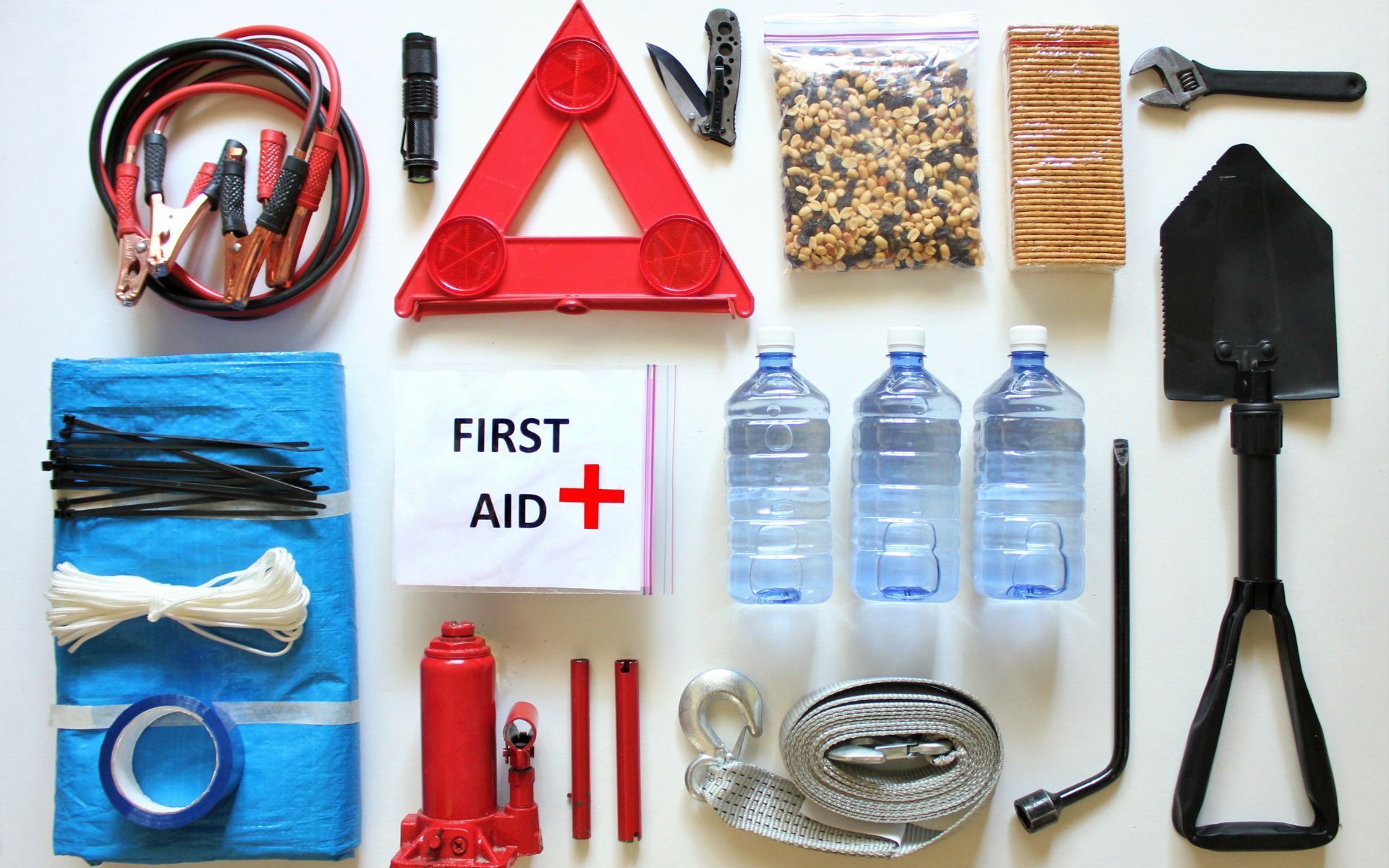
Credit: www.dilawri.ca
Frequently Asked Questions
What Are The Essentials For A Survival Kit?
A survival kit should include water, non-perishable food, a first aid kit, flashlight, batteries, and a multi-tool. It’s important to have a whistle, emergency blanket, and a map. Personal items like medications and identification documents are also essential. Customize your kit based on your needs and environment.
How Much Water Should Be In A Survival Kit?
Include at least one gallon of water per person per day. This amount covers drinking and sanitation needs. It’s advisable to store a three-day supply. Consider adding water purification tablets or a portable filter to ensure access to safe water if your supply runs out.
Why Is A First Aid Kit Important?
A first aid kit is crucial for treating injuries during emergencies. It should contain bandages, antiseptic wipes, adhesive tape, and pain relievers. Having a first aid manual is also beneficial. A well-stocked kit helps manage minor injuries and prevents complications until professional medical help is available.
Should I Include Tools In My Survival Kit?
Yes, tools like a multi-tool and a Swiss army knife are essential. These tools assist in various tasks such as cutting, opening cans, and repairing gear. A sturdy knife and duct tape are also useful. Having these tools increases your ability to handle different survival situations effectively.
Conclusion
A good survival kit keeps you ready for many situations. Pack items that help with water, food, and shelter. Don’t forget tools for first aid and communication. Keep your kit light but complete. Check and update it often. Being prepared brings peace of mind and safety.
Start building your kit today to stay safe tomorrow. Small steps make a big difference. Ready for anything.