Imagine being stuck on the side of the road with no help in sight. What would you do?
Having a well-packed survival kit in your car can make all the difference when unexpected situations arise. You might think you’re prepared, but do you really have everything you need? You’ll discover exactly what to put in a survival kit for your car to stay safe, comfortable, and ready for anything.
Keep reading—your safety depends on it.
Basic Survival Gear
Basic survival gear is the foundation of any car survival kit. It equips you to handle emergencies confidently and keeps you safe until help arrives. The right items can make a huge difference in how you manage unexpected situations on the road.
First Aid Supplies
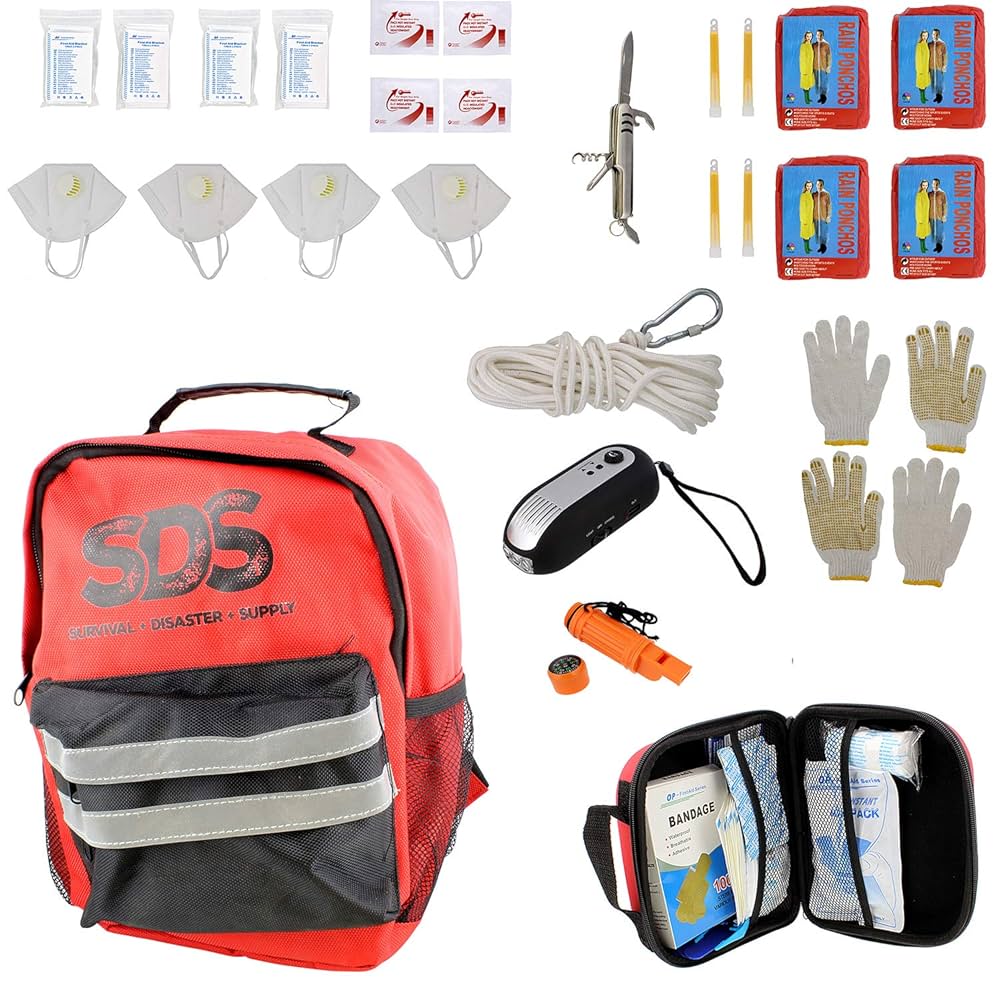
Accidents happen, and having first aid supplies in your car can save you from serious complications. Include bandages, antiseptic wipes, adhesive tape, and pain relievers. Don’t forget items like tweezers and scissors to handle minor injuries effectively.
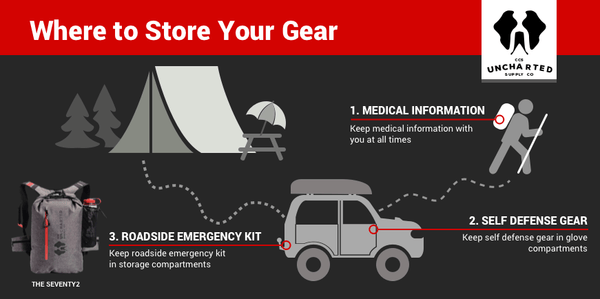
Think about your own medical needs too. Carry any personal medications and allergy treatments to avoid trouble while waiting for assistance. A compact first aid kit fits perfectly under the seat or in the glove compartment for quick access.
Multi-tool And Knife
A multi-tool is your all-in-one helper during emergencies. It offers pliers, screwdrivers, and blades that can assist in many situations—from fixing a loose part to cutting seat belts. A sturdy knife adds extra versatility and can be a lifesaver if you need to cut rope or fabric quickly.
Choose tools that feel comfortable in your hand and are easy to use. You want something reliable, not complicated, when time is critical. Imagine needing to free yourself or someone else quickly—having the right tool makes all the difference.
Flashlight And Batteries
A flashlight helps you see clearly in the dark and signals for help when needed. Always keep extra batteries or a rechargeable flashlight to avoid being left in the dark. Bright, long-lasting light can guide you safely if you’re stuck on the roadside at night.
Have you tested your flashlight recently? Dead batteries can turn a vital tool into a useless one. Keep your flashlight within easy reach so you can grab it immediately in an emergency.

Credit: www.amazon.ca
Food And Water Essentials
Food and water are vital for survival during car emergencies. Having the right supplies keeps you energized and hydrated. Pack items that last long and need no cooking. Choose foods that provide quick energy and nutrients.
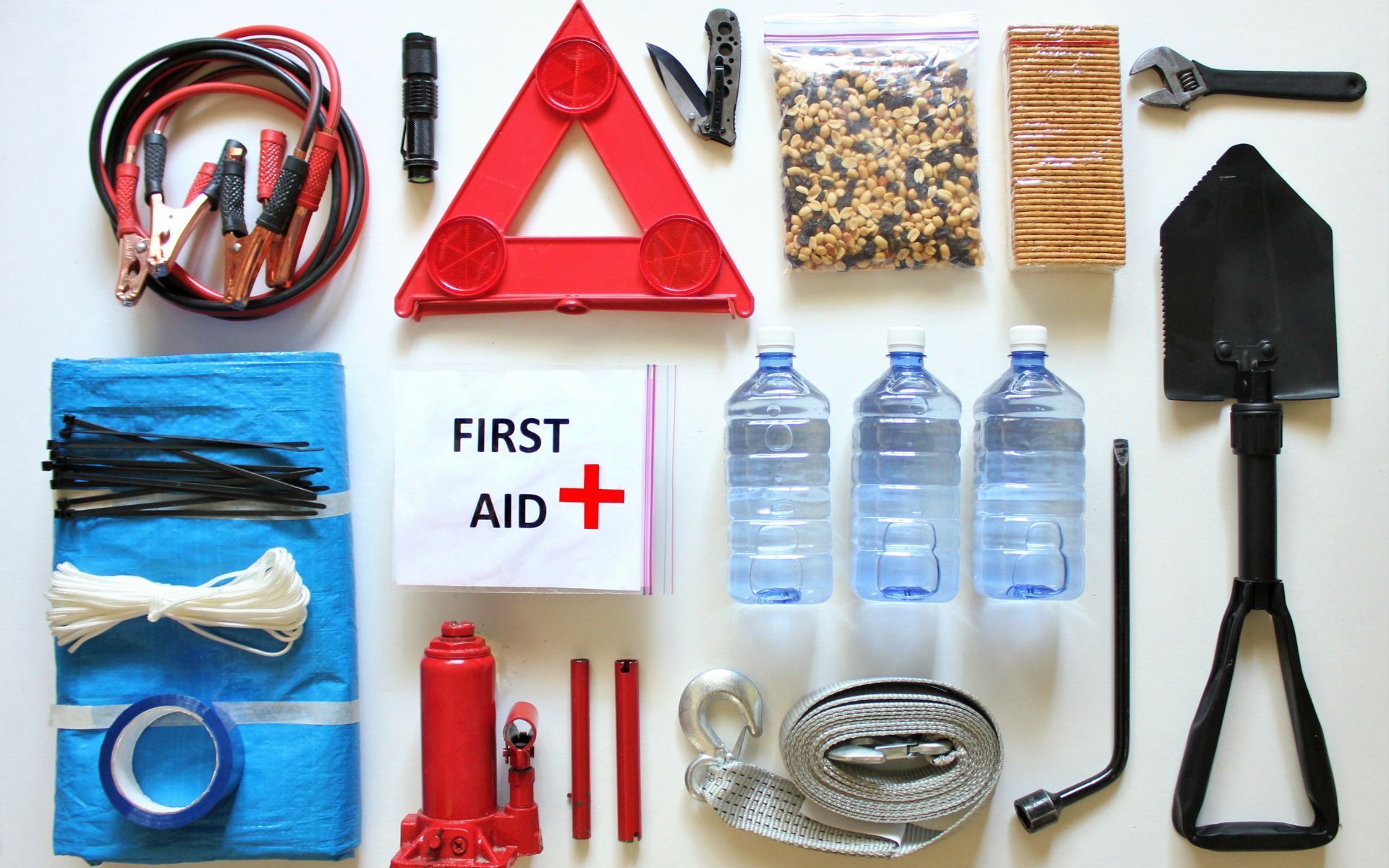
Water is essential. Always carry enough clean water for at least three days. Include ways to purify more water if needed. Emergency hydration options help when water runs low or is unsafe.
Non-perishable Snacks
- Granola bars or protein bars
- Dried fruits like apricots and raisins
- Nuts and seeds for healthy fats
- Trail mix with a mix of nuts and dried fruits
- Crackers or rice cakes
- Peanut butter packets or single-serve jars
- Beef jerky or other dried meats
Choose snacks with a long shelf life and no refrigeration. They should be easy to eat without preparation.
Water Bottles And Purification
- Store bottled water in sturdy containers
- Use BPA-free plastic or stainless steel bottles
- Keep at least one gallon per person per day
- Include water purification tablets for emergencies
- Carry a compact water filter for natural sources
- Use UV light purifiers if available
Rotate stored water every six months to keep it fresh. Purification tools help ensure safe drinking water from unknown sources.
Emergency Hydration Options
- Oral rehydration salts to prevent dehydration
- Electrolyte powder packets for energy and balance
- Ready-to-drink hydration sachets
- Compact water pouches with long shelf life
- Freeze-dried or powdered drink mixes
These options support hydration when water is scarce or not clean. They are lightweight and easy to store in your car kit.
Clothing And Warmth
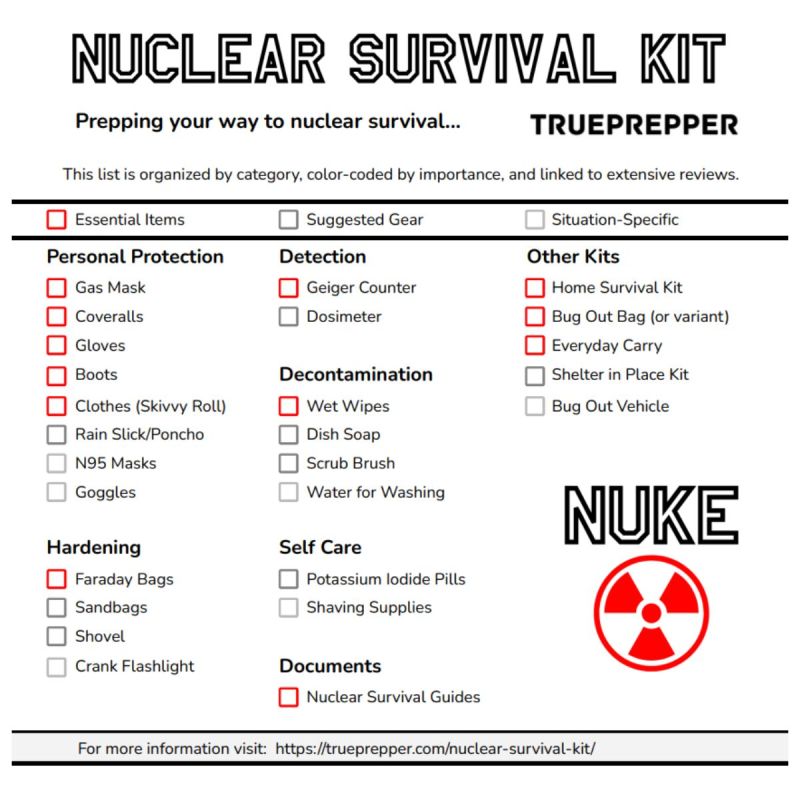
Staying warm in an emergency is vital. Proper clothing can protect you from cold and wet conditions. The right items in your car survival kit boost comfort and safety.
Thermal Blankets
Thermal blankets are lightweight and compact. They trap body heat to keep you warm. These blankets resist wind and moisture, making them perfect for emergencies. Include at least one in your kit to prevent hypothermia.
Extra Clothes And Socks
Extra clothes help you stay dry and warm. Pack layers like a shirt, sweater, and pants. Carry extra socks to keep your feet comfortable. Clean, dry socks prevent blisters and cold feet. Choose materials that dry quickly and provide insulation.
Rain Gear And Gloves
Rain gear shields you from water and wind. A compact raincoat or poncho fits easily in your kit. Gloves protect your hands from cold and injuries. Waterproof gloves work best in wet weather. Keep these items ready to maintain warmth and dryness.

Credit: trueprepper.com
Communication And Navigation
Communication and navigation tools are essential in any car survival kit. They help you send signals for help and find your way if lost. Reliable communication devices improve safety during emergencies. Navigation tools guide you through unfamiliar areas with confidence.
Whistle And Signal Mirror
A whistle can attract attention from far away. It uses little energy and works when your phone is dead. A signal mirror reflects sunlight to alert rescuers. Both are lightweight and easy to carry. Keep them within reach inside your car.
Portable Phone Charger
A portable phone charger keeps your device powered. It ensures you can call for help or use GPS. Choose a charger with enough capacity for multiple charges. Store it fully charged and check it regularly. This tool is vital during long trips or power outages.
Maps And Compass
Physical maps provide backup when electronics fail. They show roads, landmarks, and terrain details. A compass helps you find directions without batteries. Learn basic map reading and compass skills. These tools increase your chances of safe navigation.
Vehicle Emergency Tools
Vehicle emergency tools are essential for safe travel. They help you handle sudden breakdowns or accidents. Keeping these tools in your car can save time and stress. Every driver should prepare for unexpected vehicle problems.
These tools allow quick fixes or signals to other drivers. They improve your safety while waiting for help. Choose reliable and easy-to-use items for your kit. Store them within easy reach in your car.
Jumper Cables
Jumper cables revive a dead car battery fast. They connect your battery to another car’s battery. This jump-starts your vehicle without needing a mechanic. Use cables with thick insulation and strong clamps. Keep cables neatly coiled to avoid tangles.
Tire Repair Kit
A tire repair kit fixes small punctures on the road. It includes plugs, sealant, and a tool to insert plugs. Kits are compact and fit under your seat. They help avoid a flat tire emergency. Learn how to use the kit before driving.
Tow Rope And Flares
Tow ropes pull your car to safety if stuck. Choose a strong, durable rope made for vehicle towing. Flares alert other drivers to your stopped car. They improve visibility in dark or bad weather. Store flares in a fireproof container for safety.
Personal Safety Items
Your car survival kit should protect more than just your physical well-being—it must also safeguard your personal safety and peace of mind. Including personal safety items is a smart move, especially when you’re traveling alone or in unfamiliar areas. These essentials help you stay prepared for unexpected situations where your safety could be at risk.
Pepper Spray Or Personal Alarm
Carrying pepper spray or a personal alarm can make a significant difference during threatening encounters. Pepper spray offers a quick way to deter attackers, giving you time to escape. A personal alarm, on the other hand, emits a loud noise that draws attention and scares off potential threats.
Think about times you felt uneasy walking to your car at night. Would a personal alarm or pepper spray have made you feel more secure? These tools are compact and easy to store in your glove box or door panel, ensuring they’re within reach when you need them most.
Dust Masks
A dust mask is often overlooked but incredibly useful. It can protect you from dust, smoke, or harmful particles if you get caught in a fire or dusty environment. Unlike bulky respirators, simple dust masks are lightweight and don’t take up much space.
Imagine being stuck in a smoky traffic accident or a dusty roadside situation—having a mask can help you breathe easier and stay calm. Adding a few disposable masks to your kit is a small step that offers big protection.
Emergency Cash And Identification
Keeping emergency cash and a copy of your identification in your car is essential. You never know when your phone might die, or electronic payments won’t work. Having cash on hand lets you pay for fuel, food, or help without delay.
Also, a photocopy of your driver’s license and insurance card stored separately from the originals can prove invaluable if your wallet gets lost or stolen. Would you be able to prove your identity or pay for emergency services if your wallet was missing? This simple preparation can save you from a lot of trouble.
Storage And Maintenance
Keeping your car survival kit ready and reliable depends largely on how you store and maintain it. A well-organized kit in a sturdy container can save you time and stress during emergencies. Regular upkeep ensures all items work when you need them most.
Durable Container
Your survival kit needs a container that can handle rough conditions. Choose something waterproof and crush-resistant to protect contents from spills, dirt, and impacts. A hard plastic box with secure latches works well, but a heavy-duty fabric bag with multiple compartments can also do the job.
Think about how often you’ll access the kit. Is it easy to grab and carry? If not, you might hesitate in a crisis. Keeping the container compact enough to fit under a seat or in the trunk corner helps you access supplies quickly.
Regular Kit Checks
Checking your survival kit regularly is crucial. Set a reminder every few months to inspect items for expiration dates or damage. Food, batteries, and medications can expire or lose effectiveness over time.
When was the last time you tested your flashlight or replaced your water supply? Small actions like these can make a huge difference when you’re stranded. Keeping a checklist inside the kit can help track what needs replacing.
Customizing For Seasons
Your survival kit should change with the seasons. In winter, add warm blankets, hand warmers, and extra gloves. During summer, include sunscreen, insect repellent, and plenty of water.
Have you ever been caught unprepared for the cold or heat? Adjusting your kit helps you face weather challenges without panic. Think about your local climate and recent weather trends to decide what extra gear to include.
Credit: www.dilawri.ca
Frequently Asked Questions
What Essential Items Should Be In A Car Survival Kit?
A car survival kit should include water, non-perishable food, a first aid kit, flashlight, and batteries. Also, pack a blanket, jumper cables, and a multi-tool. Ensure you have a phone charger and emergency contact numbers. These essentials can help you stay safe during unexpected situations on the road.
Why Is A Flashlight Important In A Car Kit?
A flashlight is crucial for visibility during nighttime or low-light emergencies. It helps you signal for help, inspect your vehicle, or navigate safely. Always pack extra batteries or a hand-crank flashlight. This ensures you’re prepared for unforeseen situations where light is essential.
How Can Jumper Cables Help In Emergencies?
Jumper cables can restart your car if the battery dies. This is common in cold weather or if lights are left on. Knowing how to use them safely is important. They allow you to get back on the road quickly without waiting for roadside assistance.
What Food Is Best For A Car Survival Kit?
Non-perishable food like energy bars, nuts, and canned goods are ideal. They have a long shelf life and provide essential nutrients. Choose foods that are easy to store and consume. This ensures you have sustenance during prolonged emergencies or if stranded for a long time.
Conclusion
A well-packed car survival kit can save lives and reduce stress. Keep essentials like water, food, and first-aid supplies handy. Tools and warm clothing help in unexpected situations. Regularly check and update your kit for safety. Being prepared means peace of mind on every trip.
Stay safe and ready, no matter the road ahead.