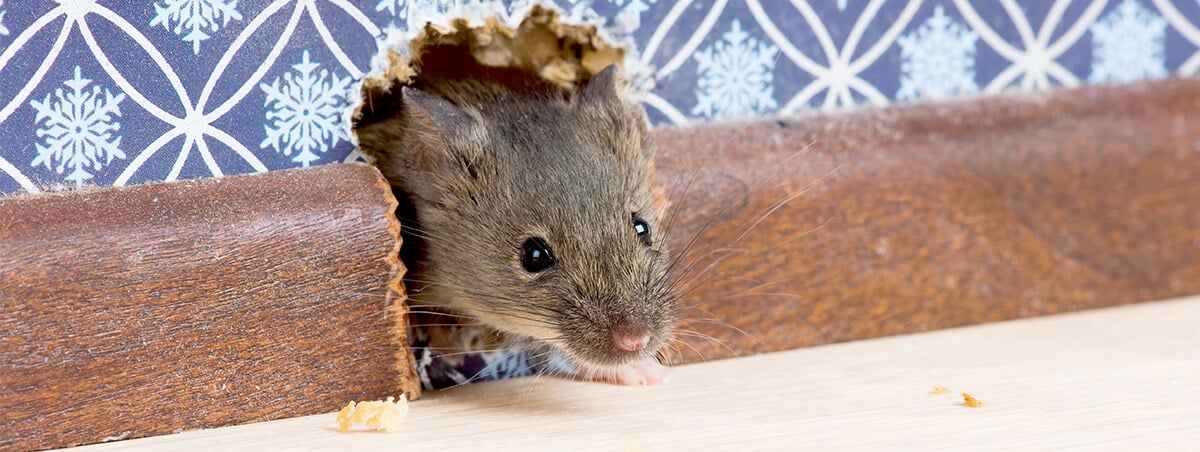
Have you ever wondered if rats can survive when the temperature drops? If you’re concerned about rats invading your home during cold weather, you’re not alone.
Understanding how these creatures handle the chill can help you protect your space better. You’ll discover surprising facts about rats’ survival skills in winter and learn what this means for you. Keep reading—you might be more prepared than you think.
Rats’ Natural Habitats
Rats are highly adaptable creatures that live in many environments. Their natural habitats vary widely, allowing them to survive in different weather conditions. Understanding where rats live helps explain how they cope with cold weather.
Rats often choose places that provide shelter, food, and warmth. These habitats include urban areas, fields, forests, and even inside buildings. Each environment offers unique challenges and benefits for rats.
Urban Environments
Rats thrive in cities due to the abundance of food and shelter. They live in sewers, basements, and abandoned buildings. These places protect them from cold weather and predators. Urban rats find warmth near pipes and heating systems.
Rural And Agricultural Areas
Fields and farmlands offer rats plenty of food from crops and stored grains. Rats build burrows underground or in piles of debris. These burrows keep them safe and insulated from cold temperatures. Rats can dig deep to avoid frost.
Forests And Natural Settings
Some rats live in wooded areas where fallen leaves and logs provide cover. They make nests in hollow trees or under brush. The natural debris helps keep them warm during winter. Forest rats rely on natural shelters to survive cold spells.
Inside Human Structures
Rats often enter homes and buildings for warmth. They hide in walls, attics, and crawl spaces. These spots are usually warmer than outside air during winter. Rats use insulation materials to build cozy nests inside.
Cold Weather Adaptations
Rats are surprisingly resilient creatures, especially when faced with cold weather. They don’t just rely on luck to get through chilly days; they have specific adaptations that help them survive and stay warm. Understanding these adaptations can change how you view these small mammals and their ability to thrive in harsh conditions.
Fur And Body Heat
Rats grow thicker fur during colder months to trap more heat close to their bodies. This fur acts like a natural blanket, reducing heat loss when temperatures drop. Their small size helps too, as they can curl up tightly, minimizing the surface area exposed to cold air.
You might notice that wild rats shed their summer coat as the weather cools, much like squirrels or rabbits. This change isn’t just for show—it’s a vital part of their survival strategy. Have you ever felt the difference in a pet rat’s fur thickness between seasons?
Behavioral Changes
Rats don’t just depend on physical traits; their behavior shifts significantly in cold weather. They seek out warm, sheltered spots like burrows, basements, or inside walls to escape the chill. Sometimes, they even pile together for shared warmth, using teamwork to stay cozy.
Activity levels can also drop, conserving energy when food is scarce or the environment is harsh. You may find that rats are more active during the warmer parts of the day or night, adjusting their schedule to avoid extreme cold. What changes would you make to your environment if you had to survive freezing temperatures?
Survival Strategies
Rats have developed clever ways to survive cold weather that might surprise you. Their survival strategies are all about staying warm and securing enough food. Understanding these tactics can help you see how adaptable these creatures really are.
Nest Building
Rats build nests to shield themselves from the cold. They use materials like shredded paper, fabric, leaves, and insulation from buildings to create warm, cozy spaces.
These nests are often hidden in walls, basements, or under debris. You might not notice them, but their careful construction keeps rats protected from freezing temperatures.
Have you ever wondered why rats choose certain spots for nesting? It’s often about finding places with steady warmth and minimal disturbance.
Food Storage
Rats are smart about food—they don’t just eat on the spot. They stash food in hidden spots to make sure they have enough during harsh conditions.
This stored food can include seeds, grains, and scraps. By saving food, rats reduce the need to venture out into the cold, which lowers their risk of exposure to predators and freezing weather.
If you’ve ever noticed small piles of food in unusual places, you might be witnessing a rat’s survival plan in action. How do you think this behavior affects their ability to thrive in winter?

Credit: www.aol.com
Impact Of Cold On Rat Behavior
Cold weather changes how rats act and survive. Their behavior adapts to keep them warm and safe. These changes help them find food and stay together.
Increased Foraging
Rats search for food more during cold days. They need extra energy to keep warm. This makes them leave hiding spots often. Rats explore wider areas to find enough food. Their activity times may shift to avoid the coldest hours. Finding food becomes their top priority.
Social Dynamics
Rats huddle together for warmth in winter. Group living helps reduce heat loss. Social bonds grow stronger in cold weather. They share body heat by sleeping close. This behavior increases their chances of survival. Cooperation in the group becomes more important.
Rats Vs. Other Rodents In Winter
Rats and other rodents often face harsh winter conditions, but their survival strategies can differ significantly. Understanding these differences helps you grasp why rats might be more resilient in cold weather compared to some of their smaller or less adaptable relatives. Have you ever noticed how some rodents disappear as soon as the temperature drops, while rats seem to thrive indoors and outdoors alike?
Adaptability Of Rats Compared To Mice And Squirrels
Rats are incredibly adaptable creatures. Unlike many mice that struggle in freezing temperatures, rats can burrow deep or find shelter in human structures where it’s warmer. Squirrels, on the other hand, rely heavily on food caches and thick fur but often reduce their activity instead of staying active.
Your attic or basement is often a cozy winter refuge for rats, which is not typically the case for smaller rodents. This adaptability means rats can continue their usual routines even in winter, making them harder to deter.
Physical Traits That Help Rats Survive Winter
Rats have thick fur and a robust body that conserves heat effectively. Their tails, although hairless, help regulate body temperature by releasing excess heat when needed.
Smaller rodents like voles and field mice have less body mass and thinner fur, which makes them more vulnerable to cold. Have you ever wondered why you see fewer of these small rodents during winter? Their survival depends heavily on finding insulated burrows or hibernating, unlike rats that stay active.
Behavioral Differences In Winter Survival
Rats tend to gather in groups to share warmth, and they remain active throughout winter. This social behavior boosts their chances of survival during cold spells.
In contrast, many rodents such as chipmunks enter hibernation or torpor to conserve energy. This means they avoid the cold by significantly lowering their metabolism, whereas rats continue foraging and reproducing.
Practical Tips To Manage Rats And Other Rodents In Cold Weather
- Seal cracks and holes in your home to prevent rats from entering.
- Remove food sources outside to discourage rodents from nesting nearby.
- Consider traps or professional help if you notice signs of rat activity during winter.
- Keep firewood and debris away from your house to reduce hiding spots.
Knowing how rats differ from other rodents in winter can help you protect your home more effectively. Which rodent have you found to be the most persistent during cold months?
Credit: www.theweathernetwork.com
Human Encounters In Cold Seasons
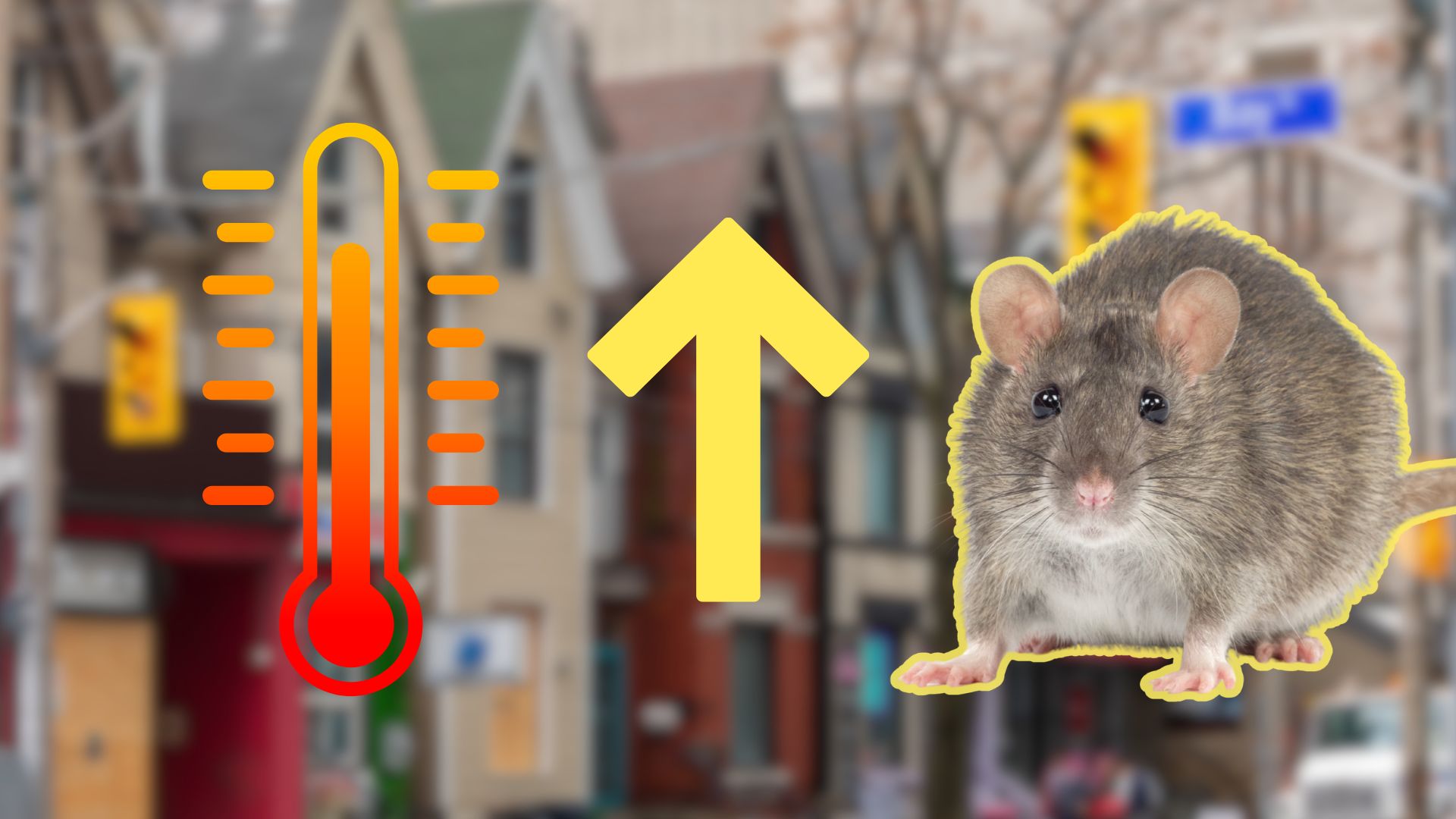
Cold seasons change how humans and rats interact. Rats seek warmth and food inside homes. This leads to more frequent human encounters during winter. Understanding these encounters helps reduce problems caused by rats in cold weather.
Indoor Infestations
Rats enter buildings to escape cold temperatures. They hide in walls, attics, and basements. Inside, they look for food crumbs and water sources. Rats can damage wires and contaminate food. Signs of infestations include droppings, gnaw marks, and noises at night. Early detection is important to stop infestations from growing.
Prevention Tips
- Seal cracks and holes around doors and windows.
- Store food in sealed containers.
- Keep kitchens and floors clean of crumbs.
- Remove clutter where rats can hide.
- Fix leaky pipes to reduce water sources.
- Use traps or call pest control if needed.
Scientific Studies On Rats And Cold
Scientific studies on rats and cold reveal how these animals manage cold weather. Researchers explore their body responses, survival strategies, and limits in low temperatures. Understanding these factors helps explain how rats adapt and survive harsh conditions.
Physiological Adaptations To Cold
Rats show several body changes to survive cold. They increase heat production by burning more energy. Their blood flow adjusts to keep vital organs warm. Fur density also thickens during colder months.
Behavioral Changes In Low Temperatures
Rats change their behavior when it gets cold. They seek shelter in warm places like burrows or buildings. Rats huddle together to share body heat. Their activity level drops to save energy.
Limits Of Cold Tolerance
Studies find rats can survive only to certain cold levels. Extreme cold can cause hypothermia and death. Survival depends on access to food and shelter. Without protection, rats struggle to maintain body heat.
Impact Of Cold On Rat Population
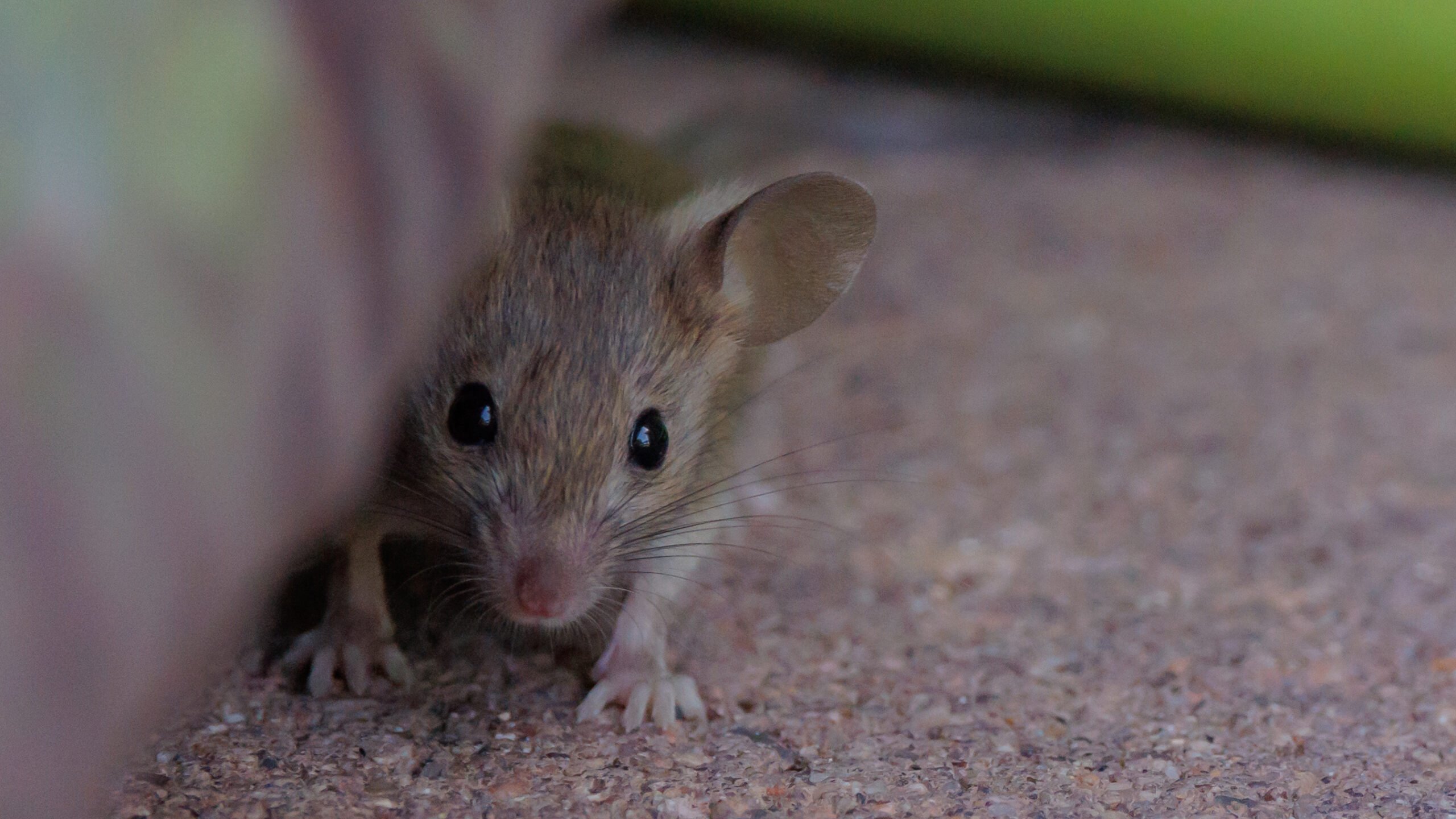
Cold weather affects rat numbers in an area. Harsh winters reduce survival rates, especially for young rats. Populations shrink but often rebound when temperatures rise. Adaptation helps rats recover after cold seasons.
Credit: www.delvingpest.com
Frequently Asked Questions
Can Rats Survive Freezing Winter Temperatures?
Yes, rats can survive freezing temperatures by seeking shelter and using their body heat. They burrow or nest in insulated areas to stay warm during cold weather.
How Do Rats Keep Warm In Cold Weather?
Rats keep warm by huddling together and building nests with insulating materials. Their fur also helps to retain body heat in chilly conditions.
Do Rats Hibernate In Winter?
No, rats do not hibernate. Instead, they remain active year-round by finding warm shelter and adjusting their behavior to survive cold weather.
What Shelters Do Rats Use In Winter?
Rats use protected places like basements, sewers, and building walls. These shelters provide warmth and protection from harsh winter elements.
Conclusion
Rats can survive cold weather by finding warm places to stay. They build nests with soft materials to keep heat inside. Rats eat more food to keep their energy high. They avoid harsh conditions by hiding underground or indoors. Cold weather slows them down but does not stop them.
Understanding how rats live in winter helps with pest control. Stay aware of signs if rats visit your home during cold months. Survival skills make rats tough even in freezing temperatures.


