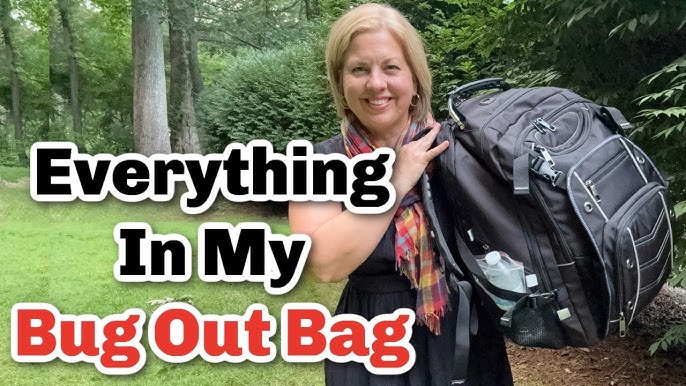
Imagine facing an unexpected emergency where you need to leave everything behind—your home, your comforts, and your routine. What do you grab?
Your bug out survival bag could be the difference between staying safe and struggling to survive. But what exactly should you pack to be ready for anything? You’ll discover the essential items your bag must have to keep you alive, comfortable, and prepared.
Keep reading, because knowing what to include could save your life when it matters most.

Credit: trueprepper.com
Essential Food And Water Supplies
Having the right food and water supplies in your bug out survival bag can make all the difference when you’re facing an emergency. You need items that last long, are easy to carry, and provide enough energy to keep you going. Think about what you can realistically carry and consume without wasting precious resources.
Non-perishable Food Items
Choose food that stays fresh for months or even years. Canned goods like beans, tuna, and vegetables are reliable but can be heavy. Lightweight options such as freeze-dried meals, energy bars, and nuts pack a punch without adding bulk.
Don’t forget to include a mix of carbohydrates, proteins, and fats. These give you balanced nutrition and sustained energy. I once relied on a few packets of peanut butter and dried fruit during a weekend hike, and they kept my energy steady without taking up much space.
- Freeze-dried fruits and vegetables
- High-calorie energy bars
- Trail mix with nuts and seeds
- Peanut butter or other nut butters in single-serve packs
- Instant oatmeal or ready-to-eat cereals
- Canned beans, meats, or soups (if weight is not a big concern)
Water Purification Tools
Water is heavier and bulkier than food, but you can’t survive without it. Carrying gallons of water is impractical, so purification tools become essential. These let you safely drink from natural sources like streams or lakes.
A portable water filter can remove bacteria and protozoa quickly. Chemical tablets are lightweight and easy to store but may leave a taste. I always pack a compact filter and a few purification tablets—having both options saved me during a camping trip when one method ran out.
- Portable water filters (e.g., LifeStraw, Sawyer Mini)
- Water purification tablets (chlorine dioxide or iodine)
- Collapsible water bottles or hydration bladders
- Metal container for boiling water if you have a heat source
Ask yourself: How long can you realistically carry water, and what sources will be available when you need it? Your choices here could be the difference between dehydration and hydration in a crisis.
Clothing And Shelter
Your bug out survival bag needs to keep you protected from the elements and comfortable enough to stay alert. Clothing and shelter are your first line of defense against harsh weather and unpredictable conditions. Packing smart in this category can make the difference between a tough day and a dangerous one.
Weather-appropriate Clothing
Think about the climate where you live and where you might have to bug out. Layering is crucial—start with a moisture-wicking base layer, add an insulating middle layer, and finish with a waterproof outer shell.
Include:
- Base layers:Lightweight shirts and thermal underwear that keep sweat away from your skin.
- Insulating layers:Fleece or down jackets that trap heat.
- Outer layers:Waterproof jackets and pants to shield you from rain and wind.
- Extra socks and gloves:Dry feet and hands prevent blisters and frostbite.
Have you ever experienced how a single wet sock can ruin your entire day outdoors? Keeping your clothing dry and suitable for the weather is non-negotiable. Also, don’t forget a sturdy hat and sunglasses for sun protection.
Portable Shelter Options
Your shelter should be lightweight, easy to set up, and durable. A compact tent or a tarp with paracord can offer shelter from rain and wind without weighing down your bag.
Consider these options:
- Ultralight tents:Provide full protection and privacy but can be bulkier.
- Tarps and bivy sacks:Versatile and extremely lightweight, ideal for quick setups.
- Emergency blankets or bivvy bags:Compact and reflective, perfect for retaining body heat in emergencies.
Ask yourself: How quickly can I set up my shelter if I’m tired or stressed? Practice pitching your shelter before you need it, so it becomes second nature. Remember, the right shelter not only keeps you dry but also helps you conserve energy and stay safe.
First Aid And Hygiene
First aid and hygiene play a crucial role in any bug out survival bag. Staying healthy and clean helps prevent infections and illnesses. Carrying the right supplies ensures quick treatment of injuries and maintains personal cleanliness during emergencies.
Basic First Aid Kit
A basic first aid kit must include essential items for treating common injuries. These supplies help manage cuts, burns, and sprains effectively. Pack items that are compact and versatile for various situations.
- Adhesive bandages of different sizes
- Sterile gauze pads and adhesive tape
- Antiseptic wipes and antibiotic ointment
- Small scissors and tweezers
- Pain relievers like ibuprofen or acetaminophen
- Disposable gloves for protection
- Elastic bandages for sprains
- CPR face shield or mask
- Burn cream or gel
Personal Hygiene Essentials
Maintaining hygiene prevents disease and improves comfort in survival situations. Choose lightweight and compact items to save space. Focus on basics that keep you clean and fresh.
- Biodegradable soap or body wipes
- Toothbrush and travel-size toothpaste
- Hand sanitizer with at least 60% alcohol
- Feminine hygiene products if needed
- Small quick-dry towel
- Comb or small brush
- Disposable razor for shaving
- Wet wipes or tissues
Navigation And Communication
Navigation and communication tools are essential in any bug out survival bag. They help you find your way and stay connected with others during emergencies. Proper equipment can prevent getting lost and allow you to send alerts or call for help.
Maps And Compasses
Reliable maps and compasses are vital for navigation without technology. Paper maps show terrain, roads, and landmarks. A compass points to magnetic north, guiding your direction. Carry a topographic map of your area for detailed land features.
- Choose waterproof and tear-resistant maps.
- Learn basic map reading and compass use skills.
- Keep maps and compass in a protective case.
Emergency Communication Devices
Communication devices let you contact others when cell phones fail. A two-way radio helps talk to nearby people. A personal locator beacon (PLB) sends distress signals via satellite. Some devices have GPS tracking to share your location.
- Pick devices with long battery life.
- Test devices before an emergency.
- Know how to operate each device correctly.
Tools And Equipment
Tools and equipment are essential in a bug out survival bag. They help you handle many tasks in the wild. Choosing the right tools saves time and effort. Each piece should be reliable and easy to carry. This section covers key tools that every survival bag needs.
Multi-tools And Knives
Multi-tools combine several functions in one compact device. They often include pliers, screwdrivers, and scissors. A good multi-tool saves space and weight. Knives are vital for cutting, preparing food, and making shelter. Choose a knife with a strong, sharp blade and a comfortable handle. Look for a fixed blade or a sturdy folding knife. Both tools must be durable and rust-resistant.
Fire Starting Gear
Fire is crucial for warmth, cooking, and signaling. Fire starting gear must work in all weather conditions. Include waterproof matches, a lighter, and a fire steel. Fire steel works well even when wet. Carry tinder like cotton balls or dry bark to help start a fire fast. Pack these items in a waterproof container to keep them dry and ready.

Credit: medium.com
Lighting And Power
Lighting and power are essential in any bug out survival bag. Without reliable light, navigating in the dark becomes risky and stressful. Power sources keep your devices running, which can be vital for communication and navigation.
Flashlights And Headlamps
Flashlights and headlamps are your primary tools for illumination. A good flashlight offers focused light that can help you identify hazards or find your way in the dark. Headlamps free up your hands, which is crucial when setting up camp or performing tasks at night.
Choose flashlights and headlamps that are lightweight but durable. LED lights are a smart choice because they consume less power and last longer. Also, consider models with adjustable brightness levels; sometimes you only need a dim light to save battery life.
- Keep extra batteries in your bag to avoid getting stuck in darkness.
- Water-resistant or waterproof options are better for unpredictable weather.
- Test your lights regularly to ensure they work when you need them.
Portable Power Sources
Carrying portable power sources lets you recharge critical devices like phones, GPS units, and radios. Power banks with high capacity can be lifesavers during extended emergencies. Solar chargers add a renewable way to keep your gear powered without relying on traditional outlets.
Pick power banks with multiple output ports so you can charge more than one device at a time. Some models even have built-in flashlights, combining two essentials into one. Remember to check the power bank’s capacity; a higher mAh rating means longer charging capability.
- Compact and lightweight solar panels are perfect if you expect sunny conditions.
- Consider a hand-crank generator for off-grid power in case sunlight is scarce.
- Keep your power devices protected in waterproof cases to ensure longevity.
Have you ever been caught in the dark without a reliable light or power source? Preparing these essentials in your bug out bag can make a difference between staying safe or facing unnecessary danger. What lighting and power gear do you trust most?
Personal Security
Personal security is a key part of any bug out survival bag. It helps protect you from threats and keeps you safe in uncertain situations. Preparing for safety means choosing the right tools and gear. These items must be easy to carry and effective when needed.
Self-defense Tools
Self-defense tools provide a way to protect yourself from danger. Choose items that are legal and easy to use. A few good options include:
- Compact pepper spray for non-lethal defense
- A sturdy tactical flashlight to blind attackers
- Folding knives for cutting and protection
- A whistle to signal for help
- Personal alarms to scare off threats
Practice using these tools safely. Confidence with your gear improves your security.
Protective Gear
Protective gear shields you from harm in dangerous environments. Lightweight and durable items work best. Consider packing:
- Sturdy gloves to protect hands from cuts and scrapes
- Protective eyewear to guard against dust and debris
- A basic first aid kit with bandages and antiseptics
- Knee and elbow pads for rough terrain
- A dust mask to filter air in smoky or dusty areas
Good protective gear reduces injury risk during survival situations.

Credit: trueprepper.com
Miscellaneous Essentials
Miscellaneous essentials hold great value in a bug out survival bag. They cover items that might not fit typical categories but prove vital in emergencies. These essentials support your safety, communication, and ability to handle unforeseen challenges. Packing them wisely saves time and stress during urgent moments.
Important Documents
- Copies of ID cards and passports
- Medical records and prescriptions
- Insurance policies and property deeds
- Emergency contact list
- Maps of local and surrounding areas
- Any legal documents needed for identification
Keep these documents in waterproof bags or sealed folders. Protecting them ensures access to vital information anywhere. Digital backups on USB drives or cloud storage add extra security.
Cash And Barter Items
- Small bills and coins in local currency
- Precious metals like silver coins
- Tradeable goods such as batteries or lighters
- Personal hygiene items for barter
- Basic tools or survival gear extras
Cash helps with quick purchases when cards fail. Barter items increase your options for trade. Pack items easy to carry and universally useful.
Frequently Asked Questions
What Are Essential Items In A Bug Out Survival Bag?
Essential items include water, food, first aid, shelter, fire-starting tools, and a multi-tool. These basics ensure survival in emergencies and help maintain health and safety.
How Much Water Should A Bug Out Bag Hold?
A bug out bag should hold at least one gallon of water per person per day. This amount covers drinking and basic hygiene needs during survival situations.
Why Include A First Aid Kit In A Bug Out Bag?
A first aid kit treats injuries and prevents infections. It’s vital for addressing cuts, burns, or illnesses when medical help is unavailable.
What Shelter Options Are Best For A Bug Out Bag?
Lightweight tents, tarps, or emergency blankets are ideal. They provide protection from weather and help maintain body temperature in the wild.
Conclusion
A well-packed bug out bag can save your life in emergencies. Include water, food, shelter, and first aid supplies. Don’t forget tools like a flashlight, knife, and fire starters. Keep your bag light but complete. Practice using your items before you need them.
Stay prepared and stay safe. Your bag should help you survive for at least 72 hours. Ready for any situation. Simple, smart, and effective.