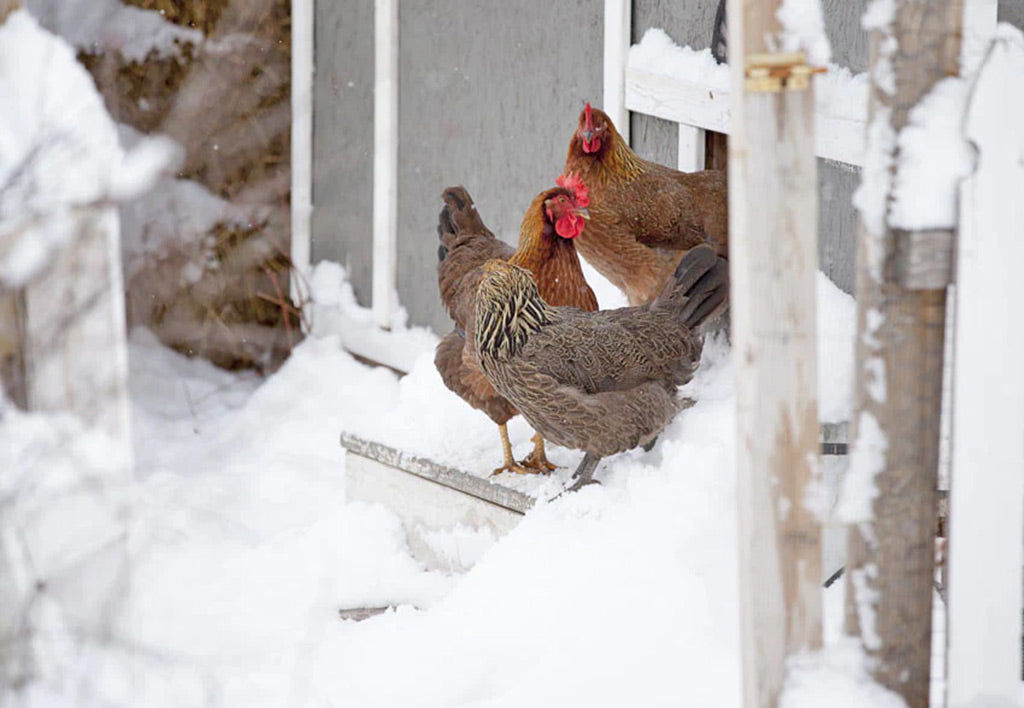
Have you ever wondered if your chickens can handle freezing temperatures? If you’re worried about your feathered friends during cold weather, you’re not alone.
Keeping chickens healthy and happy when the temperature drops isn’t as simple as it seems. But don’t worry—understanding how cold affects your flock and what you can do to protect them can make all the difference. Keep reading to discover practical tips and surprising facts that will help your chickens thrive, no matter how chilly it gets outside.

Credit: milefour.com
Chickens’ Cold Weather Adaptations
Chickens have natural ways to handle cold weather. Their bodies and behaviors help them stay warm. These adaptations allow them to survive even in chilly conditions. Understanding these can help you care for your flock better during winter.
Feathers Provide Insulation
Chickens have many feathers that trap air close to their skin. This layer of air acts like a blanket. It keeps their body heat from escaping. Fluffy feathers around their neck, called a “ruff,” add extra warmth.
Ability To Fluff Up
Chickens puff up their feathers to increase insulation. By fluffing, they create more air pockets. This extra space helps keep cold air away from their skin. It is a simple but effective way to stay warm.
Reduced Blood Flow To Extremities
Chickens control blood flow to their feet and legs. They reduce circulation in cold weather to avoid heat loss. Their legs have a special system to keep warm blood flowing without freezing. This helps prevent frostbite.
Behavioral Adaptations
Chickens huddle together for warmth. They find sheltered spots away from wind and rain. At night, they roost on perches off the cold ground. These habits protect them from harsh elements.

Credit: www.reddit.com
Ideal Chicken Breeds For Cold Climates
Choosing the right chicken breeds is crucial if you want them to thrive in cold weather. Some breeds have natural traits that help them stay warm and healthy during harsh winters. Knowing which breeds are best suited for cold climates can save you a lot of trouble and keep your flock happy.
OrpingtonsOrpingtons are famous for their thick feathering, which acts like a natural winter coat. Their fluffy feathers trap heat close to their bodies, keeping them warm even in freezing temperatures. I’ve seen Orpingtons comfortably roam outside while other breeds huddle inside.
AustralorpsAustralorps have dense feathers and a calm temperament, making them well-suited for cold climates. They tolerate cold well and continue laying eggs even during winter months. If you want a reliable layer that can handle the cold, Australorps are a solid choice.
WyandottesWyandottes have a rose comb, which is less prone to frostbite than single combs. Their compact body and heavy feathering help them survive colder weather comfortably. These chickens blend hardiness with good egg production, perfect for cold regions.
BrahmasBrahmas are large birds with feathered feet that provide extra warmth. Their size and thick plumage help them maintain body heat during winter. If you live where temperatures drop significantly, Brahmas can be a dependable choice.
What Makes a Breed Ideal for Cold Weather?- Feather Density:Thick, fluffy feathers trap heat better.
- Comb Type:Smaller or rose combs reduce frostbite risk.
- Body Size:Larger bodies retain warmth more efficiently.
- Behavior:Calm breeds tend to conserve energy during cold spells.
Have you noticed how some chickens seem more active and healthy in winter while others struggle? Picking breeds with these traits means less stress for you and better survival for your flock. What breed do you think would fit your cold climate best?
Preparing The Coop For Winter
Preparing the coop for winter is essential for keeping chickens safe and comfortable. Cold weather can be harsh on birds. Proper coop preparation helps maintain warmth and health. Small changes inside the coop create a big difference in cold survival. Focus on insulation, ventilation, and bedding for best results.
Insulation Techniques
Insulating the coop keeps cold air out and warmth in. Use materials like foam boards or straw bales on walls. Cover windows with clear plastic to block drafts but keep light. Seal gaps around doors and windows with weather stripping. Avoid heavy insulation that traps moisture. Good insulation reduces heat loss and protects birds from freezing.
Ventilation Importance
Ventilation removes moisture and harmful gases from inside the coop. Moist air causes frostbite and respiratory problems in chickens. Place vents high on walls to let warm air escape. Make sure vents do not create direct drafts on birds. Use adjustable vents to control airflow during extreme cold. Proper ventilation keeps the coop dry and safe.
Bedding Choices
Bedding provides warmth and comfort on cold coop floors. Use dry materials like straw, wood shavings, or hemp. Change bedding regularly to prevent dampness and mold. Deep litter method works well by letting bedding compost inside the coop. This natural heat warms chickens from below. Clean, dry bedding helps maintain healthy feet and warmth.
Feeding Strategies In Cold Weather
Feeding chickens during cold weather requires special attention. Their bodies use more energy to stay warm. This means they need the right food and feeding routines to stay healthy and active. Adjusting feeding strategies helps chickens cope with chilly days and cold nights.
Nutritional Requirements
Chickens need more calories in cold weather. Extra energy keeps their body heat stable. Feed them grains that are high in carbohydrates and fats. These provide long-lasting energy.
Proteins help chickens grow and repair tissues. Include quality protein sources in their diet. Minerals like calcium and phosphorus are important for strong bones and eggshells. Offer fresh water to avoid dehydration.
- Increase grains like corn and oats
- Add protein-rich foods such as soybean meal or fish meal
- Provide extra vitamins to boost immunity
- Ensure constant access to clean, unfrozen water
Feeding Schedule Adjustments
Cold weather makes chickens eat more often. They burn calories quickly to keep warm. Offer food multiple times a day. This keeps their energy steady and prevents hunger.
Feed before sunrise and after sunset. This timing supports their natural rhythm and warmth. Avoid letting food freeze outside. Use feeders designed to keep food dry and accessible.
- Feed at least three times daily
- Use heated waterers to prevent freezing
- Place feeders in sheltered areas
- Monitor food intake and adjust as needed
Water Management During Freezing Temperatures
Managing water for your chickens during freezing temperatures is crucial. Without access to liquid water, your flock can quickly become dehydrated, which affects their health and egg production. Ensuring they have fresh, drinkable water can be challenging, but with the right approach, you can keep their water supply flowing even in the coldest weather.
Preventing Water Freezing
One simple way to stop water from freezing is by using insulated water containers. These containers help keep the water temperature above freezing for longer periods. Placing the waterer in a sunny spot during the day also helps warm the water naturally.
Another trick is to add a small amount of vegetable oil on the water surface. This creates a thin barrier that slows down ice formation. Have you tried hanging the water container slightly above ground? This reduces contact with cold surfaces, making freezing less likely.
Providing Warm Water
Heated water bowls or heated cables designed for poultry waterers can be a game-changer in winter. These devices keep water just above freezing without making it too hot for chickens to drink. It’s important to monitor these heaters regularly to avoid electrical hazards or overheating.
If you prefer a low-tech option, refreshing the water multiple times a day with warm water can work well. It takes a bit more effort but ensures your chickens always have access to liquid water. How often do you check your chickens’ water in winter? Increasing this frequency might make a big difference.

Credit: www.reddit.com
Protecting Chickens From Predators
Protecting chickens from predators is vital, especially during cold weather. Predators become more active and desperate for food in winter. Chickens are vulnerable when they sleep or forage outside. Ensuring their safety helps maintain a healthy flock and peace of mind for the owner.
Secure Coop Design
A strong coop is the first line of defense. Use solid materials like wood or metal for walls and doors. Make sure all openings are covered with sturdy wire mesh.
- Check for gaps or holes regularly.
- Install a secure latch that predators cannot open.
- Elevate the coop to prevent digging underneath.
Doors and windows should close tightly. Lock the coop every night to keep predators out. A well-built coop keeps chickens safe and warm.
Predator Deterrents
Adding deterrents around the coop discourages predators. Motion-activated lights can scare away animals at night. Loud noises or alarms also help protect chickens.
- Place thorny branches or rocks near fencing.
- Use electric fencing as an extra barrier.
- Keep the area clean to avoid attracting rodents.
Guard animals such as dogs or roosters can also protect the flock. Combining several deterrents improves security. Protecting chickens from predators helps them survive cold months safely.
Recognizing Signs Of Cold Stress
Spotting cold stress in your chickens early can make a huge difference in their health during winter. Chickens can’t tell you when they’re too cold, so you need to watch for clues. Recognizing these signs quickly helps you act before things get serious.
Behavioral Changes
One key sign is how your chickens act. If they huddle tightly together more than usual, it’s a clear red flag. Chickens do this to share body heat when they feel cold.
You might also notice them staying still for longer periods or reducing their usual activity. Less scratching and pecking around the coop can mean they’re trying to conserve energy.
Have you seen your flock fluffing up their feathers constantly? This behavior traps air and keeps them warmer, but too much fluffing signals they are struggling with the cold.
Physical Symptoms
Look closely at their combs and wattles. If these turn pale, purple, or even black, frostbite could be setting in. This is a serious condition that needs immediate attention.
Another sign is shivering—just like you, chickens shiver to generate heat. If you notice this, your coop might not be warm enough.
Also, pay attention to their feet. Swelling or discoloration can indicate cold damage. Healthy feet should look normal and move freely.
Providing Supplemental Heat
Providing supplemental heat helps chickens stay warm during cold weather. It supports their natural ability to keep cozy but prevents chilling in harsh conditions. Proper heat sources reduce stress and improve chicken health. Safe and effective heating keeps your flock comfortable and productive.
Safe Heating Options
Choose heat sources that reduce fire risks and avoid burns. Safe options include:
- Heated pads designed for poultry use
- Infrared heaters with proper guards
- Safe ceramic heat emitters
- Well-ventilated heated waterers to prevent freezing
Always keep cords and heaters out of reach from chickens. Use thermostats or timers to control temperature. Avoid open flames and unprotected heat lamps.
When To Use Heat Lamps
Heat lamps provide warmth but need careful use. Use them only during extreme cold snaps or for young chicks. Remove lamps once chickens grow feathers. Place lamps securely to prevent accidents. Monitor chickens to avoid overheating or burns. Never leave heat lamps on unattended for long periods.
Maintaining Chicken Health In Winter
Keeping chickens healthy during winter is essential for their survival and productivity. Cold weather can stress birds, making them more prone to illness. Proper care helps chickens stay strong and comfortable through harsh conditions.
Regular Health Checks
Observe chickens daily for signs of illness or distress. Check for clear eyes, clean feathers, and normal behavior. Look for symptoms like coughing, sneezing, or lethargy. Inspect feet and legs for frostbite or injury. Remove any wet bedding or droppings to prevent infections.
Keep the coop dry and well-ventilated but free from drafts. Provide fresh water and feed to support their immune system. Early detection of problems helps prevent serious health issues.
Vaccinations And Supplements
Vaccinate chickens against common diseases before winter. This reduces the risk of outbreaks in cold months. Use supplements like vitamins A, D, and E to boost immunity. Adding probiotics supports digestive health.
Offer extra calcium for strong eggshells during winter laying. Provide grit to aid digestion when food is less varied. Proper nutrition strengthens chickens and helps them resist cold-related illnesses.
Frequently Asked Questions
Can Chickens Survive Freezing Temperatures?
Yes, chickens can survive cold weather if properly cared for. They need shelter, dry bedding, and adequate food to stay warm and healthy.
How Do Chickens Stay Warm In Winter?
Chickens fluff their feathers to trap heat and huddle together for warmth. Providing a draft-free coop with ventilation helps maintain a cozy environment.
What Should I Feed Chickens In Cold Weather?
Increase their protein and calorie intake with grains, scratch feed, and warm water. This helps chickens generate more body heat during cold months.
Do Chickens Need Special Housing In Winter?
Yes, chickens require insulated, dry, and draft-free housing. Proper ventilation prevents moisture buildup, which can cause frostbite and respiratory issues.
Conclusion
Chickens can live through cold weather with proper care. Keep their coop dry, warm, and free from drafts. Provide enough food and fresh water daily. Use bedding to help them stay cozy at night. Watch for signs of frostbite or illness often.
Healthy chickens stay active even in winter. Simple steps make a big difference for their comfort. Cold weather does not have to harm your flock. With attention and care, chickens thrive all year.


