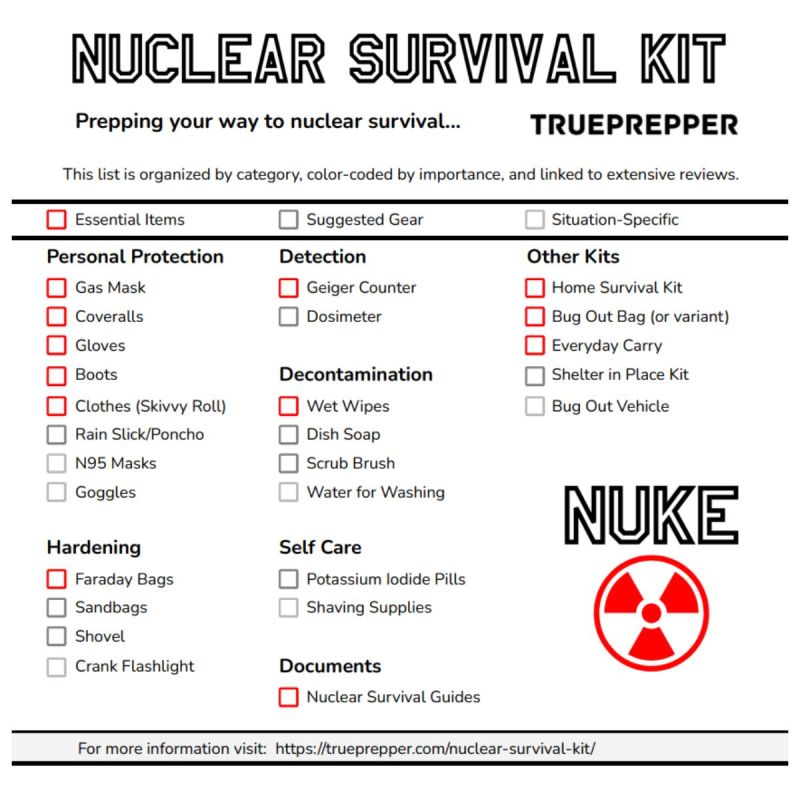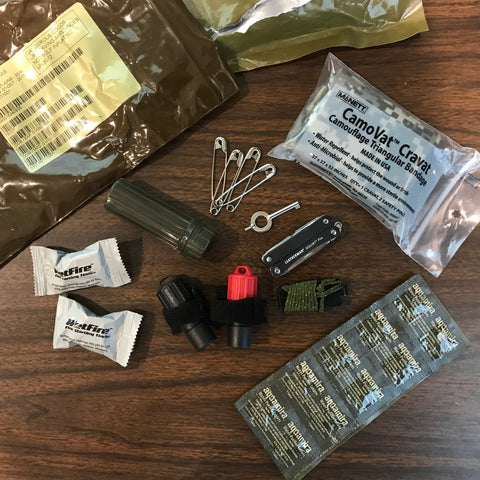
Imagine facing an emergency and realizing you’re not prepared. Your safety and comfort depend on what you have with you.
That’s why knowing how to make a homemade survival kit is so important. You can control what goes inside, making sure it fits your needs perfectly. You’ll discover simple steps to build a kit that can protect you in unexpected situations.
Ready to take charge of your safety? Let’s get started.
Choosing The Right Container
Choosing the right container is crucial for a homemade survival kit. The container holds all your essential items. It must protect them from damage and keep them organized. Picking the right size and type makes your kit easy to carry and use. Consider where you will keep the kit and how often you will access it. The container should meet your specific needs and conditions.
Size And Durability
Choose a container that fits all your survival items comfortably. Avoid containers that are too big or too small. A compact size helps in easy storage and transport. Durability is just as important. Look for containers made of strong materials like hard plastic or metal. They resist impacts and protect contents from crushing. A sturdy container lasts longer and keeps items safe.
Waterproof And Portable Options
Waterproof containers keep items dry in wet conditions. Look for sealed lids or rubber gaskets. Waterproof bags or boxes are excellent choices. Portability matters for quick access and easy carrying. Choose containers with handles or straps. Lightweight options reduce the burden during travel. Portable and waterproof containers ensure your survival kit works well outdoors.

Credit: www.selfrelianceoutfitters.com
Essential Food And Water Supplies
Food and water are the most important parts of any survival kit. Without them, staying healthy and strong is very hard. Choosing the right supplies helps you stay alive longer during emergencies.
Pick foods that last long and do not need cooking. Water must be safe to drink. Carry tools to clean water from different sources.
Non-perishable Foods
Non-perishable foods do not spoil quickly. They provide energy and nutrients in tough situations. Choose foods that are easy to carry and eat.
- Canned beans and vegetables
- Peanut butter
- Dry cereals and granola bars
- Instant noodles or rice
- Dried fruits and nuts
- Powdered milk or protein powders
Store foods in airtight containers to keep them fresh. Check expiration dates regularly. Rotate supplies to use older items first.
Water Purification Methods
Water from natural sources may carry harmful germs. Purify water before drinking to avoid sickness. Carry small and light purification tools in your kit.
- Water purification tablets: Easy to use and effective
- Portable water filters: Remove dirt and bacteria
- Boiling water: Kills most germs with heat
- UV light purifiers: Use ultraviolet rays to disinfect
Always carry clean water bottles. Fill them with safe water before emergencies. Knowing how to purify water saves lives.
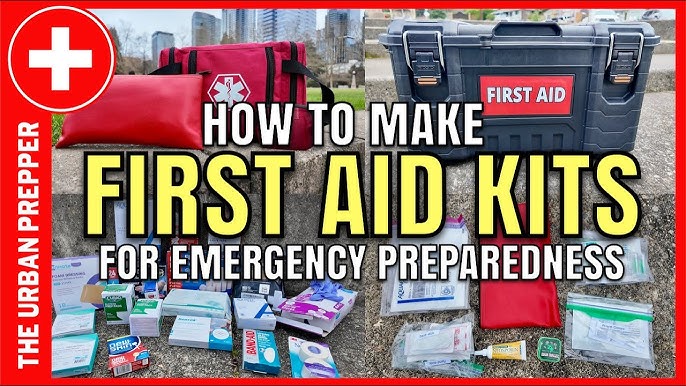
First Aid Necessities
First aid items are the heart of any survival kit. They help treat injuries quickly. This can prevent infections and ease pain. Having the right supplies makes a big difference. Keep these essentials ready for any emergency.
Basic Medical Supplies
- Adhesive bandages in various sizes for cuts and scrapes
- Sterile gauze pads to cover larger wounds
- Medical tape to secure dressings
- Antiseptic wipes to clean wounds and prevent infection
- Disposable gloves for hygiene and safety
- Scissors and tweezers for cutting tape and removing splinters
- Elastic bandage for sprains and strains
- CPR face shield to protect during resuscitation
Emergency Medication
- Pain relievers like ibuprofen or acetaminophen
- Antihistamines for allergic reactions
- Anti-diarrheal medicine to manage stomach issues
- Antacid tablets for heartburn or indigestion
- Hydrocortisone cream to reduce itching and inflammation
- Cold and flu remedies to ease symptoms
- Any personal prescription medications, stored safely
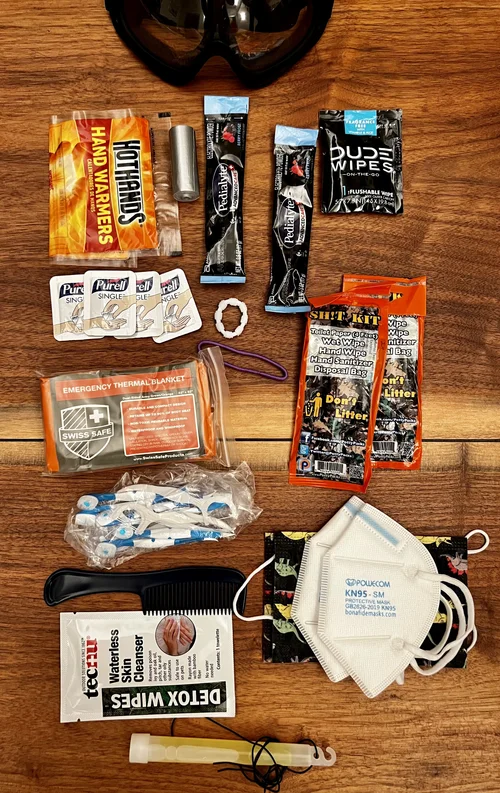
Credit: www.soivethoughtalotaboutthis.com
Tools And Equipment
Your survival kit’s effectiveness hinges largely on the quality and variety of tools and equipment you include. These items are your lifeline in unexpected situations, helping you solve problems quickly and efficiently. Selecting the right tools means thinking about versatility, durability, and ease of use.
Multi-purpose Tools
Multi-purpose tools save space and weight, which is crucial when you need to move fast or carry light. A good quality multi-tool often combines pliers, knives, screwdrivers, and scissors in one compact device. I once faced a situation where my multi-tool was the only thing that helped me fix a broken tent pole and prepare food—all without unpacking a bulky toolbox.
Look for tools with:
- Stainless steel construction for rust resistance
- Locking mechanisms for safety
- A comfortable grip for extended use
Think about your daily environment—what small tasks do you frequently encounter? Adding a multi-tool tailored to those needs will give you a huge advantage.
Fire Starting Gear
Fire is essential for warmth, cooking, and signaling for help. Carrying reliable fire-starting gear is non-negotiable in any survival kit. I once tried starting a fire with just matches in damp weather, and it was frustrating; since then, I always include multiple fire starters.
Your kit should include:
- Waterproof matches or a windproof lighter
- A ferrocerium rod (ferro rod) for sparks even when wet
- Natural tinder like cotton balls soaked in petroleum jelly for easy ignition
Ask yourself: how will you start a fire if your primary method fails? Having backups can make the difference between a cold night and a warm, safe one.
Shelter And Warmth Essentials
Staying safe in the wild depends largely on your shelter and warmth essentials. These items protect you from cold, rain, and wind. A good survival kit must include gear that keeps your body temperature steady. This section covers compact sleeping gear and weather protection items. Both are crucial for comfort and survival in tough conditions.
Compact Sleeping Gear
Choose sleeping gear that is small and light. Space is limited in a survival kit. Look for items that provide warmth without adding bulk. A compact sleeping bag or bivvy sack works well. These items trap body heat and keep moisture out.
- Ultralight sleeping bag rated for low temperatures
- Emergency thermal blanket for extra warmth
- Bivvy sack for waterproof shelter
- Inflatable sleeping pad for insulation from cold ground
Pack items that fit easily into your kit. Prioritize warmth and comfort in a small package.
Weather Protection Items
Protection from rain and wind is vital. Wet clothes and cold wind lower body temperature fast. Include rain gear and windbreakers in your kit. These items shield you from the elements and keep you dry.
- Lightweight waterproof jacket or poncho
- Packable rain pants
- Windproof hat or beanie
- Compact tarp or emergency shelter
Focus on materials that dry quickly and resist wind. These simple items help maintain body heat and reduce exposure risks.
Navigation And Communication Devices
Navigation and communication devices are critical in any survival kit. They help you find your way and stay connected when you’re off the grid. Without these tools, even the best survival skills can be compromised.
Maps And Compasses
A detailed map of your area paired with a reliable compass is a must-have. Smartphones can fail due to battery loss or lack of signal, but a compass never runs out of power. Have you ever tried navigating dense woods without a map? It quickly becomes frustrating and dangerous.
Choose waterproof, tear-resistant maps that show terrain details and landmarks. Keep the compass calibrated and learn basic navigation skills beforehand. Small tricks, like marking your route on the map, can save time and prevent panic.
Emergency Radios
Emergency radios keep you informed and connected when other communication means fail. Look for models that receive NOAA weather alerts and run on multiple power sources such as batteries, solar, or hand crank. This variety ensures you stay updated even during long outages.
Some radios include built-in flashlights and USB charging ports, adding extra value. Have you ever been caught off guard by sudden weather changes? An emergency radio can give you that vital head start to react safely.
Lighting And Signal Tools
Lighting and signal tools are essential for any homemade survival kit. They help you see in the dark and alert rescuers to your location. Good lighting improves safety and comfort during nighttime. Signaling devices increase your chances of being found quickly.
Flashlights And Batteries
A reliable flashlight is a must-have. Choose one that is durable and lightweight. LED flashlights use less power and last longer. Always carry extra batteries to avoid being left in the dark. Keep batteries in a separate, waterproof container. Test your flashlight regularly to ensure it works well.
Signal Mirrors And Whistles
Signal mirrors reflect sunlight to catch attention from far away. They are small and easy to carry. Use a bright, clear mirror for better visibility. Whistles produce loud sounds that carry over long distances. They require less energy than shouting. Carry a whistle on a lanyard for quick access. Practice using both tools so you can signal effectively.

Credit: www.youtube.com
Personal Safety Items
Personal safety items are the backbone of any homemade survival kit. They help protect you from physical harm and keep you prepared for unexpected situations. Choosing the right items can make all the difference when you need to defend yourself or stay safe in harsh conditions.
Self-defense Tools
Having reliable self-defense tools in your kit can boost your confidence and security. Consider compact options that are easy to carry, like pepper spray, a tactical flashlight, or a whistle. These tools don’t require special skills but can be effective in warding off threats.
If you prefer something more hands-on, a sturdy folding knife or a personal alarm can also be lifesavers. Remember to check local laws before adding certain items, so you stay within legal limits. What tools would you feel most comfortable using in an emergency?
Protective Clothing
Protective clothing is often overlooked but plays a vital role in keeping you safe. Durable gloves, a hat, and weather-appropriate outerwear can shield you from cuts, burns, and extreme temperatures. Waterproof and breathable fabrics help maintain comfort during long hours outside.
Think about layering your clothing to adapt to changing weather. Reflective strips or bright colors increase your visibility, especially if you find yourself near roads or in low-light conditions. What’s one piece of clothing you wouldn’t leave home without in a survival situation?
Maintaining And Updating Your Kit
Keeping your homemade survival kit ready is key for real emergencies. Regular care and updates make sure it works when needed. A kit left untouched can fail at crucial moments.
Check your kit often. Replace old items and adjust contents for changing needs. This habit ensures your kit stays useful and reliable.
Regular Checks And Replacements
Set a schedule to inspect your kit. Look for expired food, dead batteries, and worn tools. Swap out any broken or outdated items right away.
Check packaging for leaks or damage. Replace anything that might spoil or break. Keep the kit clean and dry to avoid mold or rust.
- Test flashlights and radios monthly.
- Replace water every six months.
- Update medications according to expiration dates.
- Refresh food supplies at least once a year.
Seasonal Adjustments
Change your kit based on the season. Add warm clothing and blankets for winter. Include sunblock and insect repellent for summer.
Consider local weather and natural threats. Update your supplies to match these conditions. This keeps you prepared no matter the time of year.
- Winter: extra gloves, hand warmers, thermal blankets.
- Summer: water bottles, hats, sunscreen, bug spray.
- Rainy season: waterproof bags, rain ponchos.
- Cold or hot climates: adjust clothing and hydration tools.
Frequently Asked Questions
What Are The Essential Items For A Homemade Survival Kit?
A homemade survival kit must include water, non-perishable food, a first aid kit, a flashlight, and a multi-tool. These basics cover hydration, nutrition, safety, and emergency repairs.
How Do I Choose The Best Container For A Survival Kit?
Select a durable, waterproof container that fits all items comfortably. It should be compact, easy to carry, and resistant to damage from weather or rough handling.
How Often Should I Update My Homemade Survival Kit?
Update your survival kit every six months. Replace expired food, batteries, and check for damaged items to keep it ready for emergencies.
Can I Customize A Survival Kit For Different Environments?
Yes, tailor your kit based on the environment. Include items like insect repellent for forests or extra water purification tablets for deserts.
Conclusion
Creating a homemade survival kit helps you stay ready for emergencies. Choose items that meet your basic needs like water, food, and first aid. Keep your kit organized and check it often for expired supplies. Tailor it to your environment and personal needs.
A well-prepared kit can make a big difference in tough situations. Start small and add more items over time. Being prepared gives peace of mind and safety. Simple steps lead to strong survival habits.