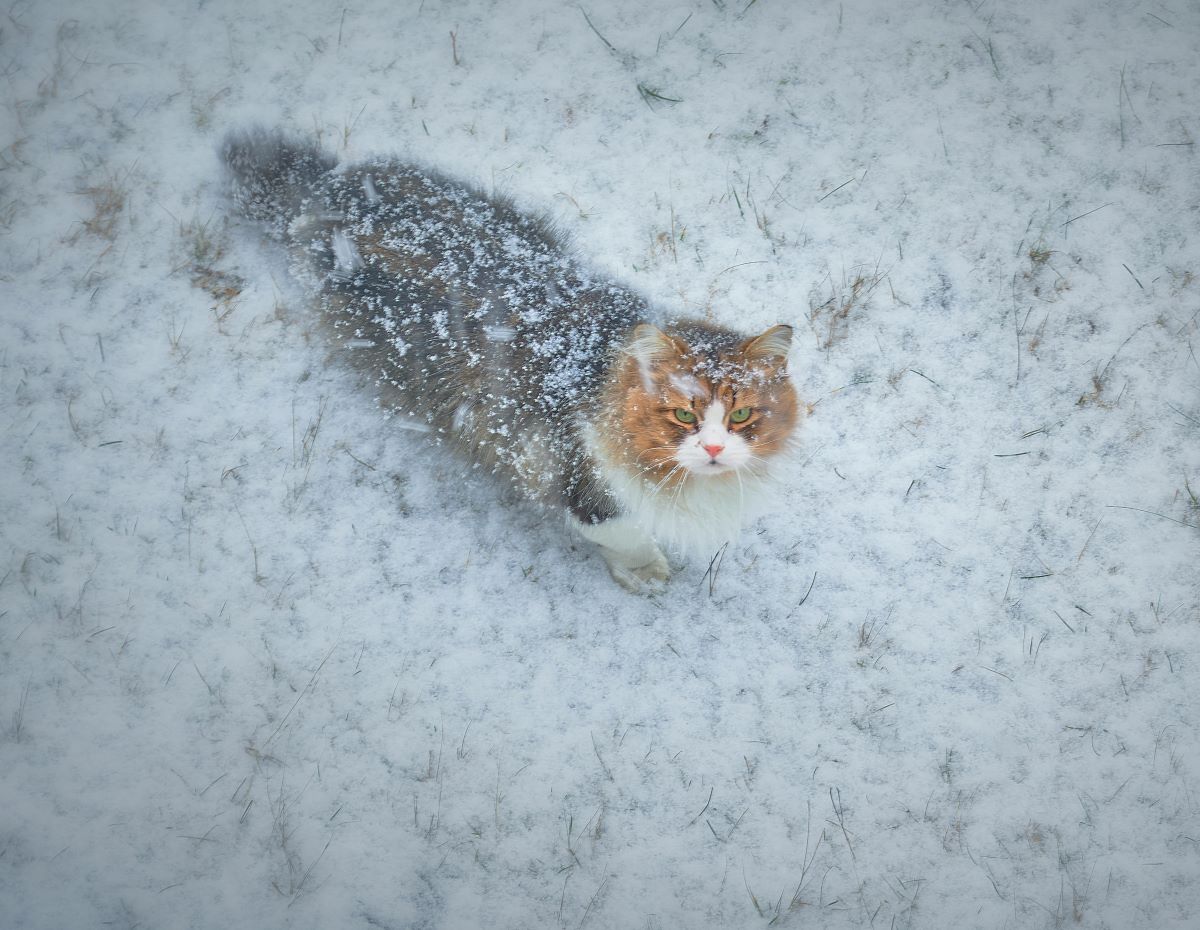
Have you ever wondered if your cat can handle really cold weather, like 50 degrees Fahrenheit? It’s a question that matters, especially if you let your furry friend spend time outdoors.
You want to make sure your cat stays safe and comfortable, no matter the temperature. You’ll discover what 50-degree weather means for your cat’s health and what steps you can take to protect them. Keep reading to find out how to keep your pet cozy and secure when the temperature drops.
Cats And Heat Tolerance
Cats have a natural ability to handle warm temperatures better than cold. Their bodies can cool down efficiently under heat. This makes them more tolerant of higher temperatures. Understanding how cats manage heat helps us know if they can survive in 50-degree weather.
Cats sweat very little. Instead, they use panting and grooming to cool down. Their fur also plays a role by protecting them from direct sun. But too much heat can still be dangerous for cats.
Cats’ Natural Cooling Methods
- Panting helps release heat from their body.
- Grooming spreads saliva on fur, which cools as it evaporates.
- Seeking shade reduces exposure to direct sunlight.
- Resting during the hottest parts of the day.
How Cats React To Heat Stress
- They become less active to save energy.
- They drink more water to stay hydrated.
- Some cats may hide to find cooler spots.
- Excessive panting or drooling can signal heat stress.
Factors Affecting Heat Tolerance In Cats
- Coat length: Short-haired cats handle heat better.
- Age: Older cats struggle more with extreme temperatures.
- Health: Ill cats are less able to manage heat.
- Environment: Access to shade and water is crucial.
Credit: therescuevets.com
Understanding Cat Physiology
Understanding how cats handle different temperatures is key to knowing if they can survive in 50-degree weather. Their unique physiology affects how they react to cold and warmth. Let’s look closely at how their bodies regulate temperature and why staying hydrated is vital.
Body Temperature Regulation
Cats have a normal body temperature ranging from 100.5°F to 102.5°F. Their fur acts as insulation, but it’s not enough to keep them warm in prolonged cold. Unlike humans, cats don’t shiver much to generate heat.
Instead, they rely on curling up tightly to conserve warmth and often seek shelter. You might notice your cat prefers sunny spots or cozy blankets when it’s chilly. If the temperature drops near 50°F, cats may struggle to maintain their body heat, especially smaller or short-haired breeds.
Hydration Needs
Staying hydrated helps cats regulate their body temperature and supports their overall health. Cold weather can reduce their thirst, making you less likely to see them drink water. This can lead to dehydration, which makes it harder for their bodies to function properly.
Offering fresh water frequently and even wet food can encourage your cat to drink more. Remember, cats evolved from desert animals and often get moisture from their prey, so water intake might be naturally low. Have you ever noticed your cat drinking less during colder months? That’s a sign to pay closer attention to their hydration.
Environmental Factors
Environmental factors play a crucial role in determining whether cats can survive comfortably in 50-degree weather. The temperature alone doesn’t paint the whole picture; where your cat stays and what resources they have access to make all the difference. Understanding these elements helps you ensure your feline friend stays safe and healthy in cooler conditions.
Shade And Shelter
Even at 50 degrees, cats need a place to escape the elements. Shade isn’t just for hot days—cats also seek shelter to protect themselves from wind and rain. Providing a cozy, insulated spot like a covered porch or a weatherproof cat house can make a huge difference.
Think about your own experience. Would you want to sit outside without a jacket or a sheltered spot at 50 degrees? Neither would your cat. Make sure the shelter is dry and draft-free to keep your cat warm and comfortable.
Access To Water
Water is essential no matter the temperature, but in cooler weather, it can be easy to overlook. Cats still need fresh water, and it’s important to check regularly that it hasn’t frozen or become dirty. Providing water in a sheltered area can prevent it from freezing and keep your cat hydrated.
Have you noticed how your cat drinks less when water is cold or hard to reach? That’s a warning sign. Keeping water accessible encourages regular drinking, which supports your cat’s overall health, especially when the weather changes.
Signs Of Heat Stress
Recognizing the signs of heat stress in your cat is crucial, especially when temperatures soar to 50 degrees. Cats can suffer quietly, so knowing what to watch for can make all the difference. These signs fall into two main categories: behavioral changes and physical symptoms.
Behavioral Changes
Have you noticed your cat acting unusually restless or lethargic on hot days? Changes in behavior are often the first clues that your feline friend is struggling with heat.
- Increased Restlessness:Your cat may pace or move around more, trying to find a cooler spot.
- Hiding:Some cats seek out dark, enclosed spaces to escape the heat.
- Reduced Appetite:A drop in food intake can signal discomfort from heat stress.
- Excessive Grooming:Cats might lick themselves more to cool down, but overdoing it can cause skin irritation.
Pay attention to these subtle shifts. They often come before more obvious symptoms appear.
Physical Symptoms
Physical signs of heat stress can escalate quickly and require immediate attention. Knowing what to look for can save your cat’s life.
- Heavy Panting:Unlike dogs, cats rarely pant. If your cat is panting heavily, it’s a serious warning.
- Excessive Drooling:Saliva dripping more than usual can indicate overheating.
- Red or Pale Gums:Check your cat’s gums; redness or paleness suggests poor circulation from heat stress.
- Rapid Heartbeat:You might notice your cat’s chest moving fast or hear a racing heartbeat.
- Weakness or Collapse:If your cat seems dizzy, weak, or collapses, get veterinary help immediately.
Have you ever caught your cat panting or hiding in unusual places on a hot day? Those moments are signals you shouldn’t ignore. Observing these signs can help you act fast and protect your furry friend from the dangers of extreme heat.
Preventive Measures
Preventive measures are vital for cats living in 50-degree weather. This temperature can be too hot for them, causing stress or health issues. Taking steps to keep cats cool and hydrated helps them stay safe and comfortable. Simple actions can make a big difference in their well-being.
Providing Cool Spaces
Create shaded areas where cats can rest away from direct sunlight. Use fans or air conditioning to lower indoor temperatures. Place cool mats or damp towels for cats to lie on. Keep windows open for fresh air but secure enough to prevent escapes. Cool spaces help cats avoid overheating and stay calm.
Monitoring Water Intake
Always offer fresh, clean water throughout the day. Check water bowls often to ensure they are full. Some cats prefer running water; consider a cat water fountain. Watch for signs of dehydration like dry gums or lethargy. Proper hydration supports their body temperature and health during hot weather.

Credit: www.reddit.com
Emergency Response
When temperatures spike to 50 degrees Celsius, your cat faces serious health risks. Knowing how to respond quickly can save your pet’s life. Emergency response isn’t just about acting fast; it’s about recognizing the signs and taking the right steps immediately.
Recognizing Heatstroke
Heatstroke in cats can sneak up on you. Watch for heavy panting, drooling, and bright red gums. Your cat might seem weak, dizzy, or even collapse suddenly.
Have you noticed your cat hiding in unusual places or refusing to move? These could be subtle signals of overheating. Early recognition gives you a crucial time advantage.
Immediate Actions To Take
If you suspect heatstroke, move your cat to a cooler area right away. Offer small amounts of water, but don’t force it. Use a damp cloth to gently wipe their fur, focusing on the paws, belly, and head.
Avoid ice-cold water; it can cause shock. Instead, aim for lukewarm cooling methods. Most importantly, seek veterinary help immediately—your quick actions can mean the difference between recovery and tragedy.
Veterinarian Advice
Veterinarians play a crucial role in guiding cat owners on how to keep their pets safe in cold weather. Their advice is based on years of experience and scientific knowledge about feline health. Understanding their recommendations can help you make informed decisions to protect your cat when temperatures drop to 50 degrees Fahrenheit or lower.
Professional Recommendations
Veterinarians stress the importance of monitoring your cat’s behavior and environment during chilly days. Even though 50 degrees isn’t freezing, it can still be uncomfortable or risky for some cats, especially kittens, seniors, or those with health issues.
- Provide a warm, sheltered space indoors where your cat can retreat.
- Limit outdoor exposure to short periods, watching for signs like shivering or lethargy.
- Offer extra bedding, blankets, or heated pads designed for pets to help maintain body heat.
- Ensure your cat’s diet supports energy needs, as cold weather can increase calorie requirements.
I once saw a cat owner overlook mild cold, thinking 50 degrees was too warm to worry about. The cat developed respiratory issues within days, proving that even mild cold can stress a feline’s system if precautions aren’t taken.
Long-term Health Considerations
Repeated exposure to cold temperatures can affect your cat’s health beyond just immediate discomfort. Chronic cold stress may weaken the immune system, making your pet more vulnerable to illnesses.
Veterinarians recommend keeping cats warm not just during cold snaps but throughout the cooler months. This helps prevent:
- Respiratory infections
- Arthritis flare-ups, particularly in older cats
- Weight loss due to increased metabolic demands
Ask yourself: Are you providing enough warmth and shelter for your cat’s long-term well-being? Small changes like adjusting their resting area or increasing playtime indoors can make a big difference.
Credit: therescuevets.com
Frequently Asked Questions
Can Cats Survive In 50 Degree Fahrenheit Weather?
Yes, cats can survive in 50°F weather, but they may feel cold. Providing shelter and warmth helps keep them comfortable.
How Do Cats Stay Warm In Chilly Weather?
Cats stay warm by curling up, seeking sunny spots, and fluffing their fur for insulation. They also prefer cozy shelters.
Should I Bring My Cat Indoors In 50-degree Weather?
It’s best to bring cats indoors when temperatures drop to 50°F or lower. Indoor warmth prevents hypothermia and illness.
What Signs Show A Cat Is Too Cold Outside?
Shivering, lethargy, and seeking warmth are signs a cat is too cold. Immediate shelter and warmth are necessary in such cases.
Conclusion
Cats can survive in 50-degree weather, but it is not ideal. They may feel cold and need shelter. Providing warm places helps keep them safe and healthy. Outdoor cats need extra care during chilly days. Watch for signs of discomfort or illness.
Giving food and water also supports their well-being. Remember, a warm environment makes cats happy and strong. Taking small steps ensures your cat stays comfortable. Keep them cozy, and they will thrive even in cooler weather.


