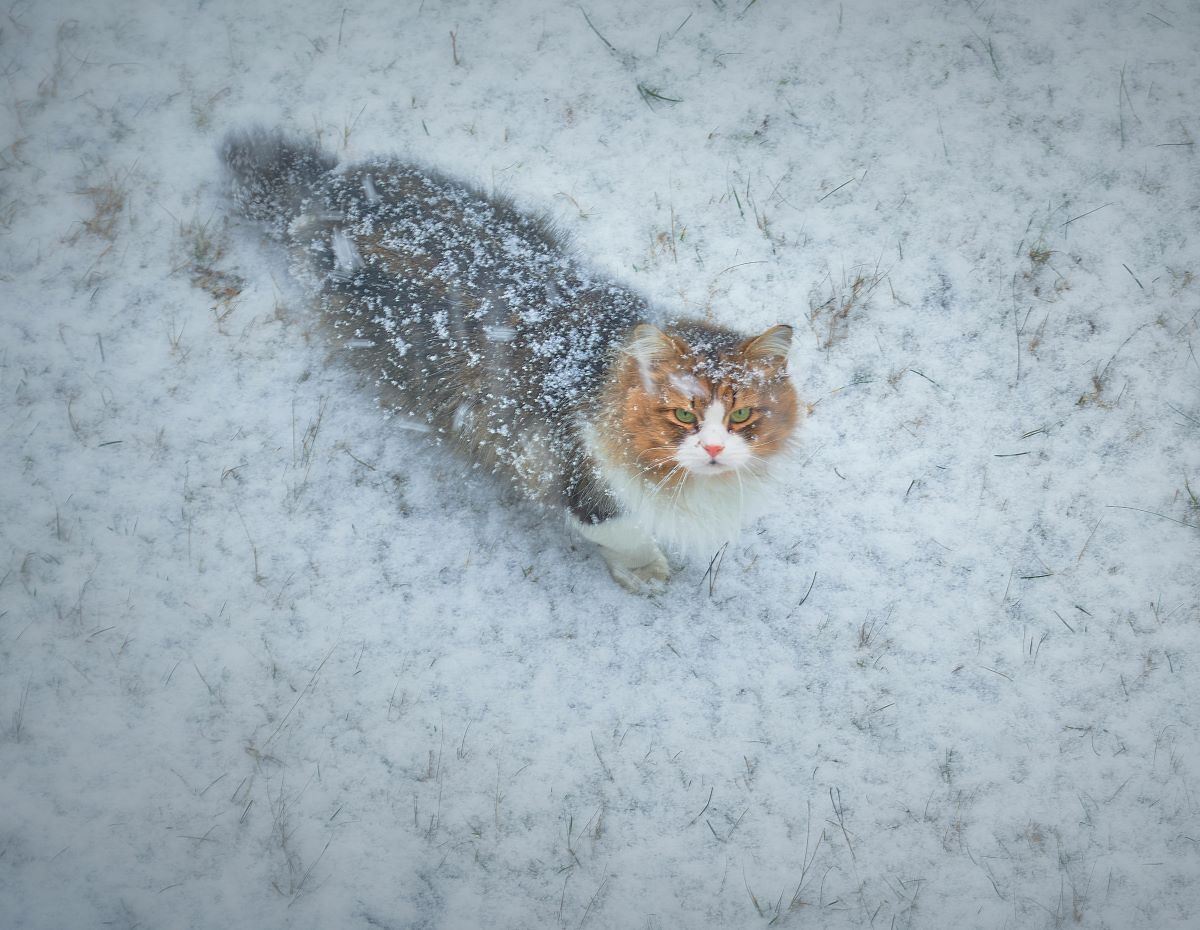
Have you ever wondered if your cat can handle extreme heat, like 35-degree weather? When temperatures soar, it’s natural to worry about your furry friend’s safety.
You want to make sure your cat stays comfortable and healthy, but do you really know how heat affects them? You’ll discover important facts about cats and hot weather, and learn simple steps you can take to protect your pet when the mercury rises.
Keep reading to find out how to keep your cat safe and happy, no matter how hot it gets outside.
Cat Physiology And Heat Tolerance
Cats have unique physiological traits that influence how they handle extreme temperatures like 35-degree weather. Understanding these traits helps you care better for your feline friend when the heat rises.
Unlike humans, cats don’t sweat through their skin. Instead, they rely mainly on panting and grooming to cool down. This makes their heat tolerance quite different and sometimes limited.
How Cats Regulate Body Temperature
Cats use several methods to keep their body temperature stable:
- Panting:Similar to dogs, but less efficient and only used in extreme heat.
- Grooming:Spreading saliva on fur helps with evaporative cooling.
- Seeking Shade:Cats naturally find cool spots to avoid direct sunlight.
- Minimal Sweating:Only through paw pads, which is not enough in hot weather.
Since their natural cooling is limited, you must ensure your cat has access to water and shade.
Physical Traits Affecting Heat Tolerance
Some physical features can either help or hinder a cat’s ability to handle heat:
- Fur Length:Long-haired breeds trap heat more, making them less tolerant.
- Color:Dark fur absorbs more heat, which can increase body temperature.
- Size:Smaller cats tend to cool down faster than larger ones.
Knowing your cat’s breed and coat type can guide you on how much heat exposure is safe.
Signs Your Cat Is Struggling With Heat
Recognizing early signs of heat stress is crucial. Watch for:
- Excessive panting or drooling
- Restlessness or hiding
- Weakness or disorientation
- Vomiting or diarrhea
If you notice these symptoms, cool your cat immediately and seek veterinary help if they don’t improve. How often do you check your cat’s behavior on hot days?
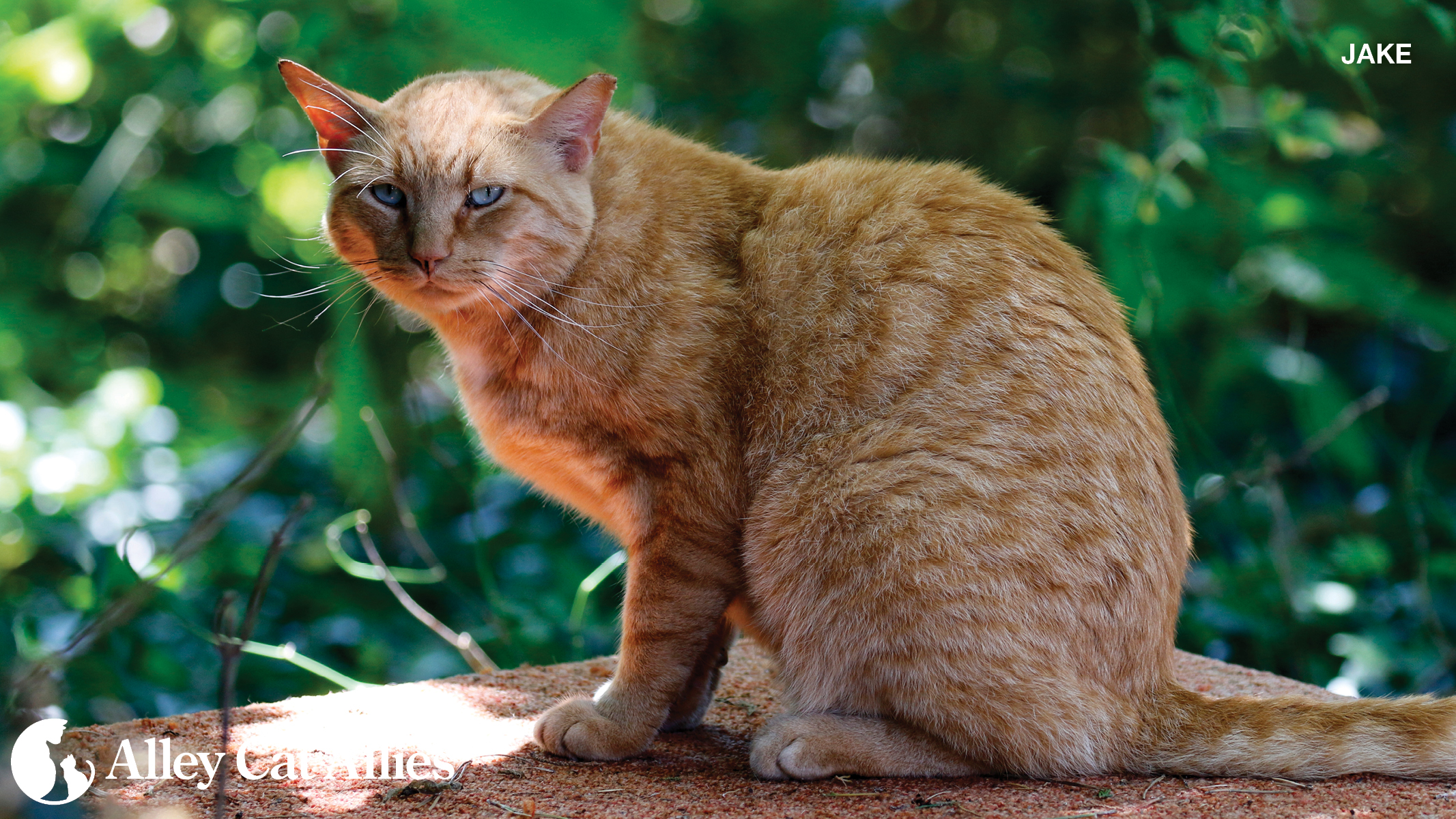
Credit: www.alleycat.org
Signs Of Heat Stress In Cats
Recognizing the signs of heat stress in cats is crucial, especially when temperatures soar to 35 degrees Celsius or higher. Cats can struggle with extreme heat, and early detection of heat stress can save your furry friend from severe health issues. You might not always notice the problem until it’s serious, so knowing what to look for makes all the difference.
Increased Panting And Rapid Breathing
Unlike dogs, cats rarely pant, so if your cat starts breathing heavily or panting, it’s a clear warning sign. Rapid breathing helps them cool down, but it also means they are overheating. Have you ever seen your cat pant after being inside on a hot day? That’s your signal to act quickly.
Excessive Drooling And Lethargy
If your cat suddenly starts drooling more than usual and seems unusually tired, heat stress could be the cause. Drooling happens because they are struggling to cool down, and lethargy shows their energy is drained. Watch closely—your cat might just want to hide in a cooler spot or refuse to play.
Red Or Pale Gums And Disorientation
Check your cat’s gums regularly; red or pale gums indicate poor blood flow caused by overheating. You might also notice your cat acting confused or unsteady on their feet. These signs mean your cat’s body is under serious stress and needs immediate help.
Vomiting And Diarrhea
Heat stress can upset your cat’s stomach, leading to vomiting or diarrhea. If you spot these symptoms during a heatwave, don’t ignore them. They can quickly lead to dehydration, which worsens the condition.
How Can You Help Your Cat?
- Offer plenty of fresh water at all times.
- Provide shaded, cool areas for rest.
- Limit outdoor time during peak heat hours.
- Use fans or air conditioning if possible.
Have you noticed any of these signs in your cat during hot days? Acting fast can prevent heat stress from becoming a dangerous emergency.
Creating A Cool Environment
Keeping your cat comfortable in 35-degree weather requires more than just providing water. Creating a cool environment is essential to prevent heat stress and keep your feline friend happy. You need practical ways to lower the temperature around them, whether inside your home or outside.
Indoor Cooling Strategies
Start by setting up cool resting spots where your cat can escape the heat. Tile floors or shaded corners near fans work wonders. You might notice your cat gravitating toward these areas as they seek relief.
Consider using a damp towel or cooling mats designed for pets. These offer immediate comfort without risking chills. Make sure your cat can move freely between cooler and warmer zones.
Air circulation matters a lot. Opening windows during cooler parts of the day or using air conditioning can keep indoor temperatures manageable. Have you checked how warm your cat’s favorite room gets during peak heat?
Outdoor Cooling Solutions
If your cat spends time outside, shade is non-negotiable. Trees, awnings, or portable pet tents can block direct sunlight. Without shade, surfaces like concrete can heat up dangerously.
Providing fresh water outdoors is crucial, but also think about adding water features like shallow bowls or misting sprays. Cats often drink more when water is cool and fresh, helping them regulate body temperature.
Creating airflow outdoors can be as simple as positioning your cat’s resting area near a natural breeze or using battery-operated fans. Have you tried observing where your cat naturally seeks shelter when it’s hot?
Hydration And Nutrition Tips
Keeping cats safe in 35-degree weather means focusing on hydration and nutrition. Heat can quickly drain a cat’s energy and water levels. Proper care helps them stay cool and healthy. Here are key tips for hydration and diet during hot days.
Ensuring Adequate Water Intake
Water is vital for cats in hot weather. They lose fluids faster and need more water to stay hydrated. Always provide fresh, clean water in several spots around the house.
- Use shallow bowls for easy access.
- Change water frequently to keep it cool and fresh.
- Consider a pet water fountain to encourage drinking.
- Offer ice cubes for a refreshing treat.
- Watch for signs of dehydration like dry gums or lethargy.
Diet Adjustments For Hot Weather
Food affects hydration and energy levels. Cats may eat less in heat, so choose foods that support hydration and nutrition.
- Feed wet or canned food to increase water intake.
- Provide smaller meals more often to aid digestion.
- Avoid heavy, fatty foods that can cause discomfort.
- Include fresh, cool treats like chilled tuna or cooked chicken.
- Ensure a balanced diet with essential vitamins and minerals.
Preventing Overexertion
Preventing overexertion in cats during 35-degree weather is crucial to keeping them healthy and comfortable. High temperatures can quickly tire your feline friend, leading to dehydration or heat exhaustion if they push themselves too hard. Paying close attention to their activity and knowing when to step in can make a big difference.
Safe Play Times
Choose the coolest parts of the day for your cat’s play sessions—early mornings or late evenings work best. During these times, the air is cooler, and your cat can enjoy activity without overheating. Keep play sessions short and fun, allowing plenty of breaks for water and rest.
If you notice your cat panting or seeking shade, it’s a clear sign to pause play. You might think your cat has endless energy, but even the most active cats need downtime in hot weather. Do you know when your cat’s natural energy peaks during the day?
Recognizing Fatigue
Pay attention to subtle signs of tiredness, such as slower movements or less interest in toys. Heavy breathing or drooling can also indicate your cat is overexerted and needs immediate rest. Cats often hide discomfort, so watch closely for changes in behavior.
Encourage your cat to take breaks by providing cool, shaded resting spots and fresh water nearby. If your cat suddenly becomes lethargic or unresponsive, contact a vet right away. Have you ever noticed your cat acting differently after a play session in warm weather?
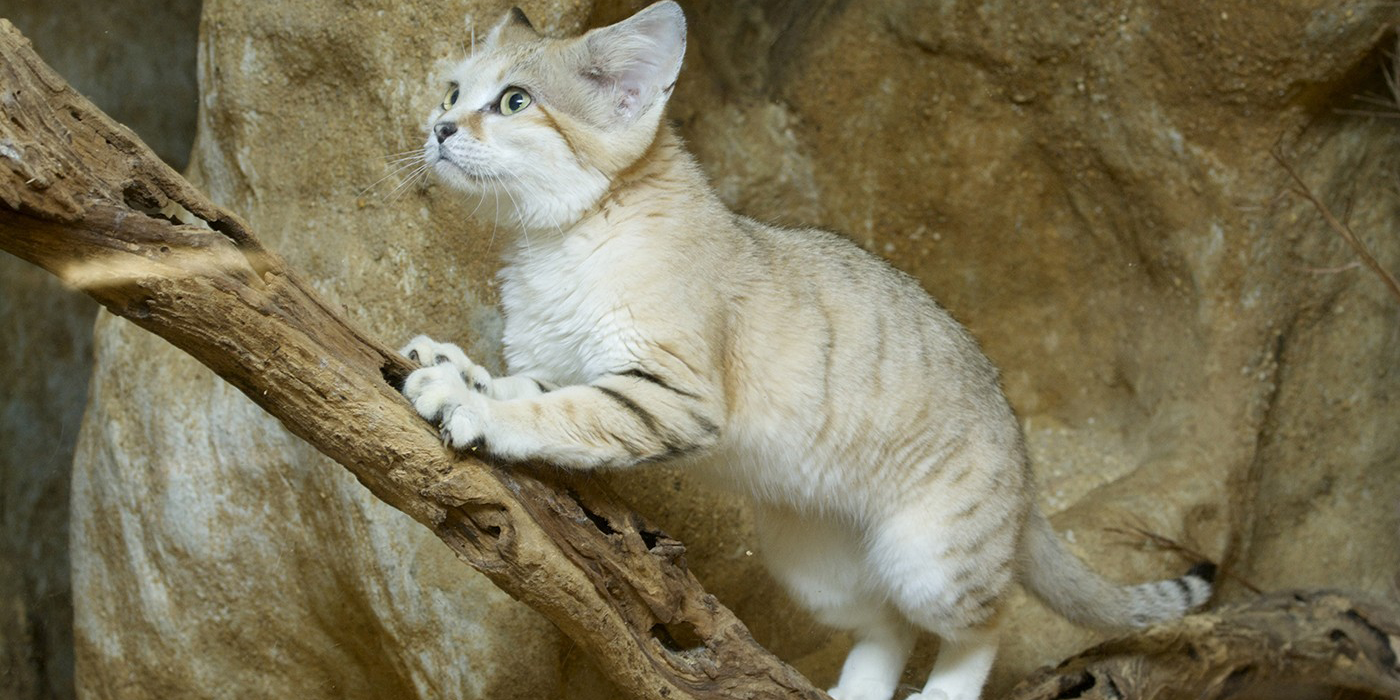
Credit: nationalzoo.si.edu
Emergency Measures For Heatstroke
Heatstroke in cats can escalate quickly, especially when temperatures hit 35 degrees or higher. Recognizing the signs and acting fast is vital to protect your furry friend from serious harm. Knowing exactly what to do during an emergency can make all the difference in your cat’s recovery.
Immediate Actions
If you notice your cat panting heavily, drooling, or appearing weak, start cooling them down right away. Move your cat to a shaded, cool area inside your home. Use a damp cloth or cool (not cold) water to gently wet their fur, focusing on their paws, belly, and neck.
Offer small amounts of water, but don’t force them to drink. Avoid ice-cold water or ice packs, as extreme cold can cause shock. Keep monitoring their breathing and behavior closely—are they becoming more alert, or more lethargic?
When To Seek Veterinary Care
If your cat doesn’t improve within 10 to 15 minutes or starts vomiting, staggering, or losing consciousness, head to the vet immediately. Heatstroke can cause organ damage quickly, and professional treatment might include IV fluids and medications.
Don’t wait for symptoms to worsen. Your timely decision to seek veterinary care can save your cat’s life. Have your vet’s emergency contact saved on your phone—you never know when you might need it.
Long-term Adaptation Strategies
Cats facing 35-degree weather need more than just quick fixes to stay safe and comfortable. Long-term adaptation strategies help your feline friend adjust gradually to extreme temperatures without stress or health risks. These strategies focus on helping your cat build tolerance over time and keeping a close eye on their well-being.
Acclimatization Process
Gradually exposing your cat to warmer temperatures helps their body adapt naturally. Start by allowing short periods outside or in a warmer room, then slowly increase the time as your cat shows comfort.
This slow exposure lets their metabolism and hydration balance adjust without shock. Imagine how you’d feel stepping into a sauna suddenly—your cat needs a gentler transition.
Make sure to provide plenty of water and shaded rest areas during this period. Your cat’s behavior will guide you; signs of distress mean it’s time to slow down the process.
Monitoring Health Regularly
Keeping a close watch on your cat’s health is essential when adapting to high temperatures. Look for signs such as excessive panting, lethargy, or loss of appetite.
Regular vet check-ups become even more important to catch any heat-related issues early. You can also keep a daily log of your cat’s activity, eating habits, and bathroom routines to spot subtle changes.
Ask yourself: Are you noticing any unusual behaviors or symptoms? Prompt action can prevent serious health problems and ensure your cat thrives even in challenging weather.
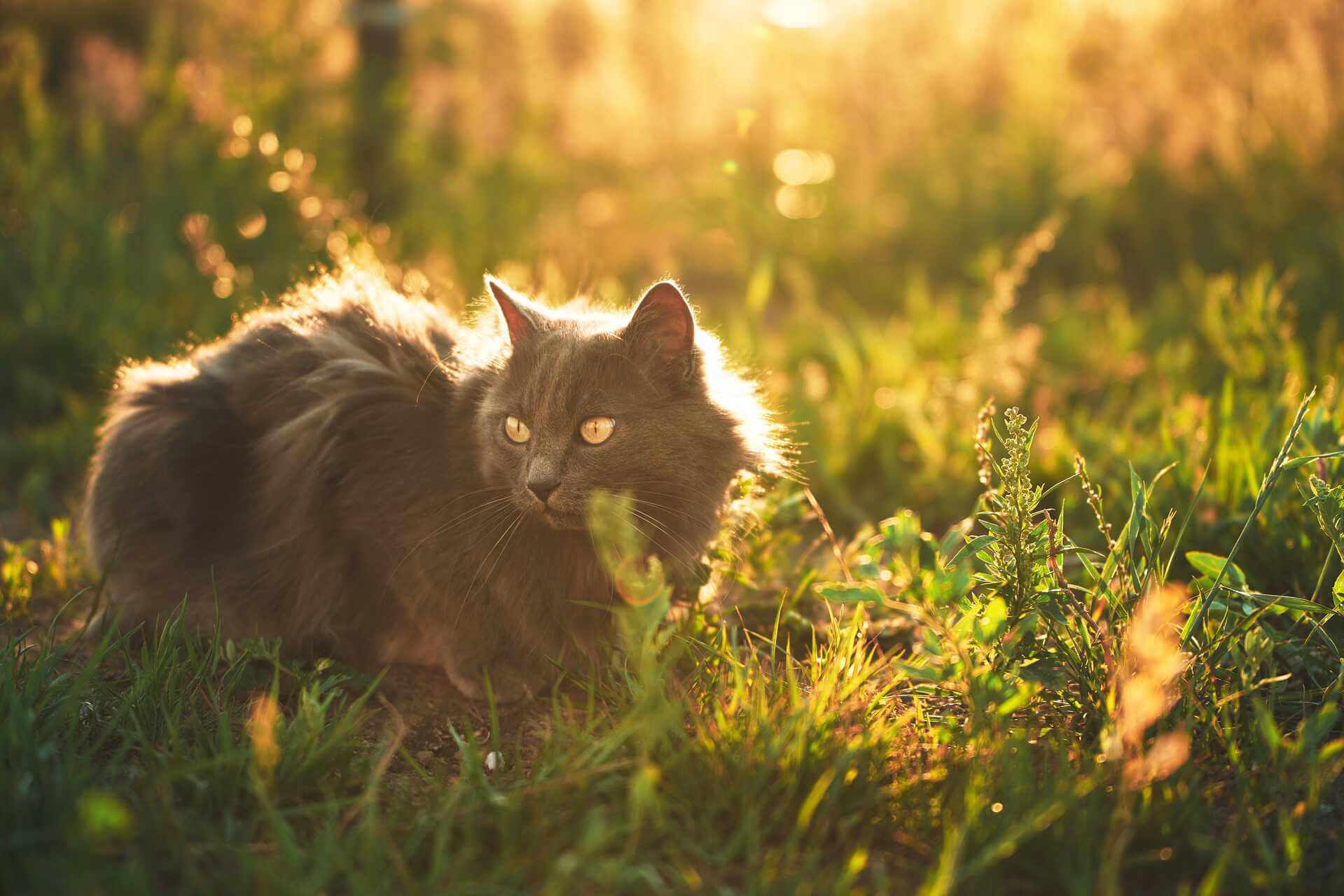
Credit: tractive.com
Frequently Asked Questions
Can Cats Survive In 35-degree Weather Outdoors?
Cats can survive in 35-degree weather briefly, but prolonged exposure risks hypothermia and frostbite. They need shelter and warmth to stay safe outdoors.
How Do Cats Regulate Body Temperature In Cold Weather?
Cats regulate temperature using their fur coat and body fat. They curl up to conserve heat and seek warm places to maintain comfort.
What Signs Show A Cat Is Cold In 35-degree Weather?
Shivering, lethargy, and curling tightly indicate a cat feels cold. Cats may also seek warmth and reduce activity to conserve energy.
Should I Bring My Cat Indoors During Cold Weather?
Yes, bringing cats indoors during cold weather protects them from health risks. Indoor warmth keeps them safe and comfortable in freezing temperatures.
Conclusion
Cats can survive in 35-degree weather, but it is tough for them. They need warm shelter and enough food to stay healthy. Cold weather can make them sick or weak. Watch for signs that your cat feels cold or scared.
Keep them safe inside or provide a cozy place outdoors. Giving extra care helps cats live better in cold times. Remember, their comfort depends on your attention and care. Stay aware, stay kind.


