Have you ever wondered how deer manage to stay alive and active when the cold weather sets in? As the temperatures drop and snow covers the ground, you might think these animals would struggle to find food and stay warm.
But deer have some clever tricks that help them survive even the harshest winters. You’ll discover the amazing ways deer adapt to cold weather. By understanding their survival strategies, you’ll see just how resilient and resourceful these creatures really are.
Keep reading to learn the secrets behind a deer’s winter survival and maybe even apply some of these ideas to your own outdoor adventures.
Credit: deerassociation.com
Adaptations For Cold Climates
Deer have developed impressive adaptations that help them endure harsh winter conditions. These changes allow them to conserve heat, find food, and stay active despite freezing temperatures. Understanding these adaptations can give you a deeper appreciation for how resilient wildlife really is.
Thick Winter Coats
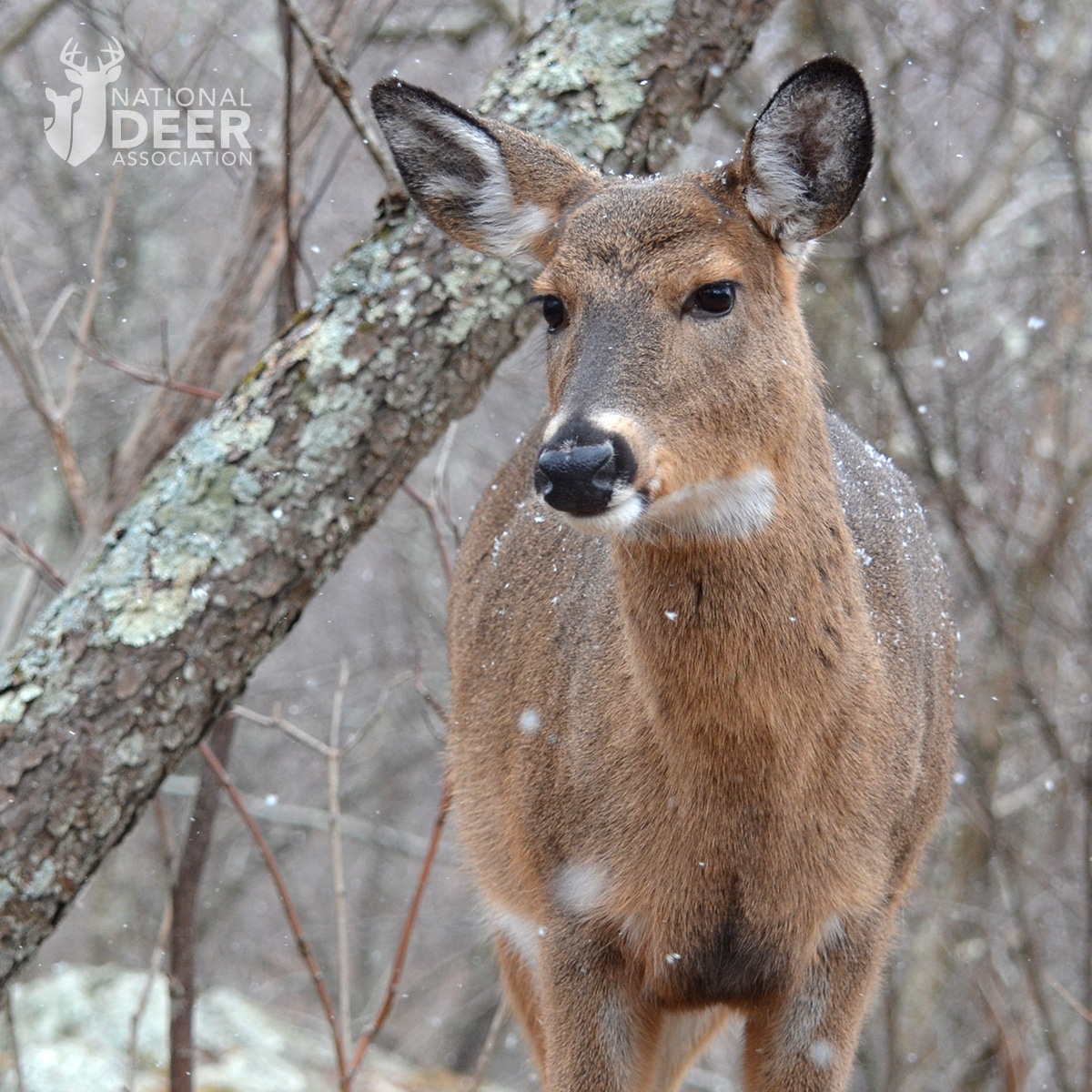
Deer grow a dense winter coat that acts like natural insulation. The outer layer has long guard hairs that repel snow and water, keeping the undercoat dry. Beneath this, a soft, thick layer traps warm air close to their skin.
This coat can make a huge difference when temperatures drop below freezing. Imagine stepping outside wearing just a thin jacket versus a heavy winter parka—that’s the kind of protection deer get from their fur.
Fat Reserves
Before winter arrives, deer increase their fat stores by eating more during the fall. This fat serves as an energy reserve when food is scarce and helps keep their body temperature stable. You might notice a deer looking plumper in late autumn—that’s a good sign they’re preparing for the cold.
Fat also provides insulation beneath the skin, adding another layer of warmth. Without these reserves, surviving long, cold nights would be much harder for them.
Behavioral Changes
Deer change their habits to save energy during winter. They move less and choose sheltered spots to protect themselves from wind and snow. Sometimes, they group together, which helps reduce heat loss and increases their chances of spotting predators.
Have you ever seen deer resting in thick brush or near tree trunks? Those spots are carefully chosen for warmth and protection. Paying attention to these behaviors can reveal a lot about how animals cope with extreme weather.
Role Of Diet In Winter Survival
Diet plays a vital role in how deer survive cold winters. Their food choices help them maintain energy and stay warm. Without enough nutrition, deer struggle to keep their body heat and strength. They change their eating habits and food sources during winter. This allows them to endure harsh weather and scarce resources.
Foraging Strategies
Deer use smart foraging strategies in winter. They search for food in sheltered areas to avoid deep snow. Deer often eat twigs, buds, and bark from trees. These are easier to find than green plants. They also visit places where snow is thin. This makes it easier to reach grasses and leaves below.
Nutrient-rich Foods
Deer focus on eating nutrient-rich foods during winter. These foods give them more energy and help keep their body warm. Examples include acorns, nuts, and dried fruits. These items have fats and carbohydrates, which are important in cold weather. Deer also eat evergreen plants that stay green all winter. These plants provide vitamins and minerals that deer need.
Digestive Adaptations
Deer have special digestive systems to handle tough winter foods. Their stomachs break down fibrous plants and bark efficiently. This helps them get nutrients from food that seems low in value. Deer can also slow down their digestion to use food energy better. These adaptations help them survive when food is scarce and hard to digest.
Migration And Movement Patterns
Deer adapt their migration and movement patterns carefully to survive the challenges of cold weather. These changes help them find food, shelter, and safety as the seasons shift. Understanding these behaviors can give you a clearer picture of how deer manage to thrive even in harsh winter conditions.
Seasonal Migrations
Many deer species move to lower elevations or more sheltered areas as temperatures drop. This migration isn’t always long-distance; sometimes deer only shift a few miles to spots with better food availability and milder conditions.
Think about how your own travel plans change with the seasons—deer do something similar but driven by survival. They often return to the same wintering grounds year after year, showing a strong memory and instinct for the best spots.
Have you noticed deer tracks leading toward thick forests or valleys in winter? These areas provide protection from wind and deeper snow, making it easier for deer to conserve energy.
Territorial Adjustments
In colder months, deer tend to reduce their roaming area, focusing on smaller territories. This limits energy use, which is crucial when food is scarce and temperatures are low.
Dominant bucks might secure territories with better shelter and food sources, while does and younger deer adjust their ranges to avoid conflicts. This territorial behavior helps balance the population and resources during winter.
Observing these territorial shifts can help you understand where deer are most likely to be found as the weather turns cold. Are you aware of which areas near you offer the best winter cover for deer? This insight can change how you approach wildlife watching or conservation efforts.

Credit: thetravelingoutdoorsman.com
Shelter And Habitat Selection
Deer rely heavily on shelter and habitat selection to survive cold weather. Choosing the right place helps them stay warm and safe from harsh winds and deep snow. Their survival depends on finding natural covers and using snow to their advantage.
Use Of Natural Cover
Deer often seek dense forests or thick brush to protect themselves. Trees and shrubs block strong winds and reduce heat loss. They rest under evergreen trees since these keep leaves in winter. Natural cover also hides deer from predators and helps conserve energy.
Snow As Insulation
Snow acts like a blanket for deer. They dig shallow beds in soft snow to trap body heat. The snow around these beds creates an insulating layer, stopping cold air from reaching them. This simple shelter allows deer to maintain warmth even during freezing nights.
Social Behavior And Group Dynamics
Deer don’t just rely on their physical adaptations to survive cold weather—they also depend heavily on their social behavior and group dynamics. These animals instinctively gather and interact in ways that boost their chances of staying warm and safe during harsh winter months. Understanding these social patterns can reveal how nature equips deer with tools beyond fur and fat to endure the cold.
Herd Formation
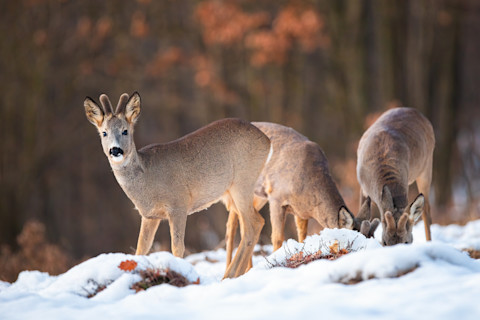
Deer often form herds during winter, which helps reduce heat loss by sharing body warmth. When you see a group of deer huddled closely, they’re creating a microclimate that protects each member from biting winds and freezing temperatures.
This closeness also means fewer predators can target an individual, increasing overall survival. Have you ever noticed how deer spacing changes as the weather turns colder? They tighten their groups, showing how instinct guides their survival strategy.
Communication Methods
Communication plays a crucial role in how deer manage cold weather challenges. They use various sounds, body language, and scents to alert each other to danger or to coordinate movement within the herd.
For example, a subtle tail flick or a soft grunt can signal the presence of a predator or a shift in weather conditions. These signals help the herd respond quickly and stay together, which is vital when temperatures drop and visibility is low.
Credit: www.discovermagazine.com
Challenges And Threats In Winter
Winter brings many challenges for deer. The cold weather makes finding food and shelter difficult. Snow covers their usual food sources. Deer must conserve energy and stay warm to survive. They face threats from predators and human activities during this harsh season.
Predators And Survival
Deer become more vulnerable to predators in winter. Snow slows their movement and hides escape routes. Predators like wolves and coyotes hunt in packs. They use the snow to track and catch deer more easily. Deer rely on sharp senses and quick reactions to survive. Staying in groups helps them watch for danger. But deep snow and cold make escaping harder.
Human Impact
Humans affect deer survival in many ways during winter. Roads and vehicles cause accidents, especially in snowy conditions. Hunting seasons add extra pressure on deer populations. Habitat loss from logging and development reduces shelter and food. Feeding deer can disrupt their natural behavior and diet. Sometimes, deer wander into towns searching for food, increasing risks. Protecting natural habitats helps deer face winter challenges better.
Scientific Insights And Studies
Scientific studies reveal how deer adapt to survive cold weather. Researchers observe physical changes and behaviors that help deer endure harsh winters. These insights deepen our understanding of deer survival and guide wildlife care.
Research Findings
Deer grow thicker fur in fall to trap body heat. Their fur has hollow hairs that provide better insulation. Studies show deer reduce activity to save energy during cold days. They use fat reserves built in autumn as an energy source. Some research notes deer change feeding habits, eating more woody plants when snow covers grass.
Conservation Efforts
Scientists use research data to protect deer habitats. Efforts include preserving forests that offer shelter and food. Wildlife managers create winter feeding programs in harsh climates. Monitoring deer health helps prevent starvation and disease. Conservation plans focus on maintaining natural behaviors for survival in winter.
Frequently Asked Questions
How Do Deer Adapt To Cold Winter Temperatures?
Deer grow a thicker winter coat to insulate against cold. Their hollow hair traps air for warmth. They also reduce activity to conserve energy during harsh weather.
What Do Deer Eat During The Winter Season?
In winter, deer eat twigs, buds, and bark since green plants are scarce. They rely on stored fat to survive lean periods. Deer may also browse on evergreen shrubs.
How Do Deer Find Shelter In Cold Weather?
Deer seek dense forests, thickets, or natural windbreaks for shelter. These areas protect them from wind and snow. Deer use their keen senses to find safe spots.
Do Deer Hibernate Or Stay Active In Winter?
Deer do not hibernate; they remain active throughout winter. They conserve energy by limiting movement and staying in sheltered areas. This helps them survive until spring.
Conclusion
Deer survive cold weather by using smart natural tricks. They grow thick fur to stay warm. Their bodies slow down to save energy. Deer eat more food before winter starts. They also find shelter in dense forests. These habits help them stay alive through harsh cold.
Watching deer teaches us about nature’s strength and balance. Nature’s way of survival, simple yet strong.


