When winter hits hard, being prepared can make all the difference between staying safe and facing serious trouble. Imagine being caught in a snowstorm or a freezing night without the right supplies.
Your survival kit is your lifeline in those moments. But what exactly should you put in it? Knowing the right items to pack can protect you from the cold, keep you comfortable, and even save your life. Keep reading, and you’ll discover everything you need to build a winter survival kit that truly works when you need it most.

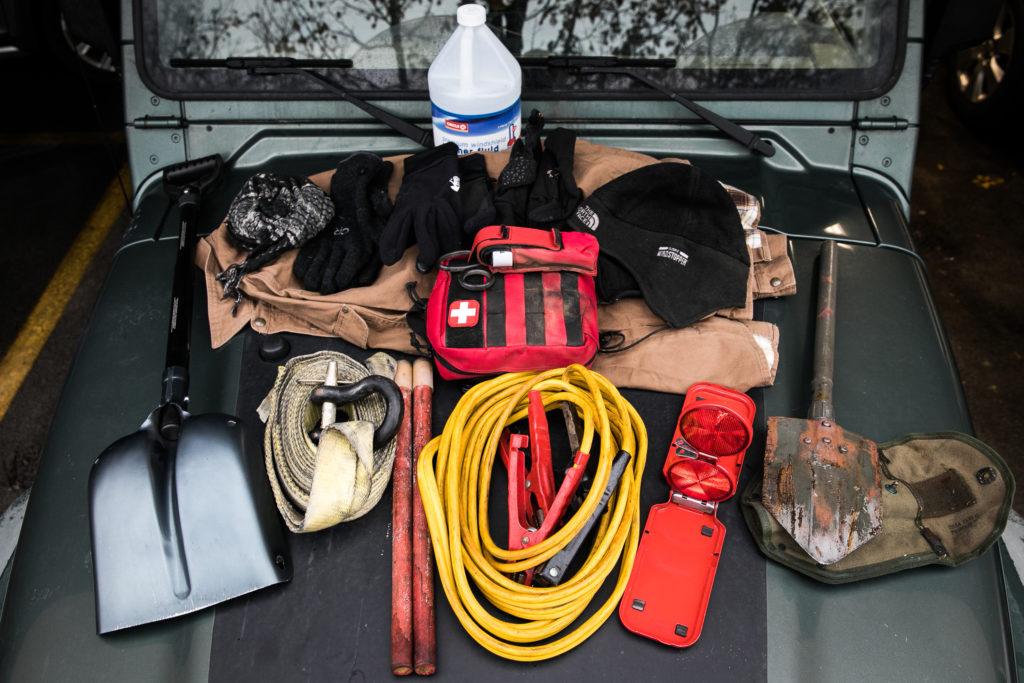
Credit: www.garagegrowngear.com
Clothing Essentials
Having the right clothing in your winter survival kit can make all the difference between staying warm or facing dangerous cold. You want layers that trap heat, protect against moisture, and keep you comfortable during harsh weather. Let’s break down the essentials you need to pack for reliable warmth and protection.
Thermal Layers
Start with thermal layers that sit close to your skin. These layers wick sweat away and keep your body heat trapped. Look for materials like merino wool or synthetic fabrics designed for moisture control.
Think about how you felt on your last cold hike—were you sweating under cotton? That’s a sign you need better base layers that dry quickly and keep you warm without overheating.
Insulated Jackets
An insulated jacket is your main shield against freezing temperatures. Down jackets offer great warmth-to-weight ratio, but synthetic insulation works better if you expect wet conditions. Choose a jacket with a hood and adjustable cuffs to seal in heat.
Remember, a bulky jacket isn’t always the best. You want something compressible so it fits easily into your survival kit and still provides enough warmth when you need it.
Waterproof Boots
Your feet can quickly get cold and wet if your boots aren’t up to the task. Waterproof boots with good insulation keep your feet dry and warm on snow or icy surfaces. Look for boots with a sturdy sole to prevent slipping.
Have you ever tried walking in soggy shoes for hours? Avoid that discomfort by packing boots that combine waterproofing with breathability—your feet will thank you.
Shelter And Warmth
Staying warm and protected is crucial in winter survival. Cold weather can be dangerous and lead to hypothermia quickly. A good winter survival kit must have items that provide shelter and warmth. These items help keep your body heat inside and protect you from wind, snow, and rain. Preparing for harsh conditions increases your chances of staying safe and comfortable.
Emergency Blankets
Emergency blankets are small and lightweight. They reflect your body heat back to you. These blankets take up little space in your kit. They are water-resistant and windproof. You can use them to wrap yourself or cover your shelter. Emergency blankets can also protect you from rain and snow.
Portable Sleeping Bags
Portable sleeping bags are designed for cold weather. They trap heat and keep you warm all night. Look for sleeping bags with insulation made for winter use. Some bags compress into small sizes, making them easy to carry. Choose a sleeping bag that fits well to avoid heat loss. A good sleeping bag can mean the difference between warmth and cold.
Compact Tents
Compact tents provide shelter from wind, snow, and rain. They protect you from the elements while allowing some heat retention. Choose tents made with durable, weather-resistant materials. Look for tents that are easy to set up quickly. A compact tent is light enough to carry on long trips. It offers a safe place to rest and stay warm.
Navigation Tools
Navigation tools are essential in any winter survival kit. They help you find your way when visibility is poor or landmarks are covered in snow. Having reliable navigation gear can mean the difference between getting lost and reaching safety quickly.
Maps And Compasses
Paper maps and compasses are timeless tools that never run out of battery. You should include a detailed topographic map of your area and a sturdy compass in your kit.
Learning how to read a map and use a compass is crucial. I once relied on these tools during a snowstorm when my GPS failed, and they helped me find a safe path back.
- Choose waterproof maps or protect them in plastic sleeves
- Practice taking bearings before you head out
- Keep the compass easily accessible
Gps Devices
GPS devices offer precise location data and can be lifesavers in whiteout conditions. Make sure your GPS is fully charged, and bring extra batteries or a portable charger.
Some GPS units come with preloaded maps and emergency features like SOS signals. However, don’t rely on GPS alone—electronics can fail in extreme cold.
- Test your GPS device before your trip
- Download offline maps for areas without cell service
- Store the GPS in an insulated pocket to protect it from freezing
Signaling Devices
Signaling tools are vital for attracting help if you’re lost or injured. Bright, loud, or flashing devices can catch the attention of rescuers even in harsh winter conditions.
Consider packing a whistle, signal mirror, and waterproof flares or LED strobe lights. I once used a whistle to alert nearby hikers during a foggy day, which made a huge difference in being found quickly.
- Whistles require less energy and work well in snow-covered areas
- Signal mirrors need sunlight but can be seen from great distances
- Flares and LED strobes provide visibility at night or in low light
First Aid Supplies
First aid supplies are a cornerstone of any winter survival kit. Harsh weather and icy conditions increase the risk of cuts, bruises, frostbite, and other injuries. Having the right items at hand can make the difference between a minor setback and a serious emergency.
Basic Medical Kit
Your basic medical kit should cover the essentials needed to treat common injuries. Include adhesive bandages in various sizes, sterile gauze pads, and adhesive tape to cover wounds securely. Don’t forget antiseptic wipes or solution to clean cuts and prevent infections.
Adding a pair of tweezers and small scissors can help with splinter removal or cutting tape and gauze. A digital thermometer is useful for checking body temperature, especially if you suspect hypothermia. Gloves—preferably latex or nitrile—protect you while treating others.
Medication Essentials
Keep a supply of over-the-counter pain relievers like ibuprofen or acetaminophen to reduce pain and inflammation. Antihistamines are important if you encounter allergic reactions, while antacids can help with stomach issues triggered by stress or unfamiliar food.
Include any personal prescription medications you or your family members need, and keep them in waterproof containers. It’s wise to have cold and flu remedies, too, since winter illnesses can worsen quickly in the cold. Ask yourself: Do you have enough medication to last several days if you’re stranded?
Emergency Contact Information
Write down emergency contacts and medical information on waterproof paper or laminate it. Include names, phone numbers, allergies, and any chronic health conditions. This info can be crucial if you’re injured and unable to communicate.
Store this information in your first aid kit and carry a copy in your wallet or phone case. Have you ever been in a situation where quick access to medical details could have saved time or avoided complications? This simple step can make a huge difference.
Food And Water
Food and water are essential for survival during winter emergencies. Cold weather increases energy needs, so pack enough calories. Staying hydrated is equally important as water helps regulate body temperature. Choose items that last long and require minimal preparation. Planning ahead ensures you stay nourished and safe in harsh conditions.
Non-perishable Foods
Stock foods that do not spoil quickly. Focus on high-energy and easy-to-eat options. Examples include:
- Canned beans and vegetables
- Peanut butter
- Dried fruits and nuts
- Granola bars
- Instant oatmeal packets
- Jerky or dried meats
These foods provide nutrients and can be eaten cold or heated.
Water Purification Tablets
Water sources may not always be safe. Carry purification tablets to kill bacteria and viruses. Tablets are lightweight and last long. Use them as directed to make water drinkable. This prevents illness from contaminated water.
Portable Cooking Equipment
Cooking equipment helps prepare hot meals and drinks. Choose compact and easy-to-use gear such as:
- Portable stoves
- Lightweight pots and pans
- Fuel canisters
- Matches or lighters stored safely
Hot food boosts body warmth and morale during cold weather.
Fire Starting Tools
Fire starting tools are essential in any winter survival kit. They provide warmth, light, and a way to cook food. Without fire, staying safe in cold weather becomes difficult.
Choosing reliable fire starters can make a big difference. Tools that work well in wet and cold conditions are best. Carrying several types ensures you can start a fire in different situations.
Waterproof Matches
Waterproof matches are a must-have. They stay dry even in snow or rain. These matches ignite easily and burn long enough to light kindling.
Store them in a sealed container to keep them safe. Carry extra packs to avoid running out during emergencies.
Fire Starters
Fire starters help ignite a fire quickly. They include materials like wax, cotton balls, or commercial fire sticks.
These items catch fire fast and burn steadily. Use them with small twigs or dry leaves for the best results.
Keep fire starters in a waterproof bag for protection from moisture.
Lighters
Lighters are simple and effective fire tools. Choose windproof or refillable lighters for longer use.
Keep lighters in an inside pocket to protect them from cold. Cold temperatures can affect lighter fluid, so test them before heading out.
Always carry a backup lighter to avoid surprises.
Lighting And Communication
Lighting and communication are vital in any winter survival kit. Power outages and poor visibility often happen during winter storms. Having reliable light sources helps you navigate safely in the dark. Staying connected allows you to get weather updates and call for help if needed.
Flashlights And Batteries
Flashlights are essential for visibility in dark or snowy conditions. Choose LED flashlights for bright, long-lasting light. Keep extra batteries in your kit to avoid running out of power. Store batteries separately to prevent corrosion and damage.
Portable Chargers
Portable chargers keep your devices powered when electricity is unavailable. Pick chargers with high capacity to recharge phones multiple times. Solar-powered chargers are useful if you cannot plug in. Always carry charging cables compatible with your devices.
Emergency Radios
Emergency radios provide weather alerts and news during power failures. Look for radios that work on batteries or hand crank power. Some radios include NOAA weather channels for real-time updates. Choose radios with built-in flashlights for dual use.
Tools And Equipment
Having the right tools and equipment in your winter survival kit can make a huge difference. These items help you handle unexpected situations and keep you safe. Think about the last time you were caught in the cold—did you have the right gear to get through it?
Multi-tools
A good multi-tool is a must-have. It combines several tools like a knife, screwdriver, and can opener into one compact device. This saves space and ensures you have what you need for small repairs or emergency tasks.
Look for a multi-tool with sturdy construction and easy-to-access features. You’ll find yourself reaching for it more often than you expect, whether to cut rope or open a package.
Rope And Cordage
Strong rope or cordage is incredibly versatile. You can use it to build shelters, secure gear, or create makeshift clotheslines. Having at least 20 feet of durable cord can solve many problems.
Consider paracord—it’s lightweight, strong, and has multiple inner strands you can use separately. Do you have a spot in your kit where you can stash some without it getting tangled?
Shovel And Ice Scraper
A compact shovel is essential for digging out of snow or creating windbreaks. Some models even fold down to save space. Don’t overlook an ice scraper, which helps keep your vehicle’s windows clear.
Both tools can save you from dangerous situations. Imagine being stuck in a snowdrift—having these can make the difference between waiting for help and getting yourself free.
Personal Safety Items
Personal safety items are vital in a winter survival kit. They protect you from dangers and help signal for help. Carrying the right tools increases your chances of staying safe in harsh conditions. Choose compact and easy-to-use items that fit your needs. Here are some essential personal safety items to include.
Whistles
Whistles are loud and can be heard from far away. They use less energy than shouting. A simple whistle can alert rescuers to your location. Choose a whistle with a strong, clear sound. Attach it to your jacket or backpack for quick access.
Pepper Spray
Pepper spray offers protection from wild animals and threats. It is small and easy to carry. Check local laws before including pepper spray in your kit. Keep it in a secure, reachable spot. Learn how to use it safely and effectively.
Reflective Gear
Reflective gear helps you stay visible in low light. It is crucial if you are near roads or in fog. Reflective vests, bands, or tape make you easier to spot. Choose lightweight and durable materials. Wear or attach reflective items to your clothing or gear.
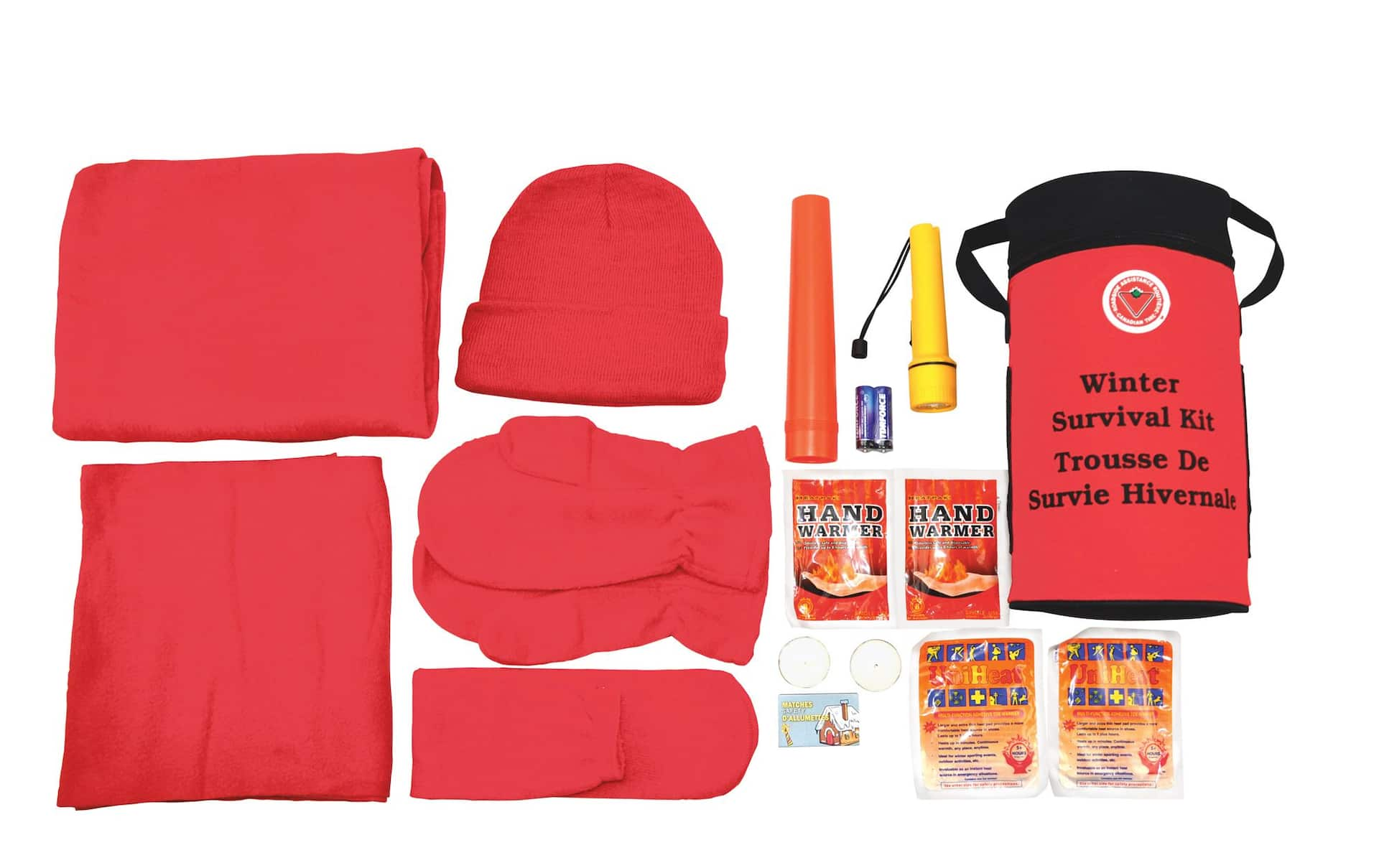
Credit: www.canadiantire.ca
Credit: www.cpr.org
Frequently Asked Questions
What Are Essential Items For A Winter Survival Kit?
A winter survival kit should include warm clothing, waterproof boots, insulated gloves, a thermal blanket, non-perishable food, and a reliable heat source. Also, pack a first aid kit, flashlight, batteries, and a multi-tool for emergencies.
How Do I Choose The Best Food For Winter Kits?
Select high-calorie, non-perishable foods like energy bars, nuts, dried fruits, and canned goods. These provide long-lasting energy and require no cooking, making them ideal for winter survival situations.
Why Is A Heat Source Critical In Winter Survival Kits?
A heat source prevents hypothermia by maintaining body temperature. Portable heaters, waterproof matches, and fire starters help create warmth and signal for help in emergencies.
How Can I Stay Hydrated In Freezing Conditions?
Carry insulated water bottles to prevent freezing. Melt snow safely by boiling or using chemical heat packs. Staying hydrated supports energy and overall health in cold weather.
Conclusion
A winter survival kit saves lives and brings peace of mind. Pack essentials like warm clothes, food, water, and first aid. Don’t forget tools such as a flashlight, matches, and a whistle. Check your kit often to keep everything ready and working.
Stay safe by preparing before winter storms hit. Simple steps can make a big difference in emergencies. A well-packed kit helps you face cold weather with confidence. Stay warm, stay prepared, and stay safe this winter.