Imagine feeling the ground shake beneath your feet, your home trembling, and everything around you suddenly uncertain. When an earthquake strikes, being prepared can make all the difference between chaos and calm.
You might think, “It won’t happen to me,” but the truth is, earthquakes can catch anyone off guard. That’s why having a survival kit ready is not just smart—it’s essential. You’ll discover exactly what to include in your earthquake survival kit to protect yourself and your loved ones.
Keep reading to take control of your safety before disaster strikes.

Credit: www.amazon.com
Basics Of Earthquake Preparedness
Preparing for an earthquake starts with understanding the basics of what you need and how to act. Knowing these essentials can make a big difference when seconds count. You don’t have to be an expert to take simple, effective steps that protect you and your loved ones.
Understanding Your Risk
First, learn if your area is prone to earthquakes. Check local maps or government sites for seismic activity levels. This knowledge helps you decide how much preparation is necessary and which items to prioritize in your survival kit.
Securing Your Space
Think about your home or workplace. Identify heavy furniture and appliances that could fall during shaking. Secure these items to walls or floors to reduce injury risks and damage.
Essential Supplies To Gather
- Water: At least one gallon per person per day for three days
- Non-perishable food for at least three days
- Flashlight and extra batteries
- First aid kit and essential medications
- Whistle to signal for help
- Copies of important documents in a waterproof bag
Each item serves a clear purpose. Have you checked your supplies recently to make sure nothing expired or went missing?
Planning Your Emergency Communication
Choose a family meeting spot in case you get separated. Make sure everyone knows emergency contacts by heart or carries a list. Simple communication plans reduce panic and confusion.
Practicing Your Response
Drills are key. Practice “Drop, Cover, and Hold On” regularly with your family or coworkers. Experiencing this action in a calm setting builds confidence and quick reflexes during a real event.
Essential Gear List
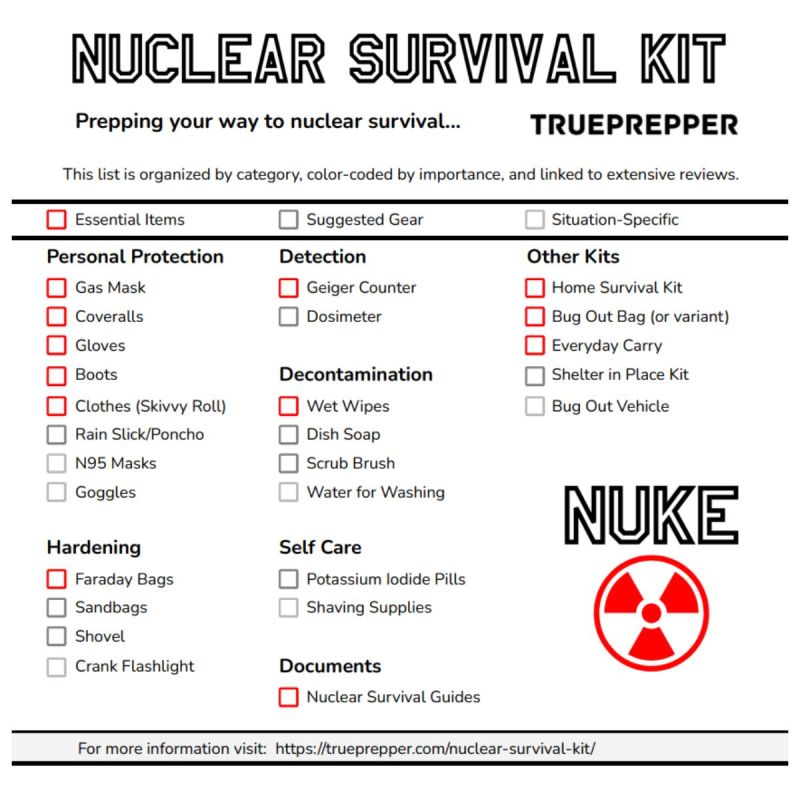
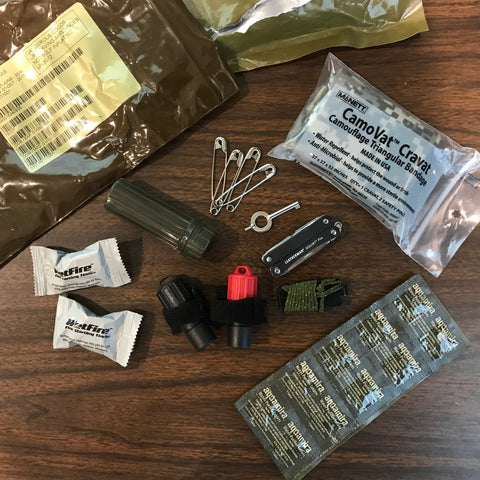
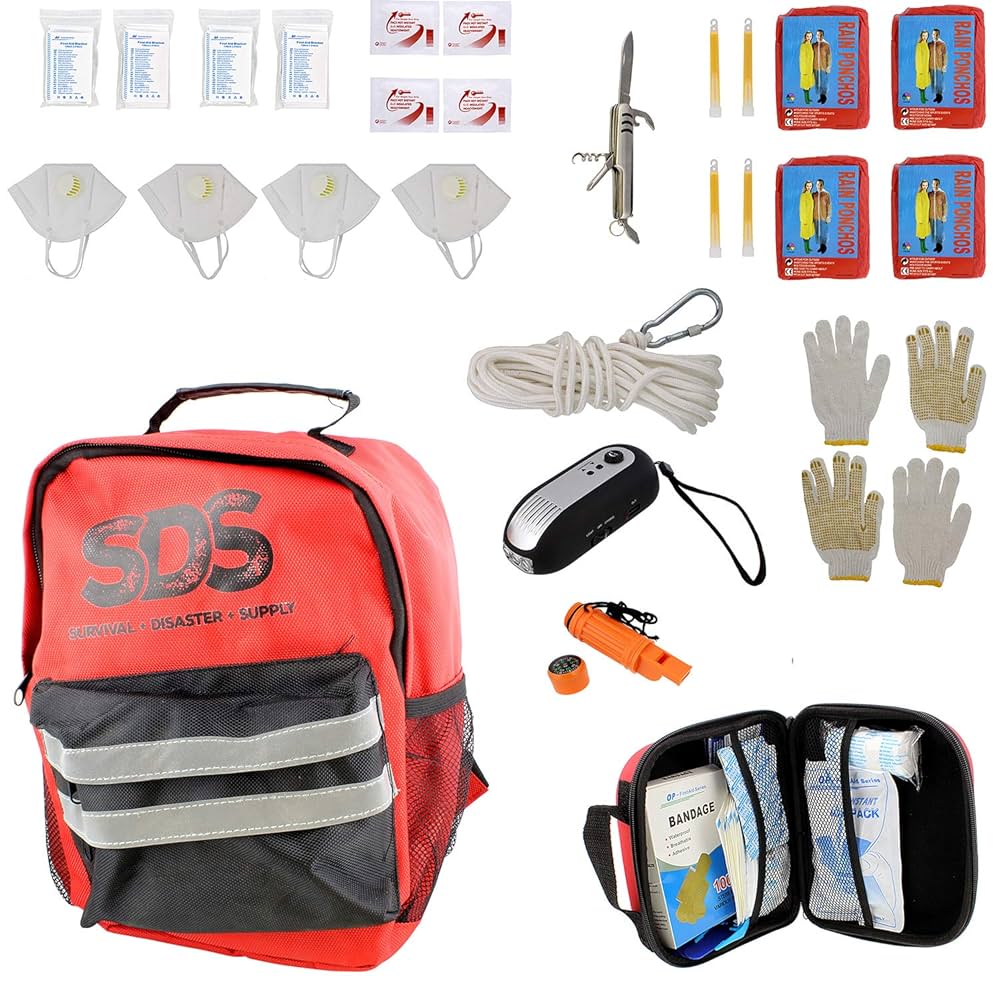
Preparing a survival kit for earthquakes means gathering essential items. These supplies help you stay safe and healthy during emergencies. Focus on basics like water, food, and medical supplies. Each item must support you for at least 72 hours. This list covers what to pack for survival and comfort.
Water And Purification Supplies
Water is the most critical item in any survival kit. Store at least one gallon per person per day. Include water purification tools to make unsafe water drinkable. Consider these supplies:
- Bottled water in sealed containers
- Water purification tablets
- Portable water filters
- Small, collapsible water containers
Clean drinking water prevents dehydration and illness. Always check expiration dates on purification tablets.
Non-perishable Food Items
Food should not spoil quickly or require cooking. Choose items that provide energy and nutrients. Ideal foods include:
- Canned vegetables and fruits
- Ready-to-eat meals (MREs)
- Energy bars and nuts
- Dried fruits and jerky
Pack a manual can opener to access canned goods. Rotate food supplies every six months for freshness.
First Aid Kit
A well-stocked first aid kit treats injuries and prevents infections. Include supplies for common earthquake injuries like cuts and bruises. Essential items:
- Adhesive bandages in various sizes
- Antiseptic wipes and ointments
- Gauze pads and medical tape
- Pain relievers and allergy medication
- Scissors and tweezers
Customize your kit for any special medical needs in your family. Regularly check and replace expired items.
Tools And Equipment
Having the right tools and equipment in your earthquake survival kit is vital. These items help you manage emergencies and stay safe. Each tool should be durable, easy to use, and serve multiple purposes.
Multi-tool And Knife
A multi-tool combines many functions into one compact device. It often includes pliers, screwdrivers, scissors, and a knife. A sturdy knife is essential for cutting ropes, opening packages, or preparing food. Choose tools with strong, rust-resistant blades.
Flashlights And Batteries
Flashlights provide light during power outages after an earthquake. Pick LED flashlights for bright, long-lasting light. Keep extra batteries stored safely to avoid losing power. Consider a hand-crank or solar flashlight as a backup option.
Whistle And Signal Mirror
A whistle helps attract attention if you are trapped or need help. It is louder and uses less energy than shouting. A signal mirror reflects sunlight to signal rescuers from a distance. Both items are lightweight and easy to carry.
Communication Essentials
Communication is vital during an earthquake. It helps you stay informed and connected with loved ones. Without clear communication, confusion and fear can rise. A well-prepared survival kit should include essential tools for staying in touch and receiving updates.
Portable Radio
A portable radio keeps you updated with emergency news. It works even if mobile networks fail. Choose a radio with battery and hand-crank options. Look for models that receive NOAA weather alerts. Keep extra batteries ready for long use.
Chargers And Power Banks
Chargers and power banks keep your devices running. Smartphones and radios need power to work. Invest in high-capacity power banks with fast charging. Solar chargers offer a renewable power source. Store cables and adapters suitable for your devices.
Emergency Contact Information
Emergency contact details are crucial. Write down phone numbers of family, friends, and local emergency services. Keep copies in your kit and on your phone. Share this information with all family members. Quick access to contacts speeds up help and reassurance.
Shelter And Warmth
After an earthquake, finding reliable shelter and maintaining warmth can be a real challenge. Your survival kit should include items that protect you from the elements and help prevent hypothermia. Think about what you would need if you had to spend a cold night outdoors or in a damaged building.
Emergency Blankets
Emergency blankets are lightweight and compact, making them a perfect addition to your kit. They reflect up to 90% of body heat, helping you stay warm even in freezing conditions. You can wrap yourself in one or use it as a ground cover to block cold and moisture.
Have you ever tried to survive a chilly night without one? Many people underestimate their value until they experience the cold firsthand.
Tents And Tarps
A tent or tarp provides crucial shelter from wind, rain, and debris. If your home is unsafe, these can create a quick, portable refuge. Choose tents that are easy to set up and tarps that are durable and waterproof.
Consider how you might use ropes or bungee cords to secure tarps around fallen trees or damaged structures for extra protection. Could your kit include a small, multifunctional tarp? That versatility might make a big difference.
Warm Clothing And Gloves
Layering warm clothing helps trap heat and keeps you comfortable when temperatures drop. Pack thermal shirts, insulated jackets, wool socks, and gloves that still allow you to use your fingers for tasks. Avoid cotton since it holds moisture and loses insulation when wet.
Think about the last time you felt cold and couldn’t move your fingers easily. Would having the right gloves have made a difference? Your hands are critical in an emergency, so keeping them warm is essential.
Personal Safety Items
Personal safety items play a vital role in protecting you during an earthquake. These tools help reduce injuries from dust, debris, and sharp objects. Carrying the right gear increases your chances of staying safe and comfortable.
Dust Masks
Dust masks protect your lungs from harmful particles in the air. Earthquakes often cause dust and debris to fill the surroundings. Wearing a mask reduces the risk of breathing problems and keeps your airways clear.
Choose masks that fit well and filter fine dust. Keep several masks in your kit for family members.
Protective Goggles
Protective goggles shield your eyes from flying debris and dust. During an earthquake, particles can irritate or injure your eyes. Goggles prevent scratches and improve visibility in dusty conditions.
Look for goggles with a tight seal and clear lenses. Store them in a hard case to avoid damage.
Sturdy Footwear
Sturdy footwear guards your feet against broken glass and sharp objects. Earthquakes can scatter dangerous items on the ground. Shoes with strong soles and good grip keep your feet safe and help you move steadily.
Use closed-toe shoes or boots that cover your ankles. Keep them ready and easy to find in your survival kit.
Important Documents And Cash
Important documents and cash are essential in an earthquake survival kit. These items help you prove your identity, access resources, and manage expenses during emergencies. Keeping them safe and accessible can save time and reduce stress.
Identification Copies
Carry copies of your ID cards, passports, and driver’s licenses. Use waterproof sleeves or sealed bags to protect them. These copies help prove who you are if original documents get lost or damaged.
Insurance Papers
Include copies of home, health, and vehicle insurance papers. These documents speed up claims and repairs after an earthquake. Store them in a secure, easy-to-reach place within your kit.
Emergency Cash Reserve
Keep a small amount of cash in your survival kit. Cash is crucial if ATMs and cards do not work. Use small bills to make transactions easier during emergencies.

Credit: www.ebay.com
Creating A Family Plan
Creating a family plan is vital for staying safe during an earthquake. It helps everyone know what to do and where to go. A clear plan reduces fear and confusion in emergencies. Families should practice the plan often to make it a habit.
Meeting Points
Choose safe, easy-to-find places outside your home. Pick two meeting points: one near your house and one outside your neighborhood. This helps if you cannot return home right away. Make sure all family members know these spots well.
Evacuation Routes
Map out multiple ways to leave your home quickly. Avoid routes with heavy traffic or dangerous structures. Practice these routes with your family regularly. Keep the routes simple and easy to remember. Check them for obstacles before an earthquake happens.
Communication Strategies
Decide how your family will talk after an earthquake. Choose a primary contact person outside your city or state. Text messages work better than calls during emergencies. Share phone numbers and addresses with everyone. Have a list of emergency contacts in your survival kit.
Regular Kit Maintenance
Keeping your earthquake survival kit ready is not a one-time task. Regular maintenance ensures that every item works when you need it most. Neglecting this can turn your well-prepared kit into a collection of expired or unusable supplies.
Checking Expiry Dates
Expired food and medicine can be useless or even harmful during emergencies. Make it a habit to scan through your kit every few months to spot any items past their expiry. Replace these immediately to keep your kit reliable.
Have you ever found canned food that looked fine but was long expired? It’s a common mistake that can cost you dearly in a crisis.
Updating Supplies
Your needs might change over time. Perhaps you’ve added a new family member or changed your medication. Regularly review your kit to include updated prescriptions, extra clothing, or new tools you might need.
Also, technology changes fast—batteries, flashlights, and radios should be tested and swapped out for newer models if they no longer function properly.
Seasonal Adjustments
Weather conditions affect what you should carry. In winter, add warm blankets and thermal gear. During summer, include sunscreen, hats, and extra water to stay hydrated.
Think about your local climate and how it shifts throughout the year. Adjusting your kit seasonally can make a big difference in comfort and safety.

Credit: www.amazon.com
Frequently Asked Questions
What Items Are Essential In An Earthquake Survival Kit?
An earthquake survival kit should include water, non-perishable food, a flashlight, batteries, a first aid kit, and a whistle. These items help sustain you during emergencies and signal for help.
How Much Water Should I Store For Earthquake Emergencies?
Store at least one gallon of water per person per day for three days. This amount ensures hydration during the initial emergency phase when water supply may be disrupted.
Why Is A First Aid Kit Important In An Earthquake Kit?
A first aid kit is crucial to treat minor injuries immediately. It helps prevent infections and manage wounds when medical help might be delayed.
How Often Should I Update My Earthquake Survival Kit?
Check and update your kit every six months. Replace expired food, batteries, and medications to keep the kit ready for emergencies.
Conclusion
Being ready can save lives during an earthquake. Keep your survival kit stocked and easy to reach. Check supplies often to ensure they stay fresh. Teach family members how to use the kit quickly. Practice safety plans to stay calm and act fast.
Small steps make a big difference in emergencies. Stay informed about local earthquake risks and alerts. Preparedness brings peace of mind for you and loved ones. Remember, safety starts with simple, smart choices every day.