Have you ever wondered how much cold your cat can handle? When temperatures drop, your furry friend’s safety becomes a real concern.
Knowing the coldest weather a cat can survive in isn’t just interesting—it could save your pet’s life. You’ll discover the limits of your cat’s cold tolerance and learn simple steps to keep them warm and safe. Keep reading to protect your beloved companion from the dangers of freezing weather.
Factors Affecting Cat’s Cold Tolerance
Understanding what affects your cat’s ability to handle cold weather can help you keep them safe during chilly days. Not all cats react to cold the same way, and several factors play a crucial role in their cold tolerance. Recognizing these factors can guide you in providing the right care when temperatures drop.
Breed And Fur Type
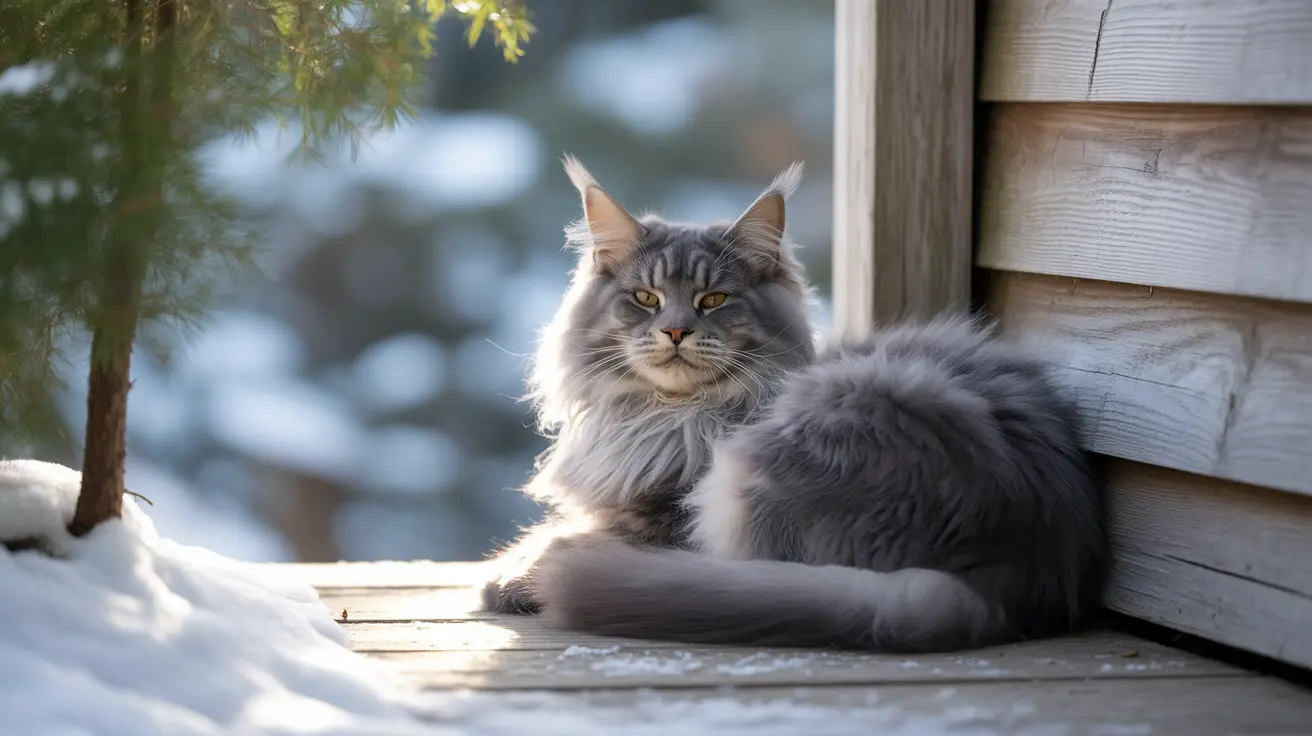
Some cat breeds are naturally better at handling cold weather. Cats with thick, dense fur like Maine Coons or Norwegian Forest Cats have more insulation against the cold. On the other hand, short-haired breeds or hairless cats struggle to maintain their body heat in low temperatures.
Think about your cat’s fur—does it look fluffy and thick, or is it fine and sparse? This can give you a clue about how much extra warmth they might need outside or in a cold home.
Age And Health Condition
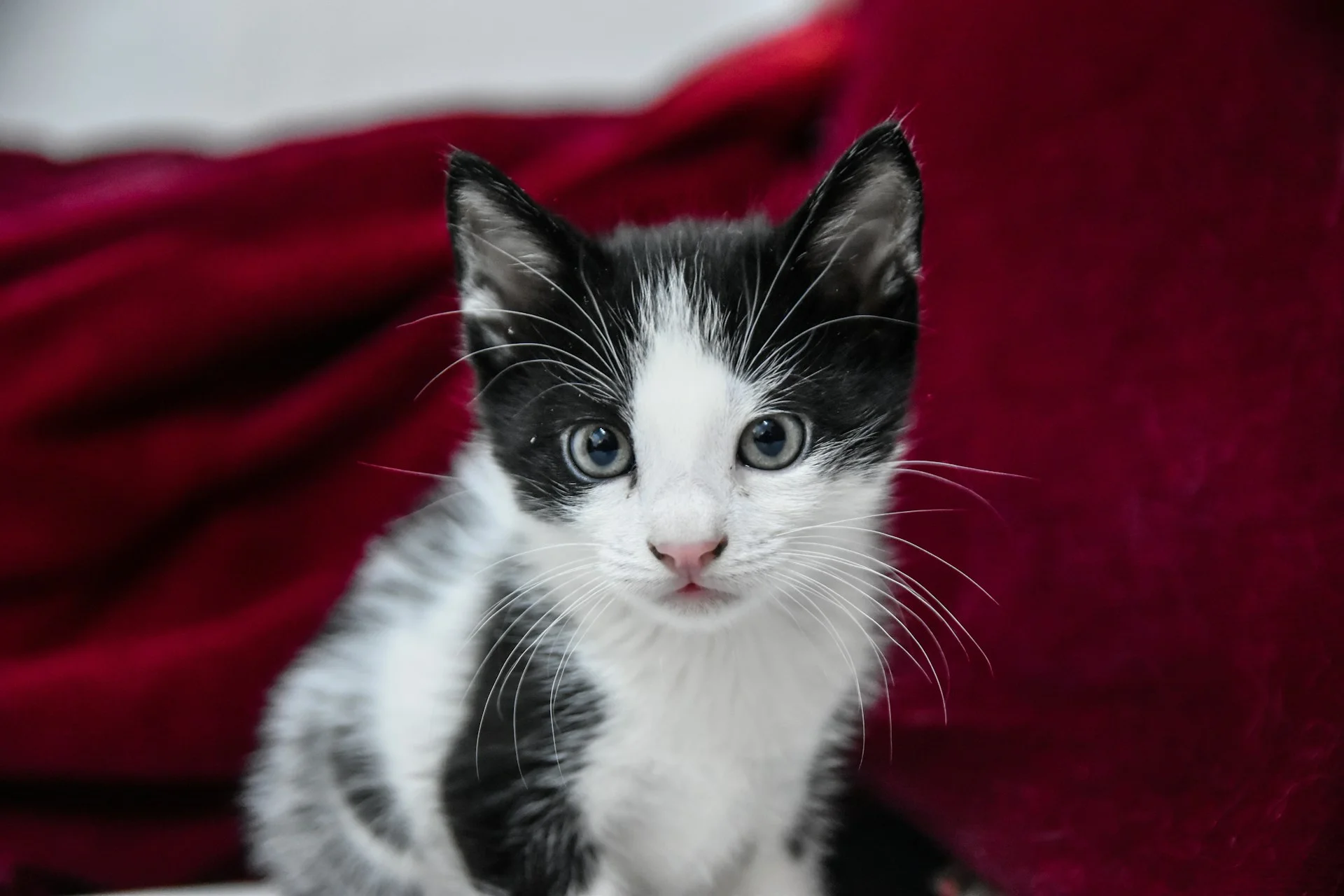
Young kittens and elderly cats are more vulnerable to cold due to weaker immune systems and less body fat. Cats with health issues, such as arthritis or respiratory problems, also find it harder to cope with cold weather. Keep a close eye on these cats during winter; they often require more warmth and care.
Have you noticed your older cat shivering or seeking warm spots more often? This behavior signals they may be struggling with the cold and need your help.
Body Fat And Muscle Mass
Cats with a healthy layer of body fat can retain heat better. Muscle mass also plays a role since strong muscles generate more heat during movement. Thin or malnourished cats lose body heat quickly and are at higher risk in freezing temperatures.
If your cat is underweight, it’s important to provide extra warmth and nutritious food to build their strength and protect them from the cold.
Acclimatization And Environment
Where your cat lives affects how well they tolerate cold. Cats that spend time outdoors or live in colder climates gradually adapt to lower temperatures. Indoor cats or those new to cold environments may find even mild chills uncomfortable and dangerous.
Have you ever moved your cat to a cooler place? You might have noticed their reaction—some adjust quickly, while others seek warmth immediately.
Behavior And Activity Level
Active cats generate more body heat through movement, which helps them stay warm. Sedentary cats or those who stay in one spot for long periods lose heat faster. Encouraging play and activity can boost your cat’s natural warmth during cold days.
Does your cat prefer curling up in a sunny window or running around the house? Their behavior can tell you how they cope with the cold and when they might need extra care.
Credit: claringtonvet.ca
Signs Of A Cat Being Too Cold
Cats can handle cold weather to some extent. But they have limits. Knowing the signs of a cat being too cold helps protect their health. Cold stress weakens their body and can cause serious harm. Watch your cat closely for these signals.
Shivering And Trembling
Shivering is a clear sign your cat feels cold. It means their body tries to create heat. Trembling muscles show they struggle to stay warm. This behavior should never be ignored.
Cold Ears And Paws
Touch your cat’s ears and paws gently. If these areas feel very cold, the cat is losing body heat. These parts are more sensitive to cold than others. Cold ears and paws need quick attention.
Hunched Or Curled Posture
Cats curl up tightly to save warmth. They may also hunch their body. This posture reduces exposed skin and traps heat. Watch for a cat that stays like this for long.
Slow Movements And Lethargy
A cat that is too cold moves less. They become quiet and sleepy. Their energy drops because the body is conserving heat. Low activity can signal serious cold stress.
Cold Or Pale Gums
Check inside your cat’s mouth if possible. Pale or cold gums indicate poor blood flow. This happens when the cat’s body is too cold. It needs immediate help.
Breeds And Cold Weather Adaptation
Cats vary widely in how well they handle cold weather, and much of this depends on their breed and natural adaptations. Some breeds have thick fur coats and body features that help them retain heat better than others. Knowing these differences can help you protect your cat when the temperature drops.
Natural Fur Insulation
Breeds like the Maine Coon and Norwegian Forest Cat have dense, water-resistant fur that acts like a built-in jacket. This thick coat keeps their body warm and protects them from frostbite. If your cat has thin or short fur, they will feel the cold much more quickly.
Body Size And Shape
Large-bodied cats with stocky builds retain heat better because they have less surface area exposed to cold air. For example, the Scottish Fold and British Shorthair have rounder shapes that help conserve warmth. Cats with slim bodies and long limbs lose heat faster and need extra care.
Behavioral Adaptations
Some cats instinctively seek shelter and curl up tightly to conserve heat. Breeds adapted to cold climates often develop habits like burrowing into blankets or finding sunny spots. Watch your cat’s behavior in cold weather; it can tell you when they’re uncomfortable or too cold.
Practical Tips For Owners
- Provide warm bedding and cozy shelters for outdoor or indoor-outdoor cats.
- Consider protective clothing for short-haired or small cats during winter walks.
- Limit outdoor time during extreme cold, especially for breeds not suited to low temperatures.
Have you noticed how your cat reacts to cold weather? Observing their breed traits and behaviors can guide you in keeping them safe and comfortable when the temperature drops.

Credit: www.petscare.com
Indoor Vs Outdoor Cats
Cats live in many environments, but their safety in cold weather depends on where they stay. Indoor cats usually stay warm and safe during winter. Outdoor cats face harsher conditions. Understanding these differences helps protect cats from cold stress and illness.
Indoor Cats And Cold Weather
Indoor cats enjoy stable temperatures. Homes provide warmth and shelter from wind and snow. These cats rarely feel cold enough to be in danger. They stay healthy with cozy places to rest.
Owners should still ensure their homes stay warm. Drafts near windows or doors can make some areas chilly. Soft bedding and heated pads help keep indoor cats comfortable.
Outdoor Cats And Cold Weather
Outdoor cats face tough challenges. They must find shelter from cold winds and wet snow. Without protection, their body temperature can drop quickly.
Outdoor cats need insulated shelters. Boxes with blankets or small pet houses offer some warmth. High risks include frostbite and hypothermia during extreme cold.
Comparing Survival Limits
| Cat Type | Typical Cold Exposure | Survival Risk | Recommended Care |
|---|---|---|---|
| Indoor Cats | Rarely below 65°F (18°C) | Low | Warm home, soft bedding |
| Outdoor Cats | Can face below 32°F (0°C) | High | Insulated shelter, blankets |
Signs A Cat Is Too Cold
- Shivering or shaking
- Cold ears and paws
- Lethargy and weakness
- Seeking warm places constantly
Recognizing these signs helps owners act quickly. Bringing outdoor cats inside during extreme cold saves lives.
Safe Temperature Ranges
Understanding safe temperature ranges for cats is vital for their health. Cats are sensitive to cold, and extreme temperatures can harm them. Knowing the right temperature helps keep cats comfortable and safe.
Cats tolerate cool weather better than very cold weather. Indoor cats usually prefer temperatures between 60°F and 80°F. Outdoor cats can handle lower temperatures but only for short times.
Ideal Indoor Temperatures For Cats
Indoor cats are happiest when the home stays warm. Temperatures between 65°F and 75°F keep cats cozy. They avoid cold drafts and damp areas. Warm spots near heaters or sunlight are favorites.
Outdoor Cat Cold Tolerance
Outdoor cats can survive colder weather but need shelter. Temperatures above 45°F usually pose no risk. Below 45°F, cats need a warm, dry place to rest. Frostbite and hypothermia become risks under 32°F.
Signs Of Cold Stress In Cats
- Shivering or trembling
- Hiding or seeking warmth
- Slow movements or lethargy
- Cold ears and paws
Recognizing these signs helps protect cats before serious harm occurs.

Credit: www.yahoo.com
Preparing Your Cat For Cold Weather
Cats feel the cold just like people do. Preparing your cat for cold weather keeps them safe and warm. Small changes can make a big difference for their comfort and health. Understanding what your cat needs helps you provide the best care during chilly days.
Providing Adequate Shelter
Give your cat a warm, dry place to rest. Outdoor cats need insulated shelters that block wind and rain. Use straw or soft blankets for bedding, not regular blankets that hold moisture. Place the shelter off the ground to avoid cold and dampness. Make sure the entrance is small to keep warmth inside.
Nutrition And Hydration
Cold weather burns more energy. Feed your cat a bit more to help keep their body heat. Choose high-quality, protein-rich food for extra fuel. Always provide fresh water. Check water bowls often to prevent freezing. Warm water encourages drinking and keeps cats hydrated.
Clothing And Accessories
Some cats tolerate sweaters or coats. Choose soft, comfortable clothes that fit well. Avoid tight or itchy materials. Let your cat get used to wearing them slowly. Use reflective collars for safety during dark winter days. Keep an eye on your cat to ensure they are comfortable.
Recognizing Hypothermia In Cats
Hypothermia is a serious risk for cats exposed to cold weather. It occurs when a cat’s body temperature drops below normal. Recognizing hypothermia early can save a cat’s life. Cats cannot shiver as much as humans to keep warm, so signs may be subtle. Watch closely for changes in behavior and physical condition.
Signs Of Hypothermia In Cats
- Shivering or trembling
- Weakness or lethargy
- Slow or shallow breathing
- Cold ears, paws, and tail
- Stiff muscles or difficulty moving
- Unresponsiveness or confusion
Checking Your Cat’s Temperature
The normal cat temperature is between 100.5°F and 102.5°F (38°C to 39.2°C). Use a digital rectal thermometer for an accurate reading. A temperature below 99°F (37.2°C) indicates hypothermia. Handle your cat gently during this check to avoid stress.
Immediate Actions To Take
- Move your cat to a warm, dry place.
- Wrap your cat in warm blankets or towels.
- Use a heating pad set on low, but avoid direct skin contact.
- Offer warm water or broth if your cat is alert.
- Seek veterinary care immediately for severe symptoms.
Emergency Measures For Cold Exposure
Cold exposure can be dangerous for cats. Acting quickly is important to keep them safe. Knowing emergency measures helps protect cats from severe cold effects. These steps can save a cat’s life during extreme weather.
Recognize Signs Of Hypothermia
Look for shivering, weakness, and slow breathing. Cold skin and pale gums are warning signs. The cat may be less responsive or very tired. Early detection helps start treatment fast.
Move The Cat To A Warm Place
Bring the cat indoors immediately. Use blankets or towels to wrap the cat gently. Avoid rubbing the cat’s body harshly. Keep the environment calm and quiet.
Use Safe Heat Sources
Apply a warm water bottle or heating pad wrapped in a cloth. Do not place heat directly on the cat’s skin. Warm the cat gradually to avoid burns. Monitor the cat’s temperature often.
Offer Warm Fluids
Provide lukewarm water or broth if the cat is alert. Avoid cold or hot drinks. Fluids help prevent dehydration and support recovery. Do not force-feed if the cat is unconscious.
Seek Veterinary Care Immediately
Call or visit a vet as soon as possible. Professional care is crucial for severe cold injuries. The vet may provide fluids, medications, and advanced warming techniques. Follow the vet’s advice closely.
Long-term Cold Weather Care
Keeping your cat safe in long-term cold weather takes more than just bringing them inside. Cats can adapt to colder climates, but only if you provide consistent care that protects them from the harsh elements over time.
Think about how your own routine changes when the temperature drops—your cat needs similar adjustments to thrive. Without proper support, even a hardy feline can suffer from hypothermia or frostbite.
Creating A Warm And Cozy Shelter
Outdoor cats need a dry, insulated shelter to escape wind and moisture. Use straw instead of blankets because it repels moisture and retains heat better. Make sure the entrance faces away from prevailing winds.
Inside your home, provide soft bedding near a heat source but never too close to risk burns. Cats appreciate small enclosed spaces like boxes or cat condos that trap their body heat.
Adjusting Food And Water For Cold Conditions
Cold weather increases your cat’s calorie needs. Offer high-quality, protein-rich food to help them generate body heat. You might notice your cat eating more—don’t hesitate to increase portions slightly.
Water can freeze quickly outdoors, so check bowls often and replace water with fresh, unfrozen supplies. Heated water bowls are a smart investment if your cat spends time outside.
Monitoring Health And Behavior Changes
Watch for signs of distress such as shivering, lethargy, or limping, which can indicate cold-related issues. Older cats or those with illnesses need extra attention during winter months.
If you notice your cat hiding more or refusing to eat, these could be signs of hypothermia or frostbite. Quick action can save your cat’s life—don’t delay a vet visit.
Safe Outdoor Time And Supervision
Limit your cat’s exposure to extreme cold by supervising outdoor time. Short, frequent trips outside are safer than long, unmonitored periods. Cats can get lost or trapped in snowdrifts without you noticing.
Consider using a leash or enclosed play area to give your cat fresh air without risking overexposure. Do you know how long your cat can comfortably stay outside in freezing temperatures?
Common Myths About Cats And Cold Weather
Many people believe cats are naturally equipped to handle freezing temperatures, but that’s not always true. Myths about cats and cold weather can lead to serious misunderstandings about their safety. Knowing the facts helps you protect your furry friend during winter.
Cats Have Built-in Cold Resistance
It’s easy to assume cats can tolerate cold because of their fur. However, not all cat breeds have thick coats. Even a long-haired cat can suffer from hypothermia or frostbite if left outside too long.
Think about your own experience with cold—would a light jacket be enough on a freezing day? Your cat feels cold in similar ways.
Outdoor Cats Don’t Need Shelter In Winter
Many believe outdoor cats can survive harsh winters without help. But even stray cats seek warmth and protection. Providing insulated shelter can be a lifesaver.
Next time you see a cat outside in cold weather, ask yourself if it looks comfortable or shivering. If it’s the latter, shelter is necessary.
Feeding Cats More Food Keeps Them Warm
While increased food intake helps generate body heat, it’s not a complete solution. Cold weather stresses cats in other ways, such as dehydration and energy loss. Simply adding extra food won’t prevent cold-related illnesses.
Feeding your cat more is good, but make sure they have a warm place to rest as well.
Cats Can Sleep Through The Cold Like Hibernating Animals
Unlike bears or squirrels, cats do not hibernate. They remain vulnerable to cold temperatures, especially at night. Leaving them outside all night in freezing conditions is dangerous.
Have you noticed your cat curling tightly for warmth? That’s a sign they’re struggling to stay warm, not hibernating.
Frequently Asked Questions
What Is The Lowest Temperature A Cat Can Survive?
Cats can generally survive temperatures down to about 45°F (7°C) if dry. Below that, risks like hypothermia increase. Proper shelter and warmth are essential.
How Do Cats Stay Warm In Cold Weather?
Cats use their fur for insulation, curl up to conserve heat, and seek warm spots. They also reduce activity to save energy during cold spells.
Can Outdoor Cats Survive Freezing Temperatures?
Outdoor cats can survive brief freezing periods if they find shelter and food. Prolonged exposure without protection risks frostbite and hypothermia, so care is needed.
What Signs Show A Cat Is Too Cold?
Shivering, lethargy, cold ears or paws, and curling tightly indicate a cat is too cold. Immediate warming and shelter are necessary to prevent health issues.
Conclusion
Cats can survive cold weather, but only to a certain point. They need shelter, warmth, and food to stay safe. Extreme cold can harm them quickly. Always watch for signs of frostbite or hypothermia. Giving cats a warm place to rest helps them live longer.
Protect outdoor cats by providing insulated shelters. Cold weather is risky but manageable with care. Keep your cat’s health a priority during winter months. Small actions make a big difference in cold weather survival. Stay aware and keep your furry friend safe.


