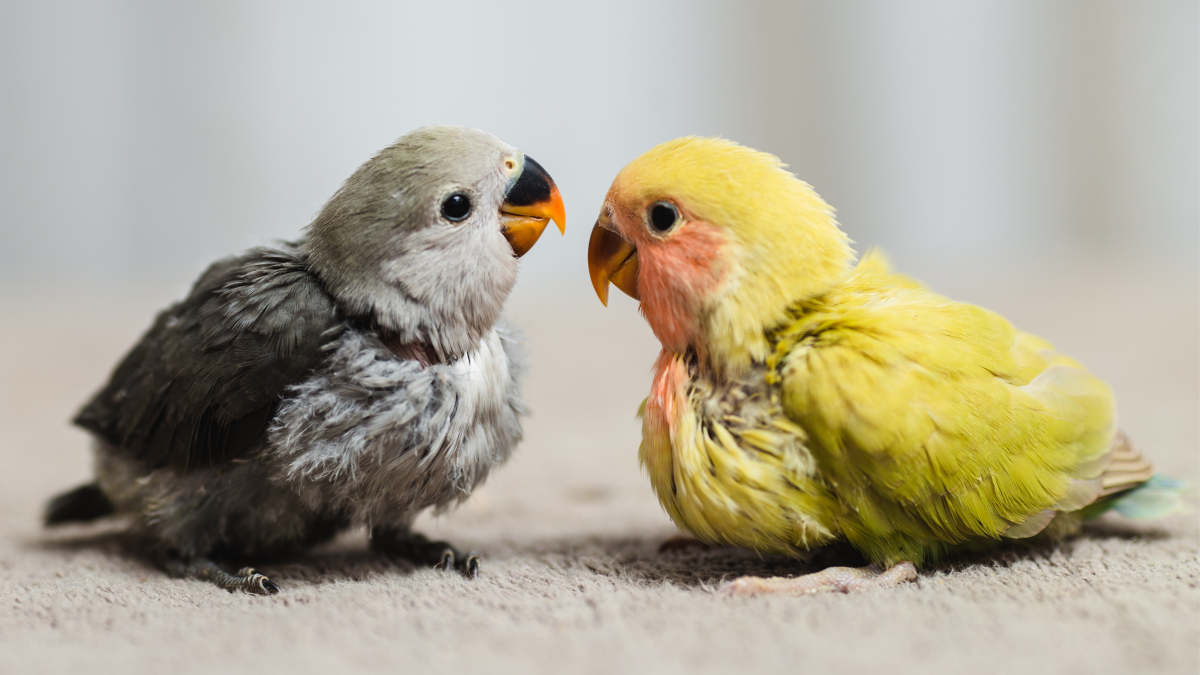
Have you ever wondered if your love birds can handle chilly days? If you keep these colorful little creatures, you probably worry when the temperature drops.
Cold weather can be tough on them, and knowing how to protect your feathered friends is key. You’ll discover what happens to love birds in the cold and simple steps you can take to keep them safe and happy. Keep reading to make sure your love birds thrive, no matter the season.
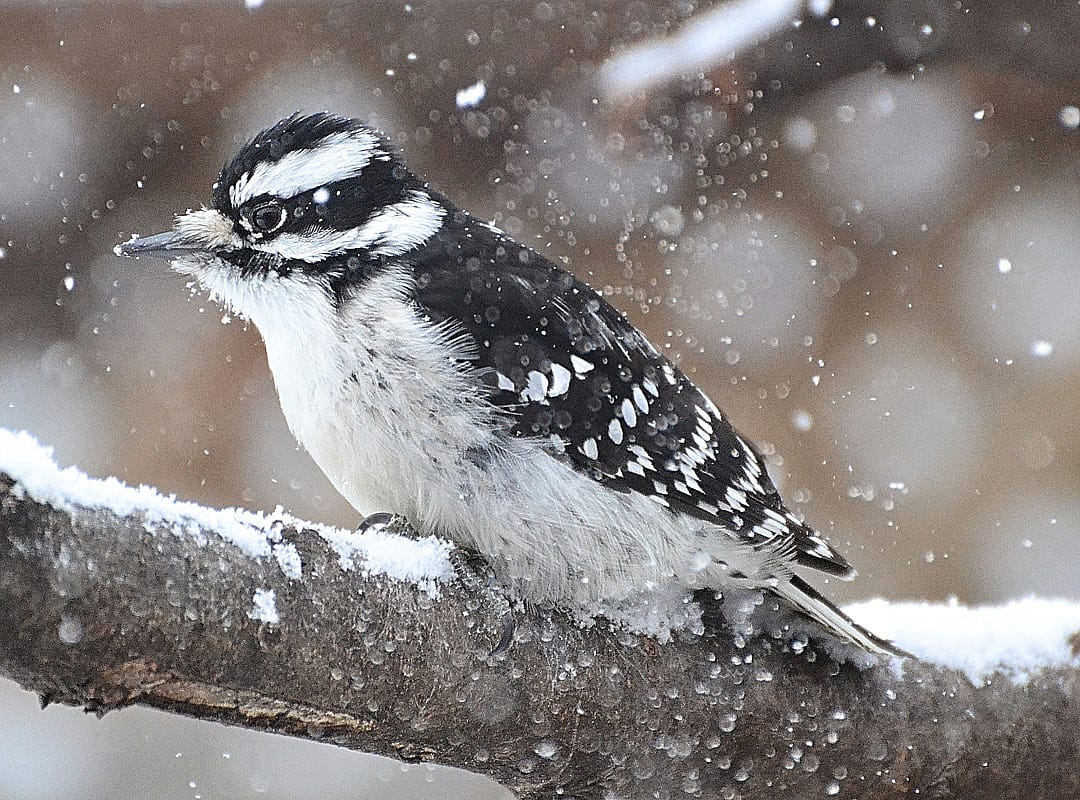
Credit: centerofthewest.org
Love Birds And Cold Climates
Love birds are tropical birds that thrive in warm climates. Cold weather can be a serious challenge for them. Understanding how love birds react to cold helps keep them safe and healthy. Their natural habitat is far from chilly winters, so they need special care in cold climates.
How Cold Affects Love Birds
Love birds have delicate bodies that struggle with low temperatures. Cold can cause stress, illness, and even death. Their feathers do not protect them well against frost. They may become less active and eat less. Prolonged exposure to cold weakens their immune system.
Signs Of Cold Stress In Love Birds
- Fluffed-up feathers to keep warm
- Shivering or trembling
- Reduced movement or hiding
- Loss of appetite
- Sleepiness or lethargy
Spotting these signs early helps prevent serious health problems.
Adapting Love Birds To Cold Weather
Keep their environment warm and draft-free. Use heaters or heat lamps safely. Place cages away from windows and doors. Provide cozy nesting materials for insulation. Monitor room temperature closely. Avoid sudden temperature changes which can shock the birds.
Diet And Hydration In Cold Weather
Cold weather may reduce love birds’ appetite. Offer fresh fruits, vegetables, and seeds daily. Increase calorie-rich foods for extra energy. Always provide clean, fresh water. Warm water encourages drinking and prevents dehydration.

Credit: www.youtube.com
Understanding Cold Weather Challenges
Love birds are delicate creatures that face many challenges in cold weather. Their small bodies and natural habitats make cold temperatures risky. Understanding these challenges helps owners protect their birds better. Knowing how cold affects them is the first step to keeping love birds safe and healthy during winter.
Temperature Sensitivity
Love birds have thin feathers and small bodies. They cannot keep their heat well in cold weather. Temperatures below 65°F (18°C) can cause stress. Sudden drops in temperature are especially harmful. Their bodies use a lot of energy to stay warm. Prolonged cold can weaken their immune system. They become more vulnerable to illness and infections.
Common Cold Weather Risks
- Chill and hypothermia from low temperatures
- Respiratory problems due to cold, dry air
- Stress from drafts and sudden temperature changes
- Reduced appetite leading to weakness
- Wet feathers causing loss of body heat
These risks make it hard for love birds to survive outside in winter. Protecting them with warm housing and stable temperatures is essential.
Preparing A Warm Environment
Creating a warm environment is essential for love birds during cold weather. Their health and happiness depend on proper care and shelter. Birds can suffer if exposed to chilly drafts or sudden temperature drops. A cozy space helps maintain their body heat and reduces stress. This section covers ways to prepare a warm area for love birds to thrive.
Indoor Housing Solutions
Keeping love birds indoors protects them from harsh weather. Choose a quiet room free from cold drafts and sudden temperature changes. The room should have good lighting and ventilation without direct wind. Place the cage away from windows or doors that open frequently. Use a medium-sized cage to allow movement but keep heat concentrated. Provide soft bedding materials like fleece or paper to add warmth at the cage bottom.
Insulation Techniques
Proper insulation helps keep the air around the birds warm. Cover the cage with a breathable cloth during cold nights. Avoid plastic covers as they trap moisture and cause dampness. Use draft stoppers on windows and doors in the room. Place cages on raised surfaces to avoid cold floors. Add extra layers like thermal curtains or foam boards to walls near the birds. Use heat lamps carefully, ensuring they do not overheat or burn the birds.
Dietary Adjustments For Winter
Adjusting your love birds’ diet during the cold months is crucial for their health and comfort. Their bodies burn more energy to stay warm, so you need to provide foods that support this extra effort. Paying close attention to what you feed can make a big difference in how well they handle chilly weather.
Nutrient-rich Foods
Love birds need foods that are high in calories and nutrients during winter. Seeds alone might not cut it; think about adding fresh fruits and vegetables rich in vitamins A and C to boost their immune system.
- Sweet potatoes and carrots for vitamin A
- Oranges and kiwi for vitamin C
- Leafy greens like spinach or kale for minerals
You might notice your birds fluffing up more when they get proper nutrition, showing they have the energy to maintain body heat. Have you checked if their pellets contain extra protein? Protein helps them build and repair tissue, which is vital when the cold stresses their bodies.
Hydration Needs
Cold weather often makes you think hydration isn’t as important, but your love birds still need plenty of water. Dehydration can sneak up on them because they might drink less if the water is too cold.
- Offer lukewarm water to encourage drinking
- Change water frequently to keep it fresh
- Provide water-rich fruits like cucumber or melon
Do you monitor how much your birds drink daily? A simple bowl of fresh water is a powerful tool against winter dehydration. Keeping them well hydrated helps their metabolism run smoothly and supports overall health.
Ensuring Physical Activity
Keeping love birds active during cold weather is crucial for their health and happiness. Physical activity helps maintain their muscle strength, stimulates their minds, and prevents boredom that can lead to behavioral issues. Even when outdoor flying isn’t possible, you can create a lively environment indoors that encourages movement and play.
Indoor Exercise Options
Setting up safe indoor spaces for your love birds to fly or climb is essential. You can clear a small room or section where they can stretch their wings without risk of injury. Adding perches at different heights encourages natural climbing and hopping movements.
Consider letting your birds out of their cage under supervision for short flying sessions. This not only keeps them fit but also strengthens your bond. Have you noticed how your birds’ energy levels change after these indoor flights?
Toys And Enrichment
Toys are more than just entertainment; they’re vital for your birds’ physical and mental exercise. Rotate a variety of toys like swings, ladders, and chewable items to keep their interest alive. Puzzle feeders can also stimulate their minds while encouraging movement.
Providing different textures and shapes challenges your love birds and prevents boredom. Have you tried introducing new toys regularly to see which ones spark the most activity? Observing their preferences helps you tailor their environment to keep them active and engaged.
Monitoring Health And Behavior
Monitoring your love birds’ health and behavior is key during cold weather. Birds can hide signs of illness, so careful observation matters. Changes in activity, eating habits, or appearance can signal problems early. Regular attention helps keep them safe and warm.
Signs Of Cold Stress
Watch for these signs that show cold stress in love birds:
- Fluffed-up feathers to trap heat
- Shivering or trembling
- Less active than usual
- Loss of appetite
- Breathing faster or with difficulty
- Huddling in a corner of the cage
These signs mean your bird may be too cold. Act quickly to improve their environment.
Regular Health Checkups
Schedule routine health checkups with an avian vet. Professionals can spot issues before they get worse. Keep a health log to track changes in behavior or appearance. Early detection helps prevent serious illness.
Check your birds daily for:
- Clear eyes and nostrils
- Clean feathers without bald patches
- Normal droppings
- Good energy levels
Healthy birds handle cold better. Stay alert and provide prompt care as needed.
Emergency Measures For Cold Spells
Cold spells can be dangerous for love birds, especially if their environment suddenly drops in temperature. Taking quick and effective emergency measures can make all the difference in protecting your feathered friends. You want to act fast but smart to keep them safe and comfortable until warmer conditions return.
Temporary Heat Sources
Providing a reliable heat source is crucial during a cold snap. You can use heating pads designed for pets, but make sure to place them outside the cage or under a layer of towels to avoid direct contact. Another option is a low-wattage incandescent bulb positioned safely above the cage to create gentle warmth.
Be cautious with electric heaters or heat lamps—they should never be left unattended due to fire risks. You can also add extra layers of insulation around the cage using blankets or foam boards, but ensure proper airflow so your birds don’t overheat. Have you checked that your heat source keeps the temperature steady without sudden spikes?
First Aid For Cold Exposure
If your love birds show signs of cold stress—like puffed-up feathers, lethargy, or shivering—immediate first aid is essential. Gently warm them by holding them close or placing them in a small, insulated box with a soft cloth and a mild heat source nearby.
Avoid rapid warming such as hot water or direct heat, which can cause shock. Offer fresh water at room temperature to prevent dehydration, and observe their behavior closely. If symptoms persist or worsen, contact an avian vet promptly to prevent serious health issues.

Credit: www.reddit.com
Frequently Asked Questions
Can Love Birds Survive In Cold Weather Conditions?
Love birds can survive mild cold if properly cared for. However, extreme cold can harm them. Keeping them warm indoors is essential.
How To Keep Love Birds Warm During Winter?
Provide a heated room or bird-safe heat lamps. Use cozy cages with covers and avoid drafts. Ensure fresh food and water daily.
What Signs Show Love Birds Are Cold Or Stressed?
Shivering, puffed-up feathers, lethargy, and reduced appetite indicate cold stress. Quick action to warm them prevents illness and discomfort.
Is Outdoor Housing Safe For Love Birds In Winter?
Outdoor housing is not safe during cold months. Love birds need stable warm temperatures to stay healthy and avoid respiratory issues.
Conclusion
Love birds can survive cold weather with proper care and shelter. Keep their cage warm and away from drafts. Provide enough food and fresh water daily. Watch for signs of cold stress, like shivering or puffed feathers. A cozy environment helps them stay healthy and happy.
Regular checks ensure they adjust well to colder days. Cold weather is tough but manageable for these birds. Simple steps make a big difference in their survival. Love birds thrive best when owners stay attentive and caring.


