Imagine being caught in an emergency with nothing but what’s on you. How prepared would you feel?
Your survival kit can make all the difference between staying safe and facing serious danger. But what exactly should you include to be ready for anything? This guide will walk you through the essential items your survival kit needs. By the end, you’ll know how to build a kit that protects you and gives you peace of mind, no matter where you are.
Keep reading—your safety depends on it.
Basic Needs
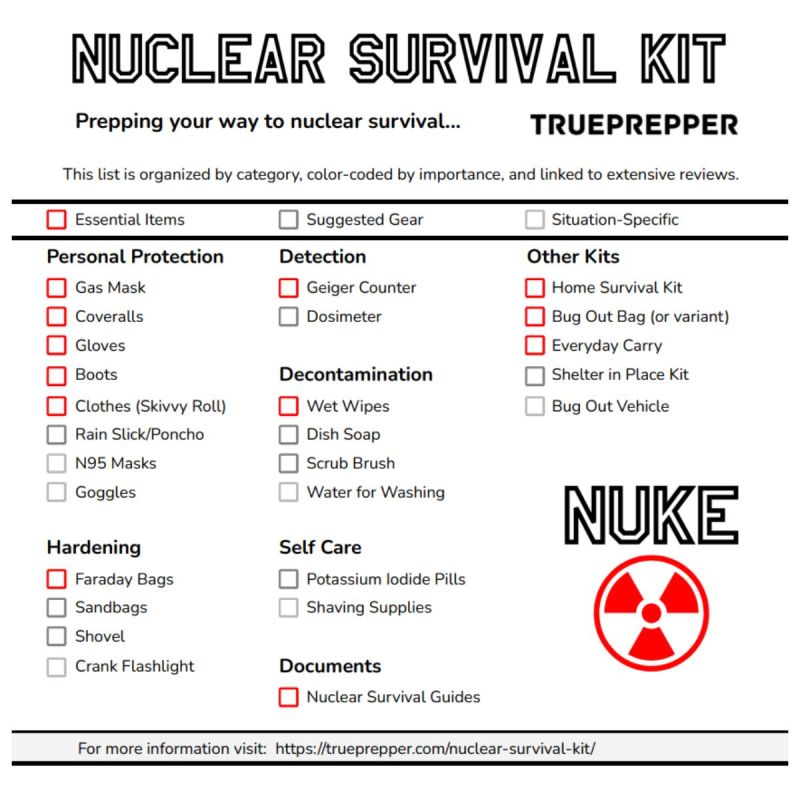
Basic needs form the core of any survival kit. They ensure your body stays alive and strong in tough situations. Focus on water, food, and shelter. These essentials protect you from dehydration, hunger, and harsh weather. Preparing these items well improves your chances of survival.
Water And Filtration
Water is the most critical need for survival. Your kit must include clean water or a way to make water safe. Carry water bottles or pouches that hold enough for a day. Include a water filter or purification tablets. These tools remove harmful germs and chemicals from natural water sources. Staying hydrated prevents fatigue and keeps your mind sharp.
Food And Nutrition
Food provides energy and helps you stay strong. Pack non-perishable items that are easy to carry. Choose lightweight, high-calorie foods like energy bars, nuts, and dried fruits. These foods last long and give quick energy. Avoid foods that need cooking or refrigeration. Proper nutrition supports your body during stress and physical work.
Shelter And Warmth
Shelter protects you from cold, rain, and wind. Your kit should have a lightweight tent, tarp, or emergency blanket. These items create a barrier against harsh weather. Include warm clothing and gloves to maintain body heat. Staying warm prevents hypothermia and keeps your energy levels up. Shelter and warmth are vital for comfort and survival.
Tools And Equipment
Having the right tools and equipment in your survival kit can make a huge difference when you face unexpected challenges. These items not only help you stay safe but also give you confidence to handle tough situations. Let’s look at some essentials that you should never overlook.
Knives And Multitools
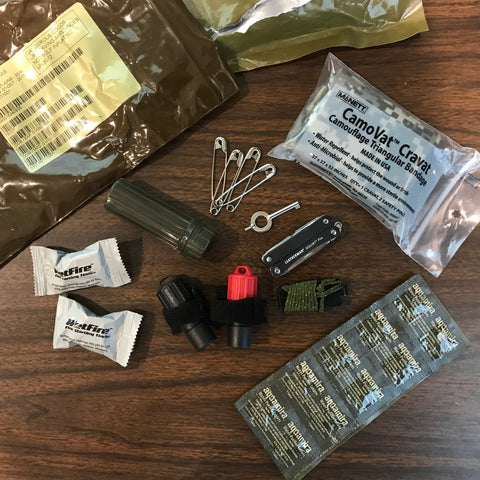
A sharp knife is one of the most versatile tools you can carry. It helps with cutting rope, preparing food, and even self-defense. Multitools combine several functions like pliers, screwdrivers, and scissors into one compact device, saving space and weight.
Choose knives with sturdy blades and comfortable handles. A folding knife fits easily in your pocket, while a fixed blade offers more strength for heavy tasks. Think about what you’ll need most and pick tools that feel right for you.
Fire Starters
Fire is crucial for warmth, cooking, and signaling for help. Relying on just one method to start a fire can be risky. Carry multiple fire starters such as waterproof matches, a lighter, and a ferrocerium rod.
Practice using each type until you feel confident. You don’t want to fumble with your fire starter when you really need it. Have you ever tried starting a fire with just one match in wet conditions? It’s a skill worth mastering.
Navigation Aids
Getting lost is a real danger in the wilderness, so navigation aids are essential. A reliable compass and a detailed map of your area should be part of your survival kit. GPS devices are helpful but can fail due to battery loss or signal issues.
Learn how to read a map and use a compass before you need them. Even basic navigation skills can prevent panic and keep you on the right path. Have you tested your navigation tools in unfamiliar terrain recently?
First Aid And Health
First aid and health items are vital in any survival kit. Injuries and sickness can happen anytime. Being ready helps prevent small problems from becoming serious. A good kit keeps you safe and comfortable.
Medical Supplies
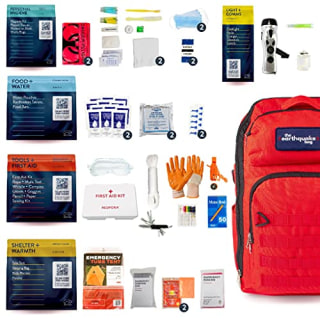
Basic medical supplies treat cuts, scrapes, and burns quickly. Include:
- Adhesive bandages in various sizes
- Sterile gauze pads and adhesive tape
- Antiseptic wipes and antibiotic ointment
- Scissors and tweezers
- Disposable gloves
- CPR face shield
- Elastic bandage for sprains
These items stop infections and control bleeding fast.
Personal Hygiene
Cleanliness helps avoid illness during survival situations. Pack:
- Hand sanitizer or antibacterial soap
- Moist towelettes or baby wipes
- Toothbrush and toothpaste
- Feminine hygiene products
- Small towel or washcloth
Maintaining hygiene protects your health and morale.
Emergency Medications
Keep essential medicines for common problems. Include:
- Pain relievers like ibuprofen or acetaminophen
- Antihistamines for allergies
- Anti-diarrheal tablets
- Any prescription medicines you need
- Cold and flu remedies
Store medicines in original containers with instructions.

Credit: www.amazon.com
Communication And Signal
Effective communication and signaling can be a lifesaver in survival situations. Without a way to alert others or call for help, your chances of rescue may drop significantly. That’s why your survival kit must include reliable tools to send messages and signals clearly, even when you’re off the grid.
Radio And Emergency Beacons
A portable radio is your link to the outside world when cell service fails. Look for a weather band radio that can pick up emergency broadcasts and updates. Some models even come with hand cranks or solar panels, so you won’t worry about dead batteries.
Emergency beacons, like Personal Locator Beacons (PLBs) or Satellite Messengers, send your exact location to rescue teams. These devices use GPS and satellite signals, meaning they work even in remote areas without cell towers. Owning one could drastically shorten your wait time for help.
Whistles And Signal Mirrors
Simple tools like whistles can cut through the noise of the wilderness. A loud whistle can be heard much farther than shouting, saving your voice and increasing your chance of being found. Carry one that produces multiple sharp blasts to grab attention.
Signal mirrors reflect sunlight to create bright flashes that attract rescuers from miles away. They’re lightweight, require no batteries, and work well during the day. Have you ever tried signaling with a mirror? It’s surprisingly effective once you know the technique.
Mobile Phone Chargers
Your phone is an essential survival tool, but it’s useless without power. Pack a reliable charger, such as a solar charger or a portable power bank with high capacity. These can keep your phone alive long enough to make an emergency call or access maps and survival apps.
Consider chargers with multiple USB ports if you carry several devices. Remember, conserving battery by turning off non-essential functions extends your communication window. How prepared are you to keep your devices powered when you need them most?
Personal Protection
Your survival kit must prioritize personal protection to keep you safe in unpredictable situations. Protection isn’t just about weapons; it includes the right clothing, gear, and tools to shield you from environmental dangers and potential threats. Think about the last time you faced a tough outdoor condition—what made you feel secure and prepared?
Clothing And Gear
Clothing is your first line of defense against harsh weather and injuries. Choose durable, weather-appropriate layers that protect you from cold, heat, and rain. A waterproof jacket, sturdy boots, and thermal socks can prevent hypothermia or blisters that slow you down.
Don’t overlook gear like gloves, hats, and sunglasses. These items protect your skin and eyes from sunburn, cuts, and debris. Reflect on your past outdoor trips—did you ever regret not having a simple hat or gloves?
Self-defense Items
Carrying self-defense items gives you confidence and a real chance to protect yourself if threatened. Pepper spray, a tactical flashlight, or a sturdy knife can be invaluable. Choose tools that you are comfortable using and that comply with local laws.
Training matters. Owning a self-defense item isn’t enough—you need to know how to use it quickly and effectively. Have you practiced with your tools enough to react under stress?
Insect Repellents
Insects aren’t just annoying; they can carry dangerous diseases. A survival kit should include effective insect repellents such as DEET-based sprays or natural alternatives like citronella. Mosquito nets and permethrin-treated clothing also add layers of protection.
Think about how a single mosquito bite delayed your plans or caused discomfort. Avoid that by preparing with repellents that keep bugs at bay and help you focus on your survival tasks.

Credit: www.amazon.com
Miscellaneous Essentials
Miscellaneous essentials in a survival kit might seem small or unimportant at first glance. Yet, these items can make a big difference in unexpected ways. They cover gaps that basic food, water, and shelter supplies don’t address.
Important Documents
Having copies of your essential documents in your survival kit is crucial. This includes IDs, insurance papers, medical records, and emergency contacts. Keeping them in a waterproof pouch protects them from damage.
Imagine needing urgent medical care or trying to prove your identity after a disaster. Without these documents, you could face serious delays or complications. Do you know where your important papers are right now?
Cash And Coins
Cash is often overlooked but invaluable when electronic payment systems fail. Small bills and coins can help you buy necessities or pay for services when cards are useless. Keep a mix of denominations to cover various situations.
Think about local vendors or emergency responders who might not accept cards. Having cash ready means you won’t get stuck without options. When was the last time you carried enough physical money?
Multi-purpose Rope
A sturdy rope can serve many functions in survival scenarios. Use it for building shelters, securing items, or even making a clothesline. Choose a lightweight, durable rope that fits easily into your kit.
I once used a rope to hang food away from animals during a camping trip. That simple tool saved my supplies and gave me peace of mind. What creative uses can you imagine for a strong rope in your kit?

Credit: mendovoice.com
Frequently Asked Questions
What Are The Essential Items In A Survival Kit?
A survival kit must include water, food, a first aid kit, and a reliable shelter. Tools like a knife, fire starter, and flashlight are vital. These items ensure basic survival needs: hydration, nutrition, safety, and warmth.
How Do I Choose The Best Survival Kit Tools?
Choose tools based on durability, multi-functionality, and ease of use. Prioritize lightweight and compact items for portability. Quality materials and trusted brands improve reliability in emergencies. Tailor tools to your environment and skill level.
How Often Should I Update My Survival Kit?
Update your survival kit every 6 to 12 months. Check for expired food, batteries, and medical supplies. Replace damaged or outdated items promptly. Regular updates keep the kit ready and functional during emergencies.
Why Is A First Aid Kit Critical In Survival Kits?
A first aid kit treats injuries and prevents infections in emergencies. It includes bandages, antiseptics, pain relievers, and medical tools. Quick medical care reduces complications and improves survival chances in the wild.
Conclusion
A good survival kit keeps you safe and prepared. Include water, food, and a first aid kit. Add tools like a flashlight and a knife. Don’t forget matches or a lighter for fire. Keep your kit light but complete. Check it often and replace used items.
Being ready helps you stay calm and confident. A well-packed kit can make a big difference. Start building yours today and stay ready for anything.