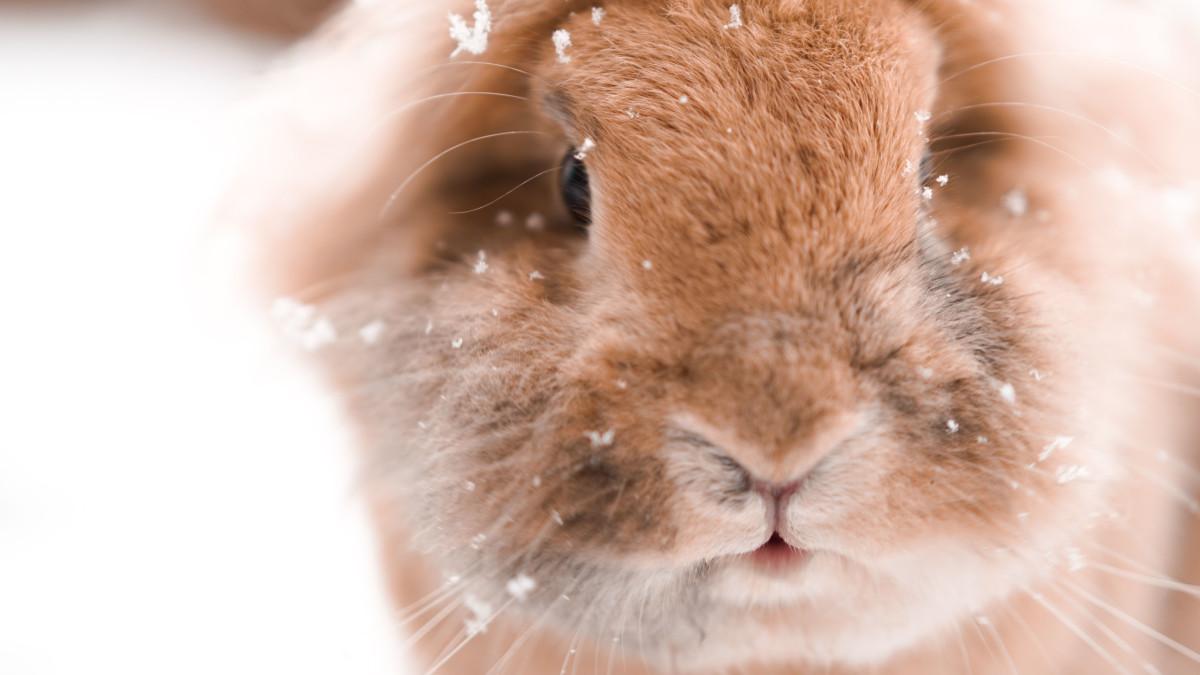
Have you ever wondered if your pet rabbit can handle chilly winter days? You might be asking yourself, “Do rabbits survive in cold weather?” It’s a common concern for anyone who cares about these delicate creatures.
Understanding how cold affects rabbits is crucial to keeping your furry friend safe and comfortable. Keep reading to discover what you need to know to protect your rabbit when temperatures drop. Your rabbit’s well-being depends on it!

Credit: www.youtube.com
Rabbit’s Natural Cold Adaptations
Rabbits have several natural adaptations that help them survive cold weather. These adaptations allow them to maintain their body heat and stay active even when temperatures drop. Understanding these traits can help you care better for pet rabbits during winter or appreciate how wild rabbits thrive outdoors.
Thick Fur Coat
Rabbits grow a dense fur coat as the weather turns cold. This fur traps heat close to their bodies, acting as natural insulation.
You might notice your pet rabbit’s fur becomes thicker and fluffier in winter. Wild rabbits also rely on this thick fur to keep warm without needing extra shelter.
Compact Body Shape
Their rounded bodies and short limbs reduce surface area exposed to cold air.
This shape helps rabbits conserve heat more efficiently. It’s similar to how you might curl up to keep warm on a chilly day.
Behavioral Adjustments
Rabbits change their behavior to cope with cold weather. They often stay in burrows or sheltered spots to avoid wind chill.
In the wild, rabbits dig into snow or use dense vegetation as natural windbreaks. At home, you can provide cozy hides or extra bedding for your rabbit’s comfort.
Fat Reserves For Energy
Rabbits build up fat reserves before winter arrives. This extra fat provides both energy and insulation.
Have you ever noticed your rabbit eating more in the colder months? That’s their body preparing for the cold by storing fuel.
Reduced Activity To Save Energy
During extreme cold, rabbits may reduce their activity to conserve energy.
They balance staying warm with using energy efficiently. You might see your rabbit resting more often during very cold days.
Choosing The Right Shelter
Choosing the right shelter is key for rabbits to survive cold weather. A good shelter keeps them warm and safe. It protects them from wind, rain, and snow. The shelter should be cozy but well-ventilated. Rabbits need a dry, draft-free place to stay healthy during winter months.
Insulation Techniques
Insulation helps keep the shelter warm. Use materials like straw or hay for bedding. These trap heat and provide comfort. Avoid using blankets or towels as they can hold moisture. Add extra layers of insulation on walls and floors. Foam boards work well to block cold air. Make sure insulation is safe and chew-proof to avoid harm.
Location Considerations
Place the shelter in a spot protected from strong winds. Near a fence or wall is ideal for windbreak. Avoid low areas where water can collect and cause dampness. Elevate the shelter slightly to keep it dry. A sunny spot helps warm the shelter during the day. Keep the shelter away from noisy or busy areas to reduce stress for rabbits.
Feeding For Warmth
Feeding rabbits well during cold weather helps them stay warm and healthy. Proper nutrition gives rabbits energy to keep their body heat. Adjusting their diet supports their natural ability to handle cold days. Focus on balanced meals that increase warmth without causing digestive problems.
Nutritional Needs
Rabbits need more calories in cold weather to maintain body heat. Increase high-fiber foods like hay, which help digestion and energy. Fresh vegetables should be limited to avoid stomach upset. Offer small amounts of pellets to provide extra nutrients. Avoid sugary treats that can harm their health.
- Timothy hay or orchard grass hay for fiber
- Small portions of pellet food daily
- Limited fresh greens such as kale or parsley
- Avoid iceberg lettuce and sugary snacks
Hydration Tips
Water is vital for rabbits in all seasons. Cold weather can reduce their water intake. Check water bowls often and refill with fresh, unfrozen water. Use ceramic or heavy bowls to prevent tipping. Warm water slightly to encourage drinking during freezing days. Proper hydration supports digestion and overall warmth.
Protective Bedding Options
Keeping your rabbit warm during cold weather is crucial, and the right bedding can make all the difference. Protective bedding acts as an insulating layer, trapping heat and providing a cozy space for your pet. Choosing the right material and maintaining it properly ensures your rabbit stays comfortable and healthy through chilly days.
Types Of Bedding
Not all bedding is created equal when it comes to warmth and comfort. Straw is a popular choice because it provides excellent insulation and stays dry longer than hay. You might also consider fleece liners, which are soft and help retain heat, but they require more frequent cleaning.
Wood shavings can be used but make sure they are kiln-dried and free of harmful oils. Avoid cedar and pine shavings, as their oils can irritate your rabbit’s respiratory system. Some owners use a combination of straw and hay to offer both warmth and a snack.
Bedding Maintenance
Keeping bedding clean is just as important as choosing the right type. Wet or soiled bedding loses its insulating power and can create a cold, damp environment. Check your rabbit’s bedding daily and remove any damp spots immediately.
Replace the entire bedding at least once a week to prevent odors and bacteria buildup. You can add fresh bedding on top to keep your rabbit comfortable between full changes. Have you noticed how your rabbit behaves differently when the bedding is fresh versus when it’s not? That’s a clear sign of how much they rely on a clean, warm environment.
Monitoring Rabbit Health
Keeping a close eye on your rabbit’s health during cold weather is crucial. Rabbits are tough, but cold can sneak up on them. Monitoring helps you catch problems before they get serious.
Signs Of Cold Stress
Watch for these signs to know if your rabbit is struggling with the cold:
- Shivering:Just like humans, rabbits shiver to stay warm. If you see this, your rabbit is too cold.
- Listlessness:A rabbit that’s usually active but suddenly seems tired or sluggish needs attention.
- Hunched posture:Rabbits curling up tightly can be trying to conserve heat.
- Cold ears and limbs:Feel your rabbit’s ears and paws. If they’re cold to the touch, your pet might be at risk.
- Loss of appetite:Cold stress can reduce your rabbit’s desire to eat, which worsens their condition.
Have you noticed any of these signs in your pet during winter? Early detection can save their life.
Regular Health Checks
Make health checks a daily habit when the temperature drops. It’s simple but powerful.
- Inspect your rabbit’s fur for dampness or matting, which can reduce insulation.
- Check their living space for drafts or wet bedding; these create cold spots.
- Monitor weight and body condition weekly to spot subtle changes.
- Observe breathing patterns—rapid or labored breaths signal distress.
I once missed a subtle sign of cold stress in my rabbit’s paws, and it led to frostbite. Since then, I check extremities every day, especially after outdoor time.
What small changes can you make today to improve your rabbit’s cold-weather care?
Outdoor Time Management
Managing your rabbit’s outdoor time during cold weather is very important. Rabbits can enjoy fresh air and exercise, but their safety must come first. Careful planning helps keep them warm and healthy. Outdoor time should be balanced with their needs and the weather conditions.
Safe Outdoor Activities
Choose activities that keep your rabbit active without overexertion. Let them explore a small, secure area with soft grass or bedding. Provide tunnels or hideouts to offer shelter and comfort. Avoid long play sessions outside in cold weather. Short, frequent visits are better to prevent chills.
- Supervised grazing on safe plants
- Running or hopping in a protected pen
- Interactive toys to keep them moving
- Rest breaks in a warm shelter
Weather Considerations
Check the temperature before letting your rabbit outside. Avoid outdoor time if it is below 40°F (4°C). Wind and rain increase the risk of cold stress. Protect your rabbit from wet and icy surfaces. Use a weatherproof shelter that blocks wind and moisture.
| Weather Condition | Recommended Action |
|---|---|
| Cold but dry | Limit outdoor time to 10-15 minutes |
| Windy or rainy | Keep your rabbit indoors |
| Snowy or icy | Provide indoor exercise options |
Using Heating Devices
Using heating devices helps keep rabbits warm during cold weather. Rabbits are sensitive to cold and need extra care. Providing a safe heat source can prevent health issues like hypothermia. It also keeps their living area comfortable and cozy. Choosing the right heater and following safety rules is very important.
Types Of Heaters
- Heat lamps:Provide gentle warmth and are easy to install.
- Heating pads:Offer direct heat and can be placed under bedding.
- Infrared heaters:Warm objects and animals without heating the air.
- Electric blankets:Provide soft, even heat but must be used carefully.
Safety Precautions
- Always keep heaters out of rabbits’ reach to avoid burns.
- Use heaters with automatic shut-off features for safety.
- Check cords and plugs regularly to prevent chewing hazards.
- Ensure good ventilation to avoid overheating and poor air quality.
- Never leave heating devices unattended for long periods.
- Place heaters in dry areas to reduce electrical risks.

Credit: www.reddit.com
Social Interaction Benefits
Rabbits thrive on social interaction, especially during cold weather. Being around others helps them stay warm and feel safe. Social bonds reduce stress and keep rabbits active. This boosts their overall health and happiness in chilly months.
Companionship Importance
Rabbits are naturally social animals. They enjoy the company of other rabbits. Companionship helps them share body heat in cold weather. It also keeps loneliness and boredom away. Rabbits groom each other, which strengthens their bond. This grooming helps reduce fur matting and keeps them clean. Having a friend around encourages play and movement. It helps rabbits stay physically and mentally fit.
Group Housing Tips
Group housing can be safe and comfortable with careful planning. Introduce rabbits slowly to avoid fights. Watch for signs of aggression or stress. Provide enough space for each rabbit to move freely. Add multiple hiding spots for privacy and safety. Use separate food and water bowls to prevent competition. Keep the living area dry and draft-free to protect from cold. Regular cleaning helps maintain a healthy environment. Group housing creates warmth and companionship during winter.

Credit: www.youtube.com
Frequently Asked Questions
Can Rabbits Survive In Freezing Cold Weather?
Yes, rabbits can survive cold weather if they have proper shelter and bedding. Their thick fur provides insulation. However, extreme cold and wet conditions can be harmful without protection.
How Do Rabbits Keep Warm During Winter?
Rabbits keep warm using their dense fur and by burrowing. They fluff up their fur to trap heat. Additionally, sheltered burrows protect them from wind and moisture.
Should I Provide Extra Care For Rabbits In Winter?
Yes, extra care is essential. Provide dry, insulated shelter and fresh water. Ensure their diet includes more hay for warmth. Avoid exposing them to wet and freezing conditions.
What Signs Show A Rabbit Is Cold Or Stressed?
Shivering, lethargy, huddling in corners, and decreased appetite indicate cold stress in rabbits. If you notice these signs, improve their shelter and warmth immediately.
Conclusion
Rabbits can live through cold weather with the right care. They grow thick fur to stay warm naturally. Providing shelter and dry bedding helps them a lot. Food and water should be easy to find. Watching for signs of cold stress is important.
Cold weather is tough but not impossible for rabbits. With simple steps, they can stay safe and healthy. Keep their environment cozy and check on them often. Cold does not have to mean danger for rabbits.


