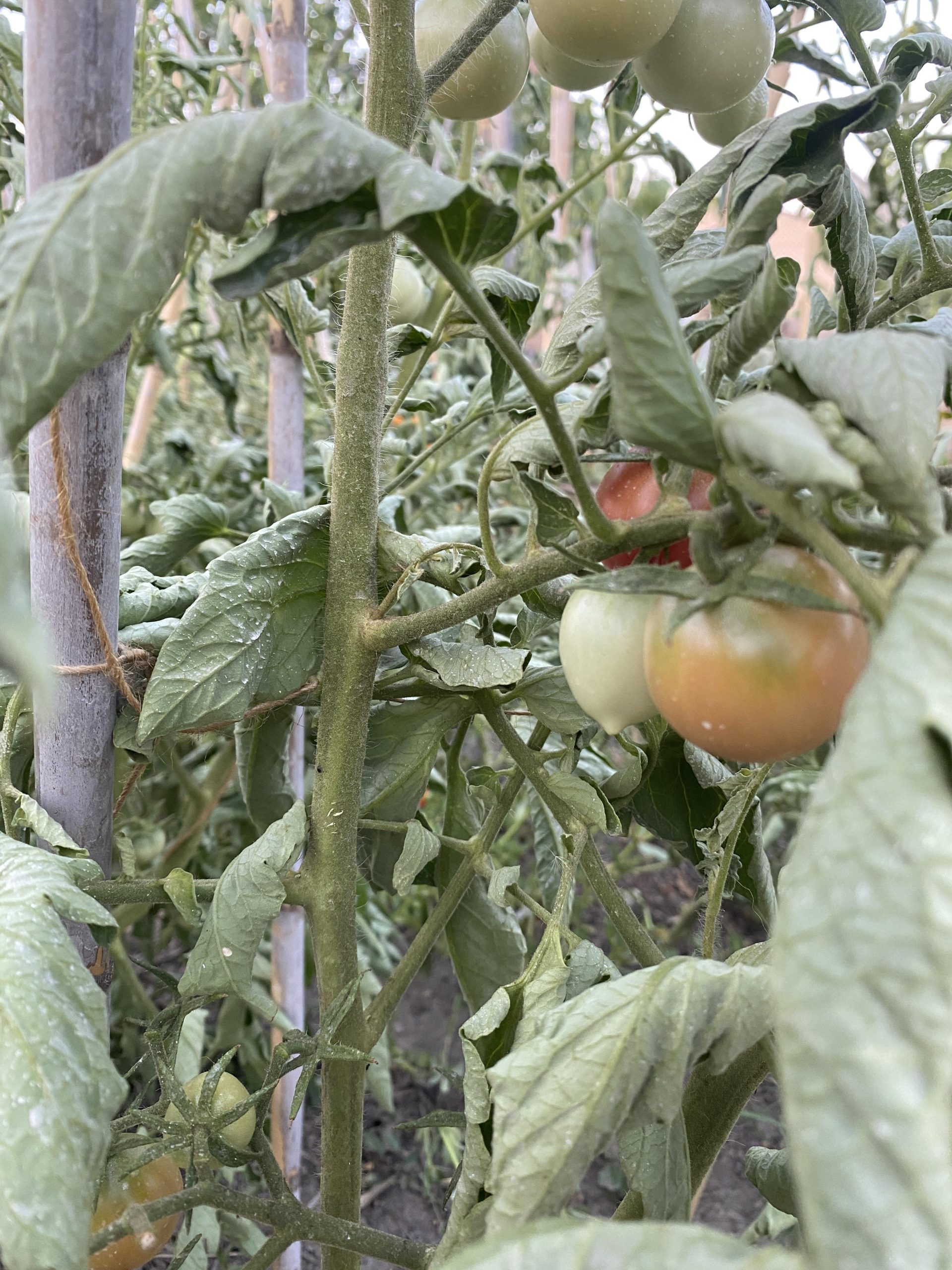
Are you worried about your tomato plants when the temperature hits 40 degrees? You’re not alone.
Many gardeners ask if tomato plants can survive such extreme heat. The truth is, your plants face serious challenges in this weather. But don’t give up just yet. Understanding how tomato plants react to high temperatures can help you protect them and even keep your harvest thriving.
Keep reading to discover the simple steps you can take to help your tomatoes beat the heat and grow strong.
Understanding Tomato Plant Temperature Tolerance
Tomato plants need specific temperature ranges to grow well and produce fruit. Understanding how they react to heat helps gardeners protect their crops. Temperature tolerance shows how much heat tomato plants can handle before they suffer damage.
Tomatoes grow best between 70°F and 85°F. Temperatures above 90°F can stress the plant. Extreme heat, such as 40 degrees Celsius (104°F), challenges their survival. Knowing how plants respond helps in managing care and improving yields.
Optimal Temperature Range For Tomato Growth
Tomatoes thrive in warm but not hot weather. Day temperatures between 70°F and 85°F are ideal. Night temperatures should stay above 55°F. Outside this range, growth slows or stops.
Effects Of High Temperatures On Tomato Plants
- Flower drop and poor fruit set
- Leaf wilting and sunburn
- Reduced photosynthesis and growth
- Increased water loss from leaves
Heat Stress Symptoms In Tomato Plants
Leaves may curl or turn yellow. Flowers can fall off before fruit forms. Fruits might develop unevenly or stay small. Prolonged heat weakens the plant’s health.
How Tomato Varieties Differ In Heat Tolerance
Some tomato types handle heat better. Cherry and grape tomatoes often resist heat stress. Heirloom varieties may be more sensitive. Choosing heat-tolerant types helps in hot climates.

Credit: www.reddit.com
Effects Of 40 Degree Weather On Tomato Plants
Tomato plants are sensitive to temperature extremes, and 40-degree weather (Fahrenheit) poses significant challenges to their survival and growth. Understanding how such low temperatures affect these plants helps you protect your garden and improve your tomato yield. Let’s look closely at what happens when tomato plants face 40-degree conditions.
Impact On Growth And Development
At 40 degrees, tomato plants slow down their growth dramatically. The cold weather disrupts their nutrient uptake and photosynthesis process, causing leaves to yellow and stems to weaken.
You might notice stunted growth or delayed flowering during these chilly days. Have you ever seen your tomato plants just stop growing and wondered why? This temperature stress is often the culprit.
Risk Of Frost Damage
While 40 degrees is above freezing, it’s close enough to signal frost risk, especially during clear nights. Frost can damage young leaves and flowers, turning them brown and mushy.
Protecting your plants with covers or moving potted tomatoes indoors can prevent this damage. Have you tried using old bedsheets or frost cloths on cold nights? It’s a simple step that can save your crop.
Effect On Fruit Set And Quality
Cold temperatures around 40 degrees can reduce fruit set because pollen becomes less viable. This means fewer tomatoes will develop, and the fruits that do grow may be smaller or misshapen.
Maintaining slightly warmer soil and air temperatures during early spring or late fall can improve fruit quality. What changes can you make to your garden setup to keep roots warm?
Strategies To Help Tomato Plants Survive Cold
- Use mulch to keep soil temperature stable.
- Choose cold-tolerant tomato varieties.
- Water plants early in the day to reduce overnight cold stress.
- Set up windbreaks to lower chilling effects.
Have you experimented with any of these? Sometimes small adjustments make a big difference in your plant’s resilience.
Signs Of Temperature Stress In Tomatoes
Tomato plants are sensitive to extreme temperatures, and recognizing the signs of stress can help you protect your garden before damage becomes severe. When temperatures soar to 40 degrees Celsius (104 degrees Fahrenheit) or higher, tomatoes show clear symptoms that signal distress. These signs often affect both the plant’s growth and fruit production.
Leaf Curling And Wilting
One of the earliest signs you’ll notice is the curling of leaves. The edges may roll inward to reduce water loss, while the whole plant might droop or wilt during the hottest part of the day.
If you see this, it means your tomato is struggling to keep enough moisture. Have you checked if your plants are getting consistent watering during heat spells?
Discolored Or Scorched Leaves
Leaves turning yellow, brown, or showing scorched patches indicate heat damage. This happens because intense heat can burn the leaves or disrupt chlorophyll production.
Look closely for dry, crispy edges or spots—these are clear warnings that your tomatoes need immediate shade or extra care.
Flower And Fruit Drop
High temperatures often cause tomato flowers to drop before they can set fruit. You might also see small green fruits falling off the plant prematurely.
Have you noticed fewer tomatoes forming despite healthy flowers? This could be your plant’s way of protecting itself from stress.
Slow Or Stunted Growth
Heat stress can slow down your tomato plants’ growth significantly. New shoots might be shorter or leaves smaller than usual.
Tracking growth patterns can help you spot stress early. Are your plants growing as fast as they did before the heat wave?
Cracked Or Blotchy Fruit
Sometimes, heat causes the skin of tomatoes to crack or develop uneven coloring. This happens when the fruit expands quickly after watering or rain following a dry, hot period.
Seeing cracked tomatoes is frustrating, but it’s a sign to adjust your watering schedule to keep the fruit healthy.
:max_bytes(150000):strip_icc()/GettyImages-1682181526-7b3ee1de16b743f0beab9afc9c4b933e.jpg)
Credit: www.thespruce.com
Protecting Tomato Plants From Extreme Cold
Tomato plants are sensitive to cold temperatures. Protecting them from extreme cold is vital for their survival. Low temperatures can stunt growth and damage leaves. Taking simple steps helps keep your plants healthy during cold spells.
Using Mulch For Insulation
Mulch helps keep soil warm and moist. It acts as a blanket around the plant roots. Use organic materials like straw, leaves, or wood chips. Spread mulch about 2-3 inches thick around the base. Mulching prevents heat loss and protects roots from freezing.
Covering Plants With Frost Cloths
Frost cloths shield plants from frost and cold winds. Use lightweight fabric that allows air and light through. Drape the cloth over tomato plants before nightfall. Secure edges with rocks or soil to trap warmth. Remove covers during the day to avoid overheating.
Creating Windbreaks
Cold wind increases plant stress and temperature drop. Build windbreaks to block chilly gusts around your garden. Use fences, walls, or dense shrubs as barriers. Position windbreaks on the side facing prevailing winds. This reduces cold exposure and helps plants stay warmer.
Choosing Cold-resistant Tomato Varieties
Choosing cold-resistant tomato varieties is key if you want your plants to survive chilly conditions around 40 degrees Fahrenheit. Not all tomatoes handle cold the same way, so picking the right type can save you from losing your crop. Some varieties are bred specifically to tolerate lower temperatures and still produce fruit.
Understanding Cold Tolerance In Tomato Varieties
Tomatoes differ in their ability to cope with cold. Some can handle brief drops to 40°F without damage, while others suffer leaf burn or stop growing altogether. Look for varieties labeled as “cold-tolerant” or “early-season” because they mature faster and resist cold better.
Have you noticed your tomato leaves turning purple or wilting after a cold night? That’s a sign your variety isn’t suited for low temperatures.
Popular Cold-resistant Tomato Varieties
| Variety Name | Characteristics | Ideal Temperature Range |
|---|---|---|
| Stupice | Early-maturing, hardy, compact plant | 40°F – 70°F |
| Siberian | Cold-tolerant, good fruit set in cool weather | 40°F – 75°F |
| Glacier | Resistant to frost, small cherry tomatoes | 38°F – 70°F |
How To Choose The Right Variety For Your Climate
Consider your local climate’s typical lows and how long cold spells last. If you often get nights near 40°F, pick varieties proven to thrive under those conditions. Also, think about how soon you want to harvest; early-maturing types reduce the risk of frost damage.
Are you growing tomatoes in a cooler region or just facing occasional cold snaps? Your choice will differ based on this, so check seed catalogs carefully.
Tips For Buying And Starting Cold-resistant Tomatoes
- Buy seeds from reputable sources that specify cold tolerance.
- Start seeds indoors to give seedlings a warm head start.
- Harden off plants gradually before moving them outside.
- Use cloches or row covers to protect young plants during unexpected cold nights.
Have you tried starting cold-resistant tomatoes indoors? This simple step can improve survival rates dramatically when temperatures drop.
Indoor Growing Options For Tomatoes
Growing tomatoes indoors offers a practical way to protect your plants from extreme cold, especially when temperatures drop to 40 degrees or below. You can create a controlled environment that keeps your tomato plants warm and healthy, extending their growing season. Let’s look at some effective indoor growing options that help your tomatoes thrive despite the chill outside.
Greenhouse Solutions
A greenhouse can be a game changer for growing tomatoes in cold weather. It traps heat and shields plants from frost, keeping the temperature steady. You don’t need a large or expensive greenhouse; even a small, portable one can make a big difference.
Think about adding simple features like:
- Plastic covers or polycarbonate panels to retain warmth
- Ventilation options to prevent overheating on sunny days
- Thermometers to monitor temperature fluctuations closely
I once used a mini greenhouse on my balcony during a cold snap. It raised the inside temperature by nearly 15 degrees, saving my tomato seedlings. Could a small setup like this work in your space?
Indoor Lighting And Heating
Tomatoes need plenty of light and warmth to grow indoors, especially when natural sunlight is limited. Using grow lights that mimic sunlight helps your plants produce energy and stay healthy. Look for LED or fluorescent grow lights designed for vegetables.
Heating can be as simple as placing your tomato pots near a warm window or using a small space heater. Aim to keep temperatures between 65-75°F during the day and not below 55°F at night for best results.
Try combining these tips:
- Set grow lights on a timer for 12-16 hours of daily light
- Use a thermostat-controlled heater to avoid overheating
- Place plants on heat mats for extra root warmth if needed
Have you experimented with grow lights or indoor heaters before? Adjusting these elements can be the key to turning your chilly home into a tomato-friendly haven.
Expert Tips For Cold Weather Care
Tomato plants are sensitive to cold, especially when temperatures drop to 40 degrees Fahrenheit or lower. To help your plants not just survive but stay healthy, you need to adjust how you care for them. Small changes in watering and feeding can make a big difference during chilly weather.
Watering Strategies In Cold Weather
Cold weather slows down a tomato plant’s growth, so it needs less water. Overwatering can cause root rot and other problems because the soil stays wet for too long. Check the soil moisture before watering—stick your finger about an inch into the soil; if it feels dry, it’s time to water.
Water your plants early in the day to give them time to absorb moisture before temperatures drop at night. Avoid watering in the evening to prevent cold stress. Mulching around the base helps keep the soil temperature stable and reduces water evaporation.
Fertilization Tips For Cold Conditions
Fertilizing tomato plants in cold weather requires a gentler approach. Your plants aren’t growing fast, so they don’t need heavy feeding. Use a balanced fertilizer with equal parts nitrogen, phosphorus, and potassium to support steady growth without pushing the plant too hard.
A slow-release fertilizer works well because it feeds the plant gradually and reduces the risk of nutrient burn. Avoid high-nitrogen fertilizers, which can encourage leafy growth but make plants more vulnerable to cold damage. Think about your last cold snap—did you notice your plants looking weak after heavy feeding? That’s a sign to lighten up on fertilizer during cold periods.
When To Harvest For Best Results
Knowing the right time to harvest your tomato plants can make all the difference, especially when they’ve endured harsh 40-degree weather. Picking tomatoes too early or too late affects their flavor, texture, and overall yield. Understanding the signs of ripeness helps you enjoy the best taste and maximize your garden’s rewards.
Identifying The Perfect Color
Tomatoes change color as they ripen, shifting from green to red, orange, yellow, or even purple, depending on the variety. Look for a consistent, deep color across the fruit’s surface. If you spot green patches, your tomato isn’t ready yet.
Sometimes, tomatoes exposed to extreme heat may ripen unevenly. If this happens, you can pick them when most of the fruit is colored and let them finish ripening indoors.
Feeling The Right Firmness
Firmness tells you a lot about a tomato’s readiness. When gently squeezed, ripe tomatoes should feel slightly soft but not mushy. Hard tomatoes usually need more time on the vine.
After a 40-degree heat spell, your tomatoes might feel a bit tougher. This is normal, but avoid waiting too long, or they might become overripe and split.
Checking For Easy Separation
A ripe tomato will separate easily from the vine with a gentle twist or tug. If you struggle to pick it, the fruit probably isn’t mature enough. Leaving it on the plant too long can invite pests or disease, especially after a heat wave.
Using Taste As Your Guide
Taste-testing is the most satisfying way to decide when to harvest. Pick one or two tomatoes and try them fresh. Sweetness and juiciness indicate perfect timing, while bitterness or lack of flavor means they need more time.
Have you noticed how tomatoes taste differently after hot weather? That’s why sampling your harvest helps you adjust your picking schedule to get the best flavor.

Credit: www.reddit.com
Frequently Asked Questions
Can Tomato Plants Tolerate 40-degree Celsius Heat?
Tomato plants struggle in 40°C heat as it causes stress and reduces fruit production. Providing shade and extra water helps them survive such temperatures.
How To Protect Tomato Plants In Extreme Heat?
Use shade cloth, mulch soil, and water plants deeply in early morning or late evening to protect tomatoes from extreme heat stress.
What Are Signs Of Heat Stress In Tomato Plants?
Heat-stressed tomatoes show wilting, leaf curling, yellowing, and poor fruit development. Timely care can reduce damage and improve plant health.
Can Tomato Plants Recover After A 40-degree Heatwave?
Yes, tomato plants can recover if stress is brief. Proper watering, shading, and nutrients support recovery and future growth.
Conclusion
Tomato plants struggle in 40-degree weather without care. They need shade and plenty of water to survive. Too much heat can stop fruit from growing well. Protecting plants during hot days helps keep them healthy. Small steps make a big difference in hot climates.
Gardeners can still enjoy fresh tomatoes with the right effort. Heat is tough, but plants can adapt and thrive. Keep watching your plants closely in extreme heat. Growing tomatoes in hot weather requires patience and care.


