
Have you ever worried that bed bugs might be hiding in your clothes? These tiny pests can cause big problems, and knowing if they survive in your garments is key to keeping your home safe.
You might wonder if simply washing or storing clothes is enough to stop them. You’ll discover the truth about bed bugs and your clothes, plus simple steps you can take to protect yourself. Keep reading—you don’t want to miss these important facts that could save you from an unwanted infestation.
Bed Bugs And Their Habitats
Bed bugs are tiny insects that thrive in places close to humans. They need warm environments and easy access to food, which is why they often live near where people sleep or rest. Understanding their habitats helps in preventing and controlling infestations effectively.
Life Cycle Of Bed Bugs
Bed bugs go through several stages before becoming adults. The life cycle includes:
- Eggs: Tiny and white, laid in hidden spots.
- Nymphs: Young bugs that shed their skin five times as they grow.
- Adults: Brownish, flat, and about the size of an apple seed.
Each stage needs blood to develop, which is why bed bugs stay close to sleeping areas.
Common Hiding Places
Bed bugs hide in dark, tight spaces during the day. Typical spots include:
- Mattresses and box springs
- Bed frames and headboards
- Cracks in walls and furniture
- Behind wallpaper and picture frames
- Inside clothing or bags left on the floor
Clothes can sometimes harbor bed bugs, especially if left near infested beds.
Can Bed Bugs Live In Clothes?
Bed bugs are tiny insects that feed on blood. They hide in many places, including clothes. Understanding if bed bugs can live in clothes helps prevent their spread and infestation.
Factors Affecting Survival
Several factors affect how well bed bugs survive in clothes.
- Temperature:Bed bugs survive better in warm clothes.
- Humidity:High humidity helps bed bugs stay alive longer.
- Fabric type:Thick fabrics offer more hiding spots.
- Access to food:Without blood meals, bed bugs weaken.
Duration Of Infestation In Fabrics
Bed bugs can live in clothes for days or weeks without feeding.
On average, bed bugs survive up to 2 months in fabrics under ideal conditions.
They can hide in seams, folds, and pockets, making detection hard.
Regular washing and heat treatment kill bed bugs in clothes effectively.
Signs Of Bed Bugs In Clothing
Noticing bed bugs in your clothing can be unsettling, but knowing the signs can help you act quickly. These tiny pests hide well, but they leave clues behind that you can spot if you know what to look for. Recognizing these signs early can save your wardrobe and peace of mind.
Physical Indicators
Look closely at seams, folds, and pockets of your clothes. Bed bugs often leave small, dark spots which are their droppings. You might also find tiny blood stains from crushed bugs or bites.
Another sign is the presence of shed skins. As bed bugs grow, they shed their outer layer, leaving behind translucent shells. These can stick to fabric and are a clear hint that bed bugs have been there.
Have you ever felt itchy after wearing certain clothes without a clear reason? That could mean bed bugs are hiding in your fabric, feeding on you when you least expect it.
Behavioral Clues
Pay attention to how your clothes behave after you wear them. Bed bugs may cause odd smells—some describe it as musty or sweet. If your clothes develop an unusual odor, check them thoroughly.
You might also notice bites appearing after wearing specific items. These bites often appear in lines or clusters and itch intensely. If bites vanish when you stop wearing a certain piece, that’s a strong behavioral clue.
Do you find unexplained bugs crawling on your clothing after you’ve taken them off? That movement is a clear sign bed bugs are using your clothes as a hiding spot. Regularly inspect and wash your clothes to catch them early.
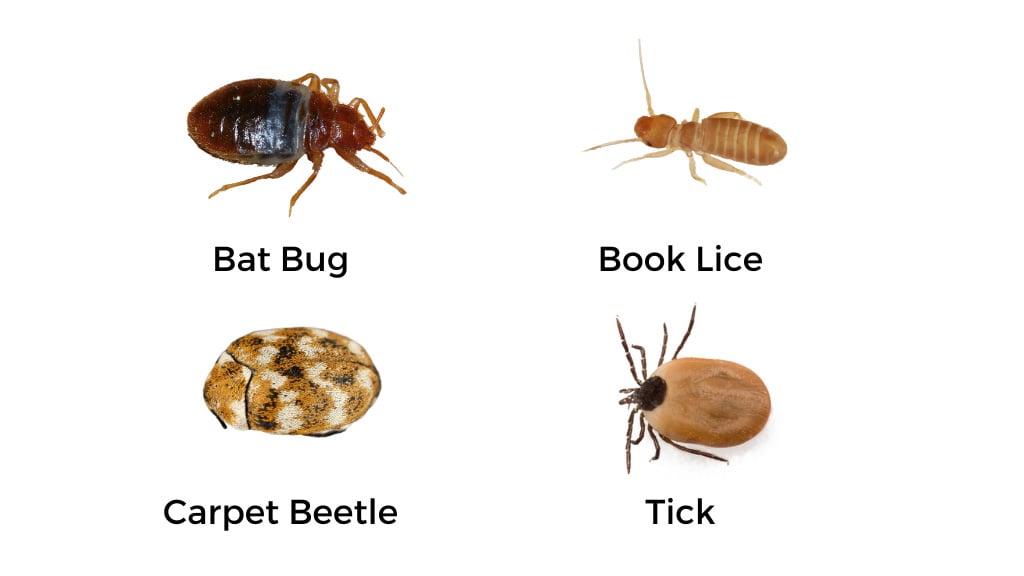
Credit: moxieservices.com
Preventing Bed Bugs In Wardrobes
Bed bugs can hide in clothes inside wardrobes. Preventing them requires careful habits and good storage. Keeping your wardrobe free from bed bugs helps protect your home and health.
Proper Storage Techniques
Store clothes in sealed containers or plastic bags. This stops bed bugs from crawling into fabric. Use airtight bins for off-season clothes. Avoid leaving clothes on the floor or open shelves. Keep shoes in closed boxes or bags. Store clean clothes separately from worn ones. These small steps reduce the chance of bed bugs finding a place to hide.
Regular Inspection And Cleaning
Check clothes and wardrobe corners often for signs of bed bugs. Look for small dark spots or shed skins. Wash clothes regularly in hot water. Heat kills bed bugs and their eggs effectively. Vacuum the inside of wardrobes to remove any bugs or eggs. Clean shelves and corners with soapy water to remove dirt and bugs. Keeping the wardrobe clean makes it less friendly for bed bugs to live.
Effective Treatments For Infested Clothes
Dealing with clothes infested by bed bugs requires quick and effective action. Treating these garments properly helps stop the spread of bugs and protects your home. Several treatment options work well to kill bed bugs hiding in fabrics. Understanding these options ensures safer and cleaner clothes after treatment.
Heat Treatment Methods
Heat is a powerful way to kill bed bugs in clothes. High temperatures destroy bed bugs at all life stages, including eggs. Washing clothes in hot water above 120°F (49°C) helps eliminate pests.
Using a dryer on high heat for at least 30 minutes also works well. Heat penetrates fabric and kills bugs inside. Steam cleaning is another option for delicate clothes that cannot go in the dryer. This method uses hot steam to target bugs without damaging fabric.
- Wash clothes in hot water above 120°F (49°C).
- Dry on high heat for 30 minutes or more.
- Use steam cleaning for sensitive fabrics.
Chemical Solutions
Chemical treatments can help remove bed bugs from clothes. Certain insecticides are safe for fabric use and kill bugs quickly. Always follow product instructions carefully to avoid damage or health risks.
Sprays designed for bed bugs work well on luggage and clothing that cannot be washed or heated. Some products use natural ingredients like essential oils to repel or kill bugs. Treat clothes in a well-ventilated area and allow them to dry completely before use.
- Use insecticide sprays made for bed bugs on clothes.
- Follow label instructions strictly for safety.
- Choose natural sprays for sensitive users or fabrics.
- Allow clothes to dry fully before wearing.
Myths About Bed Bugs And Clothing
Bed bugs and clothing often spark a lot of confusion. Many people wonder if these pests can survive on clothes and how that affects their spread. Separating fact from fiction is key to managing your home and belongings effectively.
Common Misconceptions
One popular myth is that bed bugs live only in mattresses and never on clothes. This isn’t true. Bed bugs can hitch a ride on your clothing, especially if you’ve been in an infested area.
Another misconception is that washing clothes in cold water kills bed bugs. Many believe a quick wash solves the problem, but cold water is usually ineffective. Bed bugs and their eggs can survive without much harm.
Some people think that bed bugs jump or fly from clothes to humans. Actually, bed bugs crawl slowly and don’t jump or fly. Understanding their movement can help you take the right precautions.
Scientific Clarifications
Research shows bed bugs can survive on clothing for several days, especially if the fabric is undisturbed. They feed every few days, so if your clothes are stored away, bugs can hide and wait.
Heat is the most reliable way to kill bed bugs on clothing. Washing clothes in hot water (above 120°F or 49°C) and drying them on high heat effectively eliminates these pests. This is why professional pest control often recommends heat treatments.
Freezing clothing can also kill bed bugs, but only if the temperature stays below 0°F (-18°C) for at least four days. This method isn’t practical for everyone, but it’s useful to know your options.
Have you ever wondered why bed bugs seem to reappear even after cleaning your clothes? It might be because the treatment wasn’t thorough or the temperature wasn’t high enough. Paying attention to these details can save you from repeated infestations.
Long-term Strategies For Bed Bug Control
Long-term strategies for bed bug control focus on prevention and thorough treatment. These approaches help keep your home free from infestations. Consistent effort and attention are key to success. Understanding how to protect your clothes and living spaces is vital.
Preventative Measures
Stopping bed bugs before they spread saves time and stress. Take simple steps to reduce risk:
- Wash and dry clothes on high heat after travel.
- Inspect secondhand furniture and clothing carefully.
- Seal cracks and crevices in walls and furniture.
- Use protective covers on mattresses and pillows.
- Keep clutter low to reduce hiding spots.
Regular cleaning and vigilance help catch problems early. Treating clothes properly can prevent bed bugs from surviving in fabrics.
Professional Pest Management
Experts provide specialized treatments to eliminate bed bugs. They use tools and chemicals not available to the public. A professional will:
- Inspect your home thoroughly to find hiding places.
- Apply heat or chemical treatments safely and effectively.
- Offer advice on preventing future infestations.
- Follow up with multiple visits if needed.
Professional help is often necessary for severe infestations. Early intervention reduces damage and stops bugs from spreading further.
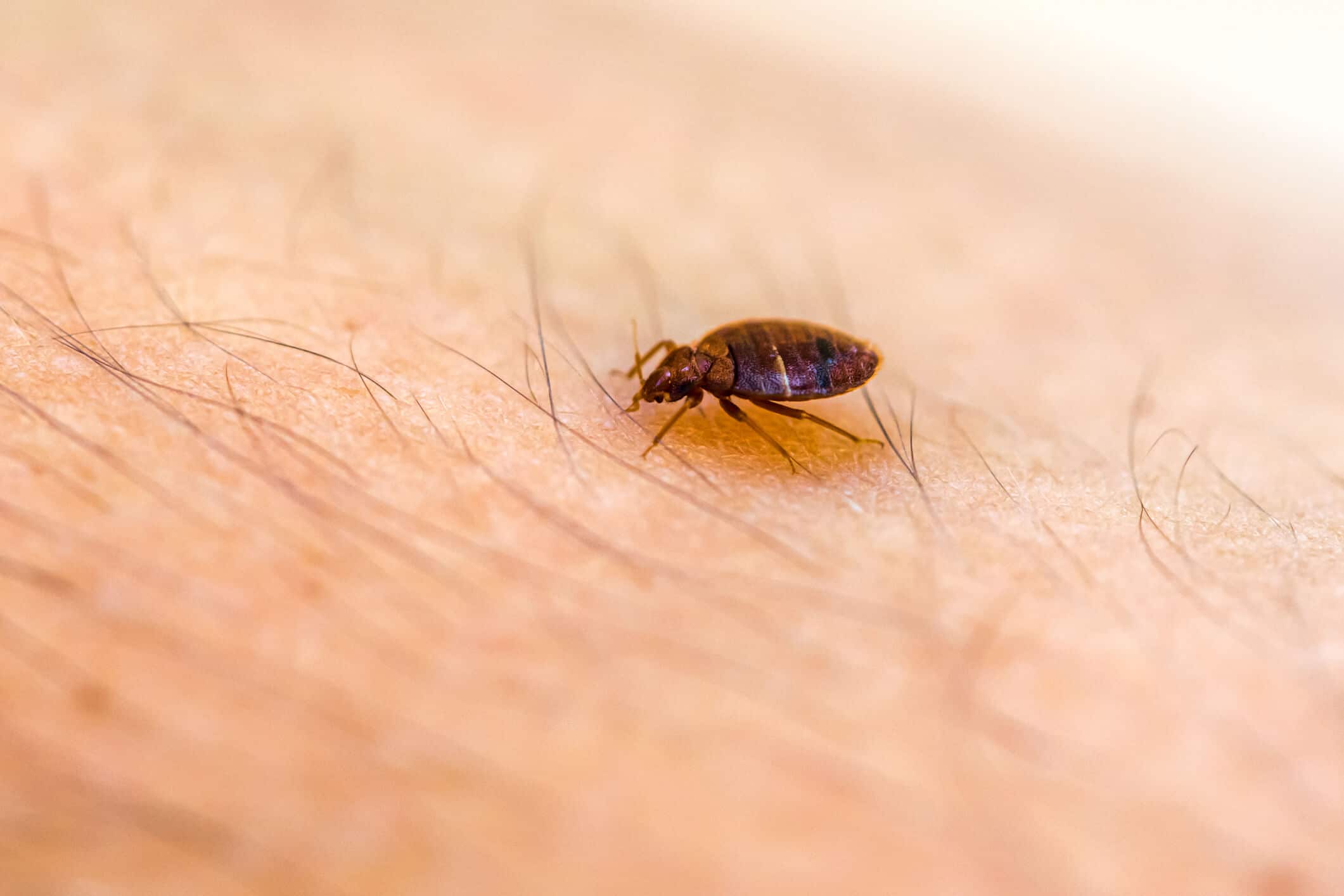
Credit: www.brodybrotherspestcontrol.com

Credit: moxieservices.com
Frequently Asked Questions
Can Bed Bugs Live In Clothes For Long Periods?
Yes, bed bugs can survive in clothes for several days to weeks. They hide in fabric folds and seams, feeding when a host is nearby. Proper washing and drying at high heat can effectively kill them.
How Do Bed Bugs Spread Through Clothing?
Bed bugs spread by hitching rides on infested clothes. They cling to fabric fibers and move when clothes are transported. This is why inspecting and laundering clothes after travel is crucial to prevent infestations.
Can Washing Clothes Kill Bed Bugs Completely?
Washing clothes in hot water and drying on high heat kills bed bugs. Cold water alone is ineffective. Heat treatment ensures bugs and eggs are destroyed, preventing further spread.
Do Bed Bugs Prefer Certain Clothing Materials?
Bed bugs do not prefer specific clothing materials. They can infest cotton, wool, polyester, and more. They seek shelter in any fabric offering tight spaces, so all clothing types are at risk.
Conclusion
Bed bugs can survive on clothes for several days without food. They hide well in seams and folds, making detection hard. Washing clothes in hot water kills most bed bugs quickly. Drying on high heat also helps remove them completely.
Always check clothes after staying in infested places. Treating your clothes properly prevents bed bugs from spreading. Stay careful and keep your clothes clean to avoid these pests. Small actions can stop a big problem. Protect your home and peace of mind.


