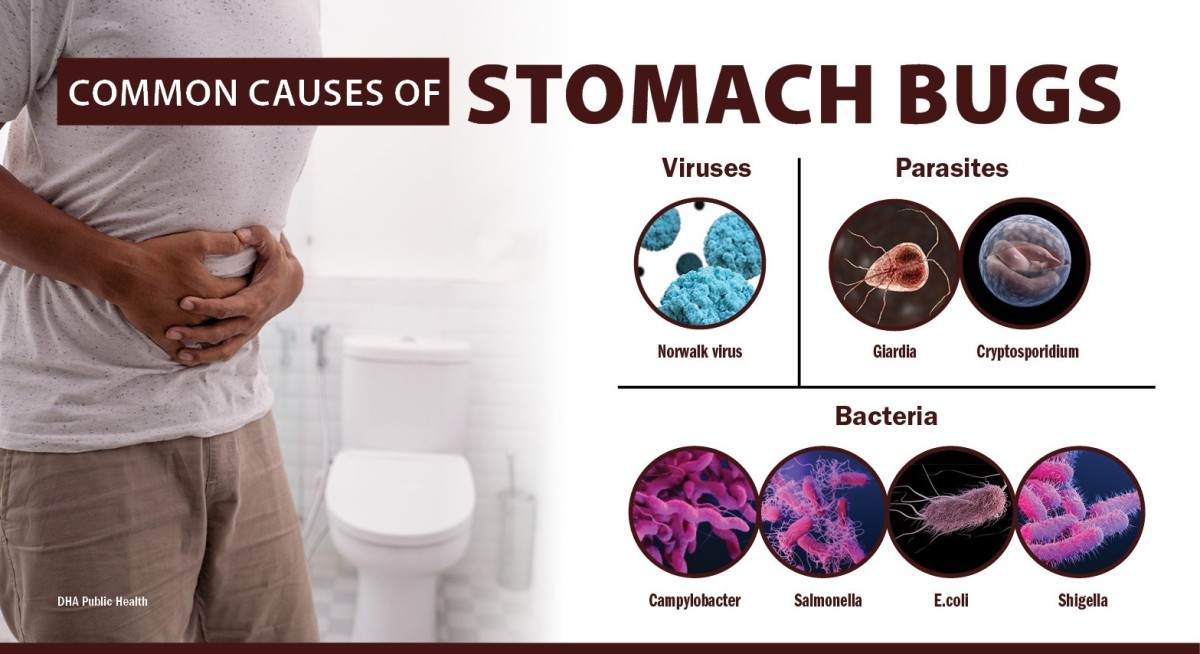
Have you ever wondered how long viruses can live on your clothes? Understanding this can help you protect yourself and your loved ones better.
Your clothing is something you wear every day, and it can hold onto germs longer than you might think. Knowing how long viruses survive on fabric can change the way you handle your laundry and daily routines. Keep reading to discover simple facts that could keep you safer and healthier every day.
Survival Duration Of Viruses On Fabrics
Understanding how long viruses can survive on fabrics helps you take better precautions with your clothing and household textiles. Different viruses behave differently, and the type of fabric also plays a role. Knowing these details can guide you in handling laundry safely and reducing the risk of contamination.
Factors Affecting Virus Survival On Fabrics
Viruses don’t survive the same amount of time on all fabrics. Smooth, non-porous surfaces tend to hold viruses longer compared to porous materials like cotton. Moisture, temperature, and fabric weave also influence how long a virus remains active.
For instance, viruses generally last longer on synthetic fibers than on natural ones. Have you noticed how some clothes feel cooler or drier? These characteristics can speed up virus inactivation.
Typical Survival Times For Common Viruses
| Virus Type | Fabric Type | Survival Duration |
|---|---|---|
| Influenza | Cotton | Up to 8-12 hours |
| Coronavirus (SARS-CoV-2) | Polyester | Up to 2-3 days |
| Rhinovirus (Common cold) | Wool | Less than 24 hours |
| Norovirus | Blended fabrics | Up to 12 hours |
How Fabric Care Influences Virus Longevity
Washing clothes with detergent and hot water significantly reduces virus survival. Drying at high temperatures also helps kill viruses trapped in fabric fibers. But air drying in sunlight can be surprisingly effective due to UV exposure.
Have you ever hung your laundry outside on a sunny day and felt safer about germs? That’s because sunlight naturally disinfects fabrics without harsh chemicals.
What You Can Do To Minimize Risk
- Wash clothes promptly after potential exposure, using hot water when safe for the fabric.
- Use a dryer on a high heat setting to reduce virus survival.
- Consider sunlight exposure for items that can be air-dried outdoors.
- Avoid shaking dirty laundry to prevent virus particles from spreading into the air.
- Store clean clothes in dry, clean areas to prevent contamination.
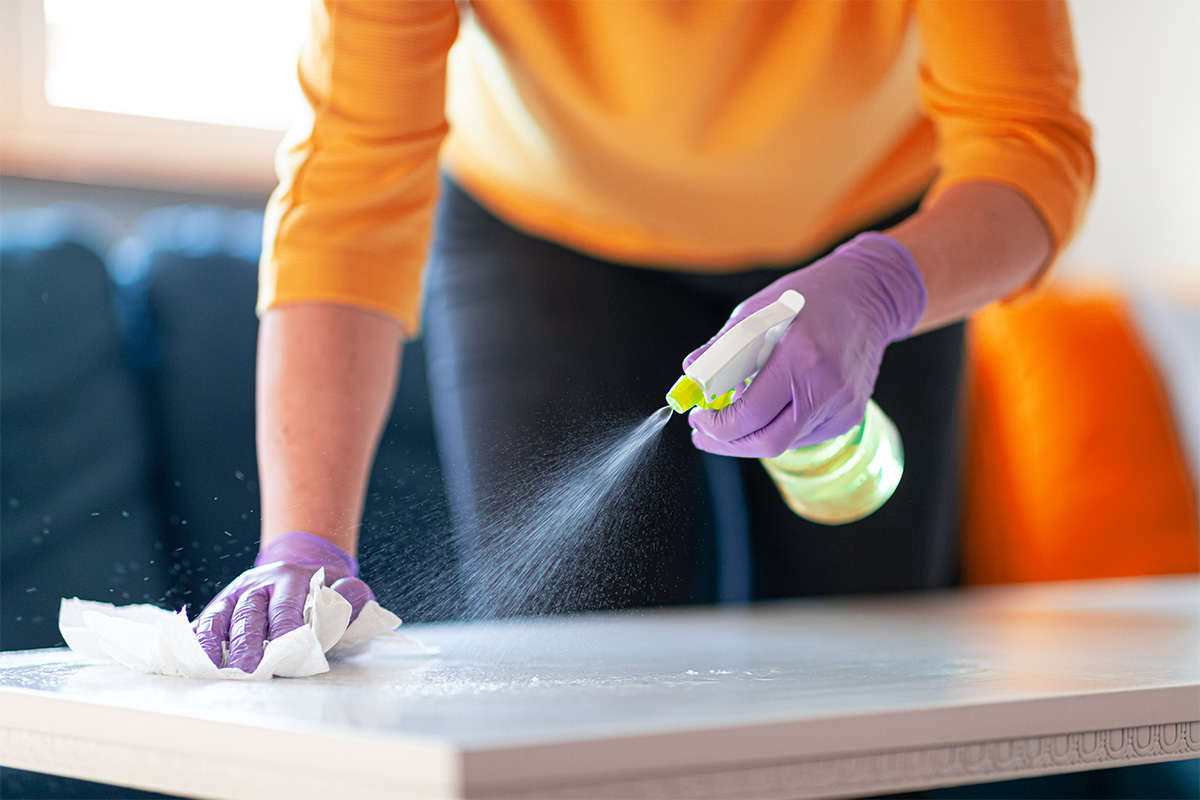
Are you paying enough attention to how you handle your clothing after being in public spaces? Small changes in your laundry routine can lower your chance of bringing viruses into your home.
Credit: www.optum.com
Factors Influencing Virus Longevity
Viruses do not survive the same amount of time on all clothing types. Various factors affect how long viruses remain active on fabric surfaces. Understanding these elements helps in reducing infection risks and improving hygiene practices.
Virus longevity on clothing depends on fabric type, environmental conditions, and the virus strain itself. Each factor plays a unique role in the virus’s survival time.
Type Of Fabric
Different fabrics absorb moisture and trap viruses differently. Natural fibers like cotton tend to hold moisture, which may reduce virus survival time. Synthetic fabrics such as polyester often repel water, allowing viruses to last longer on the surface. The texture also matters; rough surfaces can trap viruses, while smooth ones may allow them to dry out faster.
Environmental Conditions
Temperature and humidity greatly influence virus survival on clothing. High temperatures can kill viruses faster, while cooler environments help them last longer. Dry air tends to reduce virus lifespan, but moist conditions support their survival. Sunlight exposure, especially UV rays, can also inactivate viruses quickly.
Virus Strain
Different viruses have varying stability outside the human body. Some, like influenza viruses, survive only a few hours on fabric. Others, such as coronaviruses, may last longer under favorable conditions. The virus’s outer structure affects how resistant it is to drying and environmental factors.
Comparison With Other Surfaces
Understanding how long viruses survive on different surfaces helps you make smarter choices about cleaning and safety. Clothing, being a soft surface, behaves differently compared to hard surfaces like doorknobs or countertops. Let’s look at how these differences affect virus survival and what that means for your daily habits.
Hard Surfaces Vs. Soft Surfaces
Viruses tend to survive longer on hard surfaces. Materials like metal, glass, and plastic provide a stable environment where viruses can remain active for hours or even days.
Soft surfaces, such as clothing, absorb moisture and trap viruses in fibers. This often causes viruses to die off more quickly because the environment is less favorable for their survival.
Have you ever noticed how quickly your hands feel clean after touching a cloth compared to a metal railing? This is a practical example of how surface type influences virus longevity.
Porous Vs. Non-porous Materials
Porous materials, including fabrics and paper, have tiny holes that absorb liquids and dry out viruses faster. This absorption limits the time viruses stay infectious.
Non-porous materials do not absorb moisture, allowing viruses to survive longer on their surfaces. Think about a plastic phone case versus a cotton shirt—viruses usually last longer on the plastic.
Knowing this, you might consider washing your clothes regularly but also disinfecting hard surfaces more frequently to reduce your risk.

Credit: www.mdpi.com
Common Viruses And Their Survival Rates
Viruses can linger on clothing for varying amounts of time, depending on the type of virus and the fabric involved. Understanding how long common viruses survive on your clothes can help you take smarter precautions. This knowledge is especially useful when deciding how often to wash your garments or whether to isolate certain items after exposure.
Cold And Flu Viruses
Cold and flu viruses typically survive on clothing for about 8 to 12 hours, but this depends on the material. Smooth fabrics like polyester tend to hold viruses longer than porous ones like cotton. If you’ve ever caught a cold after wearing a shirt that someone else tried on, it’s likely due to these lingering germs.
Washing clothes in warm water with detergent usually kills these viruses quickly. However, if you’re in close contact with someone sick, consider changing and washing your clothes daily to minimize risks.
Covid-19
COVID-19 can survive on clothes for anywhere from a few hours up to two days. The exact time varies with fabric type and environmental conditions like humidity and temperature. For instance, virus particles may last longer on synthetic fibers compared to natural ones.
Experts recommend washing clothes worn outside or in public places promptly. Adding a hot water cycle and using detergent helps reduce any potential virus presence on your garments.
Norovirus
Norovirus is notorious for its resilience, surviving on clothing for up to 12 days under the right conditions. This virus causes stomach illness and spreads easily, so contaminated fabrics pose a real threat. Think about items like towels or kitchen cloths—these need extra care.
Washing with hot water above 60°C (140°F) and using bleach if fabric allows is key to killing norovirus. Don’t just rely on quick rinses; thorough washing is necessary to protect yourself and others.
Reducing Virus Survival On Clothing
Reducing the survival of viruses on your clothing is key to keeping yourself and those around you safer. Viruses can stick around on fabric longer than you might expect, but simple habits can make a big difference. Let’s look at practical steps you can take to minimize virus presence on your clothes.
Effective Washing Techniques
Washing your clothes properly is the first line of defense. Use the warmest water safe for the fabric to help break down and remove viruses. Adding detergent is essential—its molecules disrupt the virus’s outer layer, making it inactive.
Try to avoid overloading the washing machine. Clothes need room to move so the detergent and water can reach all surfaces. Also, drying your clothes completely, preferably in a dryer on a high heat setting, can further reduce virus survival.
Use Of Disinfectants
Disinfectants can add an extra layer of protection for your clothing, especially if you’ve been exposed to high-risk environments. Look for laundry sanitizers or disinfectant additives labeled as safe for fabrics. These products are designed to kill viruses without damaging your clothes.
Be cautious with bleach—it’s effective but can weaken some fabrics and cause colors to fade. If you use bleach, follow the instructions carefully and test it on a small area first. For delicate items, consider spraying a fabric-safe disinfectant after washing.
Storage And Handling Tips
How you handle your clothes after washing matters. Avoid piling up dirty clothes in a corner; instead, store them in a breathable laundry basket to prevent moisture buildup. Moist environments can help viruses survive longer.
When putting away clean clothes, make sure your hands are clean. You don’t want to transfer viruses back onto freshly cleaned fabrics. Also, consider changing clothes immediately after coming home from crowded places to reduce the risk of bringing viruses indoors.
Scientific Studies And Findings
Understanding how long viruses survive on clothing is key to managing your daily hygiene and safety. Scientific studies offer valuable insights into this topic, revealing how different fabrics and conditions affect virus longevity. Let’s look at what recent research and expert opinions say about virus survival on textiles.
Recent Research Insights
Studies show that viruses can survive on clothing for hours to days, depending on the fabric type and environmental conditions. For example, a study published in the Journal of Hospital Infectionfound that certain coronaviruses remain infectious on cotton for up to 24 hours, but can last longer on synthetic materials like polyester.
Temperature and humidity also play a big role. Viruses tend to survive longer in cooler, less humid environments. This means your winter clothes might harbor viruses longer than your summer wardrobe.
One surprising finding is that porous fabrics like cotton tend to trap viruses more but may also cause them to lose infectivity faster compared to smooth, non-porous surfaces. This challenges the assumption that all fabrics pose the same risk.
Expert Opinions
Experts recommend washing clothes regularly with detergent, especially if you’ve been in crowded places. Detergents break down the virus’s protective layer, rendering it inactive.
Dr. Emily Tran, an infectious disease specialist, notes, “While viruses can survive on fabric, the risk of transmission through clothing is generally lower compared to hard surfaces.” This suggests you don’t need to panic about every piece of clothing, but staying vigilant with hygiene is important.
Experts also emphasize the importance of drying clothes thoroughly. Sunlight and heat help kill viruses, so air drying outside or using a dryer on high heat reduces risk.
Have you ever thought about how your daily laundry routine could affect your virus exposure? Small changes like washing clothes after outings or using hot water can make a significant difference in keeping you and your family safe.
Myths And Misconceptions
Viruses on clothing cause many worries and confusion. Myths spread fast and cause false fears. Understanding facts helps protect health and reduce anxiety. Clearing up wrong ideas about virus survival on clothes matters.
Common Myths
- Viruses live on fabric for days, causing constant risk.
- Washing clothes is not enough to kill viruses.
- Drying clothes outside does not remove viruses.
- Touching clothes always leads to infection.
- Only new clothes are safe from viruses.
Fact-checking Claims
Viruses survive shorter on fabric than on hard surfaces. Most last only a few hours on clothing.
Washing with regular detergent removes and kills viruses well. Hot water and soap break virus shells effectively.
Sunlight and air help dry clothes and reduce virus presence. UV light damages virus structure.
Touching virus on clothes is less risky than touching face. Viruses need a way inside the body to infect.
New or old fabric does not change virus survival times. Clean habits matter more than fabric age.
Credit: www.mdpi.com
Frequently Asked Questions
How Long Can Viruses Live On Clothing Surfaces?
Viruses can survive on clothing from a few hours up to several days. Survival depends on virus type, fabric material, and environmental conditions like humidity and temperature.
Does Fabric Type Affect Virus Survival Time?
Yes, fabric type impacts virus survival. Smooth, non-porous fabrics usually harbor viruses longer than porous materials, which absorb and trap viral particles, reducing their lifespan.
Can Washing Clothes Remove Viruses Completely?
Proper washing with detergent and hot water effectively removes and kills most viruses on clothing. Drying clothes thoroughly further reduces viral presence and risk of infection.
Is It Safe To Handle Clothes From Infected Individuals?
Handling clothes from infected individuals is generally safe if you wash hands afterward and avoid touching your face. Use gloves if concerned and wash clothes promptly.
Conclusion
Viruses can survive on clothes for a few hours to days. This depends on the type of virus and fabric. Washing clothes regularly helps remove viruses effectively. Drying clothes in sunlight can also reduce virus survival. Always handle dirty clothes carefully to avoid spreading germs.
Staying aware of these facts keeps you safer. Clean clothes mean cleaner, healthier living spaces. Simple habits protect you and those around you. Remember, good hygiene is your best defense.


