Can humans really survive when the temperature hits a scorching 110 degrees? You might think that kind of heat is unbearable, even dangerous.
But what if you had to face it every day? Your body reacts differently to extreme heat, and knowing how to protect yourself can make all the difference. You’ll discover how your body handles intense heat, what risks you face, and the smart steps you can take to stay safe.
Keep reading—your health could depend on it.
Credit: www.goodrx.com
Human Body Temperature Limits
Your body temperature plays a crucial role in your ability to survive extreme heat. It usually stays around 98.6°F (37°C), but when the environment heats up to 110 degrees or more, your body faces a tough challenge. Understanding how much heat your body can handle helps you know what to watch for and how to protect yourself.
How Your Body Regulates Temperature
Your body uses sweating and blood flow to cool down. When the air is very hot, sweat evaporates from your skin, which helps lower your temperature. But if the air is humid or extremely hot, sweat doesn’t evaporate well, making it harder for your body to cool off.
What Happens When Body Temperature Rises Too High
If your core temperature goes above 104°F (40°C), heatstroke can happen. This is a dangerous condition where your organs start to fail. You might feel dizzy, confused, or even lose consciousness, which means you need immediate help.
Limits Of Human Heat Tolerance
Scientists say your body can only handle so much heat before it breaks down. Sustained exposure to 110°F (43°C) without proper hydration and shade can be deadly. Have you ever felt completely drained after just a short time in intense heat? That’s your body telling you it’s reaching its limit.
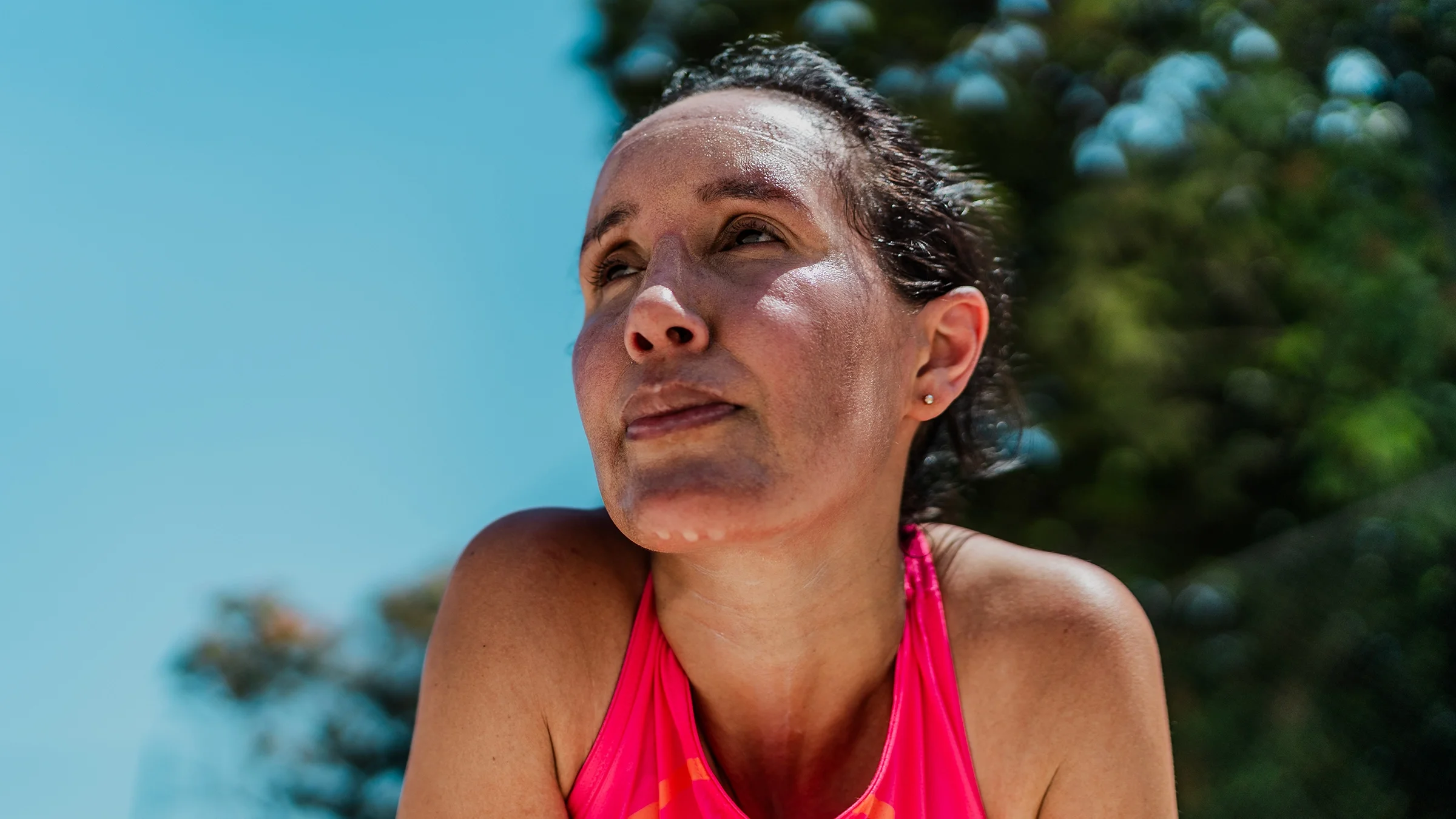
Signs Your Body Is Overheating
- Heavy sweating or, oddly, no sweating at all
- Rapid heartbeat or breathing
- Muscle cramps or weakness
- Headache, dizziness, or nausea
Recognizing these signs early can save your life. Don’t ignore even mild symptoms—they signal your body is under stress.
Credit: www.tag24.com
Impact Of Extreme Heat On Health
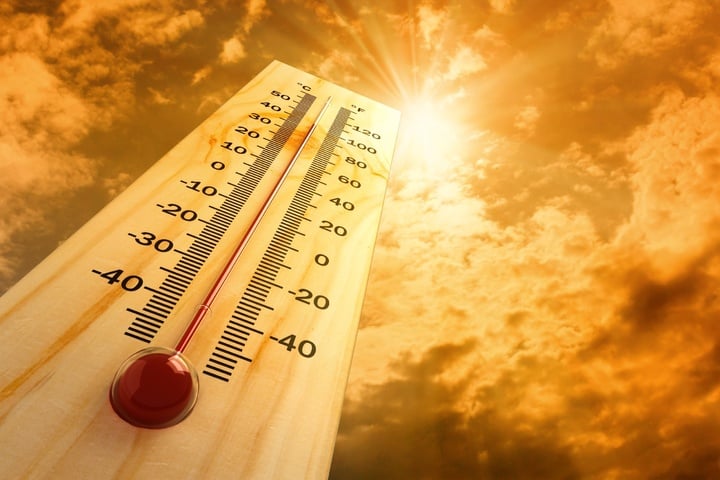
Extreme heat, especially temperatures reaching 110 degrees, has a strong effect on the human body. The body works hard to keep cool, but very high heat can cause serious health problems. Understanding these effects helps people stay safe during heatwaves.
Heat strains the heart and other organs. Sweating causes loss of water and salt, which the body needs. Without enough fluids, dehydration happens quickly. Heat impacts both physical and mental health, increasing risks of illness and injury.
Heat Exhaustion Symptoms
- Heavy sweating
- Weakness or tiredness
- Cold, pale, and clammy skin
- Dizziness or fainting
- Nausea or vomiting
- Headache
- Muscle cramps
Heat exhaustion signals the body is struggling to cool down. Immediate rest and hydration are necessary to avoid worsening conditions.
Heat Stroke Risks
- High body temperature above 103°F (39.4°C)
- Hot, red, dry skin or heavy sweating
- Rapid pulse
- Confusion or unconsciousness
- Seizures
Heat stroke is a medical emergency. It can cause brain damage or death. Immediate medical help is critical to save lives.
Long-term Health Effects
Repeated exposure to extreme heat can worsen chronic diseases. It raises risks for heart, kidney, and lung problems.
Heat stress may affect mental health, causing anxiety or depression. Vulnerable groups like children and the elderly face higher risks. Preparing and protecting oneself from heat is essential for long-term health.
Adaptation Mechanisms
Surviving 110 degree weather demands more than just grit; your body and habits must adapt quickly and effectively. Adaptation mechanisms help you handle extreme heat by regulating your internal temperature and changing your daily routines. Understanding these can make a huge difference in how you cope with scorching conditions.
Sweating And Cooling
Your body’s first line of defense against heat is sweating. When sweat evaporates from your skin, it cools you down naturally. However, in extreme heat, sweating alone might not be enough, especially if humidity is high and evaporation slows.
Drinking plenty of water is vital because sweating causes you to lose fluids and salts. Ever noticed how athletes drink electrolyte drinks during intense heat? That’s to replace those essential salts and prevent cramps or heat exhaustion.
Behavioral Adjustments
Adapting your behavior can protect you from heat-related illnesses. You might find yourself avoiding outdoor activities during midday when the sun is strongest. Instead, early mornings and late evenings become the best times for work or exercise.
Wearing loose, light-colored clothing helps reflect sunlight rather than absorb it. You might also use fans, seek shade, or take frequent breaks indoors. Have you ever tried cooling your wrists or neck with cold water? It’s a simple trick that can quickly lower your body temperature.
Cultural Adaptations
Cultures living in hot climates have developed unique ways to beat the heat. In some parts of the Middle East, people take afternoon naps, called siestas, to avoid working during the hottest hours. Traditional architecture often includes thick walls and small windows to keep homes cool.
Food habits also shift. Eating lighter meals and drinking cool beverages are common practices. You might notice how some communities use natural materials like clay pots to keep water cool without refrigeration. What small cultural practice could you adopt to make extreme heat more manageable in your life?
Global Warming And Heatwaves
Global warming has caused Earth’s temperature to rise steadily. This rise leads to more frequent and intense heatwaves. Heatwaves are periods of extremely high temperatures, which can be dangerous for humans.
Rising Global Temperatures
Average temperatures worldwide have increased by about 1.2 degrees Celsius since pre-industrial times. This rise is mainly due to human activities like burning fossil fuels. Higher temperatures affect weather patterns and increase the chance of extreme heat days.
Frequency Of Heatwaves
Heatwaves now happen more often and last longer than before. Areas that rarely experienced extreme heat now face 110-degree days. This trend puts pressure on communities and health systems to manage heat-related risks.
Impact On Human Habitats
Extreme heat affects homes, workplaces, and public spaces. Many buildings are not designed to handle such high temperatures. Heatwaves can cause power outages, reducing air conditioning availability. Vulnerable groups like the elderly and children face higher health risks during heatwaves.
Preventive Measures
Surviving in 110-degree weather demands more than just willpower; it requires smart preventive actions. Your body faces extreme stress, so taking the right steps can make all the difference between comfort and danger. Here’s how you can stay safe and keep your cool when the heat soars.
Hydration Importance
Water is your best defense against extreme heat. Drinking plenty of fluids prevents dehydration, which can lead to dizziness, confusion, or worse. Don’t wait until you feel thirsty—drink regularly throughout the day.
Sports drinks can help replace lost electrolytes, but be careful with sugary drinks—they might do more harm than good. Keep a reusable water bottle handy, and set reminders if you tend to forget to drink. Have you noticed how much easier it is to think clearly when you’re well-hydrated?
Protective Clothing
Choosing the right clothes can drastically reduce your risk of heat-related illnesses. Light-colored, loose-fitting clothes allow your skin to breathe and reflect sunlight. Avoid dark colors that absorb heat and tight clothes that trap it.
Wide-brimmed hats and UV-blocking sunglasses protect your face and eyes. Some fabrics even offer built-in sun protection—perfect for those who spend hours outside. How often do you check your wardrobe for heat-friendly options before heading out?
Cooling Techniques
Simple cooling methods can lower your body temperature quickly. Applying a damp cloth to your neck or wrists provides immediate relief. Taking cool showers or baths helps reset your internal thermostat.
Fans are useful, but they work best when combined with water misting. If you can, spend time in air-conditioned spaces during peak heat hours. Even placing a bowl of ice in front of a fan can create a refreshing breeze. What cooling tricks have you found surprisingly effective on scorching days?

Credit: www.washingtonpost.com
Technological Solutions
Surviving extreme heat like 110-degree weather requires smart technological solutions. These tools help people stay cool and safe. Technology reduces heat risks and improves comfort in harsh climates.
Air Conditioning Advancements
Modern air conditioners use less energy but cool more effectively. New systems adapt to outdoor temperatures to save power. Some units recycle indoor air to keep homes fresh. Portable and smart ACs offer cooling anytime and anywhere. These improvements make cooling affordable and eco-friendly.
Urban Planning Innovations
Cities are changing to fight heat. Designers add more green spaces and trees for shade. Light-colored roads and roofs reflect sunlight, lowering temperatures. Water features like fountains cool surrounding air naturally. Urban layouts promote airflow, reducing heat buildup in streets.
Wearable Cooling Devices
Wearable tech helps people stay cool outdoors. Cooling vests and neckbands use special materials or fans. These devices lower body temperature quickly and comfortably. Some wearables connect to apps to monitor heat stress. Portable cooling gear supports workers and athletes in extreme heat.
Future Challenges And Research
Facing 110-degree weather is more than just a test of endurance; it challenges how we live, work, and plan for the future. Research today aims to understand these extreme conditions better and find ways to protect us. The road ahead requires smart predictions, strong communities, and clever technology to keep you safe and comfortable.
Predicting Climate Changes
Accurate climate predictions help you prepare for extreme heat before it arrives. Scientists use advanced models to forecast not just temperatures, but also heatwaves’ frequency and intensity.
Imagine knowing weeks ahead when a 110-degree day is coming. This lets you plan your activities, safeguard your home, and avoid dangerous exposure. Can your local weather alerts become more precise to save lives?
Developing Resilient Communities
Communities that adapt to intense heat can reduce health risks and maintain daily life. This means better urban planning, like planting more shade trees and designing buildings that stay cool naturally.
Think about neighborhoods with cooling centers where anyone can escape the heat. Building these networks now helps everyone, especially children and the elderly, survive brutal summers. How can your community come together to beat the heat?
Innovations In Heat Management
Technology offers fresh ways to manage extreme heat and keep you comfortable. New materials for clothing and construction can reflect heat and improve airflow.
Wearable cooling devices and smart home systems that adjust temperature automatically are becoming more common. What personal heat solutions could you adopt to stay safe during record-breaking heat?
Frequently Asked Questions
Can Humans Survive 110 Degree Weather Safely?
Yes, humans can survive 110°F with proper hydration, shade, and limited sun exposure. Heatstroke and dehydration risks increase without precautions.
What Are The Health Risks Of 110 Degree Heat?
Extreme heat can cause heat exhaustion, heatstroke, dehydration, and kidney problems. Vulnerable groups like children and elderly face higher risks.
How To Stay Cool In 110 Degree Weather?
Drink plenty of water, wear light clothing, avoid strenuous activities, and stay in air-conditioned spaces. Use fans and cooling towels to reduce heat.
Does 110 Degree Heat Cause Permanent Damage?
Prolonged exposure to 110°F can cause heatstroke, leading to organ damage or death. Immediate cooling and medical help prevent permanent harm.
Conclusion
Surviving 110-degree weather is tough but possible with care. Staying hydrated and avoiding direct sun helps a lot. Wearing light clothes keeps your body cool. Resting in shade or air-conditioned places protects from heat. Heat can harm your health quickly, so watch for signs.
People who prepare well can handle extreme heat better. Always respect the power of hot weather. Simple actions make a big difference in staying safe.


