Imagine being out in the wild, needing to catch your next meal with nothing but what’s in your backpack. Having a survival fishing kit ready can make all the difference between hunger and a satisfying catch.
You don’t have to be an expert angler to build one either. In this guide, you’ll learn exactly what tools and tricks you need to create a fishing kit that fits in your pack and works when it matters most.
Keep reading, and you’ll gain the confidence to fish your way through any survival situation.

Credit: grimworkshop.com
Choosing The Right Container
Choosing the right container is key to building a reliable survival fishing kit. The container protects your tools and keeps them organized. It must be easy to carry and strong enough to handle tough conditions. A good container ensures your fishing gear stays safe and ready to use anytime.
Portable And Durable Options
Choose containers that are lightweight for easy transport. Small tackle boxes or compact plastic cases work well. They fit easily in backpacks without adding much weight.
Durability is essential. Look for containers made from hard plastic or metal. These materials resist cracks and dents during travel or rough use.
Consider containers with secure latches or locks. They prevent accidental openings and keep items inside safe.
Waterproof Selections
Waterproof containers protect your gear from rain, splashes, and floods. Sealed boxes with rubber gaskets are ideal choices.
Waterproof containers keep hooks, lines, and bait dry. This prevents rust and spoilage, extending the life of your tools.
Look for containers labeled as “waterproof” or “water-resistant.” Test the seal before packing your kit to ensure no water enters.

Credit: grimworkshop.com
Essential Fishing Gear
Building a survival fishing kit means packing the right gear that can handle different fishing scenarios. Your kit should be versatile yet simple, allowing you to catch fish efficiently without carrying too much weight. Focusing on essential fishing gear ensures you’re ready whether you’re by a river, lake, or the ocean.
Hooks And Lines
Hooks come in many shapes and sizes, but having a variety in your kit is key. Small hooks work well for panfish, while larger, stronger hooks are necessary for bigger catches. Carrying different line strengths gives you flexibility — lighter lines are less visible underwater, but heavier lines prevent breakage on strong fish.
Think about the last time you lost a big fish because your line snapped. That’s exactly why you need spools of fishing line in at least two strengths, like 10 lb and 20 lb test lines. Also, don’t forget to pack some extra hooks; they’re small but easy to lose, especially if you’re fishing in brushy areas.
Sinkers And Weights
Sinkers help your bait reach the right depth, which is crucial when fish are not feeding near the surface. Having a few types — split shot, egg sinkers, or pyramid sinkers — allows you to adjust to different water conditions and currents. For example, in fast-moving water, heavier weights keep your bait in place, while lighter weights work better in calm waters.
Choosing the right sinker can be the difference between catching fish and watching your bait drift away. Keep several sizes in your kit so you can experiment and find what works best in your fishing spot. Do you know the current and depth of your fishing location? This knowledge helps you pick the right weight quickly.
Floats And Bobbers
Floats and bobbers let you see when a fish bites, especially when fishing with live bait. They keep your bait suspended at the right depth and provide a clear visual signal when there’s activity below. Carry different sizes and types, such as round, pencil, or slip bobbers, to handle various fishing styles and water conditions.
Choosing the right float can improve your catch rate significantly. For instance, a pencil bobber is sensitive and ideal for calm waters, while a round bobber stands out better in rougher conditions. Have you tried changing your bobber type mid-fishing to see if it attracts more bites? It’s a simple trick that often pays off.
Additional Tools And Accessories
Building a survival fishing kit requires more than just hooks and bait. Including extra tools and accessories can improve your success and safety. These items help with preparation, handling fish, and alerting others in emergencies. Choose tools that are compact and durable for easy carrying.
Multi-tool And Knife
A multi-tool combines several functions in one device. It often includes pliers, scissors, and screwdrivers. A sharp knife is essential for cutting fishing line and cleaning fish. Both tools save space and weight in your kit. Look for stainless steel for strength and rust resistance.
Fishing Line Spooler
A fishing line spooler helps you wind line neatly on your reel. It prevents tangles and knots that waste time and cause frustration. This small tool makes changing lines easier and faster. Choose a lightweight model that fits in your kit without bulk.
Emergency Whistle
An emergency whistle is crucial for signaling help. Its loud sound can carry over long distances. Use it to alert rescuers or other people nearby. Whistles are small and easy to attach to your kit or clothing. Pick one made from durable plastic or metal for reliability.
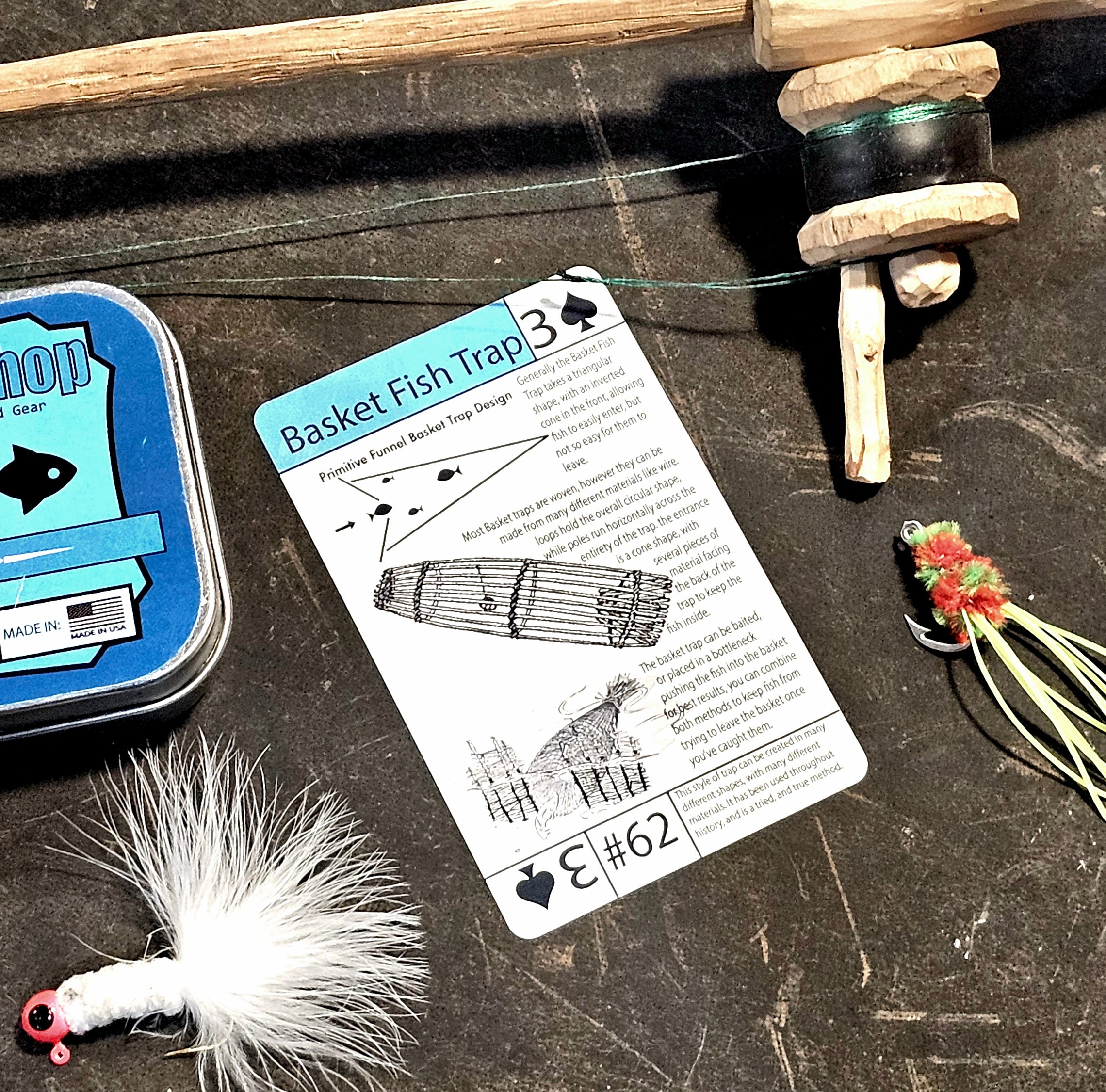
Credit: grimworkshop.com
Bait Selection Strategies
Selecting the right bait is crucial for a survival fishing kit. The bait you choose can make the difference between a successful catch and going home empty-handed. Understanding your options and how to use them effectively helps you adapt to different fishing conditions and fish species.
Natural Bait Options
Natural bait often attracts fish more reliably because it mimics their normal diet. Worms, insects, and small crustaceans are excellent choices you can find in most environments. These baits are easy to gather and usually do not require special storage.
Consider keeping a small container in your kit to store live bait safely. Crickets and grasshoppers work well for freshwater fishing, while shrimp or small pieces of fish are great for saltwater. Have you tried using leftover food scraps? Sometimes fish go for unexpected bait, especially in survival situations.
Artificial Lures And Their Uses
Artificial lures come in many shapes and colors, designed to imitate the movement of prey. They are lightweight and reusable, making them a practical addition to your kit. Knowing which lure to use can depend on the water clarity and the type of fish you are targeting.
Soft plastic worms are versatile for many freshwater species. Spinnerbaits and small jigs create vibrations and flashes that attract fish in murky water. Do you know how to match your lure choice to the environment? Testing different lures can help you figure out what works best on your fishing trips.
Survival Kit Maintenance
Maintaining your survival fishing kit is just as important as assembling it. A kit packed with tools and supplies loses its value if items are damaged or expired. Regular care ensures you’re always ready to catch fish when you need to.
Regular Inspections
Set a schedule to check your kit every few months. Look for rust on hooks, frayed lines, or cracked floats. Even a small issue can cause a big problem when you’re relying on your gear in the wild.
Keep an eye on bait containers or lures for signs of spoilage or deterioration. Test your tools like knives or pliers to ensure they open smoothly and aren’t dull. Ask yourself: would this kit still work perfectly if you had to use it right now?
Replacing Worn-out Items
Replace anything showing wear or damage immediately. Fishing lines weaken over time, so swap out old lines for fresh ones to avoid losing a catch. Hooks that have lost their sharpness need quick replacement to keep your chances high.
Don’t forget to replenish consumables like bait, floaters, or even batteries for electronic fish finders. Keeping a small checklist can help you track what needs replacement after each inspection. How confident are you that your kit won’t fail you on the next trip?
Practical Fishing Techniques
Mastering practical fishing techniques is essential for anyone building a survival fishing kit. Knowing how to properly tie knots and cast your line can make the difference between a successful catch and an empty day by the water. These skills not only save time but also improve your chances of securing food in challenging environments.
Knot Tying Skills
Your fishing line is only as strong as the knots you tie. Learning a few reliable knots ensures your hooks and lures stay attached, even under pressure from a struggling fish.
Start with the improved clinch knot—it’s simple and holds well with monofilament line. Another great knot is the Palomar knot, known for its strength and ease of tying in low light conditions.
Practice these knots until you can tie them quickly without looking. Ask yourself: How often have you lost fish because your knot slipped? Solid knot-tying skills can prevent that frustration.
Casting Techniques
Effective casting puts your bait where the fish are. It’s not just about distance; accuracy matters just as much.
Try the overhead cast for longer distances, but don’t overlook the sidearm cast, which can be quieter and more precise in tight spots. Practicing both helps you adapt to different fishing environments.
Focus on smooth, controlled movements rather than power. Have you noticed that wild fish often spook at sudden splashes? A gentle cast can keep your bait in the strike zone longer.
Safety And Environmental Considerations
Creating a survival fishing kit is not just about catching fish. It is important to think about safety and the environment. These factors help protect you and nature. Following rules and handling fish properly keeps the water clean and fish healthy. This section covers key points to keep in mind when using your kit.
Handling Fish Safely
Handle fish with care to avoid injury. Use wet hands or a wet cloth to hold fish gently. This protects the fish’s skin and scales. Use a sharp knife for quick, humane cleaning. Always watch your fingers and tools to prevent cuts.
Keep fish cool to stop spoilage. Store them in a clean container with ice or fresh water. Dispose of fish waste properly. Do not leave scraps near water to avoid pollution and unwanted animals.
Respecting Local Regulations
Learn local fishing laws before you start. Rules may limit where, when, and what you can catch. Follow size and catch limits to protect fish populations. Some areas need special permits or licenses.
Respect protected zones and seasonal bans. These rules help fish reproduce and keep ecosystems strong. Avoid fishing in closed areas to support conservation efforts. Check updates regularly as rules can change.
Frequently Asked Questions
What Essential Items Go Into A Survival Fishing Kit?
A survival fishing kit should include hooks, fishing line, sinkers, floats, and a small knife. Adding swivels, lures, and a compact multi-tool enhances versatility. These items enable you to catch fish efficiently in emergency situations.
How Do I Choose The Best Fishing Line For Survival Kits?
Choose a fishing line that is strong, lightweight, and resistant to abrasion. Monofilament lines are versatile and easy to handle. Ensure it is compact enough to fit into your kit without adding bulk.
Can I Make A Survival Fishing Kit With Household Items?
Yes, household items like safety pins, thread, and small wire pieces can substitute for hooks and lines. Creative improvisation is key when supplies are limited. Always test your homemade gear before relying on it.
How Often Should I Update My Survival Fishing Kit?
Update your survival fishing kit every 6 to 12 months. Replace worn or rusty hooks and lines. Regular checks ensure your kit remains functional and reliable during emergencies.
Conclusion
A survival fishing kit helps you catch food in the wild. Keep it small, light, and full of useful tools. Practice using your kit before you need it. Always check and replace old or broken items. Being ready can make a big difference in tough times.
Stay safe and confident with your fishing skills. A good kit supports your survival and peace of mind.