Are you worried that cold weather might ruin your cactus collection? You’re not alone.
Many people think cacti only thrive in hot, dry deserts. But what if you could grow a cactus that stays strong even when the temperature drops? Imagine having a unique, green friend outside your window all year round, no matter how chilly it gets.
You’ll discover which cacti can survive cold weather and how to keep them healthy through frost and snow. Keep reading to find the perfect cactus for your cold climate and learn simple tips to protect it from the cold. Your garden will thank you!

Credit: www.cactocereus.co.uk
Cold-hardy Cactus Essentials
Cold-hardy cacti need special care to survive freezing temperatures. These resilient plants thrive in harsh climates with the right conditions. Understanding their essentials helps keep them healthy through winter months.
Choosing the right cactus is only part of the process. Protecting them from frost and ensuring proper soil and sunlight are key. Knowing these basics makes a big difference in their survival.
Understanding Cold Tolerance Levels
Cold-hardy cacti can withstand temperatures below freezing. Each species has a specific tolerance range. Knowing these limits helps in selecting suitable plants for your area.
- Some cacti survive down to 10°F (-12°C).
- Others tolerate mild frost around 25°F (-4°C).
- Check hardiness zones before planting outdoors.
Soil And Drainage Requirements
Well-draining soil is essential to prevent root rot. Cold weather slows water evaporation, so drainage must be excellent. Sandy or gritty soil works best for these cacti.
- Use cactus-specific potting mix or add sand.
- Avoid heavy or clay soils that hold water.
- Raised beds or containers improve drainage in cold areas.
Sunlight And Location Tips
Cold-hardy cacti need plenty of sunlight to stay strong. A south-facing spot offers the best warmth and light. Protect plants from harsh winds that increase cold stress.
- Place cacti in full sun for at least 6 hours daily.
- Use windbreaks or natural barriers if needed.
- Move potted cacti indoors during extreme cold spells.
Watering Practices In Cold Weather
Water less during winter to avoid frozen roots. Overwatering can cause damage when temperatures drop. Let the soil dry completely between waterings.
- Reduce watering frequency as temperatures fall.
- Water early in the day to allow drying.
- Stop watering if the ground freezes.
Opuntia Varieties
Opuntia varieties are well known for their toughness and ability to survive cold weather. These cacti have adapted to harsh climates and can endure freezing temperatures better than many other types. They have thick pads that store water and protect them from frost damage.
These cacti come in many shapes and sizes, making them popular for gardens in cooler regions. Their resilience makes them ideal for outdoor planting in areas with cold winters. Understanding the differences among Opuntia types helps choose the best cactus for cold climates.
Prickly Pear Cactus
The Prickly Pear Cactus is one of the most cold-hardy Opuntia varieties. It can survive temperatures as low as -10°F (-23°C). This cactus has flat, rounded pads covered with spines and small glochids.
It grows well in rocky, dry soils and tolerates frost well. Prickly Pear produces colorful flowers and edible fruits. The plant’s thick pads store water, helping it survive winter droughts.
Beavertail Cactus
The Beavertail Cactus is another cold-resistant Opuntia species. It can handle temperatures down to 0°F (-18°C). This variety has smooth, paddle-shaped pads without spines, only small hair-like glochids.
It prefers well-drained soil and sunny spots. The Beavertail blooms with bright pink or purple flowers in late spring. Its ability to survive freezing weather makes it a favorite for colder gardens.
Echinocereus Species
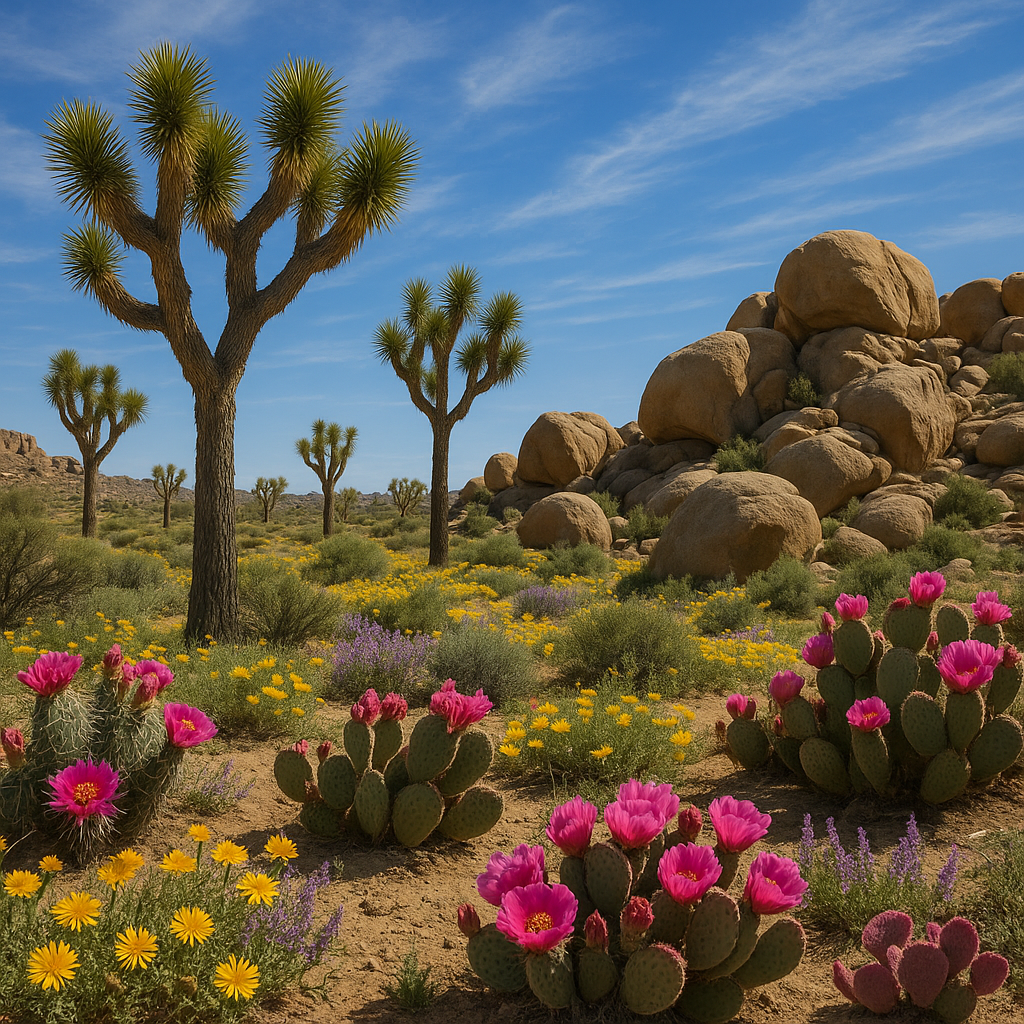
The Echinocereusspecies are a group of cacti known for their resilience and ability to thrive in colder climates. These cacti can withstand temperatures that many other cactus species cannot, making them a great choice if you want to add some spiky green charm to your garden without worrying about frost damage.
What makes Echinocereus stand out is their adaptability. They have evolved to survive in regions where winter temperatures dip below freezing. If you’re looking for a cactus that can handle cold weather, this genus is worth considering.
Hedgehog Cactus
The Hedgehog Cactus is a popular member of the Echinocereus family. It’s named for its dense, spiny appearance that resembles a hedgehog’s quills. This cactus is tough and can survive temperatures as low as 10°F (-12°C), which means it can handle unexpected cold snaps in many regions.
Its flowers are a real highlight, often blooming in vibrant colors like pink, red, or purple. I once planted a Hedgehog Cactus in my backyard, and despite a sudden frost, it not only survived but bloomed beautifully in early spring. This shows how resilient it truly is.
Claret Cup Cactus
The Claret Cup Cactus is another cold-hardy Echinocereus species that stands out for its striking red flowers. It thrives in rocky, well-drained soil and can tolerate temperatures down to around 15°F (-9°C). If you want a cactus that adds both color and toughness to your garden, this one fits perfectly.
One tip for growing Claret Cup Cactus is to ensure it gets plenty of sunlight during the cold months. This helps it stay healthy and maintain its vibrant blooms. Have you ever wondered how certain plants manage to bloom even in harsh conditions? The Claret Cup is a perfect example.
Credit: cactusbylin.com
Cylindropuntia Options
The Cylindropuntia genus offers several cactus species that stand a good chance of surviving cold weather. These cacti are not only hardy but also bring a unique texture and structure to your garden. Understanding their traits can help you decide which one fits your outdoor space best.
Cholla Cactus
The Cholla cactus is well-known for its segmented, cylindrical stems covered in spines. It can tolerate temperatures below freezing, sometimes down to 10°F (-12°C), making it a solid option for colder climates.
One thing I noticed growing Cholla in my backyard is how well it bounces back after frost. The key is ensuring good drainage to prevent root rot during wet, cold spells.
- Grows up to 6 feet tall
- Needs full sun exposure
- Thrives in sandy, well-drained soil
Have you considered how the Cholla’s spiny protection might add a natural barrier to your garden? It can keep pets or wildlife away from certain areas.
Cane Cholla
The Cane Cholla, a taller relative of the Cholla, can survive colder zones and often withstands temperatures down to 5°F (-15°C). Its thick, woody stems help it endure harsh winter conditions.
In my experience, the Cane Cholla is a reliable choice if you want a cactus that adds height without sacrificing cold hardiness. It also produces beautiful, bright flowers that contrast well against snowy backgrounds.
- Can reach up to 10 feet tall
- Prefers dry, rocky soils
- Requires minimal watering during winter
Would you like a cactus that doubles as a winter-proof focal point? The Cane Cholla might be the answer for your garden design.
Pediocactus Varieties
Pediocactus varieties stand out among cold-hardy cacti. They thrive in harsh climates and survive freezing temperatures. Native to North America, these small cacti adapt well to mountain and desert environments. Their ability to endure frost makes them a great choice for gardeners in cold zones.
Mountain Ball Cactus
The Mountain Ball Cactus is compact and round. It grows close to the ground, which helps it resist cold winds. This cactus can survive temperatures below freezing. It stores water efficiently, protecting itself during winter droughts. Its spines shield the cactus from frost damage. This variety blooms small, pink flowers in spring.
Pineapple Cactus
The Pineapple Cactus has a unique, clustered shape. Its thick stems store water to prevent freezing damage. It can tolerate cold weather down to about -20°F (-29°C). This cactus often hides under rocks or shrubs for extra protection. Bright yellow flowers appear in early summer. Pineapple Cactus adapts well to rocky, cold soils.
Growing Tips For Cold Climates
Growing cacti in cold climates takes more than just picking the right species. You need to pay attention to how you prepare the soil, manage watering, and protect your plants from harsh conditions. These steps can make the difference between a thriving cactus and one that struggles through winter.
Soil And Drainage
Good soil and drainage are the foundation of cactus health, especially in cold weather. Use a gritty, well-draining mix with sand, perlite, or pumice to prevent water from pooling around the roots. Wet soil combined with freezing temperatures can rot your cactus quickly.
Have you ever noticed how soggy soil feels heavy and cold? That’s exactly what you want to avoid. Elevate your cactus pots or plant on a slight mound to improve drainage and keep roots dry.
Watering Guidelines
Cold weather means your cactus needs less water, but it still needs some moisture to survive. Water sparingly and only when the soil is completely dry to the touch. Overwatering in cold months can lead to root rot, a common killer of cold-hardy cacti.
Try to water your cactus early in the day. This allows the water to soak in before temperatures drop at night. Remember, your cactus is not dormant just because it’s cold—it’s just in a slower growth phase.
Protective Measures
Protecting your cactus from frost and freezing winds is critical. Use frost cloths, burlap, or even old blankets to cover your plants during cold snaps. For potted cacti, moving them indoors or to a sheltered spot can be a lifesaver.
Have you thought about using natural windbreaks like shrubs or fences around your cactus garden? These can reduce wind chill and help maintain a microclimate that’s a few degrees warmer. Even small adjustments can boost your cactus’s chance to survive winter.
Benefits Of Cold-hardy Cacti
Cold-hardy cacti bring many benefits beyond their ability to survive frost. These plants add unique beauty and support local ecosystems during harsh weather. Their resilience makes them a smart choice for gardeners facing chilly climates. Exploring their advantages helps appreciate why cold-hardy cacti deserve a spot in your garden or landscape.
Aesthetic Appeal
Cold-hardy cacti offer striking shapes and textures. Their spines and blooms create visual interest in winter. They contrast well with snow or bare soil. These plants add color and form to dull landscapes. Many species produce vibrant flowers even in cold months. Their sculptural look fits well in modern and rustic gardens. Unique appearance draws attention and admiration year-round.
Ecological Contributions
These cacti support wildlife during cold seasons. They provide shelter for small animals and insects. Flowers supply nectar for early pollinators. Their presence helps maintain local biodiversity. Cold-hardy cacti conserve water, reducing garden irrigation needs. They improve soil health by preventing erosion. Growing native or adapted cacti benefits natural habitats. These plants help create balanced, sustainable outdoor spaces.

Credit: succulentsbox.com
Frequently Asked Questions
Which Cactus Species Tolerate Freezing Temperatures?
The Opuntia, or prickly pear cactus, tolerates freezing temperatures well. It can survive down to -20°F with proper care and protection during harsh winters.
How Do Cold-hardy Cacti Survive Winter Frost?
Cold-hardy cacti survive frost by entering dormancy. They reduce water content and metabolic activity, protecting cells from ice damage during cold spells.
Can Desert Cacti Grow In Snowy Climates?
Some desert cacti, like Opuntia and Echinocereus, can grow in snowy climates. They require well-drained soil and occasional winter protection to thrive in cold areas.
What Care Tips Help Cacti Survive Cold Weather?
Provide well-drained soil and avoid overwatering in winter. Place cacti where they get sunlight and protect them from prolonged frost and moisture.
Conclusion
Cold-hardy cacti bring beauty even in chilly weather. They need less water and care in winter. Choosing the right cactus helps your garden thrive. Some types, like Opuntia and Echinocereus, handle frost well. Planting these can add green life year-round.
Protect young plants from extreme cold for best results. Enjoy growing cacti that survive cold with ease. Your garden will stay lively through the seasons. Simple care makes cold-weather cacti a great choice. Try growing these tough plants and see the difference.


