Have you ever wondered if a yeast infection can survive on your clothes? It’s a question many people don’t think about but should.
Understanding this can help you protect yourself and avoid the discomfort of recurring infections. If you want to know how long yeast can live on fabric and what steps you should take to keep your clothes safe, keep reading. This simple knowledge could make a big difference in your health and comfort.

Credit: happyv.com
Yeast Infection Basics
Understanding yeast infections helps in knowing how they spread and survive. These infections happen due to an imbalance in the body’s natural fungi. Knowing the basics is key to managing and preventing them effectively.
What Is A Yeast Infection?
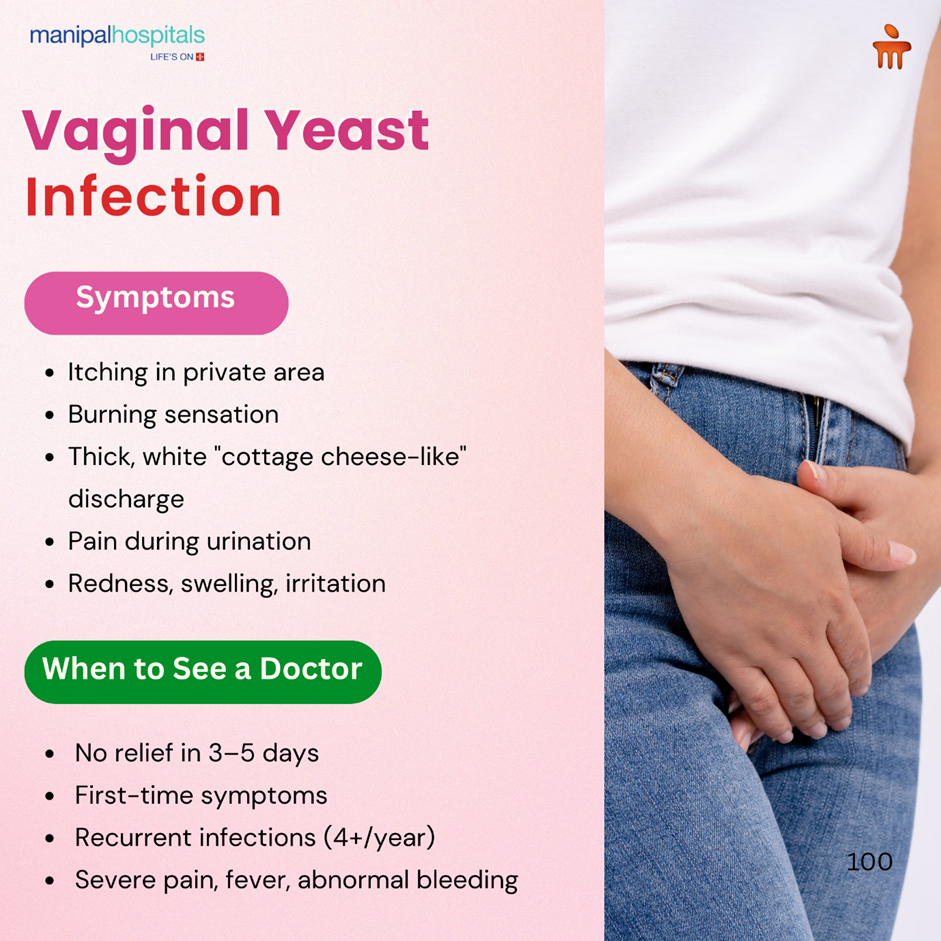
A yeast infection is a fungal infection caused by Candida. Candida is a type of fungus naturally found in the body. It grows out of control when the balance of bacteria and fungi changes. This overgrowth causes itching, redness, and discomfort.
Common Causes And Symptoms
- Antibiotics that kill good bacteria
- Weakened immune system
- High sugar diet
- Warm and moist environments
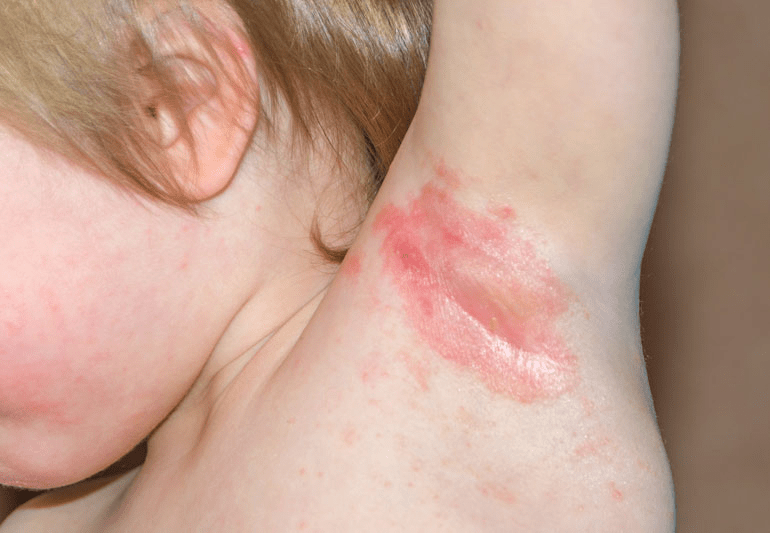
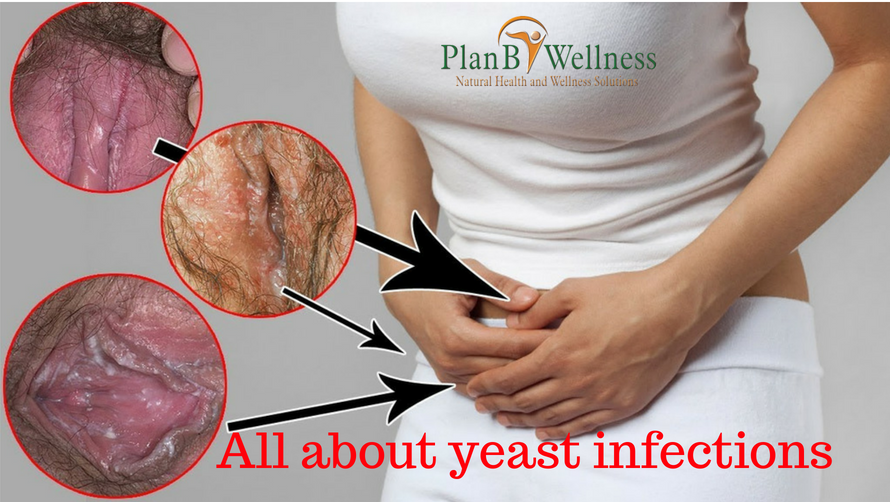
Symptoms include itching, burning, and thick white discharge. Some feel pain during urination or sex. The skin may look red and swollen in infected areas.
Yeast And Fabric Interaction
Understanding how yeast interacts with fabric is key to managing and preventing yeast infections linked to clothing. Yeast can cling to your clothes in ways you might not expect, depending on the fabric type and conditions. This interaction can influence whether the yeast survives and potentially causes irritation or reinfection.
How Yeast Contaminates Clothing
Yeast contaminates clothing primarily through direct contact with skin or bodily fluids. If you wear damp or sweaty clothes for long periods, yeast has a moist environment to thrive in. Even tiny amounts of yeast can stick to fabric fibers, especially if the fabric traps heat and moisture.
Think about times when you’ve worn workout gear without changing immediately afterward. That lingering sweat creates a perfect breeding ground for yeast. Without proper washing, the yeast can remain on your clothes and transfer back to your skin.
Types Of Fabrics And Yeast Survival
Not all fabrics are equal when it comes to yeast survival. Natural fibers like cotton absorb moisture but also allow better air circulation, which can help reduce yeast growth. Synthetic fabrics like polyester often trap heat and moisture, making them a more favorable environment for yeast.
Here’s a quick comparison:
| Fabric Type | Moisture Absorption | Air Circulation | Yeast Survival Risk |
|---|---|---|---|
| Cotton | High | Good | Lower |
| Polyester | Low | Poor | Higher |
| Silk | Moderate | Moderate | Moderate |
| Wool | Moderate | Good | Lower |
Have you ever noticed how some clothes feel clammy after a workout, while others stay dry? Choosing the right fabric can make a big difference in keeping yeast at bay. What type of clothing do you wear most often, and could switching fabrics improve your skin health?
Effectiveness Of Washing Clothes
Washing clothes plays a key role in removing yeast infections from fabrics. Yeast can survive on clothes if not cleaned properly. Understanding the washing process helps ensure effective removal and prevents re-infection. Several factors influence how well washing kills yeast on clothing.
Temperature Impact On Yeast
Heat is a strong enemy of yeast. Washing clothes in hot water kills most yeast cells. Temperatures above 60°C (140°F) offer the best results. Cold or warm water may not fully remove yeast. Use the hottest water safe for the fabric to reduce infection risks.
Detergents And Additives Role
Detergents break down oils and dirt where yeast can hide. Choose detergents with antifungal properties if possible. Adding bleach or vinegar helps kill yeast on clothes. These additives boost cleaning power and reduce yeast survival. Follow care labels to avoid fabric damage.
Washing Machine Cycles And Duration
Longer wash cycles improve yeast removal by exposing clothes to detergent and heat longer. Use cycles designed for heavily soiled clothes. Quick or gentle cycles might leave yeast alive. Ensure the washing machine is clean to prevent spreading yeast to other clothes.
Credit: health.clevelandclinic.org
Preventing Yeast Survival On Clothes
Yeast can survive on clothes if not cleaned properly. Preventing its survival helps avoid reinfections and spread. Proper care of your laundry is important for hygiene and health. Using the right washing and drying techniques stops yeast from growing on fabrics.
Best Washing Practices
- Use hot water, ideally above 60°C (140°F), to kill yeast cells.
- Choose a strong detergent that can break down yeast.
- Wash infected clothes separately from other laundry to avoid cross-contamination.
- Avoid overloading the washing machine to allow thorough cleaning.
- Repeat washing for heavily soiled or infected garments.
Additional Disinfection Methods
- Add white vinegar or baking soda to the wash cycle for extra yeast control.
- Use laundry disinfectants designed to kill fungi and bacteria.
- Soak clothes in a solution of water and antifungal agents before washing.
- Avoid bleach on delicate fabrics; it may damage them.
Drying Techniques To Reduce Yeast
- Dry clothes in direct sunlight; UV rays kill yeast effectively.
- Use a hot dryer setting to eliminate remaining yeast spores.
- Ensure clothes are completely dry before storing to prevent moisture buildup.
- Air drying indoors is less effective unless in a very dry, sunny room.
Risks Of Recontamination
Yeast infections can sometimes survive on clothes. This creates a risk of recontamination. Even after washing, improper care can allow yeast to spread again. Understanding the risks helps prevent repeated infections and keeps clothes safe to wear.
Handling And Storage Of Washed Clothes
Clean clothes must be handled with care to avoid contamination. Always wash your hands before touching them. Store clothes in a clean, dry place free from dampness. Avoid leaving washed items in the laundry basket for too long. Moisture and warmth create a perfect environment for yeast growth.
Use sealed containers or drawers to keep clothes safe. Avoid mixing clean and dirty clothes together. This simple habit reduces the chance of yeast spreading back onto clean fabrics.
Cross-contamination In Laundry Areas
Laundry areas can easily cause cross-contamination. Surfaces like washing machine doors, laundry baskets, and countertops may hold yeast spores. Clean these areas regularly with disinfectant. Avoid placing clean clothes on dirty surfaces.
Wash towels and cloths used to clean laundry areas often. Separate infected clothes from others during washing. Use hot water and good detergents to kill yeast. Dry clothes completely before storing to prevent yeast survival.
Credit: planbwellness.com
Frequently Asked Questions
Can Yeast Infection Survive On Clothes?
Yes, yeast infections can survive on clothes for hours to days. Warm, moist fabrics help yeast thrive, increasing reinfection risk.
How Long Does Yeast Live On Fabric?
Yeast can live on fabric for 1 to 3 days. Proper washing kills the yeast and prevents further spread.
Can Wearing Infected Clothes Cause Yeast Infection?
Wearing infected clothes, especially damp ones, can cause yeast infections. It promotes yeast growth and skin irritation.
How To Prevent Yeast Infection From Clothes?
Wash clothes in hot water and dry thoroughly. Avoid tight, damp clothing to reduce yeast infection risk.
Conclusion
Yeast infections do not live long on clothes. They need warmth and moisture to grow. Dry clothes reduce their chance to survive. Washing clothes well helps remove yeast effectively. Always change and clean underwear regularly. This keeps yeast infections from spreading or returning.
Taking care of hygiene is important. Preventing yeast growth on clothes helps protect your health. Simple steps can stop yeast infections from surviving outside the body. Stay clean and safe every day.

