
Have you ever wondered how long the coronavirus can stay on your clothes? It’s a question many of us have, especially when trying to keep ourselves and our loved ones safe.
Understanding how long the virus survives on fabric can help you make better choices about washing, handling, and wearing your clothes. You’ll discover simple facts that can protect you and reduce your worries. Keep reading to find out what you really need to know about coronavirus and your wardrobe.

Credit: www.youtube.com
Virus Survival On Fabrics
Understanding how long coronavirus can survive on fabrics is key to keeping your clothes and home safe. Virus survival on fabrics varies widely depending on several conditions. Knowing these factors helps you make smarter choices about laundry and handling clothes, especially after being in public places.
Factors Affecting Virus Lifespan
The lifespan of the coronavirus on fabrics depends on temperature, humidity, and the type of fabric itself. Warmer temperatures and higher humidity tend to reduce how long the virus stays active. Conversely, cooler and drier conditions can allow the virus to survive longer.
Think about your own experience: have you noticed some clothes feel fresher longer in hot weather? That’s partly because heat can deactivate viruses. Also, how often you wash your clothes and what detergent you use plays a big role in killing the virus effectively.
Types Of Fabrics And Virus Persistence
Different fabrics hold the virus for different lengths of time. Smooth, non-porous materials like polyester may let the virus survive up to 2-3 days, while porous fabrics like cotton generally allow the virus to die off faster, often within a day.
- Cotton:Virus particles tend to dry out quickly, reducing survival time.
- Polyester and synthetic blends:Virus can survive longer due to less absorption.
- Wool and heavy fabrics:May trap moisture but also can limit virus survival due to natural fibers.
Would you handle your gym clothes differently if you knew virus survival times varied by fabric? This knowledge encourages you to wash certain items more frequently and at higher temperatures. It’s practical to separate synthetic workout gear from everyday cotton shirts when laundering to maximize safety.
Environmental Influences
Environmental factors greatly affect how long coronavirus lives on clothes. These conditions can either shorten or extend the virus’s survival time. Understanding these influences helps reduce risks during daily activities.
Temperature Effects
Temperature plays a key role in virus survival on fabrics. Higher temperatures tend to kill the virus faster. Warm conditions speed up virus breakdown. Cold temperatures allow the virus to live longer. Clothes stored in cool places may hold the virus for days.
Humidity And Virus Survival
Humidity affects how the virus behaves on clothing surfaces. Low humidity can dry out the virus, reducing its lifespan. High humidity creates a moist environment that protects the virus. This moist setting may increase survival time on fabric.
Sunlight Impact
Sunlight helps reduce virus presence on clothes. Ultraviolet (UV) rays damage the virus’s structure. Direct sunlight exposure can inactivate the virus in minutes. Clothes dried outside in sunlight have a lower risk of carrying active virus.
Risks Of Transmission Through Clothes
Clothes can carry the coronavirus, but the risk of catching it this way is lower than through direct contact. The virus survives on fabric for some time, but it does not spread easily from clothes. Understanding how transmission may happen helps reduce unnecessary worry.
Contact And Contamination
The virus can land on clothes from droplets in the air or by touching contaminated surfaces. Touching infected fabric and then touching your face may cause infection. The risk is higher if the fabric is damp or if you touch your mouth, nose, or eyes afterward.
Dry fabrics tend to hold the virus for a shorter time. The virus also loses strength over time on clothes. Frequent washing with soap or detergent removes or kills the virus effectively.
Realistic Exposure Scenarios
- Handling laundry from a sick person without gloves or washing hands afterward
- Wearing contaminated clothes for long periods without washing
- Touching public fabric surfaces like shared gym towels or costumes
- Brushing against someone’s clothing who recently coughed or sneezed
These scenarios show where the virus might transfer from clothes to hands, then to the face. Regular handwashing and avoiding touching your face reduce this risk greatly. Washing clothes regularly and drying them in sunlight or a dryer also lowers the chance of transmission.
Proper Clothing Hygiene
Proper clothing hygiene plays a crucial role in reducing the risk of coronavirus spread. The virus can linger on fabric surfaces for hours or even days. Keeping clothes clean helps remove and kill the virus particles effectively. Simple habits and correct laundry practices protect you and others.
Washing Techniques
Use warm water to wash clothes. Hot water kills more germs and viruses. Separate contaminated clothes from regular laundry. Avoid shaking dirty clothes to prevent spreading germs. Wash hands immediately after handling dirty laundry. Use a full wash cycle to ensure thorough cleaning.
Detergents And Disinfectants
Choose detergents with disinfectant properties. Regular laundry soap removes dirt but may not kill all viruses. Adding a disinfectant safe for fabrics increases protection. Look for products labeled as antiviral or antibacterial. Follow instructions carefully to avoid damaging clothes. Avoid mixing bleach with other chemicals.
Drying Methods
Dry clothes completely after washing. The virus cannot survive long on dry surfaces. Use a hot dryer setting if possible. Sun drying is effective too; sunlight kills many germs. Avoid damp or wet clothes, as moisture helps virus survival. Always store clean clothes in a dry place.
Preventive Measures
Understanding how to protect yourself from the coronavirus on clothes is vital. Clothes can hold the virus for hours or even days, depending on the fabric and environment. Taking simple preventive steps can reduce your risk and keep your home safer.
Handling Clothes Safely
Always handle clothes with clean hands to avoid transferring the virus. When you bring laundry inside, try not to shake clothes, as this can release viral particles into the air.
Wash clothes promptly using the warmest water suitable for the fabric. Adding a disinfectant or bleach (if safe for the material) helps kill the virus effectively.
Storage Tips
Store clean clothes in a dry, well-ventilated area to prevent any lingering virus from surviving. Avoid piling up worn clothes in one place; instead, use separate bins or bags for dirty laundry.
Do you have a habit of leaving clothes in your gym bag or car trunk? This can create a breeding ground for germs. Consider airing out these items regularly to reduce risk.
Protective Gear Use
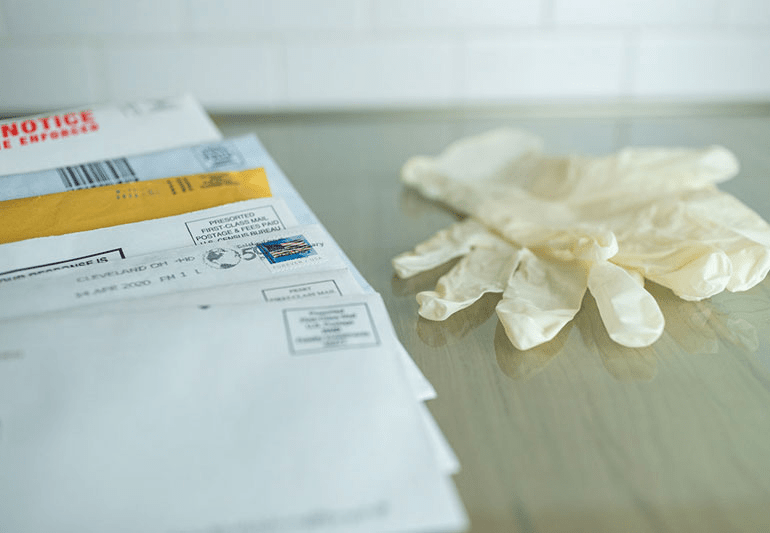
Wearing gloves when handling potentially contaminated clothes can protect your skin from direct contact. If gloves aren’t available, make sure to wash your hands immediately after touching dirty laundry.
Using a mask while sorting or washing clothes helps reduce the chance of breathing in viral particles, especially in shared or crowded laundry areas.
Credit: health.clevelandclinic.org
Myths And Facts
Understanding how long coronavirus can survive on clothes is important, but it’s easy to get confused by myths and facts. Many people worry unnecessarily or take the wrong precautions because of common misconceptions. Let’s clear the air and focus on what science really says about the virus on fabric.
Common Misconceptions
One major myth is that the virus can live on your clothes for days and infect you just by touching them. This idea causes a lot of fear, making people wash clothes excessively or avoid wearing anything outside. Another misconception is that certain fabrics are safer than others, which isn’t strongly supported by evidence.
Have you ever felt the need to quarantine your clothes after a short outing? This is often unnecessary. The virus needs specific conditions to stay active, and fabric is not the best surface for it to survive long.
Scientific Evidence
Studies show that coronavirus survives longer on smooth, hard surfaces compared to porous materials like fabric. On clothes, the virus generally loses its ability to infect within a few hours to a day. Temperature, humidity, and sunlight also play big roles in how long the virus can survive.
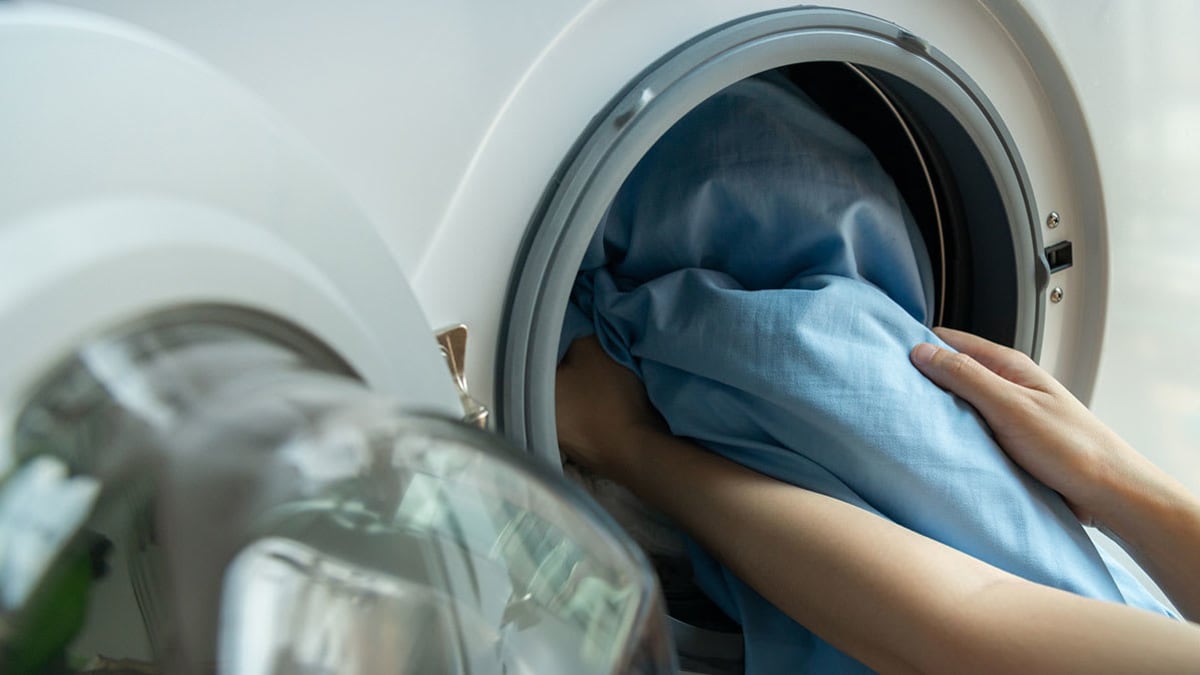
Washing clothes with regular detergent and drying them thoroughly is very effective. The virus breaks down quickly with soap and water. You don’t need special disinfectants or repeated washes unless the clothes are heavily soiled or used in high-risk environments.
Think about your daily routine—are you overthinking how you handle your laundry? Focusing on washing hands and avoiding face-touching after handling clothes is more practical and efficient for staying safe.
Credit: www.consumerreports.org
Frequently Asked Questions
How Long Does Coronavirus Survive On Clothes?
Coronavirus can survive on clothes for a few hours up to 2 days. Fabric type and environmental conditions affect its lifespan. Warm temperatures and sunlight reduce virus survival. Regular washing with detergent effectively removes the virus from clothing.
Can Coronavirus Spread Through Contaminated Clothes?
Yes, coronavirus can spread through contaminated clothes if touched soon after exposure. However, the risk is low compared to direct person-to-person contact. Washing clothes regularly minimizes this risk by killing the virus on fabric surfaces.
What Is The Best Way To Disinfect Clothes From Coronavirus?
The best way to disinfect clothes is to wash them in hot water with detergent. Using a dryer on high heat also helps kill the virus. Avoid shaking dirty laundry to reduce airborne virus particles.
Does Fabric Type Affect Coronavirus Survival Time?
Yes, fabric type affects virus survival. Smooth, non-porous fabrics like polyester may harbor the virus longer than porous fabrics like cotton. Porous fabrics absorb moisture and reduce virus viability faster.
Conclusion
Coronavirus can survive on clothes for a few hours to days. This depends on fabric type and environment. Washing clothes regularly helps remove the virus effectively. Drying clothes fully also lowers the risk. Avoid touching your face after handling worn clothes.
Stay careful and maintain good hygiene habits daily. These simple steps reduce the chance of infection. Keep your clothes clean and stay safe always.

