Have you ever stopped to think about what’s living on your clothes? You wear them every day, but do germs stick around on your fabrics long after you’ve taken them off?
Understanding if germs survive on clothing can change the way you handle laundry, protect your health, and keep your family safe. Keep reading to discover surprising facts that might make you rethink how you treat your clothes—and learn simple steps you can take right now to stay germ-free.
Germs On Clothing
Clothing can carry many germs. These tiny organisms live on fabric surfaces. They can survive for hours or days. This depends on the type of germ and fabric. Germs on clothes can cause infections and illnesses. Understanding these germs helps keep you safe.
Types Of Germs Found
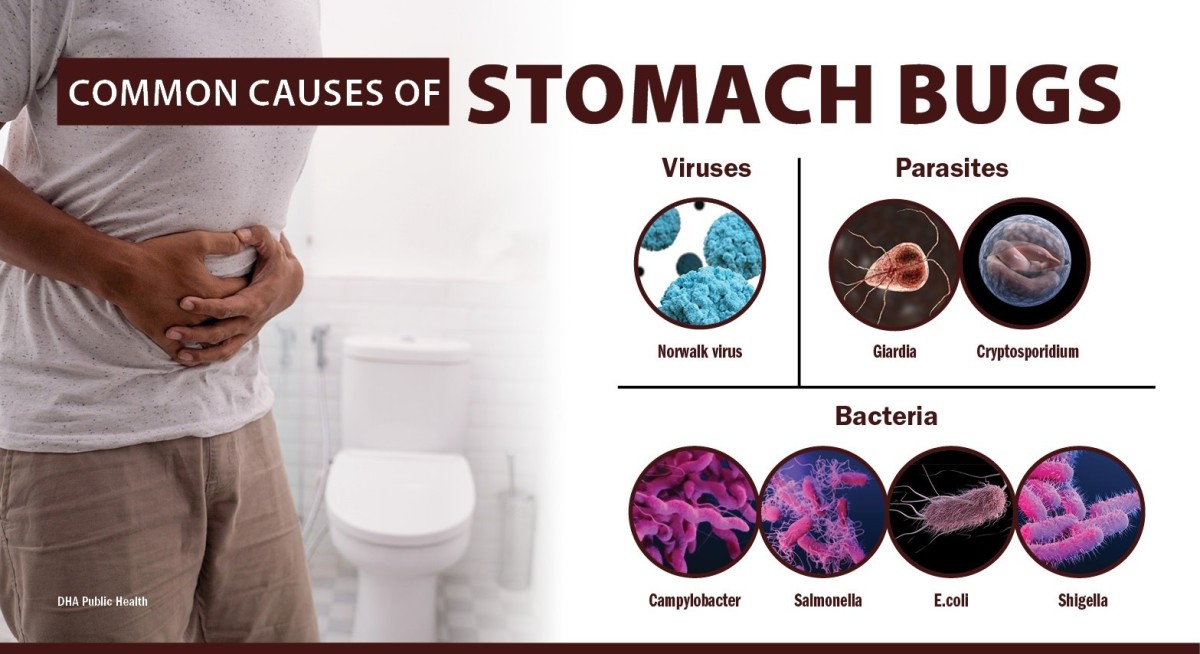
Several types of germs can live on clothing:
- Bacteria like Staphylococcus and E. coli
- Viruses such as flu and cold viruses
- Fungi including mold and yeast
- Parasites like lice and scabies mites
These germs vary in how long they survive on fabrics. Some bacteria live longer on synthetic fabrics than natural ones.
Sources Of Contamination
Germs reach clothes from different places:
- Touching dirty surfaces or objects
- Contact with skin or body fluids
- Exposure to sneezes or coughs
- Wearing clothes after sweating
- Handling unwashed laundry or shared garments
Knowing these sources helps reduce germ spread. Washing clothes regularly is important for hygiene.
Credit: www.consumerreports.org
Survival Time Of Germs
Understanding how long germs can survive on your clothing helps you make smarter choices about laundry and daily hygiene. Germs don’t all behave the same way; some linger longer, while others die off quickly. Knowing their survival time on different fabrics can change how you handle your clothes after being out in public or around sick people.
Factors Affecting Survival
Several things influence how long germs stay alive on your clothes. Moisture is a big one—germs thrive longer on damp fabrics than dry ones.
Temperature also plays a role. Warmer conditions can either help germs multiply or speed up their death, depending on the type of germ.
Exposure to sunlight and air circulation can reduce germ survival. UV light from the sun damages germs, making them less likely to stick around.
What about the type of germ? Bacteria, viruses, and fungi all have different survival patterns. For example, cold viruses can live on fabric for several hours, while some bacteria might last days.
Common Fabrics And Germ Lifespan
| Fabric Type | Germ Lifespan | Notes |
|---|---|---|
| Cotton | 24 to 48 hours | Natural fibers absorb moisture, which can extend germ survival |
| Polyester | Up to 72 hours | Synthetic fibers hold moisture on the surface, keeping germs active longer |
| Wool | 12 to 24 hours | Wool’s texture can trap germs but also dries faster, reducing lifespan |
| Silk | Less than 12 hours | Smooth surface and low moisture retention limit germ survival |
Have you ever noticed that your workout clothes feel damp even hours after wearing them? That dampness can keep germs alive longer than you’d expect.
Knowing which fabrics hold germs longer can guide you on how often to wash your clothes and how to treat them before wearing again. Could switching to a particular fabric reduce your risk of picking up germs?
Health Risks From Contaminated Clothes
Clothes can carry more than just fashion statements—they can harbor germs that pose real health risks. These microorganisms survive on fabric surfaces, waiting for a chance to cause infections. Understanding these risks helps you protect yourself and those around you from preventable illnesses.
Infections Linked To Clothing Germs
Your clothes can be a breeding ground for bacteria, viruses, and fungi. Germs like Staphylococcus aureusand E. colicling to fabrics and can cause skin infections, including boils and rashes.
Contaminated clothes have also been linked to respiratory infections when viruses cling to scarves or masks. Ever felt itchy after wearing a shirt multiple days? That irritation might be the start of a fungal infection like athlete’s foot or ringworm.
How often do you wash your workout gear? Sweat-damp clothes provide a perfect environment for germs to multiply, increasing your risk of infections.
Vulnerable Populations
Some people face higher risks from germs on clothing. Children, the elderly, and those with weakened immune systems are more likely to get sick from contaminated fabrics.
If you care for a newborn or someone undergoing medical treatment, extra caution is necessary. Germs on clothes can lead to severe infections in these vulnerable groups.
Do you share towels or bedding with family members? This common habit can spread germs quickly, especially affecting those with fragile health.
Keeping your clothes clean isn’t just about appearance—it’s about safeguarding your health and the health of those you care about.
Effective Cleaning Methods
Cleaning clothes effectively is key to reducing germs that cling to fabric after daily wear. Knowing how to wash, disinfect, dry, and store your clothes properly ensures a healthier wardrobe and living space. Let’s dive into practical ways you can keep your clothes as germ-free as possible.
Washing Techniques
Use hot water if the fabric allows it; temperatures above 140°F (60°C) kill most bacteria and viruses. Add a good quality detergent because it breaks down oils and dirt where germs hide. If you’re dealing with heavily soiled or shared clothing, consider washing them separately to avoid cross-contamination.
Have you ever noticed how some clothes still smell after washing? That’s often a sign germs and bacteria survived. Try adding a cup of white vinegar or baking soda during the wash cycle to boost cleaning power and neutralize odors.
Disinfecting Clothes
Disinfecting clothes goes beyond regular washing. Use laundry sanitizers or bleach for whites and color-safe bleach for colored fabrics. These products are designed to kill stubborn germs effectively.
Steam cleaning is another excellent option. High-temperature steam penetrates fabric deeply and can kill germs without harsh chemicals. If you don’t have a steamer, hanging clothes in a steamy bathroom after a hot shower can help reduce bacterial load.
Drying And Storage Tips
Sunlight is a natural disinfectant. Dry your clothes outside when possible; UV rays help kill bacteria lingering on fabric. Avoid damp clothes staying in the washer for too long because moisture encourages bacterial growth.
Store your clothes in a clean, dry place. Use breathable fabric bags or drawers to prevent moisture buildup. Have you checked your storage area recently for mold or mildew? Keeping that space clean also protects your clothes from germs.
Preventing Germ Spread Through Clothing
Clothing can carry germs that cause illnesses. Preventing their spread through clothes helps keep you and others healthy. Small actions make a big difference in stopping germs from moving around.
Hygiene Practices
Always wash your hands after touching dirty clothes. Avoid touching your face before cleaning your hands. Change clothes regularly, especially after sweating or being in public places. Use clean towels and avoid sharing clothes with others. Store clothes in dry, clean places to prevent germs from growing.
Handling And Laundry Tips
Sort clothes by color and type before washing. Use hot water when possible to kill more germs. Add a good detergent to remove dirt and bacteria. Dry clothes completely, either in sunlight or a dryer, to reduce germs. Clean your washing machine regularly to avoid spreading germs. Handle dirty clothes with care, using gloves if you are sick.
Credit: www.optum.com

Credit: www.amazon.com
Frequently Asked Questions
Can Germs Live On Clothes For Hours Or Days?
Yes, germs can survive on clothing for hours to days. Survival depends on the type of germ and fabric. Moisture and warmth increase germ longevity, while dry and clean fabrics reduce it. Regular washing helps remove and kill most germs effectively.
How Do Germs Transfer From Clothing To Skin?
Germs transfer from clothing to skin through direct contact. When you touch contaminated fabric, germs can move to your hands. Touching your face afterward may cause infection. Washing hands and clothes regularly reduces this risk significantly.
Does Washing Clothes Kill All Germs Effectively?
Washing clothes with detergent and warm water kills most germs. High temperatures and bleach improve germ elimination. However, some hardy germs may survive low-temperature washes. Drying clothes thoroughly also helps reduce microbial presence.
Can Wearing Contaminated Clothes Cause Illness?
Wearing contaminated clothes can increase infection risk if germs transfer to skin or mucous membranes. However, illness depends on germ type, exposure amount, and immune response. Proper hygiene and frequent laundering minimize this risk.
Conclusion
Germs can indeed live on clothing for some time. Their survival depends on fabric type and environmental conditions. Washing clothes regularly can reduce germ presence significantly. Use hot water and detergent for best results. Drying in sunlight can further help.
It’s essential to maintain hygiene to stay healthy. Simple steps can make a big difference. So, keep clothes clean and germs away. Remember, hygiene is key to a healthier life. Stay informed. Stay safe.


