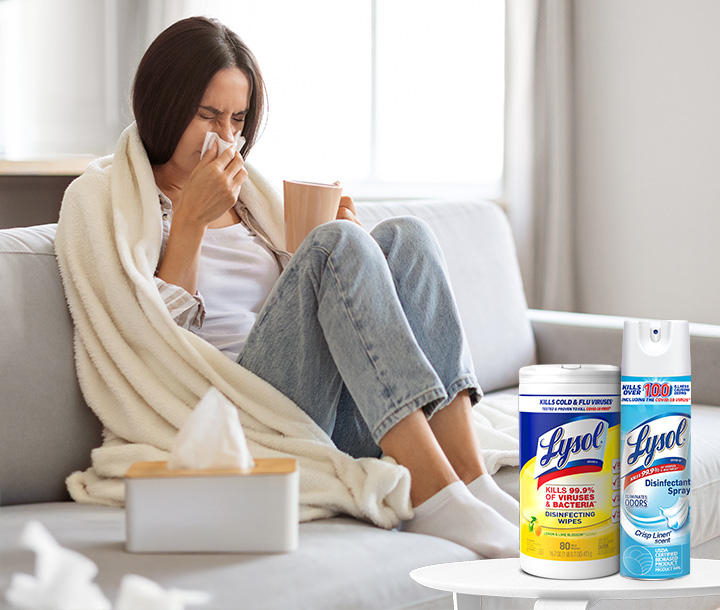
Have you ever wondered if the flu virus can stick around on your clothes and make you sick? You might be surprised to learn how long the virus can survive on the fabrics you wear every day.
Knowing this can help you protect yourself and your loved ones better. Keep reading to discover the truth about the flu virus on clothes and simple steps you can take to stay safe.

Credit: www.mdpi.com
Flu Virus Basics
The flu virus is a tiny but powerful germ that affects millions every year. Understanding its basics can help you protect yourself better. Knowing how it spreads and what makes it survive gives you an edge in stopping it.
How Flu Virus Spreads
The flu virus mainly spreads through droplets when someone coughs, sneezes, or talks. These droplets can land on your clothes, hands, or nearby surfaces. If you touch these contaminated spots and then touch your face, the virus can enter your body.
You might wonder, can simply touching your coat or shirt put you at risk? Yes, but the risk depends on several factors like how long the virus has been on the fabric and the type of material.
Virus Survival Factors
The flu virus doesn’t live forever on clothes. It can survive from a few minutes to several hours depending on conditions. For example, on smooth, non-porous surfaces, it lasts longer than on soft fabrics.
Temperature and humidity also play a big role. High humidity and cooler temperatures help the virus survive longer. On warm, dry fabrics, the virus tends to die faster.
Think about your daily routine. If you’ve been around someone sick, should you immediately wash your clothes? It’s a good idea to clean them regularly, especially if you’ve been in crowded places.
Virus Survival On Fabrics
Understanding how long flu viruses can live on your clothes helps you take smarter steps to protect yourself and those around you. Clothes can carry germs, but the risk depends on the fabric type and the environment they are in. Let’s look closer at what affects virus survival on fabrics and what that means for your daily life.
Types Of Fabrics And Virus Longevity
Different fabrics hold viruses for different lengths of time. Smooth, non-porous fabrics like polyester and nylon tend to let viruses survive longer. In contrast, porous fabrics such as cotton absorb moisture and can trap viruses, reducing their lifespan.
Imagine wearing a polyester jacket on a cold day. The flu virus might stick around longer on that material compared to your cotton shirt. This means choosing natural fibers for everyday wear could lower your chances of carrying active viruses on your clothes.
Environmental Influences
Temperature and humidity play a big role in how long the flu virus can survive on fabrics. Viruses tend to live longer in cool, dry conditions and die off faster in warm, humid environments. This explains why flu spreads more during winter months when indoor heating dries out the air.
Have you noticed your clothes feeling damp after a workout? Moisture can actually help reduce the virus’s lifespan on your clothing. But if your clothes stay dry and cold for hours, the virus may survive longer, increasing the risk of transmission.
Research Findings On Flu Virus And Clothes
Understanding how long the flu virus can survive on clothes helps you take better precautions during flu season. Research has tested this in both controlled labs and everyday environments. This information can guide how you handle and wash your garments to reduce risks.
Laboratory Studies
In lab settings, scientists apply flu viruses directly onto different fabric types to observe survival times. Results show the virus can live from a few hours up to 24 hours on clothes, depending on material and humidity.
For example, viruses tend to survive longer on synthetic fabrics compared to cotton. Labs also reveal that cooler temperatures help the virus remain active for extended periods. This means your winter clothes might hold the virus longer than summer wear.
These findings highlight why washing clothes regularly, especially after exposure to sick environments, is crucial. Using hot water and detergent can effectively kill the virus lingering on fabric.
Real-world Observations
Outside the lab, studies track flu virus presence on clothes in places like hospitals and schools. Here, the virus is less stable due to varying conditions like sunlight, airflow, and frequent movement.
One study found that while flu viruses were detectable on healthcare workers’ uniforms, the amount dropped significantly within hours. This suggests your daily activities and natural drying reduce the virus faster than in labs.
Do you think your routine habits, like hanging clothes outside or changing after being in crowded spaces, can help minimize flu risks? Small actions like these can make a big difference in keeping you and your family safe.
Credit: www.maxhealthcare.in
Risks Of Transmission Through Clothing
Understanding the risks of flu virus transmission through clothing is crucial, especially during cold and flu season. Clothes can act as temporary carriers of the virus, potentially passing it from one surface to another. But how significant is this risk, and what should you be aware of to protect yourself and others?
Contact And Transfer Potential
Flu viruses can survive on clothing fibers for several hours, depending on the material and environmental conditions. When you touch contaminated clothes, the virus can transfer to your hands and then to your face, increasing the chance of infection.
Think about a time when you picked up a sweater from a shared coat rack or borrowed a jacket. Without washing your hands afterward, you might have unknowingly exposed yourself to germs. This simple act highlights how easily contact with contaminated clothing can lead to virus transfer.
- Viruses survive longer on synthetic fibers than on natural ones like cotton.
- Humidity and temperature affect virus survival — cooler, moist environments help the virus last longer.
- Touching your face after handling contaminated clothes is the primary way the virus enters your body.
Role Of Clothing In Infection
Clothing itself doesn’t cause infection but acts as a vehicle for the virus to reach you. The key risk lies in how you handle and clean your clothes after potential exposure.
If you wear clothes that someone with the flu has sneezed on or coughed into, the virus may stay active for hours. Washing clothes regularly with hot water and detergent reduces this risk significantly.
Ask yourself: do you wash your outerwear frequently during flu season? Many people don’t, which can increase the chance of carrying the virus unknowingly.
- Always wash clothes after exposure to crowded places or flu patients.
- Use hot water and detergents to kill the virus effectively.
- Avoid touching your face after handling potentially contaminated clothes until you wash your hands.
Effective Cleaning Methods
Cleaning clothes properly stops the flu virus from spreading. Using the right methods kills the virus and keeps fabrics safe. Clothes can carry the virus for hours, so good cleaning is important.
Washing Techniques
Wash clothes in hot water to kill the flu virus. The temperature should be at least 140°F (60°C). Use regular laundry detergent. Avoid cold water as it may not remove the virus fully.
Dry clothes in a hot dryer. Heat helps destroy germs. If air drying, place clothes in direct sunlight for extra disinfection. Avoid shaking dirty clothes to prevent virus spread.
Use Of Disinfectants
Add disinfectants that are safe for fabrics to the wash cycle. Products with bleach or hydrogen peroxide work well. Follow the label instructions carefully for best results.
For delicate items, use fabric-safe disinfectant sprays after washing. Let clothes dry completely before wearing. Avoid overuse to protect fabric quality.

Credit: www.lysol.com
Preventive Measures For Clothing
Protecting your clothing from the flu virus is more than just a good habit—it’s a key step in stopping the spread of infection. Clothes can carry the virus longer than you might expect, so how you handle and store them matters. Let’s look at some practical ways to keep your garments safe and reduce the risk of contamination.
Handling Contaminated Clothes
Always treat clothes that might be contaminated with care. Avoid shaking or tossing them, as this can release viral particles into the air. Instead, fold or roll the items gently to minimize the spread.
Wear disposable gloves if you suspect the clothes have been exposed to the flu virus. This extra layer helps prevent direct contact with the virus and protects your hands.
Wash your hands thoroughly after handling these garments, even if you wore gloves. This simple step closes the loop on potential contamination.
Storage And Care Tips
Store potentially contaminated clothes separately from clean laundry. Use a sealed plastic bag or a dedicated laundry basket to keep them contained until washing.
Wash clothes in the warmest water safe for the fabric. High temperatures can significantly reduce viral survival on textiles.
Use a good quality detergent and consider adding a disinfectant approved for fabrics. Dry clothes completely, preferably in a dryer rather than air drying, to ensure the virus is eliminated.
Frequently Asked Questions
How Long Can Flu Virus Survive On Clothes?
The flu virus can survive on clothes for up to 24 hours. Survival depends on fabric type and environmental conditions like humidity and temperature. Porous fabrics usually reduce virus lifespan. Regular washing with detergent effectively removes and kills the virus from clothing.
Can Washing Clothes Remove Flu Virus Effectively?
Yes, washing clothes with detergent and warm water removes the flu virus. Detergents break down the virus’s protective layer, making it inactive. Using hot water above 60°C (140°F) improves effectiveness. Drying clothes thoroughly also helps kill remaining viruses on fabrics.
Is It Safe To Handle Clothes Exposed To Flu Virus?
Handling clothes exposed to flu virus is generally safe with precautions. Avoid touching your face after handling and wash hands immediately. Use gloves if possible, especially when dealing with contaminated laundry. Proper washing and drying kill the virus, reducing infection risk.
Do Different Fabrics Affect Flu Virus Survival?
Yes, fabric type affects flu virus survival on clothes. Non-porous fabrics like polyester allow longer survival than porous cotton. Porous materials absorb moisture and reduce virus viability. Regular cleaning is crucial regardless of fabric to prevent virus transmission.
Conclusion
The flu virus can stay on clothes for some time. It usually lives longer on smooth surfaces than fabric. Washing clothes with soap and hot water helps remove the virus. Drying clothes fully also lowers the risk. Avoid touching your face after handling dirty clothes.
Staying clean protects you and others around you. Simple habits go a long way in stopping flu spread. Keep your clothes clean, and stay healthy this flu season.

