Have you ever thought about what you would grab if you had only minutes to prepare for an emergency? Your personal survival kit could be the difference between staying safe and facing serious risks.
But what exactly should you include to be ready for any situation? You’ll discover the essential items that belong in your kit. Knowing what to pack now means you’ll act faster and feel more confident when it really counts. Keep reading to make sure your survival kit has everything you need to protect yourself and your loved ones.
Survival Kit Basics
Building a personal survival kit is about preparing yourself for unexpected situations. It’s not just about packing items; it’s about understanding what you truly need to sustain yourself and stay safe. The basics of a survival kit focus on essentials that cover your immediate needs, helping you remain calm and capable.
Purpose Of A Personal Survival Kit
Your survival kit is designed to support you in emergencies where help might not arrive quickly. It provides the basic tools and supplies to meet your needs for water, food, shelter, and first aid. Imagine being stranded outdoors or facing a sudden power outage—your kit becomes your lifeline.
Think about what worries you most in an emergency. Is it staying warm? Finding clean water? A kit tailored to those concerns will serve you better. It’s not about carrying everything, but carrying what matters most to your safety and peace of mind.
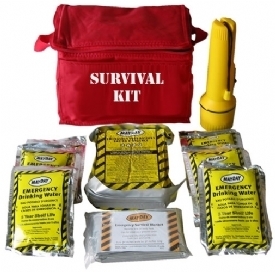
Types Of Survival Kits
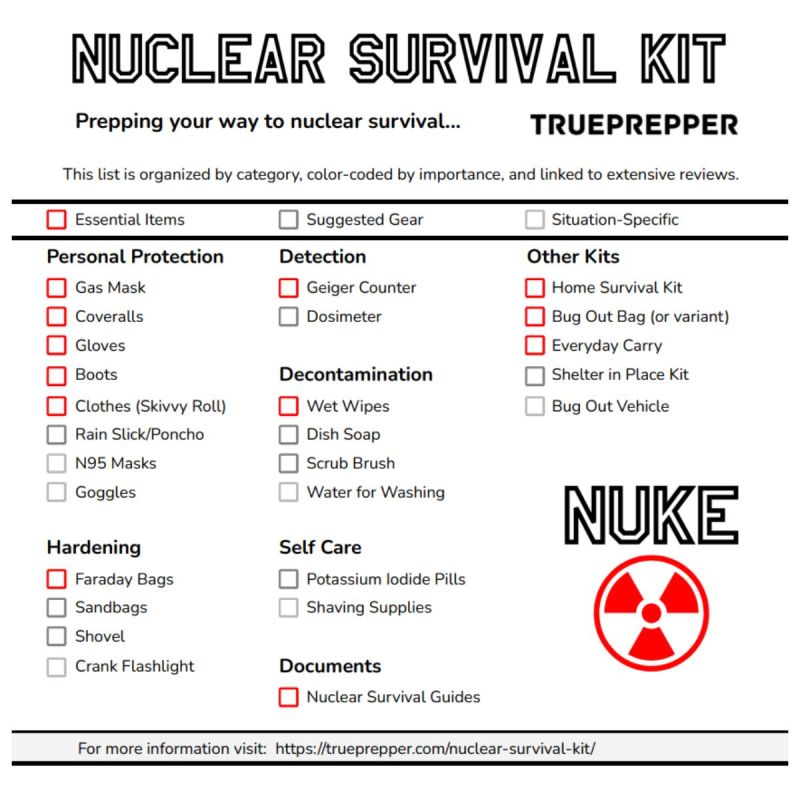
Survival kits come in different sizes and purposes, depending on your environment and risks. Common types include:
- Everyday Carry (EDC) Kits:Small, portable kits for daily use that fit in your bag or pocket.
- Bug-Out Bags:Larger kits designed for quick evacuation, containing supplies for 72 hours or more.
- Vehicle Survival Kits:Stored in your car, these prepare you for roadside emergencies or getting stranded.
- Specialized Kits:Tailored for specific activities like hiking, camping, or urban disasters.
Choosing the right type depends on your lifestyle and what emergencies you’re most likely to face. What would you grab first if you had to leave your home in a hurry? Knowing that helps you decide what your kit should include.
Credit: safetymax.com
Essential Tools
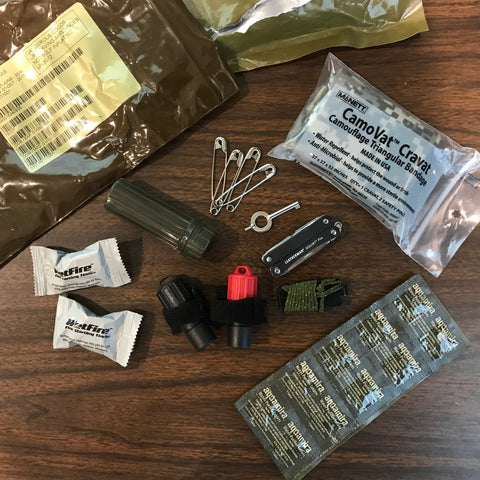
A Personal Survival Kit must have essential tools for basic survival tasks. These tools help you cut, start fires, and fix things quickly. Having reliable gear can make a big difference in tough situations.
Cutting Instruments
Sharp cutting tools are vital in any survival kit. A sturdy knife helps with preparing food, making shelter, and crafting items. Small folding knives save space and provide safety. A compact saw can cut wood for fire or shelter building. Keep blades sharp and clean for best use.
Fire Starters
Fire starters allow you to create warmth and cook food. Waterproof matches and lighters are common options. Magnesium fire starters work even when wet. Carrying multiple fire-starting tools ensures backup if one fails. Fire is crucial for signaling, warmth, and hygiene.
Multi-tools
Multi-tools combine many tools in one compact device. They usually include pliers, screwdrivers, scissors, and knives. Multi-tools save space and add versatility. They help fix gear, open cans, and handle small repairs. Choose a durable multi-tool with quality materials.
Shelter And Warmth
Shelter and warmth are crucial for survival in any emergency. They protect you from harsh weather, keeping your body temperature stable. A good personal survival kit includes tools and clothing to create a safe, warm space. These items help prevent hypothermia and other cold-related risks.
Emergency Blankets
Emergency blankets are lightweight and compact. They reflect body heat to keep you warm. Made from thin, heat-reflective material, they trap warmth effectively. They are easy to carry and use in many situations. You can wrap yourself or use them as ground cover.
Tents And Tarps
Tents provide shelter from rain, wind, and sun. They create a barrier against the elements. Tarps are versatile and lightweight. Use tarps to make quick shelters or cover gear. Both tents and tarps add protection and comfort outdoors.
Clothing Essentials
Clothing plays a key role in staying warm. Pack layers like thermal underwear, hats, and gloves. Choose moisture-wicking fabrics to keep dry. Extra socks and insulated jackets help maintain body heat. Proper clothing reduces heat loss and boosts comfort.

Credit: www.amazon.com
Food And Water Supplies
Food and water are the lifelines of any personal survival kit. Without reliable supplies, your ability to stay safe and alert drops quickly. You need options that are easy to carry, last long, and keep you nourished and hydrated under pressure.
Water Purification Methods
Clean water is crucial, but carrying enough for days can be heavy. That’s why knowing how to purify water on the go is a game changer.
- Water purification tablets:Compact and lightweight, these tablets kill bacteria and viruses fast. Just drop them in and wait for the recommended time.
- Portable water filters:Small filters remove harmful particles and microbes. Some models even fit on water bottles, making hydration simple.
- Boiling:It’s a reliable method but requires fuel and a container. If you carry a small stove, boiling can be your backup plan.
Have you tested your purification tools in real conditions? It’s one thing to pack them, another to trust them when it counts.
Non-perishable Food Items
When hunger hits, you want food that stays good for months without refrigeration. Your survival kit should include nutrient-dense, ready-to-eat items.
- Canned beans, tuna, or chicken provide protein and calories.
- Energy bars and trail mix offer quick energy and are easy to carry.
- Dehydrated meals are lightweight and only need water to rehydrate.
I once relied on a small bag of mixed nuts and dried fruits during a power outage. It kept me going and reminded me how important calorie-dense snacks are in emergencies.
Portable Cooking Gear
Carrying cooking gear might seem like extra weight, but it expands your meal options dramatically.
- A compact camping stove can boil water and cook simple meals quickly.
- Lightweight pots and pans designed for backpacking are durable and easy to clean.
- Don’t forget utensils and a lighter or waterproof matches for ignition.
Think about the last time you tried eating cold canned food—did it satisfy you? Cooking gear lets you prepare warm meals, which can improve morale and digestion.
Navigation And Communication
Navigation and communication tools are essential in a personal survival kit because they help you find your way and stay connected during emergencies. Without these, even the best survival skills can fall short if you can’t orient yourself or call for help. Think about a time when you got lost or needed assistance—having reliable navigation and communication gear can make all the difference.
Compasses And Maps
A compass is a simple yet powerful tool for navigation. It doesn’t rely on batteries or signals, which makes it reliable in any situation. Pair it with a detailed map of your area, and you have a solid way to figure out your direction and plan your route.
Make sure your map is waterproof or stored in a protective case. Practice using a compass and map together before you actually need them. Can you confidently find north without a GPS?
Signal Devices
Signal devices help you attract attention when you need rescue. Common items include whistle, signal mirror, and flares. A whistle is lightweight and easy to use; three short blasts is the universal distress signal.
A signal mirror can reflect sunlight to catch the eye of rescuers from a distance. Flares provide bright, visible signals but use them carefully and only when you are sure help is nearby. What’s in your kit to make sure you can be found quickly?
Emergency Radios
Emergency radios keep you informed and connected when other communication methods fail. Look for radios that can pick up NOAA weather alerts and emergency broadcasts. Some models include hand-crank or solar charging, so you won’t run out of power.
Having an emergency radio can warn you about approaching storms or other dangers before they hit. It also lets you listen for rescue updates. Have you tested your emergency radio to see if it works when you need it most?

Credit: www.amazon.com
Health And Safety Items
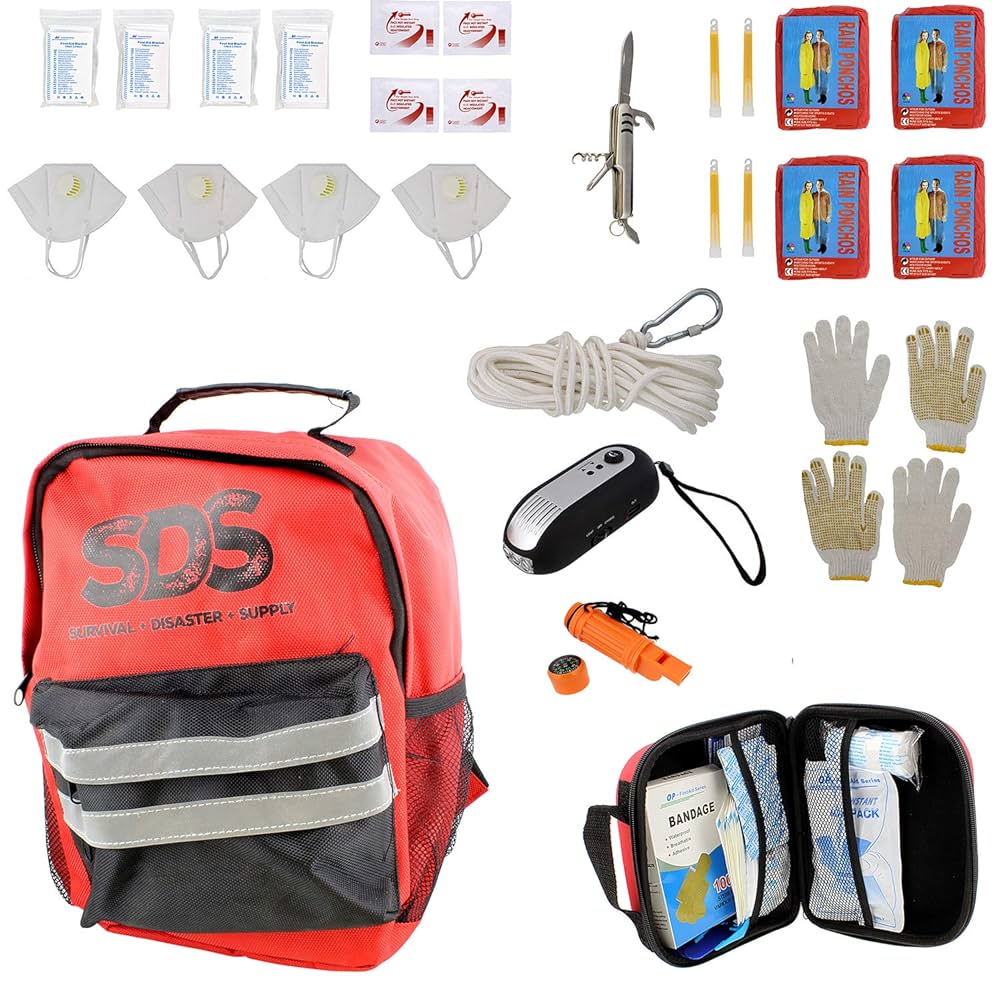
Health and safety items are essential in any personal survival kit. They help prevent injury and illness during emergencies. Keeping these items organized and accessible can make a big difference.
First Aid Supplies
First aid supplies treat minor injuries and reduce infection risk. Include bandages, antiseptic wipes, and adhesive tape. Add sterile gauze pads and scissors. Pain relievers and allergy medicine are useful too. A small first aid manual helps with proper care.
Personal Hygiene
Maintaining cleanliness prevents sickness. Pack travel-size soap, hand sanitizer, and wet wipes. Toothbrush and toothpaste keep oral hygiene in check. Include feminine hygiene products for women. A small towel and comb are handy extras.
Protective Gear
Protective gear guards against hazards. Gloves protect hands from germs and cuts. A dust mask shields lungs from dust or smoke. Safety goggles protect eyes in harsh environments. A whistle can signal for help in emergencies.
Packing And Maintenance
Packing and maintaining a personal survival kit ensures readiness in emergencies. Proper organization allows quick access to essentials. Regular upkeep keeps items usable and effective. Both steps build confidence and safety.
Organizing Your Kit
Start by grouping items by type and use. Place food and water together. Keep first aid supplies in one section. Use clear bags or compartments for easy spotting. Label each section for faster access.
- Separate gear by categories like food, tools, and hygiene
- Use small containers to prevent items from mixing
- Pack heavier items at the bottom for balance
- Include a checklist inside the kit for quick review
Regular Updates And Checks
Check your kit every three to six months. Replace expired food and medicines. Test tools like flashlights and radios. Refresh batteries and water supplies. Keep the kit clean and dry to avoid damage.
- Set calendar reminders for maintenance
- Inspect packaging for tears or leaks
- Update contact information and documents inside
- Add new items based on changing needs
Frequently Asked Questions
What Essential Items Belong In A Personal Survival Kit?
A personal survival kit includes water, food, first aid, fire starters, a flashlight, and a multi-tool. These items help you stay safe and survive emergencies effectively.
How Do I Choose The Right Size For A Survival Kit?
Choose a kit size based on your needs and situation. Small kits suit daily carry, while larger kits fit extended trips or emergencies.
Why Is A Personal Survival Kit Important For Emergencies?
A survival kit ensures you have vital tools and supplies during unexpected events. It boosts your chances of safety and self-reliance.
How Often Should I Update My Personal Survival Kit?
Update your kit every six months. Check expiration dates, replace used items, and adjust contents to your current needs.
Conclusion
A personal survival kit keeps you ready for emergencies. It holds tools and supplies to help you stay safe. Choosing the right items depends on your needs and risks. Check your kit often to keep everything working well. A well-packed kit gives peace of mind and confidence.
Small efforts now can make a big difference later. Stay prepared, stay safe.