Have you ever wondered how much a survival kit really costs? Whether you’re preparing for emergencies or just want peace of mind, knowing the price can help you make the best choice for your safety and budget.
You might be surprised to learn that survival kits come in all shapes and sizes, with prices that vary widely. You’ll discover what affects the cost, what you should look for, and how to get the most value for your money.
Keep reading to find out how to protect yourself without overspending.

Credit: www.amazon.com
Survival Kit Basics
Understanding the basics of a survival kit is key before you decide how much to spend. A survival kit is more than just a collection of random tools—it’s a carefully chosen set of items that can help you stay safe and comfortable in emergencies. Knowing what goes into these kits and the types available helps you pick one that fits your needs and budget.
Essential Items Included
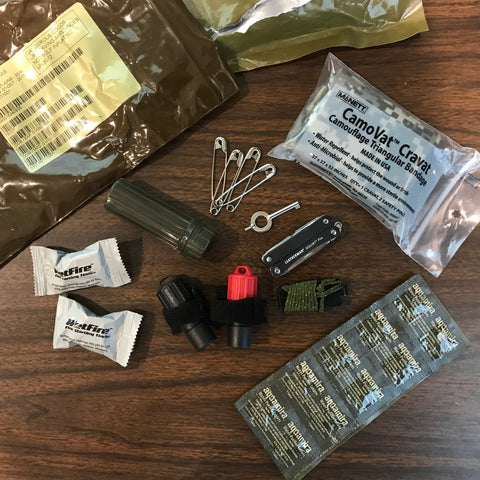
A good survival kit covers several vital areas: food, water, shelter, and safety. Here are some must-have items you’ll often find:
- Water purification tools:tablets, filters, or small purifiers to ensure safe drinking water.
- Food supplies:energy bars, freeze-dried meals, or high-calorie snacks.
- First aid supplies:bandages, antiseptic wipes, pain relievers, and basic medications.
- Fire starters:waterproof matches, lighters, or fire steel rods.
- Shelter items:emergency blankets, compact tents, or ponchos.
- Tools:multi-tools, knives, whistles, and sometimes small flashlights or batteries.
Think about your environment and personal needs—do you require allergy medication or special tools? Adding these can increase the cost but might save your life.
Types Of Survival Kits
Survival kits come in many shapes and sizes, each designed for different situations. Some are compact and fit into a backpack, while others are larger and more comprehensive.
| Type | Description | Typical Use | Cost Range |
|---|---|---|---|
| Basic Emergency Kit | Includes essentials like water, food, and first aid items. | Car, home emergencies | $20 – $50 |
| Outdoor Survival Kit | Tools for wilderness survival including fire starters and navigation aids. | Camping, hiking, outdoor adventures | $50 – $150 |
| Comprehensive Survival Kit | Extensive gear including shelter, food, water, medical supplies, and tools. | Long-term preparedness, disaster situations | $150 – $500+ |
Which type suits you? Consider how often you plan to use it and the kind of emergencies you might face. Spending more doesn’t always mean better readiness if the kit doesn’t match your specific needs.

Credit: www.safetykitsplus.com
Budget Survival Kits
Budget survival kits provide essential tools for emergencies without a high price tag. They suit beginners and those who want basic gear for safety. These kits focus on core survival items, making them practical and affordable.
Choosing a budget kit means balancing cost with quality and features. It helps to know what to expect in this price range. Understanding pros and cons guides better buying decisions.
Price Range And Features
Budget survival kits usually cost between $20 and $60. They include basic tools like:
- First aid supplies
- Emergency blankets
- Multi-tools or knives
- Fire starters
- Water purification tablets
- Basic food rations
These kits often come in compact, easy-to-carry cases. Some may add whistles or flashlights. The focus stays on essential survival needs, not luxury items.
Pros And Cons
- Pros:Affordable, lightweight, easy to store, suitable for short trips.
- Cons:Limited supplies, lower durability, may lack advanced tools.
Budget kits work well for simple preparedness. They might not cover every emergency scenario. Users should consider adding personal items for extra safety.
Best Budget Options
- Ready America 3-Day Emergency Kit:Compact with food, water, and first aid.
- Surviveware Small First Aid Kit:Focused on medical supplies, great for minor injuries.
- Life Tent 2-Person Emergency Tent:Affordable shelter option, easy to carry.
These kits balance cost and usefulness well. They serve as good starting points for basic survival readiness.
Mid-range Survival Kits
Mid-range survival kits offer a balanced choice between cost and quality. They include more tools and supplies than budget options but stay affordable. These kits suit people who want reliable gear without overspending. The contents often cover essential needs for several days in an emergency.
Price Range And Features
Mid-range survival kits typically cost between $50 and $150. They contain:
- Water purification tablets or filters
- Durable multi-tools and knives
- First aid supplies with more variety
- Fire starters and emergency blankets
- Food rations for a few days
- Compact and weather-resistant packaging
These kits have better build quality and more useful items than basic kits.
Advantages Over Budget Kits
Mid-range kits last longer and function better in tough conditions. They include higher-quality tools that work reliably. More comprehensive first aid options increase safety. Food and water supplies are often sufficient for multiple days. Packaging is stronger to protect contents from weather. These kits offer peace of mind for serious preparedness.
Popular Mid-range Choices
- Surviveware Small Survival Kit
- Ready America 72-Hour Emergency Kit
- LifeStraw Personal Water Filter Kit
- VSSL Essentials Outdoor Survival Kit
- Swiss Safe 2 Person 72 Hour Kit
These kits have positive reviews for quality and value. They cover basic survival needs well for most users.
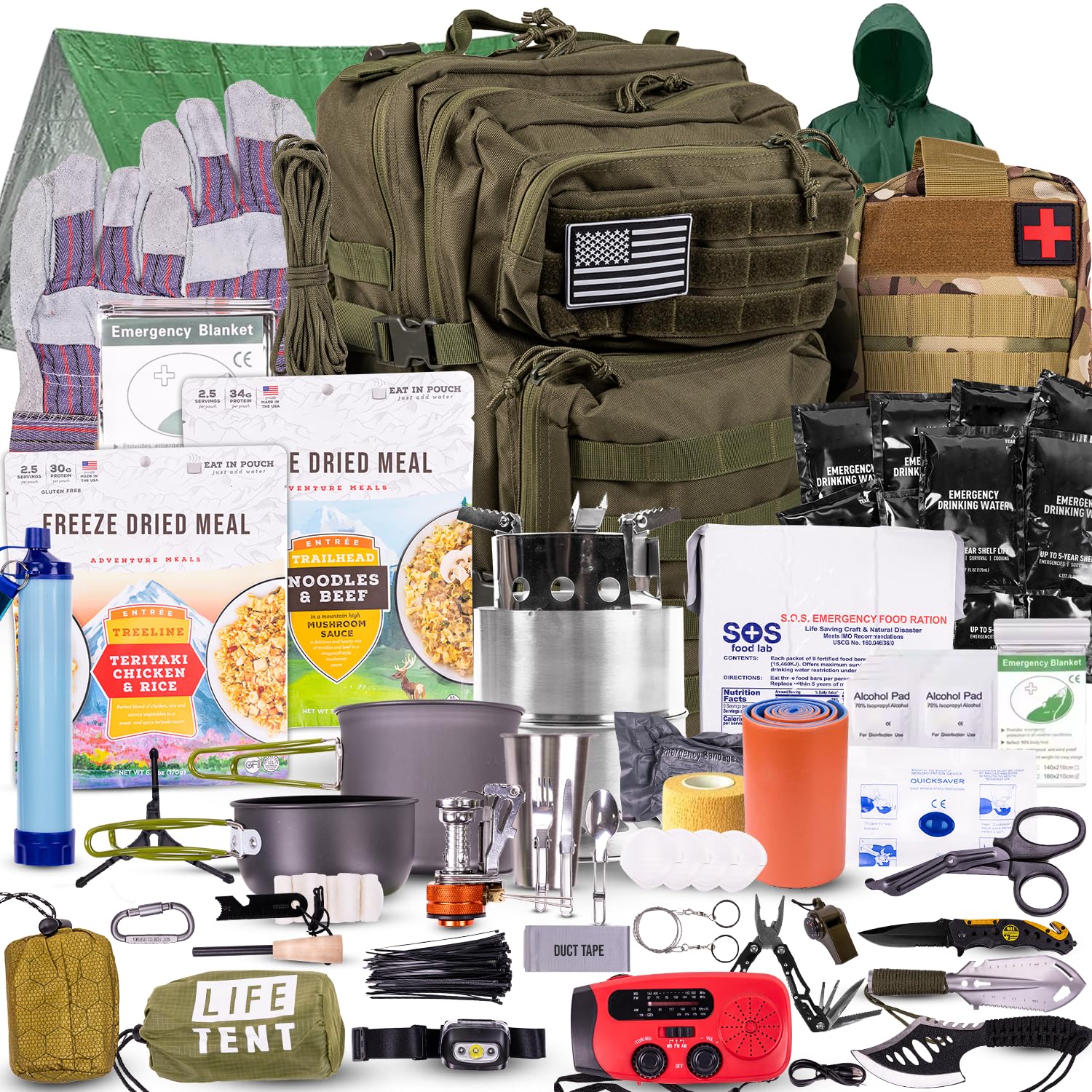
Credit: www.amazon.com
Premium Survival Kits
Premium survival kits offer more than just the basics. They are designed for those who want reliability, durability, and a comprehensive set of tools to face serious emergencies. Investing in a premium kit means you get advanced gear that can make a real difference when every second counts.
Price Range And Features
Premium survival kits usually range from $150 to $500 or more. What you pay reflects the quality and quantity of items included.
- Basic kitsmight include essentials like a multi-tool, flashlight, and water purification tablets.
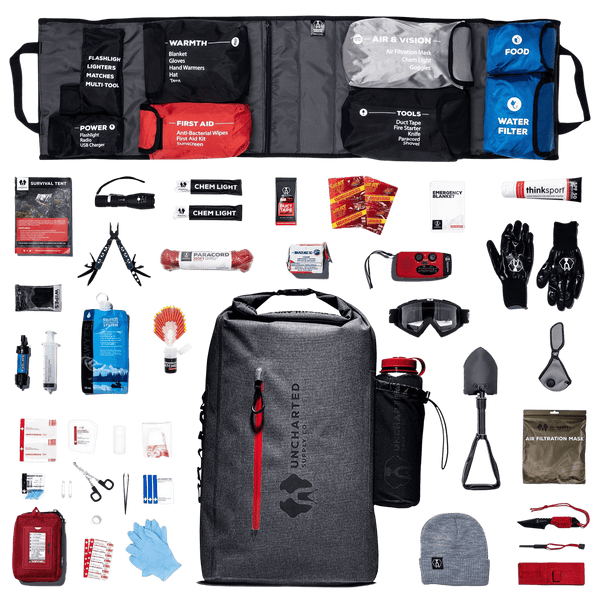
- Premium kitsadd specialized gear such as solar chargers, advanced first aid supplies, and high-quality fire starters.
- Some kits come with durable, weather-resistant cases that protect your gear in harsh conditions.
Think about what you really need. Would you prefer a lightweight pack or a fully loaded kit that covers every survival scenario?
High-end Additions
Premium kits often include items that you might not consider essential but can be lifesavers. These extras can enhance your comfort and safety significantly.
- Emergency sleeping bags made from reflective materials to retain body heat.
- Water filters that can handle large volumes and remove bacteria, viruses, and chemicals.
- Compact solar panels or hand-crank radios for power and communication.
- Specialized tools like tactical knives, signal mirrors, and waterproof notebooks.
Have you ever been caught in a situation where a simple addition like a solar charger could have changed everything? These high-end items prepare you for unexpected challenges.
Top Premium Brands
Choosing the right brand can affect your survival experience. Some companies have earned a reputation for quality and reliability in the survival community.
- Surviveware– Known for well-organized kits with durable materials and thoughtful design.
- Ready America– Offers a wide range of kits tailored for different emergencies, including natural disasters.
- LifeStraw– Famous for its water filtration technology, often included in high-end kits.
- VSSL– Combines compact design with essential tools like lights, first aid, and water purification in a rugged tube.
When you invest in a premium brand, you’re not just buying gear—you’re buying peace of mind. Which brand aligns with your survival goals and lifestyle?
Customizing Your Survival Kit
Customizing your survival kit helps make it fit your unique needs. Every person’s situation is different. Building a kit that suits your lifestyle is important for true preparedness.
Think about your environment, health, and daily habits. You can start with a basic kit and add items that matter most. This way, your kit becomes practical and useful in an emergency.
Adding Personal Items
Include items that match your personal needs and preferences. For example:
- Prescription medications
- Special dietary foods
- Important documents like ID and insurance cards
- Comfort items like a favorite snack or small toy for children
These personal items increase comfort and safety during tough times. Tailoring your kit this way makes it more effective and easier to use.
Balancing Cost And Needs
It is easy to overspend on survival kits. Focus on essentials first. Then add extras as budget allows.
Consider this:
| Item | Cost Range | Importance |
|---|---|---|
| Water filtration | $10 – $50 | High |
| First aid kit | $15 – $60 | High |
| Multi-tool | $20 – $100 | Medium |
| Extra batteries | $5 – $20 | Medium |
| Comfort items | $0 – $30 | Low |
Choose items that provide the most value and fit your budget. Avoid buying things you won’t use. A balanced kit keeps costs down and readiness up.
Where To Buy Survival Kits
Knowing where to buy survival kits can save you time and ensure you get the right gear for your needs. Whether you’re prepping for emergencies or outdoor adventures, the source of your kit affects quality, price, and variety. Let’s look at some places where you can find survival kits that fit your budget and requirements.
Online Retailers
Shopping online offers a huge selection of survival kits. Websites like Amazon, REI, and specialized survival gear stores have everything from basic kits to advanced setups. You can read customer reviews and compare prices easily.
One time, I ordered a survival kit online and found a detailed list of contents, which helped me understand what I was actually buying. This transparency is a big advantage over other options.
- Convenient 24/7 shopping
- Access to user reviews
- Wide range of brands and prices
Specialty Stores
Specialty outdoor or survival stores offer expert advice and quality products. These shops often carry trusted brands and can help you customize your kit based on your specific needs. They tend to be more expensive but provide personalized service.
If you want to handle the gear before buying, this is the place to go. Talking to staff who understand survival gear can help you avoid buying unnecessary items or missing crucial tools.
Local Options
Local hardware stores, camping shops, and even some pharmacies sometimes stock basic survival kits. These options are great if you need something quickly or want to support local businesses. However, the variety might be limited compared to online or specialty stores.
Have you checked your local stores recently? You might be surprised by what’s available nearby, especially in areas prone to natural disasters. Sometimes, you can find last-minute deals or kits tailored for local conditions.
Tips For Choosing The Right Kit
Choosing the right survival kit can feel overwhelming with so many options and price points available. The key is to focus on what truly fits your situation and ensures you get the best value without unnecessary extras. Here are some practical tips to help you pick a kit that matches your needs and budget.
Assessing Your Needs
Think about where you’ll be using the kit most often. Are you preparing for urban emergencies, outdoor adventures, or long-term survival scenarios? Your location and lifestyle will shape the kind of supplies you should prioritize.
Consider the number of people who will rely on the kit. A solo kit looks very different from one meant for a family. Also, ask yourself: what are the most likely emergencies in your area? This will help you avoid paying for items you won’t use.
Checking Kit Quality
Not all survival kits are created equal. Look for kits with high-quality, durable materials and trusted brand reputations. Low-cost kits may save money upfront but often skimp on essentials or include inferior tools.
Read reviews and, if possible, inspect the kit yourself. Does it include well-made tools, reliable first aid supplies, and enough food and water? A quality kit will give you peace of mind and perform when you need it most.
Considering Expiration Dates
Survival kits often contain food, medicine, and other perishable items. Always check expiration dates before buying and make a habit of rotating supplies regularly. Expired items can be useless or even harmful in an emergency.
Some kits provide replaceable components or have sealed packaging to extend shelf life. Ask yourself how easy it will be to update your kit over time. Staying on top of expiration dates means your kit stays ready whenever disaster strikes.
Frequently Asked Questions
What Factors Influence Survival Kit Prices?
Survival kit prices vary based on contents, quality, brand, and size. Kits with advanced tools cost more. Basic kits are affordable but may lack essentials. Specialized kits, like for hiking, tend to be pricier.
How Much Does A Basic Survival Kit Cost?
A basic survival kit usually costs between $20 and $50. These kits include essential items like a knife, fire starter, and first aid. They’re perfect for beginners or casual outdoor use.
Are Premium Survival Kits Worth The Price?
Premium survival kits cost $100 or more and offer high-quality gear. They include durable tools, more supplies, and sometimes advanced features. These kits are ideal for serious adventurers or emergency preparedness enthusiasts.
Can You Build A Survival Kit On A Budget?
Yes, you can assemble a survival kit for under $30 by buying items separately. Focus on essential tools like water purification, fire starters, and first aid. DIY kits allow customization and cost control.
Conclusion
Survival kits come in many sizes and prices. Basic kits cost less but cover essential needs. Larger kits offer more tools but cost more. Your budget and needs guide your choice. Investing in a kit prepares you for emergencies. Safety is worth the expense.
Choose a kit that fits your situation and budget. Stay ready, stay safe.