Imagine facing an emergency without the right supplies. Would you know what to grab?
Your safety and comfort depend on what’s in your emergency survival kit. Packing the right items can make all the difference when every second counts. You’ll discover exactly what to include to stay prepared, calm, and secure no matter the situation.
Keep reading—you might just save yourself or someone you love.

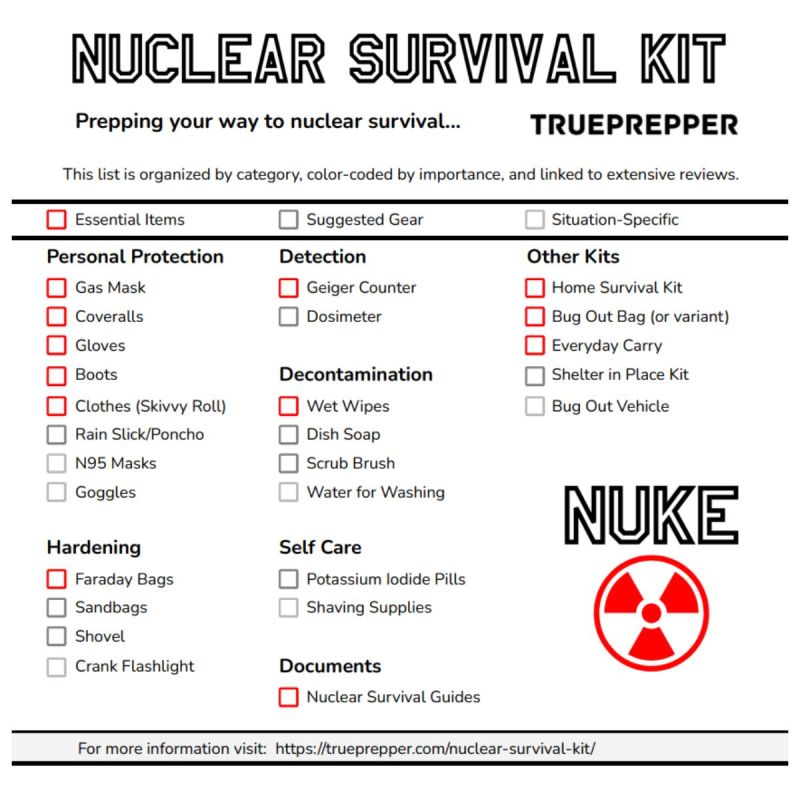
Credit: trueprepper.com
Basic Survival Gear
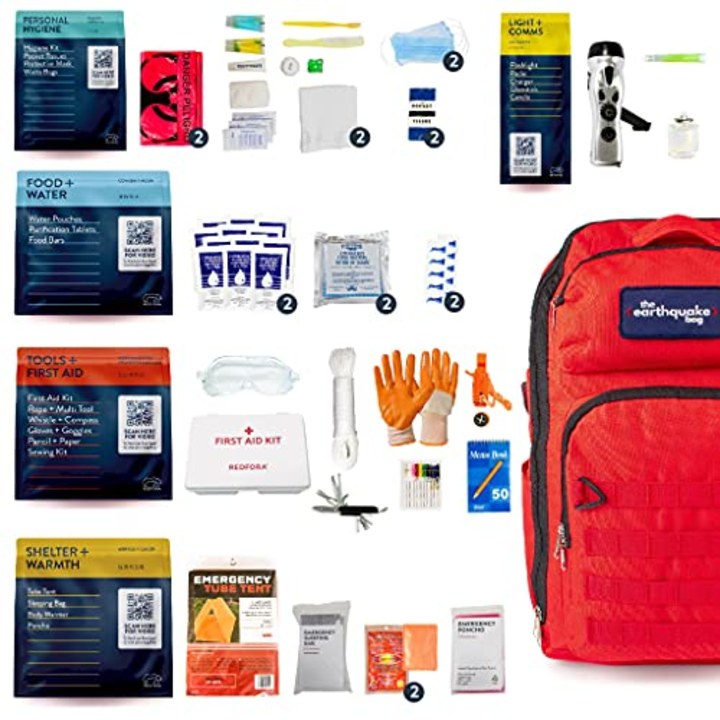
When preparing your emergency survival kit, focusing on the basic survival gear is essential. These items form the foundation of your ability to stay safe and comfortable during unexpected situations. Having the right tools for water, food, and shelter can make a huge difference in how you handle stress and challenges.
Water And Hydration Supplies
Water is your top priority in any emergency. Carry at least one gallon of water per person per day for drinking and sanitation. Include water purification tablets or a portable filter to keep your supply safe if you need to source water from the environment.
Think about how you will store and transport water. Collapsible water bottles or durable containers save space and prevent leaks. Ever been caught thirsty with no clean water? That experience alone shows why this gear matters.
Non-perishable Food Items
Choose foods that last long without refrigeration and provide enough calories to keep your energy up. Pack items like canned beans, nuts, granola bars, and dried fruits. These foods are easy to carry and don’t require cooking, which is critical when resources are limited.
Remember to include a manual can opener if you bring canned goods. Imagine trying to open cans without one—it’s frustrating and wastes precious time. Also, consider high-protein snacks to maintain strength during stressful times.
Shelter And Warmth Essentials
Your survival kit should include items to protect you from the elements. A compact emergency blanket, a lightweight tarp, and a sturdy tarp or tent can provide shelter from rain, wind, and cold. Staying dry and warm prevents hypothermia, a serious risk in many emergencies.
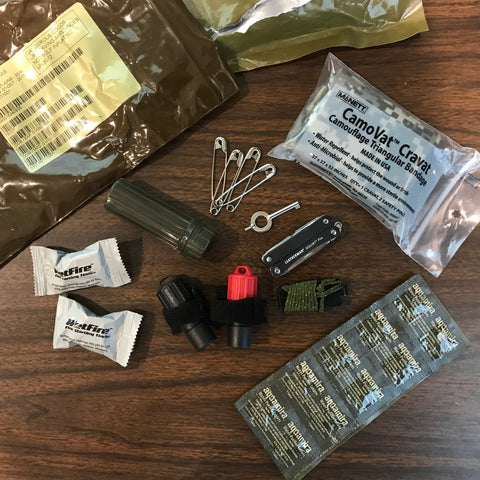
Don’t forget to add a reliable fire starter like waterproof matches or a magnesium fire starter. Fire gives warmth, light, and a way to cook food or boil water. Have you ever tried starting a fire with damp materials? It’s nearly impossible without the right tools.

Credit: www.amazon.com
First Aid And Medical Supplies
First aid and medical supplies are essential for any emergency survival kit. They help treat injuries and prevent infections. Having these items ready improves safety during crises. Proper medical care can save lives and reduce pain.
Choose supplies that cover common injuries. Include tools and medicines for quick treatment. A well-stocked kit gives peace of mind and support in tough situations.
Bandages And Dressings
- Adhesive bandages for small cuts and scrapes
- Sterile gauze pads to cover wounds
- Elastic bandages for sprains and strains
- Antiseptic wipes to clean wounds
- Medical tape to secure dressings
- Butterfly closures for deeper cuts
Medications And Pain Relief
- Pain relievers like ibuprofen or acetaminophen
- Antihistamines for allergic reactions
- Anti-diarrheal medicine
- Oral rehydration salts to prevent dehydration
- Any personal prescription medications
- Antibiotic ointment to prevent infection
Tools For Emergency Care
- Scissors to cut bandages and clothing
- Tweezers for removing splinters or debris
- Disposable gloves to keep hands clean
- CPR face shield or mask
- Thermometer to check body temperature
- Emergency blanket for shock or cold
Tools And Equipment
Tools and equipment form the backbone of any emergency survival kit. They help you handle unexpected challenges and stay safe. Choosing the right items can make a big difference in a crisis. Focus on compact, reliable, and versatile tools that serve many purposes.
Multipurpose Knife And Tools
A multipurpose knife is essential for cutting, preparing food, and self-defense. Look for models with extra tools like screwdrivers, can openers, and scissors. These add versatility without extra weight. Quality and sharpness matter. A dull knife can be dangerous in emergencies. Regularly check and maintain your tools.
Fire Starting Devices
Fire is vital for warmth, cooking, and signaling help. Pack waterproof matches, a lighter, and a fire starter stick or flint. Multiple options increase chances of success. Keep them in a dry, easy-to-reach container. Practice starting fires safely before an emergency. Knowing how to use your fire tools saves time and effort.
Lighting And Communication
Light sources guide you in the dark and alert rescuers. Include a small flashlight with extra batteries or a hand-crank flashlight. Headlamps free your hands for tasks. A whistle or signal mirror helps communicate without power. Consider a basic two-way radio or a charged power bank for your phone. Staying visible and connected boosts survival odds.
Clothing And Personal Items
Packing the right clothing and personal items in an emergency survival kit is essential. These items protect you from the elements and keep you comfortable. They also help maintain hygiene and secure important documents. Choose items that fit your needs and the environment.
Weather-appropriate Clothing
Choose clothes based on the climate you expect to face. Include layers for warmth and protection.
- A waterproof jacket or poncho
- Thermal underwear or base layers
- Sturdy, comfortable shoes or boots
- Extra socks and underwear
- Hat and gloves for cold weather
- Lightweight, breathable shirts for hot weather
Clothing should be durable and easy to move in. Avoid cotton as it holds moisture.
Hygiene Products
Hygiene is vital for health during emergencies. Pack small, practical items.
- Toothbrush and toothpaste
- Soap or body wipes
- Hand sanitizer
- Feminine hygiene products
- Small towel or washcloth
- Comb or brush
Keep these items in a waterproof bag to stay clean and dry.
Important Documents And Cash
Store essential papers and some cash safely in your kit. These help with identification and emergencies.
- Copies of ID cards and passports
- Medical records and prescriptions
- Emergency contact list
- Insurance papers
- Cash in small bills
Use a waterproof pouch or ziplock bags to protect these items from damage.
Survival Aids And Extras
Survival aids and extras play a vital role in any emergency kit. They help you stay safe, find your way, and keep hope alive. These items do more than just basic survival. They support your rescue and comfort during tough times. Packing the right extras can make a big difference when every minute counts.
Navigation Tools
- Compass – Helps you find direction without power.
- Map – A detailed local map guides your path clearly.
- GPS Device – Offers precise location tracking and routes.
- Whistle – Can signal your position silently in the wild.
- Glow Sticks – Provide light and mark trails at night.
Signal And Rescue Items
- Signal Mirror – Reflects sunlight to catch attention far away.
- Emergency Flares – Bright lights alert rescuers effectively.
- Bright Colored Cloth – Use to wave or mark your location.
- Two-way Radio – Enables communication when phones fail.
- Personal Locator Beacon – Sends distress signals with GPS coordinates.
Comfort And Morale Boosters
- Small Notebook and Pen – Record important notes or messages.
- Photos of Loved Ones – Provide emotional strength and calm.
- Energy Bars or Candy – Quick snacks to lift your energy.
- Hand Warmers – Keep you warm in cold conditions.
- Small Game or Puzzle – Distract your mind and reduce stress.
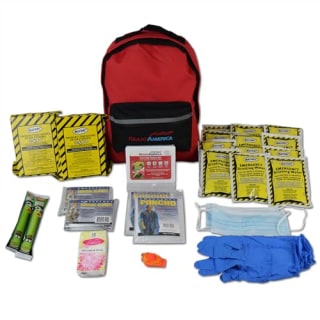
Credit: www.nbcnews.com
Frequently Asked Questions
What Are Essential Items For A Survival Kit?
An emergency survival kit should include water, non-perishable food, a flashlight, batteries, a first aid kit, a whistle, and a multi-tool. Additionally, include personal items like medications and copies of important documents. These essentials ensure you’re prepared for emergencies and can manage basic survival needs.
How Much Water Should I Pack?
Pack at least one gallon of water per person per day for at least three days. This amount covers both drinking and sanitation needs. Having a reliable water source is crucial in emergencies to ensure hydration and hygiene.
Why Is A First Aid Kit Necessary?
A first aid kit is vital to treat minor injuries and prevent infections. It should contain bandages, antiseptic wipes, pain relievers, and tweezers. Having these items on hand allows you to address injuries quickly, reducing the risk of complications.
Should I Include Cash In My Survival Kit?
Yes, include cash in small denominations. In emergencies, electronic payment systems may be unavailable. Having cash ensures you can purchase necessary items. It’s a practical addition to your kit, enabling transactions when other payment methods fail.
Conclusion
Packing an emergency survival kit takes careful planning and thought. Choose items that keep you safe, fed, and warm. Water, food, and first aid supplies are must-haves. Don’t forget tools like a flashlight and a whistle. Keep your kit updated and ready to use.
Practice using your kit before an emergency happens. Being prepared gives you peace of mind. Stay safe by having the right supplies close at hand. Your kit can make a big difference in tough times. Simple steps can protect you and your loved ones.